
- Reduces anxiety without sedation or dependence risk
- Supports healthy sleep onset and duration
- Promotes neuroprotection via SIRT3 activation and mitophagy
- Modulates GABA-A receptors as a positive allosteric modulator
- Provides potent antioxidant and anti-inflammatory activity
I’ll be honest — I slept on honokiol for years. Literally and figuratively. While I was busy chasing the latest racetam or peptide, this compound from magnolia bark had centuries of traditional use and a mechanism of action that reads like a pharmacologist’s wish list. GABA modulation. Mitochondrial protection. Cannabinoid receptor activity. Anti-inflammatory action. All from a single molecule found in tree bark.
What finally got my attention was the GABA-A receptor research. Honokiol modulates these receptors in a way that’s fundamentally different from benzodiazepines — targeting subtypes that produce calm without the cognitive fog, motor impairment, or dependence spiral. That’s a big deal for anyone who’s ever needed anxiety relief but didn’t want to trade one problem for another.
The Short Version: Honokiol is a polyphenolic compound from Magnolia officinalis bark with strong preclinical evidence for anxiety relief, sleep support, and neuroprotection. It works primarily through GABA-A receptor modulation, SIRT3 activation, and partial CB1 agonism. Human clinical data is still catching up to the impressive animal research, but the safety profile is solid and the mechanistic science is compelling. Best for people seeking a non-addictive anxiolytic with neuroprotective upside.
What Is Honokiol?
Honokiol is a small, fat-soluble polyphenolic compound — technically a biphenyl neolignan — isolated from the bark, seed cones, and leaves of Magnolia trees. The highest concentrations are found in Magnolia officinalis and Magnolia grandiflora, species that have been pillars of Traditional Chinese Medicine for centuries.
In TCM, magnolia bark is called Houpu (厚朴), and it’s been prescribed for anxiety, depression, nervous disorders, asthma, headaches, and muscular pain for well over a thousand years. Japanese Kampo medicine features it in the formula Saiboku-to. When modern phytochemists finally cracked the bark’s code, they found two primary active compounds — honokiol and its structural isomer magnolol — working in tandem to produce the bark’s therapeutic effects.
Here’s what makes honokiol genuinely unusual in the nootropics world: it doesn’t do just one thing. Most compounds have a primary mechanism, maybe a secondary one. Honokiol has at least half a dozen well-characterized targets across completely different neurotransmitter and signaling systems. That’s rare. And it’s part of why the preclinical research is so consistently promising across such diverse applications — from anxiety to Alzheimer’s to cancer.
One more thing worth knowing: honokiol is structurally similar to propofol, the widely used anesthetic. That similarity isn’t just a fun fact — it’s directly informed research into honokiol’s GABAergic properties and helped researchers understand why it’s so effective at producing calm without knocking you out.
How Does Honokiol Work?
Think of your brain’s anxiety control system like a volume knob. GABA is the neurotransmitter that turns the volume down — it’s your brain’s primary “chill out” signal. Benzodiazepines like Xanax crank that knob hard, which is effective but blunt. Honokiol adjusts the same knob, but with a much finer touch. And it’s turning additional knobs that benzodiazepines don’t even reach.
Here’s what’s happening at the receptor level. Honokiol is a positive allosteric modulator of GABA-A receptors, meaning it doesn’t activate these receptors directly — it makes them more responsive to your brain’s own GABA. The critical distinction is which GABA-A receptors it targets. Honokiol shows particularly high efficacy at δ-subunit-containing (extrasynaptic) receptors, producing 900–1100% potentiation compared to 300–500% at standard α/β/γ receptors. Benzodiazepines don’t touch those δ-subunit receptors at all. This selectivity is likely why honokiol produces anxiolysis without the motor impairment, cognitive blunting, and dependence risk that plague benzodiazepine use.
In practical terms: you get the calm without the stupid. That’s not a trivial difference.
But GABA modulation is only part of the story. Honokiol is also a direct activator of SIRT3 — a mitochondrial deacetylase enzyme that’s essentially your brain cells’ maintenance crew. When SIRT3 is active, it improves ATP production, reduces mitochondrial oxidative stress, clears out damaged mitochondria (a process called mitophagy), and even reduces beta-amyloid accumulation through the AMPK-CREB-PGC1α pathway. This is the neuroprotective angle that makes honokiol interesting beyond just anxiety relief.
On top of that, honokiol acts as a partial agonist at CB1 cannabinoid receptors — contributing to its anxiolytic effects and normalizing BDNF (brain-derived neurotrophic factor) release. It also inhibits both MAO-A and MAO-B enzymes, blocks NF-κB inflammatory signaling, modulates NMDA receptors, interacts with serotonin receptors (5-HT1B and 5-HT6), and shows antioxidant activity roughly 1,000 times more potent than vitamin E in certain assays.
Translation: honokiol is essentially a Swiss Army knife for your neurons — calming them down, protecting them from damage, cleaning up their mitochondria, and putting out inflammatory fires. No single mechanism explains all the reported benefits, and that’s actually what makes the compound so interesting to researchers.
Benefits of Honokiol
Anxiety Relief
This is where honokiol’s evidence is most compelling, though I need to be upfront about the caveats. In animal models, honokiol has demonstrated anxiolytic effects comparable to diazepam — without the sedation, motor impairment, or dependence. The GABA-A mechanism is well-characterized and the δ-subunit selectivity provides a credible explanation for why it works differently than benzodiazepines.
Reality Check: Most human evidence comes from studies using magnolia bark extract (containing both honokiol and magnolol), not isolated honokiol. Products like Relora — a blend of Magnolia and Phellodendron — have shown stress-reduction benefits in human trials, but we can’t attribute those results to honokiol alone. Large RCTs of pure honokiol for anxiety in humans? They essentially don’t exist yet. The mechanistic science is solid. The clinical validation is still catching up.
Sleep Support
At doses of 10–20 mg/kg in animal models, honokiol significantly shortened sleep latency and increased non-REM sleep duration. It achieves this through the same GABA-A modulation that drives its anxiolytic effects, but without producing the “hangover” grogginess associated with pharmaceutical sleep aids or even melatonin at higher doses.
Users consistently report falling asleep faster and staying asleep longer, with clean morning wakeups. That aligns with what we’d expect from δ-subunit preferring GABA modulation — enhanced tonic inhibition that supports natural sleep architecture rather than overriding it.
Neuroprotection
This is where the SIRT3 mechanism really shines. In APP/PS1 transgenic mice — the standard Alzheimer’s disease model — honokiol improved cognitive function, reduced hippocampal amyloid-beta plaque deposition, promoted neuron survival, and activated SIRT3-dependent mitophagy pathways. A 2025 study showed it protects against neuronal ferroptosis through SIRT3-mediated GPX4 deacetylation.
These aren’t marginal findings. The neuroprotective data is genuinely impressive — at the preclinical level. No human clinical trials for Alzheimer’s or neurodegeneration have been completed as of 2025. But if you’re looking at the long game of brain health, the mitochondrial protection angle gives honokiol something that most anxiolytics don’t offer.
Anti-Inflammatory Action
Honokiol potently inhibits NF-κB signaling and COX-2 expression across multiple models. Given the growing evidence that chronic neuroinflammation drives cognitive decline, mood disorders, and neurodegenerative disease, this isn’t a “nice bonus” — it’s potentially central to the compound’s brain health benefits.
Pro Tip: The neuroprotective and anti-inflammatory benefits are the long-game play here. You won’t feel these working after one dose the way you’ll feel the anxiolytic effects. Think of it like compound interest for your brain — consistent use over weeks to months is what matters.
How to Take Honokiol
Dosage
I need to be straight with you: human dosing of isolated honokiol is not well established in clinical literature. Most recommendations are extrapolated from animal data and supplement manufacturer guidelines.
- Magnolia bark extract (standardized to ≥90% honokiol + magnolol): 200–400 mg per day, in divided doses
- Purified honokiol (≥98%): 50–300 mg per day — lower doses because you’re getting more active compound per milligram
- Relora (Magnolia + Phellodendron blend): 250–300 mg, two to three times daily
Start at the lower end of whichever form you choose. Give it at least two weeks at a consistent dose before adjusting.
Timing and Absorption
For anxiety, you can take honokiol during the day — lower doses (50–100 mg pure honokiol) tend to be calming without sedation. For sleep, take it 30–60 minutes before bed, when higher doses (200–300 mg) can leverage its sedative potential.
Here’s the absorption challenge: honokiol’s oral bioavailability is roughly 5% in animal studies. That sounds terrible, but there’s a catch — it crosses the blood-brain barrier readily despite low systemic levels. Still, you want to maximize what you can.
Insider Tip: Always take honokiol with fat. This is non-negotiable. It’s a highly lipophilic compound, and a fat-containing meal or even a tablespoon of fish oil or MCT oil can meaningfully improve absorption. Liposomal formulations bypass much of the bioavailability problem if you want to invest in a premium product.
Cycling
No established cycling protocol exists, and long-term magnolia bark extract use (up to one year) hasn’t shown tolerance or withdrawal issues in the available data. The GABA-A mechanism is allosteric modulation, not direct agonism — which theoretically carries less dependence risk than benzodiazepines. Some cautious users cycle five days on, two days off, but the evidence doesn’t demand it.
Side Effects and Safety
The safety profile is one of honokiol’s genuine strengths. A 2018 comprehensive safety review concluded that honokiol and magnolol are safe for human consumption, with no mutagenic or genotoxic potential.
Common side effects are predictable given the mechanism: drowsiness (especially at higher doses), dizziness, and mild GI issues like nausea or heartburn. These tend to be dose-dependent and manageable.
Important: Honokiol has antithrombotic (blood-thinning) effects. If you’re taking warfarin, aspirin, or other anticoagulants, talk to your doctor first. If you have hemophilia or Von Willebrand disease, this compound isn’t for you. Discontinue use at least two weeks before any scheduled surgery.
Drug interactions to watch:
- Benzodiazepines and sedatives: Additive CNS depression. Combining honokiol with Xanax or Valium is asking for excessive sedation.
- Antidiabetic medications: May amplify blood sugar lowering effects.
- P-glycoprotein substrates: Honokiol downregulates P-gp expression, which could alter how your body processes certain medications.
- Alcohol: Expect potentiated sedation — same GABA pathway, additive effects.
Avoid during pregnancy and lactation due to insufficient safety data. If you’re on any prescription medication, especially CNS-active drugs, run this by your prescriber.
Stacking Honokiol
Synergistic Combinations
The most natural and well-supported stack is the one nature already designed: honokiol + magnolol. These two isomers co-occur in magnolia bark and act synergistically — “more than additively” — on GABA-A receptors. Honokiol brings stronger neuroprotection and anxiolysis; magnolol contributes better cardiovascular protection. A quality magnolia bark extract gives you both.
For enhanced calm without sedation: Honokiol (100–200 mg extract) + L-Theanine (100–200 mg). Complementary mechanisms — honokiol modulates GABA-A receptors while theanine boosts alpha brain waves and modulates glutamate. Together they produce a focused calm that’s excellent for high-stress workdays.
For sleep: Honokiol (200–400 mg extract) + Magnesium glycinate (200–400 mg). Both support GABAergic tone through different mechanisms. Magnesium also helps with muscle relaxation — a combination that addresses both the mental and physical components of insomnia.
For long-term neuroprotection: Honokiol (200 mg extract) + Bacopa Monnieri (300 mg standardized extract). Different neuroprotective pathways — honokiol via SIRT3 and mitochondrial health, Bacopa via antioxidant activity and serotonergic modulation. A solid brain-aging stack.
For absorption: Take honokiol with omega-3 fish oil. Research has shown polyunsaturated fatty acids improve honokiol’s stability and uptake. It’s functional stacking and bioavailability enhancement in one.
What to Avoid
Don’t combine honokiol with phenibut, alcohol, GHB, or benzodiazepines. Stacking GABAergic compounds is how people end up with excessive sedation or respiratory depression. The whole point of honokiol is that it provides GABA modulation without the risks of heavier-hitting compounds — don’t negate that advantage by piling more GABAergics on top. Use caution with high-dose CBD as well, since both affect cannabinoid receptors and excessive sedation is possible.
My Take
Honokiol is one of those compounds that I think is genuinely underappreciated in the nootropics space. The pharmacology is fascinating — a single molecule that modulates GABA-A receptors with benzodiazepine-like selectivity (but without the dependence), activates mitochondrial SIRT3 for neuroprotection, partially agonizes CB1 receptors, and delivers potent anti-inflammatory action. That’s a rare profile.
My honest assessment: if you’re dealing with anxiety and you want something that takes the edge off without making you feel medicated, honokiol deserves a serious look. At lower doses it’s one of the cleanest anxiolytics I’ve encountered — you keep your mental sharpness, you keep your emotional range, you just lose the frantic background noise. For sleep, the higher-dose experience is like easing into rest rather than being knocked into it.
The caveats are real, though. Bioavailability is a challenge — spring for a liposomal formulation or at minimum always take it with fats. And the evidence, while mechanistically strong, is still predominantly preclinical. We need more human trials of isolated honokiol. The magnolia bark extract data is encouraging, but it’s not the same as knowing exactly what purified honokiol does in human brains at specific doses.
Who should try this? Anyone looking for a non-addictive, daily-use anxiolytic with genuine neuroprotective upside. People who’ve tried L-theanine and found it too subtle, but don’t want to go down the benzodiazepine road. Anyone building a long-term brain health stack and wanting mitochondrial support alongside calming benefits.
Who should skip it? If you need immediate, powerful anxiety relief in a crisis, honokiol is too subtle. If you’re already on benzodiazepines or sedatives, adding another GABAergic compound isn’t the move — work with your doctor. And if you’re not willing to be consistent with it and take it with fats, you’ll probably be underwhelmed by the results.
Start low, take it with food, give it two to four weeks, and pay attention. The acute calming effects may show up day one. The neuroprotective benefits are a longer play — one your future self will thank you for.
Recommended Honokiol Products
I know how frustrating it is to sort through dozens of brands making the same claims. These are the ones I've personally vetted — because quality is the difference between results and wasted money.
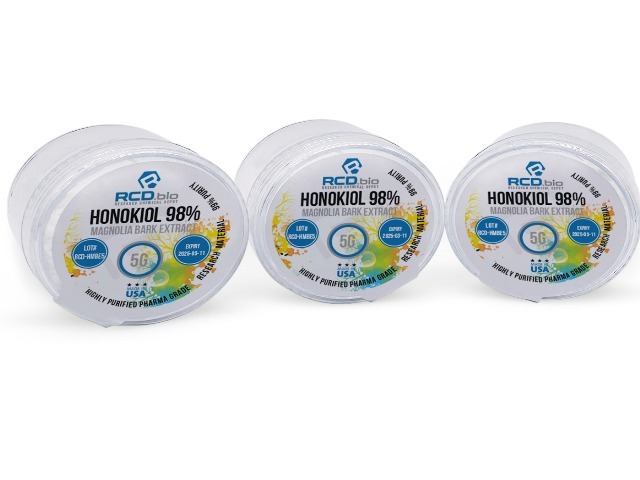
Honokiol (Magnolia Bark Extract) by Nootropics Unlimited
Shop Now →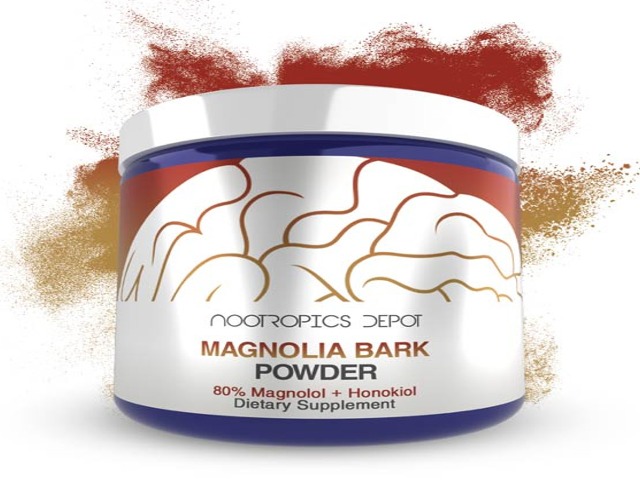
Magnolia Bark Extract Powder
Shop Now →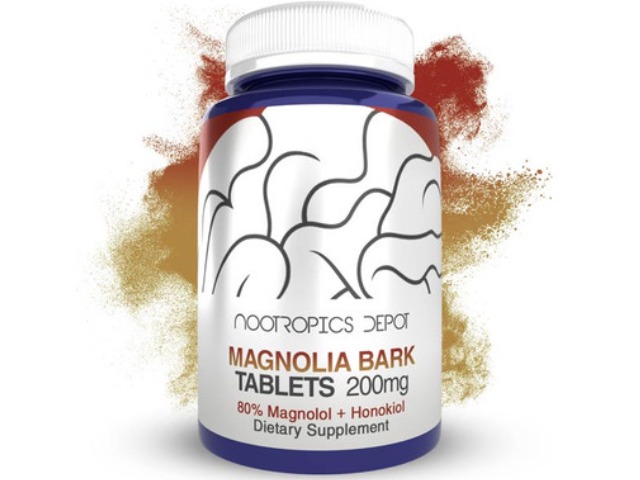
Magnolia Bark Extract Tablets | 200mg | Magnolia Officinalis by Nootropics Depot
Shop Now →Disclosure: These are affiliate links. I earn a small commission if you purchase — at no extra cost to you. I only recommend products I personally use or have thoroughly researched.
Research & Studies
This section includes 8 peer-reviewed studies referenced in our analysis.