
- Anxiolytic effects via GABA-A receptor modulation
- Neuroprotection against oxidative stress and amyloid-beta toxicity
- Sleep onset support without heavy sedation
- Anti-neuroinflammation through multiple pathways
- Cortisol and HPA axis regulation
I used to think my evening anxiety was just “how my brain works.” You know the drill — you’re exhausted, you finally sit down, and suddenly your mind decides it’s the perfect time to replay every awkward conversation from the last decade. I’d tried L-theanine, ashwagandha, even meditation apps. They helped, but something was still missing.
Then I started researching magnolia bark — specifically, its star compound magnolol. What I found was a molecule with 2,000 years of traditional use, a genuinely fascinating mechanism of action, and some of the cleanest preclinical data I’ve seen for a natural anxiolytic. It also taught me a hard lesson about the gap between “impressive in a lab” and “proven in humans.”
The Short Version: Magnolol is a bioactive compound from magnolia bark that enhances your brain’s natural calming system (GABA) through a unique mechanism distinct from drugs like benzodiazepines. It has strong preclinical evidence for anxiety relief, neuroprotection, and sleep support, with an excellent safety profile. The catch? No standalone human clinical trials exist yet. It’s one of the most promising “almost there” nootropics available — worth trying, but with realistic expectations.
What Is Magnolol?
Magnolol is one of two principal bioactive compounds found in the bark of Magnolia officinalis — a tree that’s been a cornerstone of traditional Chinese and Japanese Kampo medicine since the Qin and Han dynasties (around 221 BC). The other compound is its isomer, honokiol. Together, they’re responsible for most of magnolia bark’s therapeutic effects.
The bark itself, called Houpo in Chinese medicine, was first documented in the Shennong Herbal Classic — one of the oldest pharmacological texts in existence. Practitioners used it for anxiety, depression, digestive problems, asthma, and headaches. Western medicine took notice too: magnolia’s benefits were included in the U.S. Pharmacopoeia from 1820 through 1894, before the rise of pharmaceutical anxiolytics pushed it aside.
Here’s what I find interesting. Modern chemistry has basically confirmed what traditional practitioners figured out through centuries of observation. Magnolol and honokiol are the specific molecules responsible for the calming, gut-soothing, and neuroprotective effects that ancient texts described — we just now understand why they work.
Most supplements you’ll find don’t contain isolated magnolol. Instead, they use standardized magnolia bark extract containing both magnolol and honokiol. This is probably a good thing — the two compounds have overlapping but complementary mechanisms, and that’s how they’ve been used for millennia.
How Does Magnolol Work in Your Brain?
Think of your brain as a city that never sleeps. Neurons are constantly firing, signaling, chattering. GABA is the traffic cop — the neurotransmitter that tells overactive neurons to slow down, take a breath, stop honking. When your GABA system isn’t working well, anxiety, insomnia, and mental overload take over.
Magnolol works primarily by making that traffic cop more effective.
The GABA-A Connection
Magnolol is a positive allosteric modulator (PAM) of GABA-A receptors. In plain English: it doesn’t activate the receptor directly the way a drug like a benzodiazepine does. Instead, it binds to a separate spot on the receptor and amplifies GABA’s natural calming effect when GABA shows up.
This distinction matters enormously. A 2012 study by Taferner et al. in PLOS ONE demonstrated that magnolol enhances both phasic (quick, synaptic) and tonic (slow, background) GABAergic signaling. Even more interesting, it does this through a completely unique binding site — one that doesn’t overlap with neurosteroids, anesthetics, alcohol, or benzodiazepines.
The practical translation? Magnolol turns up the volume on your brain’s existing “calm down” signals without hijacking the whole system. That’s why users typically describe it as producing “quiet calm” rather than sedation or intoxication. It’s supporting what your brain already does, not overriding it.
Cannabinoid Receptor Activity
Here’s where it gets really interesting. Magnolol also acts as a partial agonist at CB2 cannabinoid receptors — the ones primarily involved in immune function and neuroinflammation, not the CB1 receptors that produce the “high” from cannabis.
A 2013 study by Rempel et al. found magnolol’s gut metabolite, tetrahydromagnolol, is 19 times more potent at CB2 than magnolol itself. This means your gut bacteria are actually creating a more active compound from what you swallow — a fascinating example of the gut-brain axis at work.
CB2 activation helps modulate neuroinflammation, which is increasingly recognized as a driver of anxiety, depression, and neurodegeneration. It’s an anti-inflammatory effect that specifically targets the brain’s immune system.
Additional Mechanisms
Magnolol’s pharmacology doesn’t stop at GABA and cannabinoid receptors:
- MAO inhibition — Magnolol inhibits both MAO-A and MAO-B enzymes, slowing the breakdown of serotonin, dopamine, and norepinephrine. This may contribute to mild mood-elevating effects.
- Nrf2/ARE activation — Switches on your cells’ built-in antioxidant defense system, protecting neurons from oxidative damage.
- AMPK/mTOR/ULK1 pathway — Promotes cellular cleanup (autophagy), which is particularly relevant in Alzheimer’s disease models where toxic protein aggregates need to be cleared.
- HPA axis normalization — Helps regulate the stress hormone cascade, preventing cortisol from staying chronically elevated.
Pro Tip: Magnolol is fat-soluble with very poor water solubility (~12.5 µg/mL). Always take it with a meal containing fats — coconut oil, fish oil, avocado, even a handful of nuts. Skipping the fat source can dramatically reduce how much you actually absorb.
The Benefits of Magnolol (And How Strong the Evidence Actually Is)
Let me be straight with you about something most supplement sites won’t admit: the evidence for magnolol is mechanistically excellent and clinically incomplete. The animal and in vitro data are genuinely impressive. But no standalone human clinical trial with isolated magnolol has been published.
That doesn’t mean it doesn’t work in humans. It means we’re extrapolating from traditional use, animal models, and a handful of human trials using combination magnolia bark products. Here’s where things stand:
| Benefit | Evidence Level | What the Research Shows |
|---|---|---|
| Anxiety reduction | Strong (animal); Limited (human combo extracts) | Consistent anxiolytic effects across multiple animal models; one small human study (n=40) showed benefit with magnolia/phellodendron extract |
| Neuroprotection | Strong (animal, in vitro) | Multiple 2021–2025 studies show reduced Aβ pathology and behavioral improvements in Alzheimer’s mouse models |
| Sleep support | Moderate (animal) | Decreased sleep latency, increased REM and non-REM sleep duration in animal models |
| Antioxidant activity | Strong (in vitro, animal) | Robust free radical scavenging and oxidative stress reduction across multiple study designs |
| Anti-inflammation | Strong (animal, in vitro) | Well-documented in both CNS and peripheral inflammation models |
| Anticonvulsant | Moderate (animal) | Demonstrated in zebrafish and mouse epilepsy models via GABA/benzodiazepine receptor complex |
| Mood elevation | Preliminary | Suggested by MAO inhibition data and HPA axis normalization, but limited direct evidence |
Where Magnolol Shines
The anxiolytic data is the most compelling. Unlike many calming compounds that just sedate you into not caring, magnolol’s unique GABA-A modulation appears to specifically reduce the mental chatter and rumination that drives anxiety — without flattening your cognition or making you drowsy at appropriate doses.
The neuroprotective research is also exciting. A 2023 study showed magnolol improved Alzheimer’s-like pathology in mice by activating the AMPK/mTOR/ULK1 autophagy pathway — essentially helping the brain clean up the toxic protein tangles that characterize the disease. A comprehensive 2025 review in ScienceDirect summarized magnolol as a “multifunctional neuroprotective agent.”
Reality Check: Impressive animal studies don’t automatically translate to human results. Magnolol has zero standalone human RCTs. The existing human data uses combination magnolia bark products with other ingredients, making it impossible to isolate magnolol’s specific contribution. This is the most important caveat if you’re considering trying it. The traditional use history and preclinical data are encouraging — but we’re still waiting for the kind of rigorous evidence that compounds like ashwagandha and bacopa already have.
How to Take Magnolol Without Wasting Your Money
Getting the dosing right matters more with magnolol than with many nootropics, because bioavailability is a real challenge. Rat studies estimate oral bioavailability at only 4.9–17.5% — meaning most of what you swallow never reaches your bloodstream. Formulation and timing can make a significant difference.
Recommended Dosages
| Use Case | Daily Dose (Extract) | Timing | Notes |
|---|---|---|---|
| Relaxation / mild anxiety | 200mg | Evening, with food | Start here for 1–2 weeks |
| Sleep support | 200–400mg | 30–60 min before bed | Take with a fat source |
| Daytime calm / cognitive support | 200–400mg | Split AM + PM doses | Lower individual doses reduce drowsiness |
| Neuroprotective support | 300–400mg | With meals | Long-term use; assess after 4–6 weeks |
Key guidelines:
- Use standardized magnolia bark extract with ≥90% combined magnolol + honokiol
- Always take with dietary fat — this is non-negotiable for meaningful absorption
- Start low (200mg) and increase only after 1–2 weeks of assessing your response
- The elimination half-life is short (~2.3 hours in rats), so split dosing makes sense for all-day effects
Forms Available
- Standardized bark extract capsules — Most common and practical. Look for ≥90% standardization by HPLC.
- Tetrahydromagnolol — A newer form (the active CB2 metabolite) available from Nootropics Depot at 20mg per tablet. This is specifically for those interested in the cannabinoid receptor effects.
- Raw bark powder — Contains only 1–10% active neolignans. You’d need massive amounts to get a therapeutic dose. Not recommended.
Insider Tip: The ~2.3-hour half-life means effects wear off relatively quickly. For sleep, this is actually an advantage — you get the wind-down benefit without morning grogginess. For daytime anxiety, it means you’ll likely want to split your dose rather than taking everything at once.
Cycling
No formal cycling protocol has been established. However, given the GABAergic mechanism, some users cycle 5 days on / 2 days off or 4 weeks on / 1 week off to maintain receptor sensitivity. This is purely anecdotal, but it’s a reasonable precaution for any GABAergic compound.
The Side Effects Nobody Warns You About
The good news: magnolol has an exceptional safety profile. The oral LD₅₀ in rats exceeds 50 g/kg body weight — making it remarkably non-toxic. A 2018 comprehensive review of 44 articles on magnolol and honokiol safety concluded both are safe for human consumption. Standard OECD assays found no genotoxicity or mutagenicity.
Common Side Effects
- Drowsiness — The most frequently reported effect, dose-dependent. This is a feature for sleep use, a bug for daytime use.
- Mild dizziness — Usually at higher doses or when taken on an empty stomach
- GI discomfort — Occasional; less common when taken with food
- Dry mouth — Intermittent
Rare Side Effects
- Tremors (reported at high doses)
- Muscle weakness
- Hypotension (low blood pressure)
Important: Magnolol significantly increases the sensitivity of GABA-A benzodiazepine binding sites. Do not combine magnolol with benzodiazepines (alprazolam, diazepam, lorazepam, etc.) — the combination could produce dangerous levels of sedation. This isn’t a theoretical concern; the mechanism is well-documented and the risk is real.
Drug Interactions to Watch
| Drug Class | Risk Level | Why |
|---|---|---|
| Benzodiazepines | HIGH | Direct GABA-A potentiation — risk of excessive sedation |
| Other sedatives/hypnotics | Moderate | Additive CNS depression |
| Alcohol | Moderate | Enhanced sedation |
| Anticoagulants (warfarin, etc.) | Moderate | Magnolol has antiplatelet activity |
| Antidiabetic drugs | Moderate | May potentiate blood sugar lowering |
| CYP1A substrates (caffeine, theophylline) | Moderate | Magnolol inhibits CYP1A (IC₅₀ = 1.62 μM) |
| CYP2C substrates (some NSAIDs, PPIs) | Moderate | Magnolol inhibits CYP2C (IC₅₀ = 5.56 μM) |
Additional precautions:
- Discontinue at least 2 weeks before scheduled surgery (antiplatelet activity)
- Avoid during pregnancy and breastfeeding — insufficient safety data
- If you’re on any prescription medications, check with your doctor. The CYP enzyme inhibition means magnolol could alter how your body processes other drugs.
Stacking Magnolol: What Works and What Doesn’t
Magnolol plays well with several other compounds, particularly when you’re targeting anxiety, sleep, or neuroprotection.
Synergistic Combinations
- Magnolol + L-Theanine (200mg + 200mg) — My favorite daytime calm stack. L-theanine adds glutamate regulation and alpha brain wave promotion while magnolol handles the GABAergic side. Complementary mechanisms, minimal sedation.
- Magnolol + Ashwagandha (200mg + 300–600mg KSM-66) — Combines acute GABAergic calming with long-term HPA axis normalization. Great for chronic stress. Several commercial products already use this combination.
- Magnolol + Melatonin (200–400mg + 0.3–1mg) — For sleep: magnolol promotes relaxation and quiets the mind while melatonin regulates your circadian timing signal. Different mechanisms targeting the same outcome.
- Magnolol + Omega-3 fatty acids — Practical and pharmacological synergy. The fat dramatically improves magnolol absorption while omega-3s contribute their own anti-inflammatory and neuroprotective benefits.
- Magnolol + Phosphatidylserine (200mg + 100mg) — Both help normalize cortisol. PS adds membrane support and its own cognitive benefits.
- Magnolol + Lemon Balm (200mg + 300–600mg) — Both GABAergic, potentially synergistic for evening relaxation and sleep onset.
Avoid These Combinations
- Benzodiazepines — Dangerous GABA-A potentiation. Not negotiable.
- Barbiturates — Excessive CNS depression risk
- High-dose kava or high-dose valerian — Stacking multiple strong GABAergic compounds risks excessive sedation
- Heavy alcohol — Additive CNS depression; defeats the purpose of supporting brain health
What to Look For When Buying
This matters more than you might think. A 2025 study analyzing six magnolia bark supplements found that two contained zero detectable magnolol or honokiol — despite label claims. Measured amounts in the other four varied wildly (0.95–114.69 mg/g magnolol).
Non-negotiable quality markers:
- Standardized to ≥90% combined magnolol + honokiol (verified by HPLC or UPLC)
- Third-party Certificate of Analysis (CoA) available
- Source species is Magnolia officinalis bark (not flower or leaf)
- Company provides batch-specific testing results
Red flags:
- “Magnolia bark powder” with no standardization percentage — raw bark has only 1–10% active compounds
- No CoA or third-party testing claims
- Prices that seem too cheap for high standardization
Pro Tip: If a company can’t or won’t show you a CoA with HPLC-verified magnolol content, keep shopping. This isn’t paranoia — it’s basic due diligence for a supplement where adulteration and low potency are documented problems.
My Take
Here’s where I land on magnolol after years of following the research and experimenting with magnolia bark products myself.
It works. For evening anxiety and sleep onset, I noticed effects from the very first dose — a genuinely calming “volume turned down” sensation on the mental chatter. Not sedation. Not numbness. Just… quiet. The kind of quiet my brain doesn’t usually achieve without significant effort.
For daytime use, I prefer it combined with L-theanine. Magnolol alone at higher doses makes me a bit too relaxed for productive work. At lower doses (100–200mg) with theanine, it hits a nice sweet spot of alert-but-calm.
Who this is best for:
- People whose primary issue is racing thoughts, rumination, or evening anxiety
- Anyone looking for a natural sleep-onset aid that doesn’t cause morning grogginess
- People interested in neuroprotection, especially if they’re already on a foundational stack
- Those who’ve tried L-theanine or ashwagandha and want something with a different mechanism to layer in
Who should probably try something else first:
- If you want well-proven human clinical data, start with ashwagandha or bacopa — they have the RCTs that magnolol still lacks
- If you need stimulant-type focus enhancement, magnolol isn’t your compound
- If you’re on benzodiazepines, this is off the table until you’ve talked to your prescriber
The honest bottom line: Magnolol sits in a frustrating middle ground — 2,000 years of traditional use, excellent mechanistic data, strong animal evidence, a pristine safety profile, and still no standalone human RCTs to point to. I believe the human data will eventually catch up to what the preclinical research overwhelmingly shows. In the meantime, I consider it a legitimate tool in the nootropic toolbox — just not one I’d bet everything on until the clinical evidence matures.
Start with 200mg of a properly standardized extract, take it with food containing fat, and give it two weeks before deciding if it’s doing anything for you. Your brain’s GABA system will thank you for the support.
Recommended Magnolol Products
I know how frustrating it is to sort through dozens of brands making the same claims. These are the ones I've personally vetted — because quality is the difference between results and wasted money.
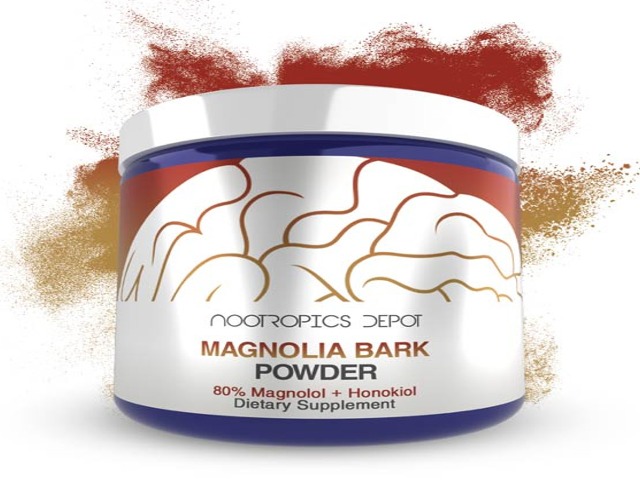
Magnolia Bark Extract Powder
Shop Now →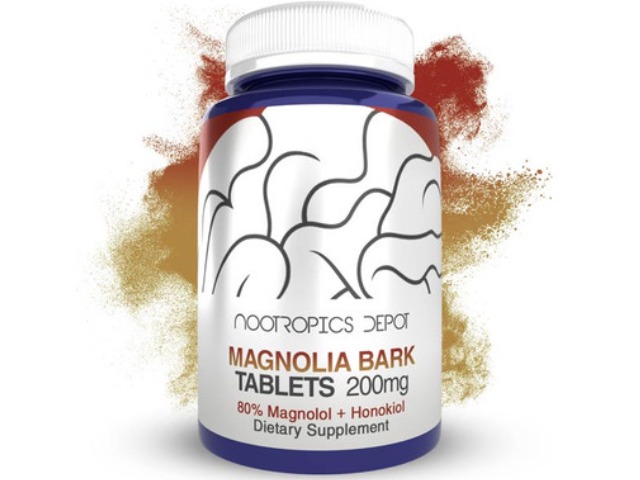
Magnolia Bark Extract Tablets | 200mg | Magnolia Officinalis by Nootropics Depot
Shop Now →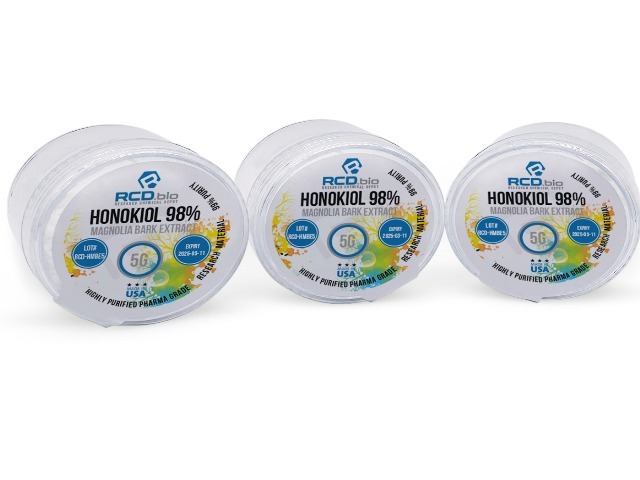
Honokiol (Magnolia Bark Extract) by Nootropics Unlimited
Shop Now →Disclosure: These are affiliate links. I earn a small commission if you purchase — at no extra cost to you. I only recommend products I personally use or have thoroughly researched.
Research & Studies
This section includes 9 peer-reviewed studies referenced in our analysis.