
- Immune Defense
- Wound Healing
- Antimicrobial Activity
- Anti-Biofilm Properties
- Gut Barrier Support
I’ll be honest — when LL-37 first started showing up in biohacking forums, the claims being made about it sounded almost too convenient. An antimicrobial peptide that fights infections, heals wounds, fixes your gut, AND boosts your brain? Sign me up, right?
Except after digging through the actual research, I had to pump the brakes. LL-37 is genuinely impressive for what it actually does — immune defense, wound healing, and antimicrobial activity. But some of the cognitive claims floating around the internet? They don’t just lack evidence. The brain research that does exist suggests LL-37 may actually promote neuroinflammation. That’s a pretty important detail most articles leave out.
This guide gives you the full picture — the real benefits, the real risks, and who should actually consider this peptide.
The Short Version: LL-37 is your body’s own antimicrobial peptide, part of the innate immune system. It’s legitimately effective for immune support, wound healing, and fighting biofilms. However, its reputation as a nootropic isn’t supported by the evidence — and some research suggests it may actually worsen neuroinflammation. If you’re looking at LL-37, approach it as an immune and healing tool, not a brain booster.
What Is LL-37?
LL-37 is a 37-amino-acid peptide — the only cathelicidin-derived antimicrobial peptide found in humans. Your body produces it naturally, primarily in immune cells like neutrophils and macrophages, as well as in epithelial cells lining your skin, gut, and respiratory tract. Think of it as one of your immune system’s first responders.
The name “LL-37” comes from its structure: it starts with two leucine (L) residues and is 37 amino acids long. It’s cleaved from a larger precursor protein called hCAP18 (human cationic antimicrobial protein 18 kDa) by proteinase 3, an enzyme released during immune activation.
Here’s why the biohacking community got interested: LL-37 doesn’t just kill pathogens. It modulates your immune response, promotes wound healing, disrupts bacterial biofilms, and supports gut barrier function. For people dealing with chronic infections, stubborn wounds, or gut permeability issues, those are compelling properties.
Reality Check: LL-37 is not a supplement you pick up at a health food store. It’s a research peptide typically administered via subcutaneous injection or topical application. Oral bioavailability is essentially zero — the peptide gets destroyed by digestive enzymes. If someone is selling you “oral LL-37 capsules,” be very skeptical.
The foundations-first principle applies here more than usual. If your immune system is already overwhelmed due to poor sleep, chronic stress, or a wrecked gut, throwing a peptide at the problem isn’t addressing root causes. LL-37 is a targeted tool for specific situations — not a daily supplement for general wellness.
How Does LL-37 Work?
The plain-English version: LL-37 works like a Swiss Army knife for your immune system. It punches holes in bacterial membranes to kill them directly, calls in reinforcements by signaling other immune cells, and helps your body repair damaged tissue. It’s simultaneously a weapon and a repair crew.
The science: LL-37 is an amphipathic peptide, meaning it has both water-loving and fat-loving regions. This structure lets it interact with cell membranes — and it preferentially targets bacterial membranes over your own cells because bacterial membranes carry a negative charge that attracts the positively charged peptide.
Once LL-37 binds to a bacterial membrane, it disrupts the lipid bilayer through a “carpet model” mechanism, essentially coating the membrane surface until it disintegrates. But the antimicrobial action goes beyond direct killing:
- Biofilm disruption: LL-37 prevents bacteria from forming protective biofilm communities and can break apart existing biofilms — a property that’s attracted attention for chronic infections where bacteria hide behind these protective shields
- Immune modulation: It activates the formyl peptide receptor-like 1 (FPRL1) on immune cells, recruiting neutrophils and monocytes to infection sites
- Wound healing promotion: LL-37 stimulates angiogenesis (new blood vessel formation) and promotes keratinocyte migration — two processes essential for tissue repair
- Anti-inflammatory balancing: Paradoxically, while it activates certain immune responses, it also neutralizes bacterial lipopolysaccharide (LPS), reducing the inflammatory cascade that LPS triggers
The practical translation: Your body upregulates LL-37 production when it detects a threat. Supplemental LL-37 essentially provides reinforcements — extra copies of this peptide to support immune function when your natural production may be insufficient, such as during chronic illness or in cases where vitamin D levels are low (vitamin D directly regulates LL-37 expression).
| Mechanism | What It Does | Why It Matters |
|---|---|---|
| Membrane disruption | Directly kills bacteria and fungi | Broad-spectrum defense without antibiotic resistance |
| Biofilm disruption | Breaks apart bacterial protective communities | Addresses chronic, hard-to-treat infections |
| Immune cell recruitment | Calls neutrophils and monocytes to the site | Amplifies local immune response |
| LPS neutralization | Blocks endotoxin-triggered inflammation | Prevents excessive inflammatory damage |
| Angiogenesis | Promotes new blood vessel growth | Accelerates wound healing |
Benefits of LL-37 — What the Evidence Actually Shows
Let me be straightforward about what’s well-supported and what’s hype. LL-37 has some genuinely impressive properties, but the evidence quality varies dramatically depending on which benefit you’re looking at.
Antimicrobial Defense
This is LL-37’s strongest suit, and it’s not even close. The peptide demonstrates broad-spectrum activity against gram-positive and gram-negative bacteria, fungi, and even some enveloped viruses. A key advantage over conventional antibiotics: bacteria have a much harder time developing resistance to LL-37 because it attacks membrane structure rather than a specific metabolic pathway.
Research published in Antimicrobial Agents and Chemotherapy has shown LL-37 is effective against MRSA (methicillin-resistant Staphylococcus aureus), Pseudomonas aeruginosa, and Candida species — all notoriously difficult pathogens to treat.
Wound Healing
This is where LL-37 has its most clinically relevant data. A randomized controlled trial published in EBioMedicine (2019) studied LL-37 for hard-to-heal venous leg ulcers — wounds that often resist conventional treatment. The results showed significantly improved healing rates compared to placebo, with the peptide promoting both new blood vessel formation and tissue regeneration.
That’s an actual human RCT with a real clinical endpoint. In the peptide world, that’s relatively rare and worth taking seriously.
Gut Barrier Support
LL-37 is expressed in the epithelial cells lining your gastrointestinal tract, where it serves dual roles: defending against pathogenic bacteria and supporting the integrity of the gut barrier. Research in Gut Microbes has shown that cathelicidins help maintain the mucus layer and tight junction proteins that prevent “leaky gut.”
For people dealing with gut permeability issues, this is relevant context — though it’s worth noting that supporting your body’s own LL-37 production (through adequate vitamin D, zinc, and butyrate) may be more practical than injecting synthetic LL-37.
Anti-Biofilm Properties
Biofilms are communities of bacteria encased in a protective matrix that makes them up to 1,000 times more resistant to antibiotics. LL-37 has demonstrated the ability to both prevent biofilm formation and disrupt established biofilms in multiple in vitro studies. This property has generated significant interest for conditions like chronic sinusitis, prostatitis, and implant-associated infections.
Important: The biofilm research is primarily from laboratory studies. While the results are promising, translating petri dish findings to clinical outcomes is never straightforward. Be wary of practitioners making definitive claims about LL-37 “eliminating” biofilm infections.
What About Cognitive Benefits?
Here’s where I need to be completely transparent. I’ve seen LL-37 marketed as a nootropic and neuroprotective compound. The actual brain research tells a different story.
Studies published in Journal of Neuroinflammation and Molecular Neurodegeneration found that LL-37 can activate microglia (the brain’s immune cells), promote neuroinflammatory pathways, and in Alzheimer’s disease models, it was found to interact with amyloid-beta in ways that may worsen pathology rather than improve it. LL-37 has been shown to enhance amyloid-beta aggregation and amplify inflammatory signaling in neural tissue.
This doesn’t mean LL-37 is dangerous for your brain — at normal physiological levels, it’s part of healthy immune function. But the idea that supplemental LL-37 enhances cognition, focus, or neuroprotection is not supported by the available evidence. If anything, the data suggests caution.
| Benefit | Evidence Quality | Key Evidence |
|---|---|---|
| Antimicrobial activity | Strong (extensive in vitro + in vivo) | Multiple studies across pathogen types |
| Wound healing | Strong (human RCT) | EBioMedicine 2019 — venous leg ulcer trial |
| Gut barrier support | Moderate (mechanistic + animal studies) | Cathelicidin role in epithelial defense |
| Anti-biofilm | Moderate (primarily in vitro) | Lab studies on multiple bacterial species |
| Cognitive/nootropic | Not supported (evidence goes against it) | Neuroinflammation and amyloid research |
How to Take LL-37
Because LL-37 is a peptide, the route of administration matters enormously. This isn’t something you can just swallow.
Administration Routes
- Subcutaneous injection: The most common route in the biohacking community. Delivers the peptide directly into the tissue beneath the skin, allowing gradual systemic absorption
- Topical application: Used specifically for wound healing. Applied directly to the affected area
- Intranasal: Some practitioners use this route, though absorption data is limited
- Oral: Not viable. LL-37 is degraded by gastrointestinal proteases before it can be absorbed
Dosing Protocols
| Use Case | Dose | Frequency | Duration | Notes |
|---|---|---|---|---|
| General immune support | 50mcg | Daily | 4-6 weeks | Start here for most people |
| Active infection support | 100mcg | Daily | 2-4 weeks | Under medical supervision |
| Wound healing (topical) | Variable | 1-2x daily | Until healed | Direct application to wound site |
Important dosing considerations:
- Start at the lowest dose (50mcg) to assess tolerance
- Reconstitute lyophilized LL-37 with bacteriostatic water according to the supplier’s specifications
- Store reconstituted peptide refrigerated (2-8°C) and use within 2-3 weeks
- Rotate injection sites to prevent localized reactions
Pro Tip: Your body’s own LL-37 production is directly regulated by vitamin D. Before reaching for synthetic LL-37, get your 25-hydroxyvitamin D levels checked. Optimizing vitamin D status (50-70 ng/mL) naturally upregulates cathelicidin production — and that’s a foundation-first approach that may address your needs without injectable peptides.
Cycling
There are no established cycling protocols for LL-37 in the clinical literature. Most practitioners recommend using it for defined periods (4-6 weeks) for specific goals rather than continuous indefinite use. The rationale is straightforward: LL-37 is an immune modulator, and chronic upregulation of any immune pathway carries theoretical risks.
Side Effects and Safety
LL-37 is generally well-tolerated at the doses used in research and clinical contexts, but it’s not without risks.
Common Side Effects
- Injection site reactions — redness, mild swelling, and temporary discomfort at the injection site (most common)
- Mild flu-like symptoms during the first few days of use (potentially from immune activation)
Serious Considerations
- Pro-inflammatory potential: At high doses, LL-37 can shift from anti-inflammatory to pro-inflammatory. More is definitively not better with this peptide
- Angiogenesis promotion: LL-37 stimulates new blood vessel growth. While beneficial for wound healing, this is a concern for anyone with existing tumors, as angiogenesis can support tumor growth
- Neuroinflammation: As discussed, LL-37 activates microglial cells and can promote neuroinflammatory pathways. Individuals with neurodegenerative conditions should exercise particular caution
- Autoimmune conditions: LL-37 has been implicated in the pathogenesis of psoriasis and rosacea — conditions where overactive cathelicidin contributes to the disease process. If you have either condition, LL-37 supplementation could theoretically worsen symptoms
Who Should Avoid LL-37
- Individuals with active cancer (angiogenesis concern)
- People with psoriasis or rosacea
- Those with active neurodegenerative disease
- Pregnant or nursing women (no safety data)
- Anyone on immunosuppressive therapy (unpredictable interactions)
Important: LL-37 is a research peptide, not an FDA-approved therapeutic. Quality control varies dramatically between suppliers. If you choose to use it, source from a reputable peptide supplier that provides third-party certificates of analysis (COA) showing purity >98% and endotoxin testing results.
Stacking LL-37
Because LL-37’s primary value is immune and healing support rather than cognitive enhancement, stacking strategies focus on amplifying those properties.
Synergistic Combinations
- LL-37 + Thymosin Alpha-1: Both are immune-modulating peptides that work through different pathways. TA1 primarily activates T-cell-mediated immunity while LL-37 handles innate defense. Together, they provide broader immune coverage
- LL-37 + BPC-157: For wound healing and gut repair, this combination covers complementary mechanisms — BPC-157 promotes growth factor expression while LL-37 provides antimicrobial protection and angiogenesis
- LL-37 + Vitamin D (5,000-10,000 IU): Since vitamin D directly regulates LL-37 gene expression, adequate vitamin D ensures your body’s endogenous production is optimized alongside any exogenous supplementation
- LL-37 + Zinc (25-50mg): Zinc supports both cathelicidin function and broader immune competence. It’s a foundational pairing
What to Avoid Combining
- LL-37 + high-dose anti-inflammatories: NSAIDs or corticosteroids may blunt LL-37’s immunomodulatory effects since they suppress the very pathways LL-37 activates
- LL-37 + other pro-angiogenic compounds: Stacking multiple angiogenesis promoters increases theoretical cancer risk
- LL-37 + immunosuppressants: Contradictory mechanisms — you’re simultaneously stimulating and suppressing the immune system
Insider Tip: If you’re considering LL-37 for gut issues, try the foundations first: optimize vitamin D levels, add L-Glutamine (5-10g daily) for gut lining support, and include butyrate-producing foods or a butyrate supplement. These steps upregulate your body’s own LL-37 production and may give you what you need without injectable peptides.
My Take
I have a lot of respect for LL-37 as a molecule — it’s one of your body’s most elegant defense mechanisms. But I have to be honest about where I land on it as a supplement.
Who it’s genuinely useful for: People dealing with chronic, hard-to-resolve infections — especially ones suspected to involve biofilms. Individuals recovering from wounds that aren’t healing properly. People with documented cathelicidin deficiency (which correlates with low vitamin D). In these specific scenarios, LL-37 fills a real gap.
Who should look elsewhere: If you’re here because you read that LL-37 boosts focus and protects your brain — I’d point you toward compounds that actually have that evidence behind them. Lion’s Mane has human trials showing cognitive improvements. Bacopa Monnieri has decades of research on memory and learning. Those are nootropics. LL-37 is an immune peptide that got misclassified by marketing.
The vitamin D connection is the real story. Before spending money on synthetic LL-37, get your vitamin D levels tested. If you’re below 50 ng/mL — and statistically, you probably are — optimizing vitamin D will naturally increase your LL-37 production along with a cascade of other benefits. That’s the holistic approach, and it’s usually where I’d start.
If you do decide to use LL-37, use it with clear intent, for a defined period, and under the guidance of a practitioner who understands peptide therapy. It’s a precision tool, not a daily supplement. Treat it accordingly.
Recommended LL-37 Products
I know how frustrating it is to sort through dozens of brands making the same claims. These are the ones I've personally vetted — because quality is the difference between results and wasted money.
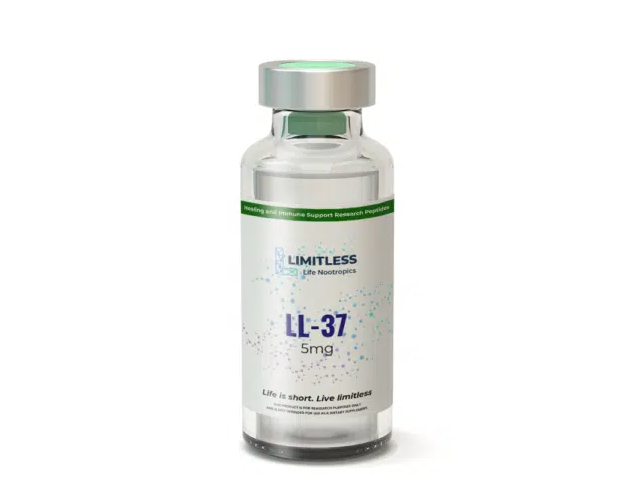
Disclosure: These are affiliate links. I earn a small commission if you purchase — at no extra cost to you. I only recommend products I personally use or have thoroughly researched.
Research & Studies
This section includes 4 peer-reviewed studies referenced in our analysis.