
- Reduces neuroinflammation through cytokine modulation
- Protects neurons from oxidative stress
- Supports immune system balance and T-cell function
- May enhance cognitive function and neurogenesis
- Promotes antioxidant enzyme activity
Four years ago, I got hit with a viral infection that left me in a brain fog so thick I couldn’t remember what I’d walked into a room to get. My focus was shot. My immune system felt like it was fighting everything and winning against nothing.
That’s when I first stumbled into the world of immune-modulating peptides — specifically Thymosin Alpha-1, a compound that’s been used clinically in over 30 countries but remains relatively unknown in the biohacking world. It’s not the sexy nootropic that promises instant focus. It’s the compound that helps your immune system stop attacking your brain.
If you’re dealing with chronic inflammation, brain fog that won’t quit, or you’re recovering from an infection that knocked you on your ass, this guide breaks down everything you need to know.
The Short Version: Thymosin Alpha-1 is a 28-amino-acid peptide that modulates immune function, reduces neuroinflammation, and protects brain cells from oxidative damage. It works by balancing cytokine production and enhancing your body’s own antioxidant systems. Most people use 1-3mg subcutaneously 2-3x per week in 4-12 week cycles. It’s not a quick fix — think weeks, not hours — but the research on immune modulation and neuroprotection is solid.
What Is Thymosin Alpha-1?
Thymosin Alpha-1 (Tα1) is a naturally occurring peptide originally isolated from the thymus gland — that small organ behind your sternum that’s critical for immune system development. The synthetic version replicates the exact 28-amino-acid sequence your body produces.
Here’s what makes it different from most nootropics: it doesn’t directly stimulate neurotransmitters or block receptors. Instead, it works upstream by modulating your immune system’s inflammatory response, which has profound downstream effects on brain function.
The peptide was first synthesized in the 1970s and has been approved for clinical use in countries including Italy, China, and Russia for treating immune deficiencies, chronic infections, and even as an adjunct cancer therapy. In the US, it exists in the regulatory grey zone — available through research chemical suppliers and some peptide clinics, but not FDA-approved for human use.
Why people use it: Chronic viral infections (EBV, long COVID), autoimmune conditions affecting cognition, persistent brain fog from inflammatory conditions, or as part of a broader immune optimization protocol. This isn’t a “take it before your exam” compound. It’s a “my immune system is dysregulated and it’s affecting my brain” compound.
Reality Check: Thymosin Alpha-1 isn’t going to replace sleep, good nutrition, or stress management. If your inflammation is driven by staying up until 2 AM doomscrolling while eating gas station food, no peptide is going to fix that. But if you’ve handled the fundamentals and still have persistent immune-driven inflammation, this is where Tα1 becomes relevant.
How Does Thymosin Alpha-1 Work? (The Mechanisms That Matter)
Let’s break down what’s actually happening when you inject this peptide.
The immune modulation piece: Thymosin Alpha-1 works primarily by regulating T-cell function — specifically promoting a balanced Th1/Th2 response. In plain English: it helps your immune system stop overreacting to things it shouldn’t (like your own tissues) while maintaining the ability to fight off actual threats.
A 2018 study in Neuroscience Bulletin found that Tα1 administration promoted neurogenesis — the growth of new brain cells — in developing mice through its systemic immune effects. The mechanism? By shifting the immune response toward a Th1 bias (which promotes anti-inflammatory IL-2 and IFN-γ), it created an environment where the brain could actually repair and grow instead of staying stuck in an inflammatory loop.
The neuroinflammation angle: Chronic elevation of pro-inflammatory cytokines like IL-6 and TNF-α doesn’t just make you feel like garbage — it actively impairs learning, memory consolidation, and executive function. Thymosin Alpha-1 suppresses these inflammatory mediators while simultaneously promoting beneficial cytokines like IL-2.
The result? Your brain’s inflammatory thermostat gets recalibrated. Think of it like turning down a car alarm that’s been going off for months. Once the noise stops, everything else can start functioning normally again.
Oxidative stress protection: This is where the neuroprotective piece comes in. A 2020 comprehensive review in World Journal of Virology documented Tα1’s ability to enhance endogenous antioxidant enzymes — specifically superoxide dismutase (SOD) and glutathione peroxidase. These are your brain’s first-line defense against free radical damage.
Translation: Thymosin Alpha-1 doesn’t just reduce inflammation directly. It helps your body produce more of its own cleanup crew to neutralize the oxidative damage that inflammation causes. It’s like giving your brain’s janitorial staff a raise and better equipment.
The mitochondrial connection: While not as directly studied as the immune effects, the reduction in systemic inflammation and oxidative stress creates an environment where mitochondria can function optimally. When your cells aren’t constantly fighting off inflammatory signals and free radicals, they can dedicate resources to energy production instead of damage control.
Benefits of Thymosin Alpha-1 (What the Research Actually Shows)
Let’s be clear about what the evidence supports — and where we’re extrapolating.
Immune system regulation (STRONG EVIDENCE): This is where Thymosin Alpha-1 really shines. A 2024 review in Alternative Therapies in Health and Medicine analyzed human clinical trials across multiple conditions and found consistent evidence of immune enhancement — improved T-cell counts, enhanced antibody response, and better clearance of viral infections.
In a 2025 meta-analysis in Frontiers in Immunology covering 2,083 patients with severe acute pancreatitis, those receiving Tα1 showed significantly reduced inflammatory markers (C-reactive protein down by an average of 25mg/L) and lower infection rates compared to controls.
Cognitive effects and neurogenesis (MODERATE EVIDENCE): The cognitive benefits are mostly extrapolated from immune modulation studies. That 2018 Neuroscience Bulletin study I mentioned earlier found that mice treated with Tα1 showed improved spatial learning and memory performance, along with increased neurogenesis in the hippocampus — the brain region critical for forming new memories.
Is this going to make you 20% smarter? No. But if your cognitive function is impaired by chronic inflammation, addressing the root cause can lead to dramatic improvements in clarity, focus, and memory.
Antidepressant potential (PRELIMINARY): Here’s where it gets interesting. A 2025 proof-of-concept study in Brain, Behavior, & Immunity - Health found that patients with common variable immune deficiency (CVID) who also had depression showed significant mood improvements after 12 weeks of Thymosin Alpha-1 treatment. The researchers hypothesized that the antidepressant effect was mediated through the peptide’s anti-inflammatory and immune-regulating properties.
Sample size? Seven patients. So we’re firmly in “intriguing but needs replication” territory.
Sepsis and acute inflammation (STRONG EVIDENCE): A 2025 meta-analysis in Frontiers in Cellular and Infection Microbiology covering 3,214 sepsis patients found that Tα1 significantly reduced 28-day mortality and shortened ICU stays. While this is extreme acute inflammation (not the chronic low-grade kind most people deal with), it demonstrates the peptide’s potent anti-inflammatory effects.
Pro Tip: The cognitive benefits of Thymosin Alpha-1 are secondary to its immune-modulating effects. If you’re looking for direct, immediate cognitive enhancement, this isn’t your compound. But if you suspect immune dysfunction or chronic inflammation is dragging down your mental performance, Tα1 addresses the root cause rather than masking symptoms.
| Benefit | Evidence Level | Key Research |
|---|---|---|
| Immune modulation | Strong (multiple RCTs) | Dominari et al. 2020, Dinetz & Lee 2024 |
| Reduced inflammation | Strong (meta-analyses) | Tian et al. 2025, Gu et al. 2025 |
| Neurogenesis support | Moderate (animal studies) | Wang et al. 2018 |
| Cognitive enhancement | Moderate (indirect) | Wang et al. 2018 |
| Antidepressant effects | Preliminary (small trials) | Mersha et al. 2025 |
| Antioxidant protection | Moderate (mechanistic) | Dominari et al. 2020 |
How to Take Thymosin Alpha-1 (Without Wasting Your Money)
Dosage: The clinical literature consistently uses 1-3mg per injection, typically administered subcutaneously (under the skin, usually in the abdomen or thigh).
- Standard protocol: 1.6mg twice per week for 4-12 weeks
- Acute immune support: 3mg three times per week for 2-4 weeks, then taper to maintenance
- Maintenance: 1-1.6mg once or twice per week ongoing
Timing: Most people inject in the morning on an empty stomach. The “empty stomach” part matters — protein intake around the time of injection can theoretically compete with absorption, though this is more theoretical than proven.
Form: Thymosin Alpha-1 comes as lyophilized (freeze-dried) powder that you reconstitute with bacteriostatic water. It’s stable for about 30 days refrigerated after reconstitution. If your vial is pre-mixed liquid, be skeptical — the peptide degrades quickly in solution without proper preservation.
Injection technique: Subcutaneous injections are straightforward with a 29-31 gauge insulin syringe. Pinch an inch of skin, insert at a 45-degree angle, inject slowly. Rotate injection sites to prevent irritation.
Cycling: Most protocols involve 4-12 week cycles rather than continuous use. The rationale: allowing your immune system’s baseline to re-establish helps you assess whether continued use is beneficial. Some people stay on maintenance doses long-term for chronic conditions, but this should be done with medical guidance.
Insider Tip: Start with the lower end of dosing (1-1.6mg twice per week) and assess for 4-6 weeks before increasing. Thymosin Alpha-1’s effects are cumulative and subtle — you’re not going to “feel” it kick in like you would with caffeine. Track objective markers: How’s your energy? Brain fog? Recovery from illness? Keep a simple daily log.
| Protocol Type | Dosage | Frequency | Duration | Best For |
|---|---|---|---|---|
| Standard | 1.6mg | 2x/week | 8-12 weeks | General immune support |
| Acute support | 3mg | 3x/week | 2-4 weeks | Active infection or flare |
| Maintenance | 1mg | 1-2x/week | Ongoing | Chronic immune conditions |
| Recovery | 1.6mg | 2x/week | 4-6 weeks | Post-illness optimization |
Side Effects & Safety (What Could Go Wrong)
Here’s the good news: Thymosin Alpha-1 has a remarkably clean safety profile, especially compared to other immune-modulating drugs.
Common side effects (generally mild):
- Injection site reactions — redness, slight swelling, occasional bruising
- Mild flu-like symptoms in the first few days of use (fatigue, mild achiness)
- Temporary increase in fatigue as the immune system recalibrates
Rare but possible:
- Allergic reactions (rash, itching, swelling)
- Headaches
- Dizziness
In the 2024 comprehensive safety review by Dinetz and Lee covering hundreds of clinical trials, serious adverse events were exceptionally rare and generally not attributable to the peptide itself.
Who should avoid this:
- Anyone with hypersensitivity to thymosin or peptide therapeutics
- People with active autoimmune conditions (especially those affecting the thyroid) should consult a physician — immune modulation can be unpredictable
- Pregnant or nursing women (insufficient safety data)
Drug interactions:
| Medication/Substance | Interaction Type | Risk Level | Notes |
|---|---|---|---|
| Immunosuppressants | Antagonistic effect | Moderate-High | Tα1 stimulates immune function; may counteract drugs like corticosteroids, cyclosporine |
| Interferon therapy | Potentially synergistic | Moderate | May enhance effects; requires medical monitoring |
| Chemotherapy agents | Variable | High | Can affect immune response to treatment; oncologist oversight required |
| Vaccines | Potentially enhanced | Low | May improve vaccine response but timing matters; discuss with provider |
Important: If you’re on any immunosuppressive medication for organ transplant, autoimmune conditions, or post-chemotherapy, do NOT use Thymosin Alpha-1 without explicit physician approval. The immune-stimulating effects could interfere with your treatment.
Blood work considerations: If you’re doing extended cycles, consider baseline and follow-up labs including complete blood count (CBC), comprehensive metabolic panel, and inflammatory markers (CRP, ESR) to objectively track immune function changes.
Stacking Thymosin Alpha-1 (The Combinations That Actually Work)
Thymosin Alpha-1 works best as part of a broader immune optimization and neuroprotection strategy. Here’s how to combine it intelligently.
For Immune Recovery + Cognitive Restoration:
- Thymosin Alpha-1: 1.6mg subcutaneous, 2x/week
- BPC-157: 250-500mcg subcutaneous, daily — tissue repair and gut healing
- NAD+: 250-500mg oral or 100-250mg IV/IM weekly — mitochondrial support
- Zinc Glycinate: 30mg daily — immune function and protein synthesis
- Timing: Morning injections on empty stomach, zinc with evening meal
This stack addresses immune function (Tα1), tissue repair (BPC-157), cellular energy (NAD+), and micronutrient support (zinc). I’ve used this exact protocol post-viral infection and the recovery acceleration was noticeable.
For Neuroinflammation + Brain Fog:
- Thymosin Alpha-1: 1.6mg, 2x/week
- Omega-3 EPA/DHA: 2-3g daily (high EPA) — anti-inflammatory
- Curcumin: 1g with black pepper extract, twice daily — NF-κB inhibition
- Magnesium L-Threonate: 2g before bed — crosses blood-brain barrier, supports synaptic plasticity
- Goal: Systemic inflammation reduction from multiple angles
For Long COVID / Post-Viral Syndrome:
- Thymosin Alpha-1: 3mg, 3x/week for first month, then 1.6mg 2x/week maintenance
- Coenzyme Q10: 200-400mg daily (ubiquinol form) — mitochondrial function
- N-Acetylcysteine: 600mg twice daily — glutathione precursor, mucolytic
- L-Carnosine: 500mg twice daily — anti-glycation, neuroprotective
- Rationale: Addresses viral persistence, oxidative stress, and mitochondrial dysfunction simultaneously
What to avoid combining:
- Immunosuppressive drugs — direct pharmacological conflict
- High-dose corticosteroids — counterproductive to immune enhancement
- Excessive immune stimulants — stacking multiple Th1-biasing compounds (Turkey Tail, high-dose Reishi) could theoretically over-stimulate; cycle these separately
| Stack Goal | Key Components | Dosing Strategy | Expected Timeline |
|---|---|---|---|
| Immune recovery | Tα1 + BPC-157 + NAD+ + Zinc | Daily support, 2x/week peptides | 4-8 weeks |
| Neuroinflammation | Tα1 + Omega-3 + Curcumin + Mg-Threonate | Daily anti-inflammatories, 2x/week Tα1 | 6-12 weeks |
| Post-viral syndrome | Tα1 + CoQ10 + NAC + Carnosine | High-frequency peptide, daily antioxidants | 8-16 weeks |
Pro Tip: The best stack for Thymosin Alpha-1 isn’t more exotic peptides — it’s fixing your foundations first. If you’re not sleeping 7-8 hours, eating adequate protein, and managing stress, those gaps will limit how much benefit you see from any peptide. Unsexy but true.
My Take
I’ll be honest: Thymosin Alpha-1 isn’t for everyone, and that’s actually a good thing. Too many people jump into exotic compounds without addressing the basics. But if you’ve cleaned up your sleep, dialed in your nutrition, managed your stress, and you’re still dealing with persistent immune dysregulation or brain fog that won’t quit — this is where Tα1 becomes incredibly valuable.
Who this is best for:
- People recovering from chronic viral infections (EBV, long COVID, recurring respiratory infections)
- Those with confirmed immune dysregulation affecting cognitive function
- Anyone dealing with persistent neuroinflammation despite lifestyle optimization
- Biohackers with autoimmune conditions looking for immune rebalancing (with medical oversight)
Who should probably try something else:
- If you’re just looking for focus and productivity enhancement, start with Citicoline, L-Tyrosine, and Caffeine + L-Theanine before jumping to peptides
- If your brain fog is primarily driven by poor sleep or blood sugar dysregulation, fix those first — no amount of Tα1 will overcome sleeping 5 hours on a diet of bagels and energy drinks
- If you’re needle-phobic and not willing to do subcutaneous injections, this isn’t your compound (oral bioavailability is poor)
My honest assessment: The research on immune modulation is solid. The safety profile is excellent. The cost is reasonable compared to other peptides ($50-150 per month depending on dosing). The main limitation is that it’s a slow, cumulative intervention — you won’t feel acute effects, which makes it easy to dismiss prematurely.
I’ve used it twice: once during a brutal post-viral brain fog episode that lasted months, and once as part of a broader immune optimization protocol. Both times, the improvements were gradual but undeniable. The fog lifted. Energy returned. Cognitive function normalized. But it took 6-8 weeks of consistent use to see the full benefit.
If you’re dealing with immune-driven cognitive impairment and you’ve handled the fundamentals, Thymosin Alpha-1 is worth trying. Just commit to at least 8 weeks before deciding if it’s working. And track something objective — don’t rely on memory alone.
For alternatives with faster onset, consider Lion’s Mane for neurogenesis support, Curcumin for neuroinflammation, or NAC for oxidative stress. But if you need systemic immune rebalancing, this peptide is in a class of its own.
Recommended Thymosin Alpha-1 Products
I know how frustrating it is to sort through dozens of brands making the same claims. These are the ones I've personally vetted — because quality is the difference between results and wasted money.
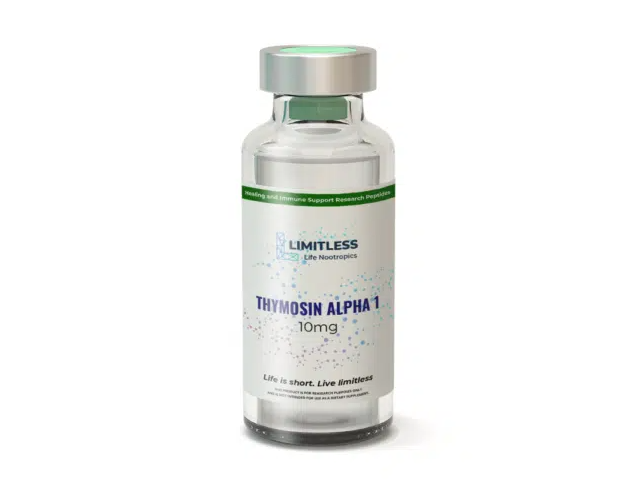
Disclosure: These are affiliate links. I earn a small commission if you purchase — at no extra cost to you. I only recommend products I personally use or have thoroughly researched.
Research & Studies
This section includes 6 peer-reviewed studies referenced in our analysis.