
- Reduces anxiety and stress without sedation
- Promotes relaxation and social ease
- Supports healthy stress response
- May improve sleep quality
I spent three months trying to “optimize” my anxiety with every adaptogen on the market before I finally tried kava. Why did I wait? Honestly, I’d read some scary headlines about liver damage and figured the risk wasn’t worth it.
Turns out, most of those headlines were based on products that used the wrong parts of the plant. When you understand the difference between traditional water-based kava preparations and the problematic alcohol/acetone extracts from the early 2000s, the picture changes dramatically.
If you’re looking for something that actually calms your nervous system without making you foggy or dependent, this guide will show you what the research says — and what I wish I’d known before wasting money on inferior products.
The Short Version: Kava (Piper methysticum) is a traditional Pacific Island plant that reduces anxiety by modulating GABA activity and blocking excitatory ion channels — not through the same pathways as benzodiazepines. Research supports doses of 250-3,000mg kavalactones daily for anxiety, stress, and sleep support. The key is using root-only preparations (avoiding aerial parts) and taking it consistently for 4-8 weeks.
What Is Piper methysticum? (More Than Just “Island Xanax”)
Kava is a plant native to the South Pacific islands, where it’s been used ceremonially and medicinally for over 3,000 years. The root is traditionally prepared as a water-based beverage that produces relaxation, social ease, and mild euphoria — without the cognitive impairment you’d get from alcohol or sedatives.
In Western markets, kava is extracted and standardized for its active compounds called kavalactones (also called kavapyrones). These are what produce kava’s anxiolytic and mood-enhancing effects. There are six major kavalactones, and the ratio between them determines whether a particular kava variety is more sedating, more uplifting, or balanced.
Here’s what most people miss: not all kava products are created equal. Traditional preparations use only the root and involve cold-water extraction. Some commercial products in the early 2000s used aerial parts (leaves and stems) and harsh solvents — and those are the ones linked to liver toxicity cases. This distinction matters.
How Does Piper methysticum Work? (A Different Path to Calm)
If you’ve ever wondered how kava can reduce anxiety without making you feel drugged, the answer is in its unique mechanism. It doesn’t work like benzodiazepines (which directly activate GABA receptors) or SSRIs (which increase serotonin). Instead, kava hits multiple targets simultaneously.
The plain-English version: Kava calms your nervous system by enhancing GABA activity (your brain’s “brake pedal”), reducing excitatory signals (blocking the “gas pedal”), and normalizing stress hormones. The result is relaxation without sedation, reduced anxiety without cognitive fog.
The science: Kavalactones modulate GABAergic transmission by increasing GABA receptor sensitivity and promoting GABA release — but they don’t directly bind to GABA receptors the way benzodiazepines do. This is why kava doesn’t produce the same tolerance, dependence, or withdrawal issues.
At the same time, kavalactones block voltage-gated sodium and calcium channels in neurons. This reduces excitatory neurotransmission — essentially turning down the volume on the signals that keep your nervous system revved up. Studies using electrophysiology have confirmed that kava reduces neuronal excitability in anxiety-related brain circuits.
Kava also modulates dopaminergic activity in the mesolimbic pathway (the reward/motivation system), which explains why people report feelings of well-being and social ease — not just absence of anxiety. Research shows increased dopamine release in the nucleus accumbens after kava administration, correlating with improved mood and reduced social inhibition.
Finally, kava appears to reduce excessive norepinephrine activity associated with the stress response. Clinical trials show normalized heart rate variability and reduced sympathetic nervous system reactivity in people taking kava regularly.
So what? This multi-target mechanism is why kava feels different from other anxiolytics. It’s not just suppressing your nervous system — it’s rebalancing it. You get the calm without the crash.
Benefits of Piper methysticum (What the Research Actually Shows)
The evidence for kava is strongest for anxiety — and not just “I feel a little less stressed” levels of improvement. We’re talking clinically significant reductions in anxiety symptoms comparable to prescription medications in some trials.
Anxiety Reduction (Strong Evidence)
A 2023 neuroimaging study published in Nutrients found that kava supplementation increased GABA concentrations in the dorsal anterior cingulate cortex — a brain region heavily implicated in anxiety disorders. Participants with generalized anxiety disorder showed significant symptom improvement after 8 weeks of kava use.
Another systematic review in Human Psychopharmacology analyzed multiple RCTs and concluded that kava significantly reduced anxiety symptoms compared to placebo, with effect sizes comparable to buspirone and opipramol (prescription anxiolytics).
The key detail: Most trials use 8-12 weeks of consistent dosing. This isn’t a “take it once and feel amazing” compound — though some people do notice acute effects. The real benefit builds over time.
Mood and Social Ease (Moderate Evidence)
A 2004 study in Human Psychopharmacology found that standardized kava extracts enhanced cognitive performance and produced “cheerful mood” in healthy participants. Users reported feeling more sociable, less inhibited, and more emotionally balanced.
This tracks with traditional use in the Pacific Islands, where kava is consumed in social settings to promote bonding and ease. The dopaminergic modulation likely plays a role here — you’re not just less anxious, you’re more engaged.
Sleep Quality (Moderate Evidence)
Kava isn’t a sedative in the traditional sense, but many users report improved sleep quality — particularly if anxiety is interfering with sleep. By reducing nighttime rumination and calming the nervous system, kava can make it easier to fall asleep and stay asleep.
There’s less formal research on kava for sleep specifically, but anecdotal reports and clinical observations suggest it’s most helpful for “wired and tired” types — people whose stress response won’t shut off at night.
Cognitive Effects (Mixed Evidence)
Here’s where things get interesting. Some studies show mild cognitive enhancement (improved attention and cheerful mood), while others — particularly those examining chronic, heavy traditional kava use — show potential negative effects on processing speed and visual attention.
A 2012 systematic review in Human Psychopharmacology concluded that moderate, short-term kava use doesn’t impair cognition and may even enhance certain aspects of attention. However, chronic high-dose use (common in traditional settings where people consume massive quantities daily) has been associated with subtle cognitive impairments.
A 2022 study on traditional kava users in Journal of Ethnopharmacology found that heavy daily use (far exceeding typical supplement doses) was associated with impaired visual attention and reaction time — though the authors noted these effects were less severe than alcohol and didn’t impact driver fitness in most cases.
The takeaway: At typical supplement doses (250-1,000mg kavalactones daily), cognitive impairment isn’t a concern for most people. But if you’re chugging multiple bowls of traditional kava every night, chronic use may have trade-offs.
Reality Check: Kava isn’t a cure-all, and the liver toxicity concerns — while overstated — aren’t entirely unfounded. The risk is primarily linked to products using aerial plant parts or harsh extraction methods. Stick with root-only, water-based extracts from reputable suppliers, and avoid using kava if you have pre-existing liver issues or take hepatotoxic medications.
How to Take Piper methysticum (Without Wasting Your Money)
The most common mistake people make with kava is expecting immediate, dramatic effects from a single dose. Some people do feel acute relaxation (especially from traditional preparations), but the research-backed benefits come from consistent use over weeks.
Dosage (Start Low, Build Slow)
| Use Case | Kavalactone Dosage | Timing | Notes |
|---|---|---|---|
| General stress support | 250-500mg | Evening | Start here to assess tolerance |
| Moderate anxiety | 500-1,000mg | Split AM/PM or evening only | Most common range in studies |
| Clinical anxiety | 1,000-3,000mg | Split 2-3x daily | Under medical guidance |
Important: Dosages refer to kavalactones, not total extract weight. A 500mg capsule of kava extract might only contain 150mg kavalactones (if it’s standardized to 30%). Always check the label for kavalactone content.
Forms and Bioavailability
Traditional preparation (micronized root powder or instant kava): This is the closest to how Pacific Islanders have used kava for millennia. You mix the powder with water or another liquid and drink it. It’s bitter, earthy, and produces a numbing sensation on your tongue (that’s the kavalactones working). This form often produces the most noticeable acute effects.
Capsules (standardized extract): Convenient and dosage-consistent. Look for products standardized to 30-70% kavalactones. These are better for daily supplementation when you don’t want to taste the root.
Tinctures (alcohol-based): Some people prefer liquid extracts, but be aware that alcohol extraction can pull different kavalactone ratios than water. Also, combining kava with alcohol is not recommended (see safety section).
Kava paste or resin: Highly concentrated kavalactones (often 50-80%). Small amounts pack a punch. This is for experienced users.
Timing and Food
Kava is traditionally taken on an empty stomach for maximum effect, but this can cause GI upset in some people. The research doses in most clinical trials are taken with food.
My recommendation: Start with food until you know how your stomach tolerates it, then experiment with empty-stomach dosing if you want stronger effects.
Kava is often taken in the evening due to its relaxing effects, but it’s not sedating for everyone. Some people use it during the day for social anxiety or work stress without drowsiness.
How Long Until It Works?
- Acute effects (traditional prep): 20-45 minutes. You’ll feel the relaxation, maybe some mild euphoria.
- Clinical benefits (capsules/extracts): 4-8 weeks of consistent use. Studies showing significant anxiety reduction typically run 8-12 weeks.
Pro Tip: If you’re new to kava, try a traditional preparation (instant kava mixed into coconut milk or almond milk) first. The immediate feedback will help you understand what kava feels like, and then you can switch to capsules for daily maintenance if that’s more convenient.
Cycling
There’s debate about whether kava needs to be cycled. Traditional users consume it daily for years without issue, but Western supplement users often cycle it (e.g., 5 days on, 2 days off, or 8 weeks on, 2 weeks off) to avoid potential tolerance or liver stress.
Given the liver toxicity concerns (even if overstated), cycling seems like a reasonable precaution unless you’re working with a healthcare provider who’s monitoring liver enzymes.
Side Effects & Safety (What Could Go Wrong)
Kava is generally well-tolerated at typical doses, but it’s not side-effect-free — and the liver toxicity issue, while often misunderstood, is real enough that you need to be informed.
Common Side Effects
- Mild GI upset (nausea, stomach discomfort) — especially on an empty stomach. Taking with food usually fixes this.
- Drowsiness — some people find kava sedating, especially at higher doses or with certain strains. Don’t drive or operate machinery until you know how you respond.
- Kava dermopathy — a dry, scaly skin rash that can develop with chronic, heavy use. It’s reversible when you stop, but it’s a sign you’re overdoing it. This is rare at supplement doses but common in traditional heavy users.
- Mild dizziness or headache — usually transient and dose-dependent.
Liver Toxicity (The Real Story)
In the early 2000s, several cases of severe liver damage were linked to kava products, leading to bans in some countries. Most of those cases involved products using aerial parts (leaves and stems, which contain hepatotoxic alkaloids) or harsh solvent extractions.
Traditional root-only, water-based preparations have been used safely for millennia. Modern root-only extracts, when used appropriately, carry much lower risk.
That said: If you have pre-existing liver disease, take hepatotoxic medications, or consume alcohol regularly, kava is not a good choice. Even with quality products, there’s a small subset of people who may have idiosyncratic reactions.
Who Should Avoid Kava
- Pregnant or nursing women (insufficient safety data)
- People with liver disease or elevated liver enzymes
- People taking hepatotoxic medications (see table below)
- People with Parkinson’s disease (dopamine modulation may worsen symptoms)
- Anyone undergoing surgery within 2 weeks (kava may affect anesthesia)
Drug Interactions
| Medication/Substance | Interaction Type | Risk Level | Notes |
|---|---|---|---|
| Alcohol | CNS depression + hepatotoxicity | High | Do not combine — significantly increases liver stress |
| Benzodiazepines (Xanax, Valium, etc.) | Additive GABAergic effects | Moderate-High | Can cause excessive sedation; consult physician |
| SSRIs/SNRIs | Possible serotonergic interaction | Low-Moderate | Limited evidence, but monitor for unusual symptoms |
| Acetaminophen (Tylenol) | Hepatotoxicity | Moderate | Both metabolized by liver; avoid regular combined use |
| Anticonvulsants (Phenytoin, etc.) | Additive CNS depression | Moderate | May increase sedation or affect seizure control |
| Anesthetics | Potentiation of sedative effects | Moderate | Discontinue 2 weeks before surgery |
| Levodopa (Parkinson’s meds) | Dopamine antagonism | Moderate | May reduce medication effectiveness |
Important: If you’re on any prescription medication that affects the liver, CNS, or neurotransmitter systems, talk to your doctor before using kava. This isn’t “CYA” legal language — there are real interaction risks.
Stacking Piper methysticum (The Combinations That Actually Work)
Kava plays well with certain compounds and terribly with others. The key is understanding what you’re trying to achieve and not overloading your system with redundant mechanisms.
For Stress & Relaxation (Evening Wind-Down Stack)
- 300-500mg kava (kavalactones) + 200mg L-Theanine + 400mg Magnesium Glycinate — 1-2 hours before bed
- Why it works: L-Theanine enhances alpha brain waves (calm focus), magnesium supports GABAergic activity and muscle relaxation, and kava addresses the autonomic nervous system. This combination promotes deep relaxation without knockout sedation.
For Social Anxiety (Pre-Social Stack)
- 250-500mg kava + 100mg L-Theanine + 500mg L-Tyrosine — 45-60 minutes before social situations
- Why it works: Kava reduces anxiety and social inhibition, L-Theanine smooths out any jitters, and L-Tyrosine supports dopamine production for confidence and verbal fluency. This is the “feel like yourself, but better” stack.
For Mood Support (Daily Maintenance Stack)
- 300-600mg kava (split AM/PM) + 300mg Bacopa Monnieri + 300mg Ashwagandha — taken consistently for 8+ weeks
- Why it works: All three compounds modulate stress response systems and have research backing for anxiety and mood. Bacopa adds cognitive support, Ashwagandha helps normalize cortisol, and kava provides the acute anxiolytic effect. This is a long-term rebalancing stack, not a quick fix.
What NOT to Stack with Kava
- Alcohol — Absolutely do not combine. Both are metabolized by the liver, and the combination significantly increases hepatotoxicity risk and CNS depression.
- Benzodiazepines — Additive GABAergic effects can cause dangerous sedation. If you’re tapering off benzos, work with a doctor — don’t substitute kava without medical supervision.
- Other sedatives — Phenibut, high-dose valerian, or prescription sleep meds should not be combined with kava without professional guidance.
- Stimulants — Mixing kava with high doses of caffeine or stronger stimulants creates a “push-pull” effect that’s unpleasant for most people. Low-dose caffeine (under 100mg) is usually fine.
| Stack Type | Compounds | Dosage | Synergy Mechanism |
|---|---|---|---|
| Evening Relaxation | Kava + L-Theanine + Magnesium | 300-500mg + 200mg + 400mg | GABAergic + autonomic calming + muscle relaxation |
| Social Confidence | Kava + L-Theanine + L-Tyrosine | 250-500mg + 100mg + 500mg | Anxiolytic + dopamine support + calm focus |
| Long-Term Mood | Kava + Bacopa + Ashwagandha | 300-600mg + 300mg + 300mg | Multi-target stress adaptation + cognitive support |
My Take (Is Kava Worth It?)
I was skeptical of kava for a long time because of the liver toxicity headlines. Once I dug into the actual research and understood the difference between traditional root preparations and the problematic extracts from the early 2000s, I gave it a shot.
For me, kava is the single most effective anxiolytic I’ve used that doesn’t come with tolerance, dependence, or next-day grogginess. It’s not subtle — you feel it — but it’s not impairing either. It’s the difference between “I’m on something” and “I feel like the best version of myself.”
The first time I tried traditional kava (micronized root mixed into coconut milk), I understood why Pacific Islanders have used this stuff for thousands of years. The tongue-numbing sensation is weird, the taste is earthy and bitter, but the effect is undeniable — a warm, calm, socially open feeling without cognitive fog.
Who kava is best for:
- People with generalized anxiety who want an alternative to prescription meds
- People with social anxiety who need something that works acutely before social situations
- People whose stress response won’t shut off at night (the “wired and tired” phenotype)
- People looking for a non-addictive, non-tolerance-building anxiolytic for occasional or regular use
Who should try something else:
- Anyone with liver issues or taking hepatotoxic meds — try L-Theanine + Magnesium Glycinate + Ashwagandha instead
- People who need cognitive enhancement more than anxiety reduction — try Bacopa Monnieri or Lion’s Mane
- People on benzodiazepines — don’t mix GABAergic compounds without medical supervision
The bottom line: Kava works, and it works well. But you need to be smart about sourcing (root-only, reputable brands), dosing (start low, build slow), and safety (avoid alcohol, monitor liver health if you’re using it long-term). If you’re willing to do your homework and respect the compound, kava can be a game-changer for anxiety and stress management.
Recommended Kava Products
I know how frustrating it is to sort through dozens of brands making the same claims. These are the ones I've personally vetted — because quality is the difference between results and wasted money.
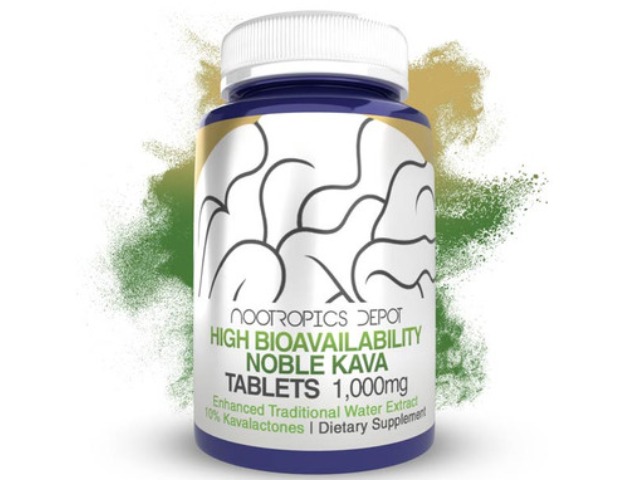
Disclosure: These are affiliate links. I earn a small commission if you purchase — at no extra cost to you. I only recommend products I personally use or have thoroughly researched.
Research & Studies
This section includes 9 peer-reviewed studies referenced in our analysis.