
- Energy and motivation at low doses
- Mood elevation and stress relief
- Pain management
- Opioid withdrawal support
I’ll be honest — kratom is the substance I’ve gotten more emails about than almost anything else on this site. And those emails couldn’t be more different from each other. Half are from people saying it saved their life. The other half are from people warning me not to touch it.
After years of researching this plant, talking to pharmacologists, reading the clinical literature, and yes — trying it myself — I’ve come to a conclusion that will probably annoy both camps: kratom is neither the miracle herb nor the deadly menace. It’s a pharmacologically complex botanical that deserves a far more nuanced conversation than it usually gets.
The Short Version: Kratom (Mitragyna speciosa) is a Southeast Asian plant with dose-dependent effects — stimulating at low doses, sedating and analgesic at higher ones. It has legitimate applications for energy, mood, and pain management, but the “cognitive enhancer” marketing is overblown. Quality control issues are rampant, drug interactions are significant, and dependence is a real risk with chronic use. This is a powerful tool that demands respect.
What Is Kratom?
Kratom (Mitragyna speciosa) is an evergreen tree in the coffee family (Rubiaceae) native to Southeast Asia — primarily Thailand, Malaysia, Indonesia, and Papua New Guinea. Workers in these regions have chewed the leaves for centuries to combat fatigue during long labor days, in much the same way South Americans have traditionally used coca leaves.
The plant contains over 40 structurally related alkaloids, but two do the heavy lifting: mitragynine (which makes up roughly 66% of the alkaloid content) and 7-hydroxymitragynine (present in tiny amounts but significantly more potent). These alkaloids interact with your opioid receptors — but in a fundamentally different way than classical opioids like morphine. More on that in a moment, because the distinction matters enormously.
In the U.S., kratom exists in a regulatory gray zone. It’s legal federally but banned or restricted in several states and municipalities. The FDA has repeatedly warned against its use, while advocacy groups point to its relatively low fatality profile compared to prescription opioids. The American Kratom Association has pushed for regulation rather than prohibition, advocating for the Kratom Consumer Protection Act — legislation that establishes quality standards without an outright ban.
Here’s what matters for you: kratom is widely available, widely used, and widely misunderstood. Whether you’re considering it for energy, mood, pain, or opioid withdrawal support, you deserve better information than the polarized noise that dominates this conversation.
How Does Kratom Work?
This is where kratom gets genuinely fascinating — and where the “it’s just an herbal opioid” narrative falls apart completely.
The plain-English version: Kratom talks to multiple receptor systems in your brain simultaneously. At low doses, it primarily acts like a stimulant — boosting energy, alertness, and sociability. At higher doses, the opioid-like effects take over — pain relief, sedation, and euphoria. This biphasic dose-response is not a quirk. It’s baked into the pharmacology.
The science: Mitragynine is a partial agonist at the mu-opioid receptor. That word “partial” is doing a lot of work in that sentence. Full agonists like morphine and fentanyl activate the receptor completely, which is what produces both their powerful pain relief and their dangerous respiratory depression. Mitragynine, by contrast, activates the receptor’s G-protein signaling pathway (the part responsible for pain relief) without significantly recruiting beta-arrestin-2 — the pathway most associated with respiratory depression, severe constipation, and the escalating tolerance that drives dose increases.
This is called biased agonism, and it’s not just pharmacological trivia. It’s the reason pharmaceutical companies have spent billions trying to develop synthetic biased opioid agonists. Kratom’s main alkaloid does this naturally.
But kratom isn’t just hitting opioid receptors. Mitragynine also interacts with:
- Alpha-2 adrenergic receptors — which explains the stimulant effects at low doses
- Serotonin receptors (5-HT2A) — contributing to mood elevation
- Dopamine receptors — involved in motivation and reward
- Adenosine receptors — likely contributing to the energizing effects (similar to caffeine, its botanical cousin)
So what does this mean practically? It means kratom’s effects are genuinely dose-dependent in a way that most substances aren’t. A 2-gram dose and an 8-gram dose aren’t just “more and less of the same thing” — they’re activating fundamentally different receptor profiles. This is why strain marketing (“red vein for relaxation, white vein for energy”) is mostly nonsense. The dose you take matters far more than the color of the label.
Reality Check: Despite some preclinical studies showing cognitive enhancement in animal models, human research actually points in the opposite direction. Chronic kratom users in multiple studies have shown impairments in memory tasks compared to non-users. If you’re looking for a nootropic in the traditional sense — something to sharpen focus and memory — kratom is not your best bet. Its strengths lie elsewhere.
Benefits of Kratom
Let me be straight with you about what the evidence actually supports and where the marketing gets ahead of the science.
| Benefit | Evidence Quality | Key Findings |
|---|---|---|
| Energy & motivation (low dose) | Moderate (traditional use + user surveys) | Consistent reports across centuries of traditional use and modern survey data |
| Mood elevation | Moderate (preclinical + surveys) | Serotonergic and dopaminergic activity well-established in pharmacological studies |
| Pain management | Moderate-Strong (preclinical + growing clinical) | Biased mu-agonism provides analgesia with reduced respiratory depression risk |
| Opioid withdrawal support | Moderate (observational + case series) | Multiple survey studies show self-reported effectiveness; clinical trials underway |
| Cognitive enhancement | Weak (preclinical only) | Animal studies show promise, but human data shows chronic use impairs memory |
Energy and motivation — This is kratom’s most well-supported traditional use, and it tracks with the pharmacology. At doses of 1-3 grams, the adrenergic and dopaminergic activity produces a clean, focused energy that many users compare to a strong cup of coffee without the jitters. A 2017 survey study in the Journal of Psychoactive Drugs found that 91% of users reported increased energy as a primary effect.
Mood elevation and stress relief — The multi-receptor profile — particularly the serotonergic and dopaminergic activity combined with mild opioid receptor engagement — creates what many users describe as a sense of well-being and reduced anxiety. A 2018 study published in Drug and Alcohol Dependence surveyed over 8,000 kratom users and found that mood enhancement was the second most commonly reported benefit.
Pain management — This is where the biased agonism story gets clinically relevant. Kratom provides meaningful pain relief through its partial mu-opioid activation, but the G-protein-biased signaling means the respiratory depression risk is significantly lower than with full opioid agonists. A 2020 study in Journal of Medicinal Chemistry demonstrated that mitragynine’s analgesic effects were comparable to morphine in animal models at equivalent doses, with markedly less respiratory depression.
Opioid withdrawal support — Perhaps the most consequential application. Numerous survey studies report that people use kratom to self-manage opioid withdrawal, and the pharmacological rationale is sound — partial mu-agonism can ease withdrawal symptoms without producing the same degree of dependence. However, I want to be clear: this should ideally be done under medical supervision, and kratom itself can produce dependence with regular use.
Important: The “cognitive enhancement” claims you’ll see in kratom marketing are not supported by human evidence. While animal studies with mitragynine have shown improvements in learning and memory tasks, multiple studies of chronic human kratom users — including a 2015 study in Drug and Alcohol Dependence and a 2019 study in the Journal of Psychopharmacology — have demonstrated impairments in cognitive flexibility and memory. If brain performance is your primary goal, look at Bacopa Monnieri, Lion’s Mane, or Citicoline instead.
How to Take Kratom
Kratom dosing is not one-size-fits-all. The biphasic dose-response means that the dose you choose fundamentally changes what the substance does. Here’s how to approach it intelligently.
Dosage by Desired Effect
| Effect Profile | Dose Range | Onset | Duration | Best For |
|---|---|---|---|---|
| Stimulant / energizing | 1–3g | 15–20 min | 2–3 hours | Productivity, social energy, mild mood lift |
| Moderate analgesic / mood | 3–5g | 20–30 min | 3–5 hours | Moderate pain, anxiety relief, well-being |
| Strong analgesic / sedating | 5–8g | 30–45 min | 4–6 hours | Significant pain, opioid withdrawal, sleep |
Forms and Bioavailability
- Dried leaf powder — The most common form. Versatile (toss-and-wash, capsules, tea). Full alkaloid profile intact. Taste is bitter and unpleasant.
- Capsules — Same as powder, just pre-measured. Convenient but slower onset due to capsule dissolution.
- Tea/decoction — Traditional preparation. Faster onset, possibly slightly different alkaloid extraction profile. Some alkaloids may degrade at high temperatures.
- Enhanced extracts — Concentrated products with elevated alkaloid content. Much easier to take too much. Not recommended for beginners.
- 7-hydroxymitragynine products — A distinct and higher-risk category. Synthetic 7-OH products are increasingly available and significantly more potent. The FDA recommended scheduling synthetic 7-OH in July 2025, and for good reason — these are not equivalent to whole-leaf kratom.
Starting Protocol
- Begin with 1–1.5g of plain leaf powder (not extract)
- Wait 45 minutes before assessing effects — onset can be slow on a full stomach
- Take on a light stomach for faster, more predictable absorption
- Don’t redose on day one — assess what that single dose does before adding more
- Increase by 0.5g per session until you find your effective dose
- Keep a log — track dose, timing, effects, and any side effects
Cycling to Prevent Tolerance
- Don’t use daily if you can help it. 2–3 times per week is the sweet spot for maintaining effectiveness.
- Take breaks — one week off per month minimum
- Rotate strains — while the color marketing is overblown, different batches do have varying alkaloid ratios. Rotating may help slow tolerance development.
- Magnesium supplementation — Magnesium (particularly glycinate or threonate) may help attenuate tolerance development via NMDA receptor modulation. 200–400mg on off-days is a common protocol.
Pro Tip: The single biggest mistake I see people make with kratom is chasing the initial effect by escalating their dose. If 2 grams worked great last month and now you need 4 grams, the answer isn’t “take 6 grams next week.” The answer is a tolerance break. Escalating doses is the fastest path to dependence and diminished returns.
Side Effects and Safety
I’m not going to sugarcoat this section. Kratom is pharmacologically active at multiple receptor sites, and that means it comes with real risks that you need to understand.
Common Side Effects
- Nausea and vomiting — the most common adverse effect, especially at higher doses or in new users
- Constipation — opioid receptor activation slows gut motility (less severe than with full agonists, but still present)
- Dizziness and “wobbles” — a characteristic kratom side effect involving visual disturbance and unsteadiness, usually from taking too much
- Dry mouth
- Appetite suppression
- Irritability or mood swings — particularly during withdrawal after chronic use
Dependence and Withdrawal
With regular daily use, particularly at higher doses, kratom produces physical dependence. Withdrawal symptoms include:
- Muscle aches and restlessness
- Insomnia
- Irritability and anxiety
- Sweating and runny nose
- Nausea and diarrhea
These symptoms are generally milder than withdrawal from full opioid agonists, but they’re real and uncomfortable. The risk increases significantly with doses above 5g taken daily for more than 2–3 weeks.
Drug Interactions — This Is Critical
Kratom’s alkaloids are potent inhibitors of several cytochrome P450 enzymes, specifically CYP2D6, CYP3A4, and CYP2C9. These three enzyme systems collectively metabolize approximately 25% of all clinically used medications. This is not a minor footnote — it’s a major safety consideration.
Medications with significant interaction risk include:
- SSRIs and SNRIs (fluoxetine, venlafaxine, etc.) — serotonin syndrome risk
- Benzodiazepines — enhanced sedation and respiratory depression
- Opioid medications — compounded respiratory depression risk
- Blood thinners (warfarin) — CYP2C9 inhibition can increase bleeding risk
- Antipsychotics — many are CYP2D6 substrates
- Certain statins — CYP3A4 interactions
- Tramadol — particularly dangerous combination (seizure risk + serotonin syndrome)
Important: If you take ANY prescription medication, talk to your doctor or pharmacist before using kratom. The CYP enzyme inhibition profile is broad enough that interactions with common medications are not theoretical — they’re probable. This is especially critical for people on SSRIs, blood thinners, or any opioid medications.
Quality Control: The Hidden Risk
Here’s something that doesn’t get enough attention: the difference between GMP-compliant kratom products and non-GMP products is staggering. Testing has found contamination with:
- Heavy metals (lead, mercury, arsenic) — some products exceeded safe limits by 10x or more
- Salmonella and other pathogens — the FDA linked a 2018 salmonella outbreak to contaminated kratom
- Adulterants — some products have been found adulterated with synthetic opioids, prescription medications, or elevated levels of 7-hydroxymitragynine
Always purchase from vendors who provide:
- Third-party certificate of analysis (COA) for every batch
- GMP compliance certification
- Heavy metal, microbial, and alkaloid content testing
This is not optional. The single most effective harm reduction step you can take with kratom is buying from a reputable, tested source.
Stacking Kratom
Kratom’s multi-receptor pharmacology means stacking requires more caution than most botanicals. Here’s what works and what to avoid.
Synergistic Combinations
- Kratom + Magnesium Glycinate (200–400mg) — may slow tolerance development and reduce constipation. A foundational pairing for anyone using kratom regularly.
- Kratom + Turmeric/Curcumin (500mg with piperine) — some users report potentiation of effects, possibly through CYP enzyme interactions. Start with a lower kratom dose if adding curcumin.
- Kratom + L-Theanine (200mg) — can smooth out the stimulant edge at lower kratom doses without reducing energy. A good pairing for social situations.
- Kratom + Agmatine Sulfate (500–1000mg) — frequently reported to help maintain kratom’s effectiveness by modulating NMDA receptors. Take agmatine 30 minutes before kratom.
What to Avoid
- Kratom + any opioid medication — compounded respiratory depression risk
- Kratom + benzodiazepines or alcohol — dangerous sedation and respiratory risk
- Kratom + SSRIs/SNRIs — serotonin syndrome risk from combined serotonergic activity
- Kratom + stimulants (high-dose caffeine, amphetamines) — cardiovascular strain from opposing receptor activation
- Kratom + other CYP2D6/CYP3A4 inhibitors (grapefruit juice, certain supplements) — unpredictable potentiation
Insider Tip: If you’re using kratom for energy at low doses and want to enhance the focus component, L-Theanine at 200mg is a much better complement than adding more kratom. It targets the attention aspect without pushing you toward the sedating dose range.
My Take
I’ve tried kratom. I’ve experienced the clean low-dose energy that makes a productive afternoon feel effortless. I’ve also felt the nausea from taking half a gram too much. And I’ve watched people in my community struggle with dependence after what started as “just a couple times a week.”
Here’s my honest assessment: kratom is a powerful and legitimate tool for specific situations. It is not a daily nootropic, and anyone marketing it that way is doing you a disservice.
Who this is genuinely good for:
- People dealing with chronic pain who want to reduce opioid medication use (with medical supervision)
- People needing occasional energy and mood support who respond poorly to caffeine
- People managing opioid withdrawal (ideally under medical guidance)
- Manual laborers or people with physically demanding jobs who need occasional relief
Who should look elsewhere:
- People seeking cognitive enhancement — Bacopa, Lion’s Mane, and Citicoline are far better choices
- People with a history of substance use disorder (unless under close medical supervision)
- Anyone on SSRIs, benzodiazepines, or opioid medications
- People looking for a daily supplement — the tolerance and dependence profile makes daily use a bad strategy
The pharmacology is genuinely interesting — that biased agonism at the mu-opioid receptor is no small thing, and it’s why I think blanket prohibition is misguided. But interesting pharmacology and “good idea for me to take regularly” are very different things.
If you do try kratom, do it right: buy tested products from GMP-compliant vendors, start at 1–1.5 grams, don’t use it daily, and respect the tolerance signals your body sends you. And for the love of your liver enzymes, check your medications for CYP interactions first.
This plant deserves more nuance than it gets from either its biggest fans or its loudest critics. I hope this guide gives you the information to make a smart, informed decision for yourself.
Recommended Kratom Products
I know how frustrating it is to sort through dozens of brands making the same claims. These are the ones I've personally vetted — because quality is the difference between results and wasted money.
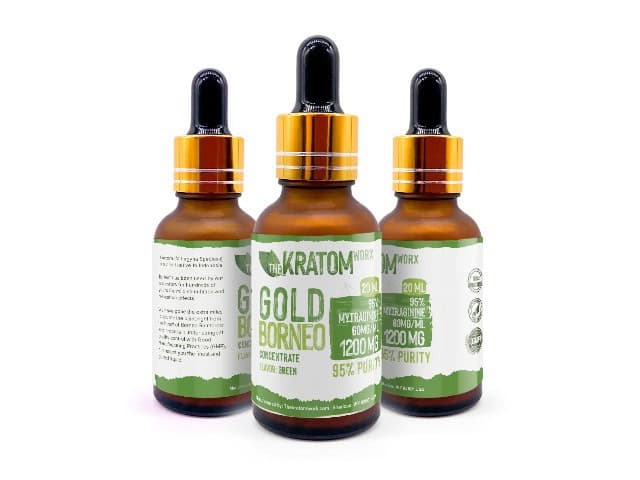
Gold Borneo Kratom Extract by Research Chemical Depot
Shop Now →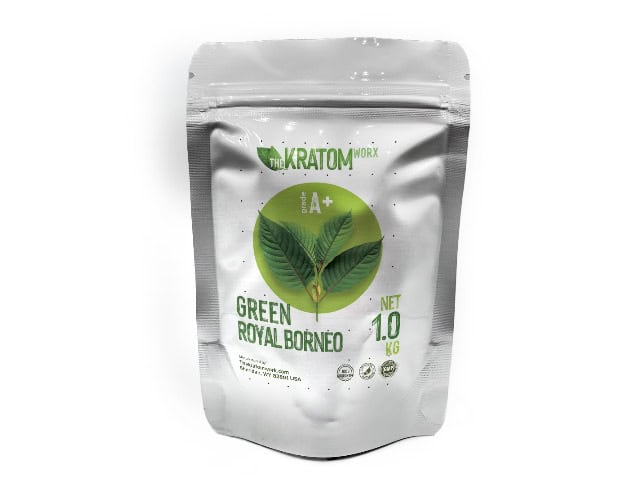
Green Royal Borneo Kratom Powder by Research Chemical Depot
Shop Now →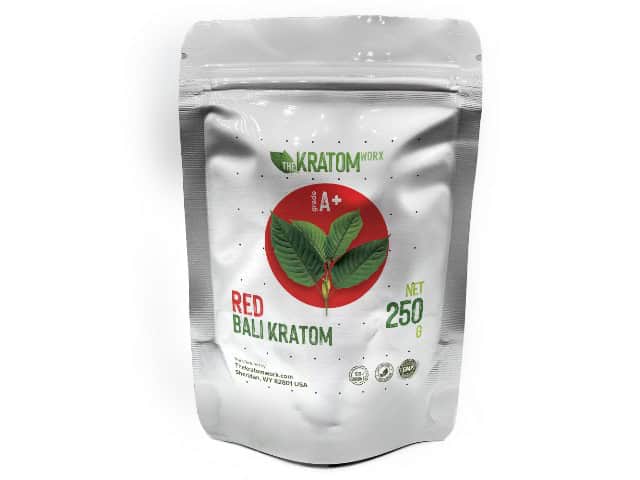
Red Bali Kratom Powder by Research Chemical Depot
Shop Now →Disclosure: These are affiliate links. I earn a small commission if you purchase — at no extra cost to you. I only recommend products I personally use or have thoroughly researched.
Research & Studies
This section includes 9 peer-reviewed studies referenced in our analysis.