
- Elevates NAD+ levels systemically and in the brain
- Supports mitochondrial function and cellular energy production
- May reduce Alzheimer's disease biomarkers (pTau217)
- Activates sirtuins for DNA repair and metabolic regulation
- May slow epigenetic aging
- Supports cardiovascular health
I remember the exact moment I started taking NAD+ seriously. I was reading a study showing that by the time you hit 60, your body has lost roughly half the NAD+ it had at 40 — and this single molecule is involved in over 500 reactions that keep your cells running. Five hundred. That’s not a minor player. That’s the engine of cellular life quietly sputtering out.
It was one of those “well, that explains a lot” moments. The afternoon brain fog. The slower recovery. The creeping sense that something fundamental was winding down. I started digging into NAD+ precursors, and Nicotinamide Riboside kept coming up as the most researched, most accessible way to push those levels back up.
The Short Version: Nicotinamide Riboside (NR) is a form of vitamin B3 that your body converts into NAD+, a coenzyme essential for energy production, DNA repair, and healthy aging. Human trials consistently show it doubles or triples blood NAD+ levels, and a 2024 study confirmed it reaches the brain. Cognitive benefits are promising but unproven in short-term trials — NR is best viewed as long-term cellular maintenance, not an instant focus pill. Doses of 250–1000mg daily are well-studied and safe.
What Is Nicotinamide Riboside?
Nicotinamide Riboside is a naturally occurring form of vitamin B3 — a cousin of niacin and niacinamide, but with a critical difference in how your body uses it. Structurally, it’s nicotinamide bonded to a ribose sugar, and your cells convert it into NAD+ through a remarkably efficient two-step pathway.
You’ll find trace amounts of NR in milk, yeast, and beer, but we’re talking vanishingly small quantities — nowhere near what supplementation delivers. The compound was first identified in 1944 as a growth factor for bacteria, but it wasn’t until 2004 that Dr. Charles Brenner at Dartmouth discovered it was a previously unknown NAD+ precursor in yeast. That discovery kicked off two decades of research into what’s now one of the most studied longevity compounds on the market.
The commercial form — nicotinamide riboside chloride, trademarked as Niagen — received FDA GRAS status in 2016. ChromaDex, the company behind Niagen, holds over 80 patents related to NR. That matters for quality control reasons I’ll get into later, because the NR supplement market has a serious counterfeiting problem.
Here’s the foundational thing to understand: NR isn’t a nootropic in the traditional sense. It’s not going to hit you like caffeine or give you the acute focus boost of something like Alpha-GPC. Instead, it’s rebuilding the infrastructure your brain and body need to function well — like upgrading the power grid instead of plugging in another lamp.
How Does Nicotinamide Riboside Work?
Think of NAD+ as the universal currency your cells use to get anything done. Energy production, DNA repair, turning genes on and off, managing inflammation — all of it runs on NAD+. And your body is slowly going broke.
Here’s the mechanism: NR enters your cells through nucleoside transporters, where enzymes called NR kinases (NRK1 and NRK2) convert it into nicotinamide mononucleotide (NMN). Another set of enzymes then converts NMN into NAD+. This is called the salvage pathway, and it produces roughly 85% of your body’s total NAD+ supply.
What makes this interesting for brain health is what NAD+ actually does once levels are restored. It fuels three critical systems:
Sirtuins — a family of seven enzymes (SIRT1-7) that act as master regulators of metabolism, stress response, and DNA repair. SIRT1 in particular is sometimes called the “longevity gene.” These enzymes are completely dependent on NAD+ to function. More NAD+ means more sirtuin activity. Period.
PARPs — your DNA repair crew. Every time a strand of DNA breaks (which happens thousands of times daily), PARP enzymes rush in to fix it, burning through NAD+ in the process. As you age and DNA damage accumulates, PARPs consume more and more NAD+, leaving less for everything else.
CD38 — and here’s the villain of the story. CD38 is an enzyme whose expression increases with age and chronic inflammation. It’s now recognized as the major driver of age-related NAD+ decline — it literally chews through your NAD+ faster than your body can make it. This is why NAD+ drops so dramatically with age. It’s not just slowing production — something is actively destroying it.
So what does this mean practically? A 2024 study at the University of Pennsylvania confirmed that a single 900mg dose of NR significantly increased NAD+ levels in the human brain, measured via high-field MRI spectroscopy. That’s not a blood test extrapolation — they directly measured more NAD+ in brain tissue. That finding matters because it proves NR doesn’t just raise a number on a lab panel. It reaches the organ you actually care about.
Insider Tip: Recent research suggests NR is partly converted by your gut bacteria into a different compound (nicotinic acid mononucleotide) before entering the NAD+ pathway. This means gut health may influence how well NR works for you — another reason to get your foundational health in order before stacking supplements.
Benefits of Nicotinamide Riboside
Let me be straight with you about what the evidence actually shows, because this is where a lot of NR marketing gets ahead of the science.
What’s Well-Proven
NAD+ elevation is the slam dunk. Every human trial testing NR has confirmed it raises NAD+ levels — reliably, dose-dependently, and significantly. At 1000mg daily, you’re looking at roughly 2–3x increases in blood NAD+ within a few weeks. The NR-SAFE trial pushed doses up to 3000mg per day and found it safe with no moderate or severe adverse events. This is the strongest evidence base of any NAD+ precursor.
What’s Genuinely Promising
Alzheimer’s biomarkers. An RCT in older adults with subjective cognitive decline or mild cognitive impairment found that NR at 1000mg daily for 8 weeks reduced plasma pTau217 — one of the most reliable Alzheimer’s biomarkers — by 7%, while the placebo group saw an 18% increase. That’s a meaningful separation, and it got the research community’s attention.
Epigenetic age. A pilot trial in MCI patients showed NR modestly reduced biological age as measured by the PhenoAge and GrimAge clocks — the most validated epigenetic aging tests we have. Small sample, but directionally exciting.
Cardiovascular support. The NICE trial in 2024 tested NR in peripheral artery disease patients and found improved vascular parameters. This aligns with NAD+‘s known role in endothelial function.
Combination therapy for Alzheimer’s. A Phase II trial combining NR (1g) with L-Carnitine, NAC, and L-serine showed a striking 29% improvement in cognitive scores for Alzheimer’s patients, with MRI-confirmed hippocampal changes. The combination approach may be where NR’s cognitive potential really shines.
The Honest Limitations
Reality Check: Here’s what the NR marketing won’t tell you — multiple randomized controlled trials have found that NR alone does NOT significantly improve cognitive test scores versus placebo. Not in MCI patients. Not in long-COVID patients with brain fog. The biomarker changes are promising, but if you’re taking NR expecting to feel sharper next week, you’re likely going to be disappointed. This may be a compound whose real benefits only become apparent over years, not weeks.
A long-COVID trial using 2000mg daily for 20 weeks found no significant improvements in cognition, fatigue, sleep, or mood in the primary analysis. Exploratory analyses hinted at benefits after 10+ weeks, but those need confirmation in larger trials.
The gap between “reliably raises NAD+” and “makes you think better” is real. NR may be doing important work under the hood — repairing DNA, supporting mitochondria, fighting cellular senescence — without producing subjective effects you can feel. That’s a harder sell, but it may be the honest truth.
How to Take Nicotinamide Riboside
Dosage ranges from clinical trials:
- 250–300mg daily — Minimum effective dose for measurable NAD+ elevation. Good starting point.
- 500–1000mg daily — The sweet spot for most people. This is where the majority of clinical trials operate, with robust 2–3x NAD+ increases.
- 1000mg daily — Most studied dose for cognitive and aging-related outcomes.
- 2000mg daily — Used in longer therapeutic trials. Safe but not clearly more effective than 1000mg for most goals.
Timing matters. Take NR with food to improve absorption. Morning dosing is generally preferred — some users report an energy boost that can interfere with sleep if taken in the evening. If you’re taking 1000mg or more, splitting into two doses (morning and midday) can reduce any GI discomfort.
Forms available:
- Nicotinamide Riboside Chloride (Niagen) — The standard, patented form used in virtually all clinical research. This is what you want.
- Liposomal NR — Marketed as higher bioavailability, but there’s limited head-to-head data proving this matters.
- IV NR — ChromaDex launched a pharmaceutical-grade injectable in 2024. Faster NAD+ elevation, but dramatically more expensive and not necessary for most people.
How long to assess: NAD+ increases within hours of your first dose, but blood levels stabilize over 2–4 weeks of daily use. Give it a full 8–12 weeks before evaluating subjective effects, as the cellular repair processes NR supports are gradual.
Pro Tip: Start at 250mg for the first week and work up to your target dose. Not because higher doses are dangerous — they’re well-tolerated — but because your body’s NAD+ metabolism needs to adjust, and some people experience mild nausea or headaches when they jump straight to 1000mg.
Side Effects & Safety
NR has one of the cleanest safety profiles in the supplement world. The NR-SAFE trial tested doses up to 3000mg daily for 30 days with no moderate or severe adverse events. That’s a high bar.
What you might experience:
- Mild nausea (most common, usually resolves within a week)
- Bloating or stomach discomfort
- Headache
- Temporary fatigue (paradoxical but passes quickly)
- Slight skin flushing or itching — but notably, NR does NOT cause the classic “niacin flush” that makes regular niacin so unpleasant
Important: If you have active cancer or a cancer history, talk to your oncologist before taking NR. NAD+ supports all rapidly dividing cells — including potentially cancerous ones. This isn’t proven to be harmful, but the theoretical concern is real enough to warrant a conversation. Similarly, consult your doctor if you have liver disease or take blood pressure medications, as NR may modestly lower blood pressure.
Drug interactions to watch:
- Blood pressure medications (additive hypotensive effect)
- Chemotherapy agents (NAD+ influences DNA repair pathways)
- Clinical interaction studies are limited, so disclose NR use to your prescribing physician
Pregnancy and nursing: Limited data suggests doses up to 230mg daily may be safe during pregnancy, but there isn’t enough evidence to recommend higher doses. Default to caution and consult your OB-GYN.
Stacking Nicotinamide Riboside
NR’s mechanism — fueling NAD+ for sirtuins, PARPs, and mitochondrial function — creates natural synergies with compounds that either activate the same pathways or protect NAD+ from degradation.
NR + Pterostilbene — This is the most researched stack. Pterostilbene (a more bioavailable cousin of resveratrol) activates SIRT1, while NR provides the NAD+ fuel sirtuins need to function. An RCT showed the combination increased NAD+ by 40–90% depending on dose. It’s sold commercially as Elysium Basis.
NR + Apigenin or Quercetin — These flavonoids inhibit CD38, the enzyme that destroys NAD+ with age. Think of it this way: NR fills the tank while CD38 inhibitors plug the leak. Theoretically, this combination could be more effective than NR alone.
NR + CoQ10/Ubiquinol — Both support the mitochondrial electron transport chain. NR boosts NAD+ (which feeds Complex I), while CoQ10 operates at a different point in the chain. Complementary, not redundant.
NR + TMG (Trimethylglycine) — There’s been concern that NR’s metabolism depletes methyl donors. TMG replenishes them. However, the NR-SAFE trial at 3000mg/day found no methyl donor depletion, so this may be less critical than previously thought. Still, at higher doses or for people with MTHFR variants, it’s reasonable insurance.
What to avoid:
- NR + high-dose niacin — Redundant B3 loading via different pathways. Unnecessary stress on methylation.
- NR + heavy alcohol use — Alcohol actively depletes NAD+ and competes for the same metabolic machinery. You’d be running on a treadmill.
My Take
I’ll be honest — NR is a supplement I respect more than I love. It doesn’t give me a noticeable cognitive boost the way Lion’s Mane or Bacopa does. There’s no “aha, it’s working” moment. And at $40–70 a month, that lack of tangible feedback can feel frustrating.
But here’s why I keep taking it: the biomarker data is compelling. Reliable NAD+ elevation, reduced Alzheimer’s markers, epigenetic age reversal — these aren’t flashy, but they’re the kind of changes that might matter enormously over a decade. NR plays the long game.
Who NR is best for:
- Adults over 40 concerned about age-related cognitive and metabolic decline
- People building a longevity-focused supplement protocol
- Anyone with a family history of neurodegenerative disease who wants to be proactive
- Biohackers who track biomarkers and can verify NR is working via NAD+ testing
Who should probably look elsewhere:
- If you want an acute nootropic effect you can feel today, try Alpha-GPC or L-Theanine first
- If you’re under 30 with no specific health concerns, your NAD+ levels are probably fine — invest in sleep, exercise, and diet instead
- If budget is tight, niacinamide at a fraction of the cost raises NAD+ too, albeit less efficiently
One thing I wish I’d known earlier: quality matters more with NR than almost any other supplement. An independent analysis found 87% of NR products failed to meet label claims, with a third containing almost no NR at all. Stick with products using licensed Niagen and third-party verification. Tru Niagen, Thorne NiaCel, and Nootropics Depot are my trusted picks.
The bottom line: NR won’t make you feel like the main character in a productivity movie. But it might be one of the smartest investments you make in the version of your brain you’ll have at 60, 70, and beyond. Sometimes the best supplements are the ones working so quietly you forget they’re there.
Recommended Nicotinamide Riboside Products
I know how frustrating it is to sort through dozens of brands making the same claims. These are the ones I've personally vetted — because quality is the difference between results and wasted money.
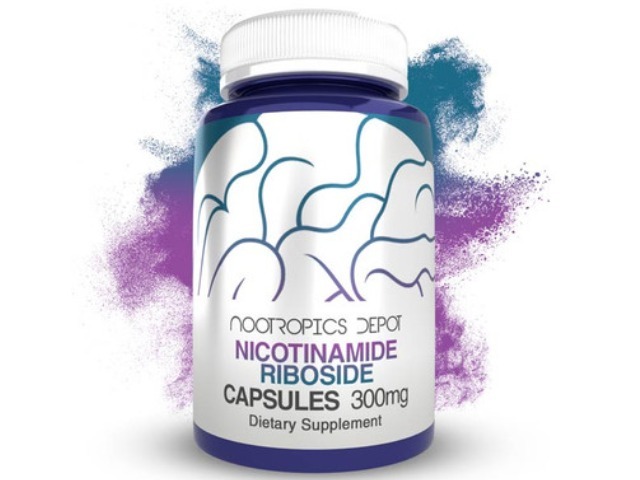
Nicotinamide Riboside Capsules | 300mg | Nad+ Precursor by Nootropics Depot
Shop Now →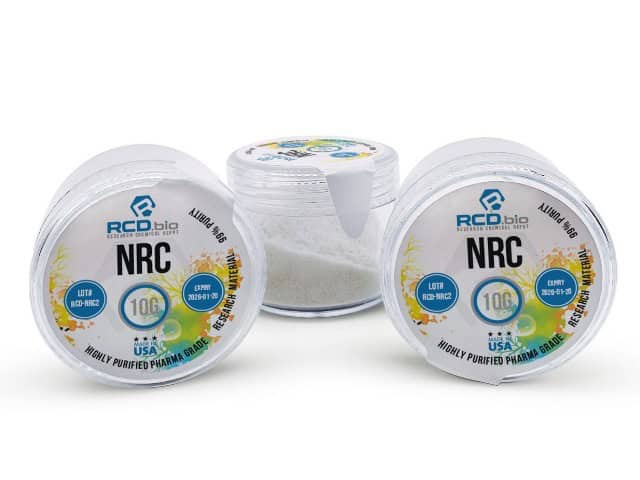
NRC (Nicotinamide Riboside Chloride) by Research Chemical Depot
Shop Now →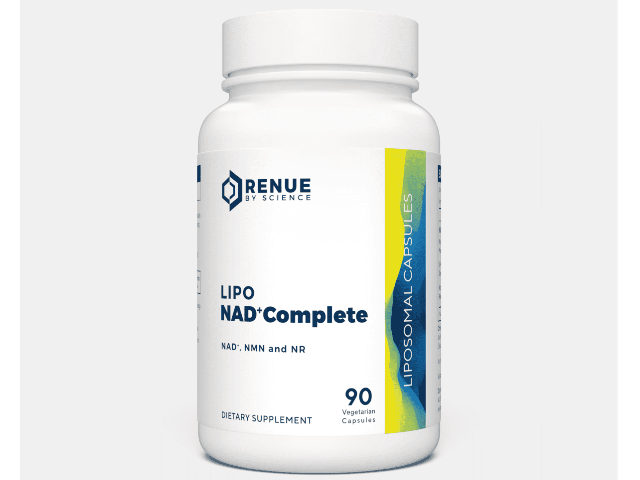
Lipo NAD⁺ Complete – NAD⁺, NMN, & NR
Shop Now →Disclosure: These are affiliate links. I earn a small commission if you purchase — at no extra cost to you. I only recommend products I personally use or have thoroughly researched.
Research & Studies
This section includes 8 peer-reviewed studies referenced in our analysis.