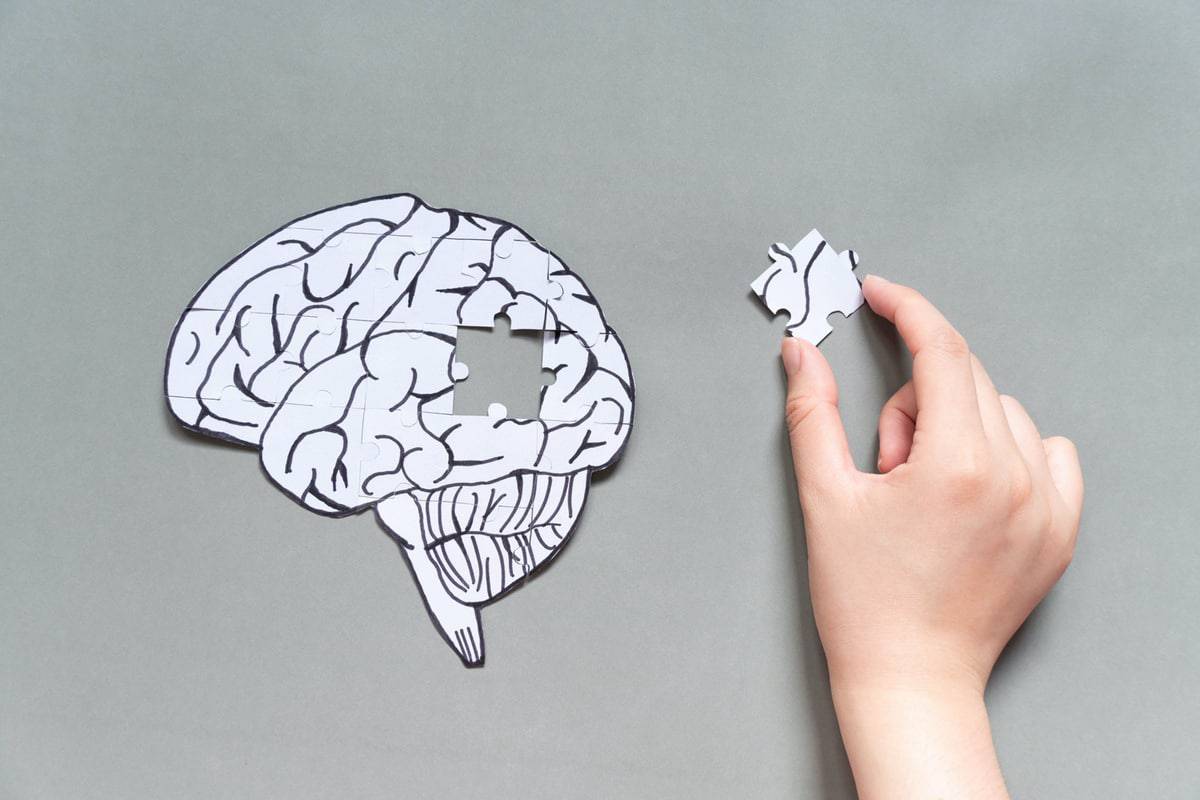

- Neuroprotection through oxidative stress reduction
- Enhanced dopaminergic neurotransmission
- BDNF and neuroplasticity support
- Mood and cognitive function enhancement
I spent two years chasing the perfect nootropic stack, convinced that if I just found the right combination of racetams and cholinergics, I’d unlock some hidden cognitive reserve. Then I stumbled across research on selegiline — a decades-old Parkinson’s medication that researchers were investigating for its neuroprotective and cognitive-enhancing properties — and realized I’d been overlooking one of the most well-studied compounds in neuropharmacology.
Here’s what changed my perspective: selegiline isn’t just another brain supplement with sketchy marketing claims. It’s a pharmaceutical agent with over 40 years of clinical use, thousands of published studies, and multiple mechanisms of action that go way beyond simple neurotransmitter modulation.
The Short Version: Selegiline is a selective MAO-B inhibitor that increases dopamine availability in the brain while providing antioxidant and neuroprotective effects through BDNF upregulation and mitochondrial protection. Research protocols typically investigate 5-10 mg daily. Most commonly studied for cognitive enhancement, mood support, and neuroprotection, though it remains an investigational compound for these applications.
Research Chemical Notice: Selegiline is a prescription medication in most jurisdictions. While approved for Parkinson’s disease and major depressive disorder (transdermal patch), its use for cognitive enhancement represents off-label application. The information below is compiled from published research for educational purposes only. This is not medical advice and should not be interpreted as a recommendation for human consumption. Always consult a qualified healthcare provider.
What Is Selegiline?
Selegiline (L-deprenyl) is a selective monoamine oxidase type B (MAO-B) inhibitor first synthesized in the 1960s by Hungarian chemist József Knoll. Originally developed as a potential antidepressant, it found its primary clinical application in treating Parkinson’s disease by preventing the breakdown of dopamine in the brain.
What makes selegiline particularly interesting from a research perspective is its dual identity. At low doses (5-10 mg), it selectively inhibits MAO-B, the enzyme responsible for breaking down dopamine. At this dosage range, it doesn’t significantly affect MAO-A — the enzyme that metabolizes serotonin, norepinephrine, and dietary tyramine. This selectivity is crucial because it means researchers can study dopamine enhancement without triggering the dangerous “cheese effect” (hypertensive crisis from tyramine) associated with older, non-selective MAO inhibitors.
But here’s where it gets more interesting: selegiline’s effects extend well beyond simple MAO-B inhibition. Research over the past two decades has revealed neuroprotective mechanisms independent of its effects on dopamine — including upregulation of neurotrophic factors, antioxidant activity, and mitochondrial protection. This has led researchers to investigate it for cognitive enhancement, healthy aging, and various neurodegenerative conditions beyond Parkinson’s.
Reality Check: Selegiline is a pharmaceutical compound with real pharmacological effects and real risks. The research is substantial, but most clinical trials focused on Parkinson’s disease and depression — not cognitive enhancement in healthy individuals. The evidence for nootropic applications exists but remains more limited than for its approved indications.
How Does Selegiline Work? (The Four-Mechanism Model)
Think of your brain’s dopamine system like a city’s water supply. Dopamine gets released (the reservoir), does its job at receptors (gets used), and then gets broken down by cleanup enzymes (water treatment). Selegiline essentially reduces one of the main cleanup crews (MAO-B), allowing dopamine to stick around longer and accumulate to higher levels.
But that’s just mechanism number one. The full picture is more sophisticated.
Mechanism 1: Selective MAO-B Inhibition
Monoamine oxidase type B is concentrated in glial cells and breaks down dopamine, phenylethylamine, and trace amines. By irreversibly binding to MAO-B, selegiline prevents this breakdown, leading to increased dopamine concentrations particularly in the striatum and prefrontal cortex. Research demonstrates that 5-10 mg daily doses achieve 70-90% MAO-B inhibition while leaving MAO-A largely untouched.
A 2011 review in International Review of Neurobiology by Finberg and Gillman confirmed that at therapeutic doses below 10 mg, selegiline maintains selectivity for MAO-B and doesn’t require dietary tyramine restrictions. This selectivity window is what makes the compound practical for research applications.
Mechanism 2: BDNF/TrkB Pathway Activation
Here’s where it gets interesting beyond simple dopamine modulation. Multiple studies have demonstrated that selegiline increases brain-derived neurotrophic factor (BDNF) production — a critical protein for neuronal survival, growth, and synaptic plasticity.
Research shows this BDNF upregulation activates the TrkB receptor pathway, promoting dendritic branching, synaptogenesis, and neuronal resilience. This mechanism operates independently of MAO-B inhibition, suggesting selegiline has neurotrophic properties separate from its dopaminergic effects. Think of this as not just preserving existing neurons, but actively supporting their growth and connectivity.
Mechanism 3: Oxidative Stress Reduction and Mitochondrial Protection
When MAO-B breaks down dopamine, it generates hydrogen peroxide and other reactive oxygen species as metabolic byproducts. By inhibiting this process, selegiline reduces oxidative stress in dopaminergic neurons. But the antioxidant effects go deeper than this.
Research has identified that selegiline inhibits protein disulfide isomerase (PDI), preventing mitochondrial outer membrane permeabilization — a key event in cellular apoptosis. This mitochondrial protection may explain some of selegiline’s neuroprotective effects observed in research models of neurodegeneration.
Mechanism 4: Serotonergic and Noradrenergic Effects at Higher Doses
At doses above 10-20 mg daily, selegiline begins to lose its MAO-B selectivity and starts inhibiting MAO-A as well. This broader monoamine oxidase inhibition increases serotonin and norepinephrine levels in addition to dopamine. This is why the transdermal patch formulation (Emsam) is FDA-approved for major depressive disorder — it delivers higher doses while bypassing first-pass metabolism, achieving antidepressant effects through multi-neurotransmitter modulation.
Pro Tip: The dose-dependent shift from selective MAO-B inhibition to non-selective MAO inhibition is critical. Research protocols investigating cognitive enhancement typically stay at or below 10 mg to maintain selectivity and avoid tyramine interactions. Studies investigating antidepressant effects often use 20-60 mg or transdermal delivery.
Reported Effects of Selegiline (What the Research Shows)
The evidence base for selegiline spans multiple decades and thousands of participants, but the quality and applicability of that evidence varies significantly by indication.
Cognitive Function in Parkinson’s Disease
The strongest evidence comes from Parkinson’s disease research, where selegiline has been investigated as both a symptomatic treatment and potential disease-modifying agent. A 1997 meta-analysis by Tolbert and Fuller published in Annals of Pharmacotherapy reviewed multiple trials examining selegiline’s effects on cognitive and behavioral symptoms in Alzheimer’s disease, finding modest but statistically significant improvements in some cognitive measures.
However — and this is important — a 2002 meta-analysis by Wilcock et al. in International Journal of Geriatric Psychiatry concluded that while selegiline showed some benefit for cognitive function in Alzheimer’s disease, the effects were small and clinical significance remained uncertain. The researchers noted high variability between studies and methodological limitations.
Translation: the evidence shows something is happening cognitively, but whether that translates to meaningful real-world improvement in diseased populations remains debated, and extrapolating to healthy individuals is speculative.
Attention and Focus in ADHD
Several controlled trials have investigated selegiline for attention-deficit/hyperactivity disorder. A 2003 double-blind, randomized trial by Akhondzadeh et al. studied selegiline in children with ADHD, finding improvements in attention and hyperactivity measures compared to placebo.
However, a 2006 placebo-controlled study by Rubinstein et al. published in Journal of Child and Adolescent Psychopharmacology found more mixed results, with some improvement in parent ratings but inconsistent effects across different assessment measures.
Reality Check: The ADHD research is intriguing but far from conclusive. Sample sizes were small (typically 20-60 participants), study durations were short (4-12 weeks), and results were inconsistent. This is preliminary evidence, not definitive proof of efficacy.
Neuroprotection and Longevity
Some of the most fascinating research comes from animal models investigating selegiline’s potential neuroprotective and life-extending effects. Studies in rats and mice have shown that selegiline administration can extend lifespan, improve age-related cognitive decline, and protect against neurotoxic insults.
But here’s the critical caveat: these are primarily animal studies. The mechanisms are plausible (BDNF upregulation, oxidative stress reduction, mitochondrial protection), but direct evidence in healthy humans for neuroprotection or longevity enhancement is limited to theoretical extrapolation.
Mood and Depression
The transdermal formulation (Emsam) is FDA-approved for major depressive disorder based on multiple controlled trials showing antidepressant efficacy. A 2013 review by Shulman et al. in CNS Drugs positioned MAO inhibitors, including selegiline, as underutilized options for treatment-resistant depression.
The mood effects are real and well-documented in clinical populations. Whether sub-threshold mood enhancement occurs in healthy individuals at lower doses remains largely anecdotal, though the dopaminergic and neurotrophic mechanisms provide plausible biological rationale.
| Reported Effect | Evidence Level | Key Research | Notes |
|---|---|---|---|
| Cognitive function in Parkinson’s | Moderate (multiple RCTs) | Birks & Flicker 2003 | Effects modest; clinical significance debated |
| ADHD symptoms | Preliminary (small RCTs) | Akhondzadeh 2003, Rubinstein 2006 | Mixed results; small samples |
| Neuroprotection | Strong in animals; speculative in humans | Multiple preclinical models | Mechanism plausible but human data limited |
| Major depression | Strong (FDA approval) | Multiple controlled trials | Transdermal formulation; higher doses |
| Healthy cognitive enhancement | Weak (mostly theoretical) | Limited direct evidence | Extrapolated from disease populations |
Research Administration Protocols (Doses Used in Studies)
The dosing landscape for selegiline is more complex than most nootropics because it exists in multiple formulations with dramatically different pharmacokinetics and safety profiles.
Oral Tablet Formulations
Standard oral tablets are the most commonly researched form. Studies investigating Parkinson’s disease and cognitive effects typically administered 5-10 mg daily, taken in the morning to minimize potential sleep disruption. At these doses, MAO-B selectivity is maintained and dietary restrictions are generally not required.
Orally disintegrating tablets (ODT) such as Zelapar bypass some first-pass metabolism, achieving higher bioavailability. Research protocols with ODT formulations use 1.25-2.5 mg daily, which provides similar MAO-B inhibition to 5-10 mg of standard tablets due to improved absorption.
Higher-dose protocols (20-60 mg daily) investigating antidepressant effects lose MAO-B selectivity and require tyramine-restricted diets to prevent hypertensive crisis. These doses are used specifically for depression research and are not applicable to cognitive enhancement protocols.
Transdermal Patch (Emsam)
The transdermal delivery system bypasses first-pass metabolism entirely, allowing direct entry into systemic circulation. Research protocols for depression use 6-12 mg/24-hour patches. At 6 mg/24hr, dietary restrictions are typically not required; at 9-12 mg/24hr, tyramine restrictions become necessary.
Timing and Administration Details
Most research protocols specify morning administration for oral forms, as selegiline is metabolized to L-methamphetamine and L-amphetamine — minor metabolites that can interfere with sleep if dosed later in the day. These metabolites are present in much smaller quantities than therapeutic stimulant doses, but the chronobiological consideration remains relevant.
Food interactions: oral selegiline can be taken with or without food. Some research suggests taking it with food may reduce gastrointestinal side effects, though absorption is minimally affected.
Insider Tip: The dose-selectivity relationship is the most critical factor. Research investigating cognitive enhancement effects stays at or below 10 mg oral (or 2.5 mg ODT) to maintain MAO-B selectivity. Going higher enters different pharmacological territory with different risk profiles and mandatory dietary restrictions.
| Formulation | Research Dose Range | MAO-B Selectivity | Tyramine Restriction Needed | Common Study Duration |
|---|---|---|---|---|
| Oral tablet | 5-10 mg/day | Maintained | No | 8-52 weeks |
| ODT (Zelapar) | 1.25-2.5 mg/day | Maintained | No | 8-24 weeks |
| Oral (high-dose) | 20-60 mg/day | Lost | Yes | 6-12 weeks (depression studies) |
| Transdermal 6mg | 6 mg/24hr | Partial | Usually no | 6-12 weeks |
| Transdermal 9-12mg | 9-12 mg/24hr | Lost | Yes | 6-12 weeks |
Gradual Introduction Protocol
Most research doesn’t employ gradual dose titration for standard 5-10 mg doses, as this range is generally well-tolerated from initiation. However, clinical practice often starts at 5 mg daily for 1-2 weeks before increasing to 10 mg if needed and tolerated.
For higher doses or transdermal formulations, research protocols typically do employ gradual escalation over 2-4 weeks to minimize side effects and allow for safety monitoring.
Adverse Events & Safety Profile (What Studies Have Observed)
Selegiline’s safety profile is well-characterized from decades of clinical use, but the risk landscape changes dramatically based on dose and formulation.
Common Adverse Events at Selective Doses (5-10 mg oral)
Research at MAO-B selective doses reports the following adverse events with varying frequency:
- Insomnia (10-15% of participants) — primarily related to amphetamine metabolites; mitigated by morning dosing
- Nausea (5-10%) — usually transient; taking with food may reduce
- Dizziness (5-10%) — may relate to orthostatic effects or dopaminergic activation
- Dry mouth (5-8%) — common with dopaminergic agents
- Headache (3-5%) — typically mild and transient
Most adverse events in controlled trials were mild to moderate and didn’t result in study discontinuation. A 1999 long-term study by Filip and Kolibáš found that adverse event rates didn’t increase significantly over 12-24 month treatment periods at 10 mg daily.
Serious Risks at Non-Selective Doses (>10-20 mg)
When selegiline loses MAO-B selectivity, the risk profile changes dramatically:
Hypertensive crisis from tyramine interaction becomes possible. Tyramine is a compound found in aged cheeses, cured meats, fermented foods, and certain alcoholic beverages. Normally, MAO-A in the gut and liver breaks down dietary tyramine. When MAO-A is inhibited, tyramine can accumulate and cause dangerous blood pressure spikes.
Research protocols using doses above 10-20 mg oral or 6 mg transdermal require tyramine-restricted diets and blood pressure monitoring.
Serotonin syndrome risk increases when MAO-A inhibition occurs, particularly if combined with serotonergic medications (see drug interaction table below).
Contraindications Identified in Research
Studies systematically exclude participants with:
- Uncontrolled hypertension
- Pheochromocytoma
- History of severe or frequent headaches (potential symptom of tyramine reaction)
- Current use of meperidine (Demerol) or tramadol — absolute contraindications due to severe interaction risk
- Current use of serotonergic antidepressants at non-selective doses
Drug Interactions (CRITICAL)
| Medication/Substance | Interaction Type | Risk Level | Notes |
|---|---|---|---|
| SSRIs (fluoxetine, sertraline, etc.) | Serotonergic | High at >10mg; Low at selective doses | Risk of serotonin syndrome increases with non-selective MAO inhibition. 2-5 week washout required when switching. |
| SNRIs (venlafaxine, duloxetine) | Serotonergic | High at >10mg; Moderate at selective doses | Similar serotonin syndrome risk; requires monitoring even at low doses. |
| Tricyclic antidepressants | Serotonergic/Noradrenergic | High | Contraindicated at non-selective doses; use extreme caution even at selective doses. |
| Meperidine (Demerol) | Serotonergic/Opioid | Contraindicated | Severe and potentially fatal reactions reported; absolute contraindication at all doses. |
| Tramadol | Serotonergic/Opioid | Contraindicated | Serotonin syndrome and seizure risk; avoid combination entirely. |
| Dextromethorphan (DXM) | Serotonergic | High | Serotonin syndrome risk; avoid combination. |
| Sympathomimetics (ephedrine, pseudoephedrine) | Adrenergic | Moderate | Potential for hypertensive effects; monitor blood pressure. |
| St. John’s Wort | Serotonergic | High | MAO-inhibiting properties; additive effects increase serotonin syndrome risk. |
| Phenibut | GABAergic/CNS depressant | Low-Moderate | Theoretical interaction; no specific research data; use caution. |
| Alcohol | CNS effects; tyramine in some beverages | Moderate | Aged wines and tap beer contain tyramine; distilled spirits generally safer at selective doses. |
| Caffeine | Stimulant | Low | Generally well-tolerated; some individuals may experience increased jitteriness. |
Important: The interaction profile changes with dose. At truly selective doses (5-10 mg oral), selegiline has been used safely in research alongside some medications that would be contraindicated at higher doses. However, individual variation exists, and medical supervision is strongly advised for any combination therapy.
Pregnancy and Nursing
Research in pregnant populations is limited to animal studies and case reports. Selegiline crosses the placental barrier and is present in breast milk. Clinical guidance recommends avoiding use during pregnancy and nursing unless benefit clearly outweighs theoretical risk.
Long-Term Safety Data
The longest controlled trials extend to 24-36 months, primarily in Parkinson’s disease populations. No significant safety signals emerged in these extended studies at 5-10 mg daily doses. However, long-term safety data specifically in healthy individuals using selegiline for cognitive enhancement is essentially non-existent beyond anecdotal reports.
Investigated Combinations in Research (Synergistic Protocols)
While most controlled trials study selegiline as monotherapy, research into combination approaches and theoretical synergies based on mechanism of action provides a framework for understanding how selegiline might interact with other compounds.
For Neuroprotection and Cognitive Longevity
Research investigating neuroprotective strategies often combines MAO-B inhibition with complementary mechanisms:
Selegiline + Rasagiline is obviously redundant (both are MAO-B inhibitors), but the principle of combining dopamine preservation with neurotrophic support appears in protocols like:
Theoretical neuroprotection stack:
- Selegiline 5-10 mg (morning) — MAO-B inhibition, BDNF upregulation, oxidative stress reduction
- Lion’s Mane 500-1000 mg (daily) — additional NGF/BDNF support, independent neuroprotective mechanisms
- Phosphatidylserine 100-300 mg (daily) — membrane integrity, cortisol modulation
- Alpha-Lipoic Acid 300-600 mg (daily) — mitochondrial support, antioxidant synergy
This combination targets multiple aspects of neuronal health: neurotransmitter preservation, neurotrophic factor production, membrane integrity, and mitochondrial function.
For Focus and Dopaminergic Enhancement
Combining selegiline’s dopamine preservation with compounds that support dopamine synthesis or receptor sensitivity:
Dopaminergic focus stack:
- Selegiline 5 mg (morning) — dopamine preservation via MAO-B inhibition
- L-Tyrosine 500-1000 mg (morning) — dopamine precursor support
- Caffeine 100-200 mg + L-Theanine 200-400 mg (morning/midday) — alertness with anxiety buffering
- Rhodiola Rosea 200-400 mg (morning) — adaptogenic support, may enhance dopamine receptor sensitivity
Insider Tip: When combining selegiline with dopamine precursors like L-Tyrosine or L-Phenylalanine, start with lower doses of both and assess tolerance. The combination can produce stronger effects than either alone, which may mean overstimulation in some individuals.
For Mood Support and Stress Resilience
Research into depression often combines MAO inhibition with compounds supporting other neurotransmitter systems:
Mood and resilience stack:
- Selegiline 5-10 mg (morning) — dopamine enhancement, potential mood elevation
- Omega-3 EPA/DHA 1-2g daily — anti-inflammatory, membrane support, independent antidepressant effects
- SAMe 400-800 mg (morning) — methylation support, antidepressant properties
- Magnesium L-Threonate 1500-2000 mg (evening) — NMDA modulation, sleep support, stress buffering
Important: Combining selegiline with other mood-affecting compounds, particularly SAMe or 5-HTP, requires caution. While low-dose selegiline maintains MAO-B selectivity, individual variation exists, and the combination with serotonin precursors theoretically increases serotonin syndrome risk.
What Research Suggests Avoiding
Based on mechanism of action and documented interactions:
- Selegiline + other MAO inhibitors (including Syrian Rue, which contains harmaline/harmine) — excessive monoamine elevation, dangerous interactions
- Selegiline + high-dose serotonin precursors (5-HTP, high-dose L-Tryptophan) at non-selective selegiline doses — serotonin syndrome risk
- Selegiline + strong stimulants (pharmaceutical amphetamines, high-dose DMAA) — excessive sympathetic activation
- Selegiline + Phenibut + alcohol — compounding CNS depression; interaction not well-studied but theoretically concerning
| Goal | Key Compounds | Dosing Example | Synergy Mechanism | Caution Level |
|---|---|---|---|---|
| Neuroprotection | Selegiline + Lion’s Mane + ALA | 5mg + 1000mg + 300mg | Complementary neurotrophic and antioxidant pathways | Low |
| Focus/Dopamine | Selegiline + L-Tyrosine + Caffeine/Theanine | 5mg + 500mg + 150mg/300mg | Precursor support + preservation + alertness | Low-Moderate |
| Mood Support | Selegiline + Omega-3 + Magnesium | 10mg + 2g + 1500mg | Multi-system mood support | Low-Moderate |
| Avoid | Selegiline + 5-HTP | N/A | Serotonin syndrome risk | High |
Current Research Assessment (The Evidence-Based Perspective)
After reviewing decades of research on selegiline, here’s my honest assessment of where the evidence stands and what that means for practical decision-making.
The strongest case for selegiline: It’s one of the most well-characterized compounds in neuropharmacology. Unlike the vast majority of nootropic substances that rely on a handful of small studies or mostly animal research, selegiline has been studied in thousands of human participants across multiple decades. We know its pharmacokinetics, we know its safety profile, and we know its mechanisms extend beyond simple MAO-B inhibition to include genuine neuroprotective properties.
The evidence quality reality: Most of that research focuses on diseased populations — primarily Parkinson’s disease, secondarily depression and Alzheimer’s disease. The evidence for cognitive enhancement in healthy individuals is largely theoretical, extrapolated from mechanisms of action and disease-state research rather than direct controlled trials. That doesn’t mean it doesn’t work, but it does mean we’re working with plausible biological rationale rather than definitive proof.
Who the research most clearly supports:
- Individuals in early Parkinson’s or with family history — the neuroprotective research is compelling, and selegiline may have disease-modifying potential beyond symptomatic treatment
- Those exploring pharmaceutical alternatives for treatment-resistant depression — the evidence for antidepressant effects (particularly with transdermal delivery) is strong
- People interested in longevity interventions with established safety profiles — the animal research on lifespan extension and neuroprotection is intriguing, the human safety data is extensive, and the mechanisms (BDNF upregulation, oxidative stress reduction) are biologically plausible for healthy aging
Who should probably explore other options:
If you’re looking for acute cognitive enhancement with rapid, noticeable effects, selegiline probably isn’t your best first choice. The effects are more subtle and potentially cumulative over weeks to months. For acute focus and productivity, Modafinil, Caffeine + L-Theanine, or even Phenylpiracetam have more direct evidence for immediate cognitive effects.
If you’re sensitive to stimulants or have baseline anxiety, the amphetamine metabolites from selegiline (even though present in small amounts) may produce unwanted activation. Bacopa Monnieri or Lion’s Mane might offer cognitive support with less stimulating character.
If you’re already taking serotonergic medications or have complex polypharmacy, the drug interaction profile of selegiline makes it higher-risk than compounds with cleaner interaction profiles.
The dosing sweet spot based on research: 5-10 mg oral daily appears to be the zone where you get meaningful MAO-B inhibition and neuroprotective effects while maintaining selectivity and minimizing risk. Going lower (2.5-5 mg) may provide benefits, but most research showing clear effects used at least 5 mg. Going higher than 10 mg enters different pharmacological territory that requires dietary restrictions and medical supervision.
What I wish more people understood: Selegiline is not a nootropic supplement — it’s a pharmaceutical agent with real pharmacology and real risks. The fact that it’s been prescribed for decades and has an established safety profile at therapeutic doses doesn’t mean it’s casual or risk-free. The drug interaction table isn’t theoretical — these are documented, sometimes severe interactions. If you’re going to explore selegiline, medical supervision is strongly advisable, particularly if you have any other medications or health conditions in play.
The verdict: Selegiline represents one of the most scientifically robust options in the cognitive enhancement and neuroprotection space, but it’s not a first-line nootropic for most people. The risk-benefit calculation favors those with specific therapeutic needs (early neurodegeneration, treatment-resistant depression) or those pursuing long-term neuroprotective strategies with tolerance for pharmaceutical interventions. For general cognitive enhancement, simpler and safer options exist. For neuroprotection and potential longevity applications, selegiline’s unique mechanisms and extensive safety data make it worth serious consideration — with medical guidance.
Research & Studies
This section includes 14 peer-reviewed studies referenced in our analysis.
Selegiline in treatment of behavioral and cognitive symptoms of Alzheimer disease.
Selegiline in the treatment of Alzheimer's disease: a long-term randomized placebo-controlled trial. Czech and Slovak Senile Dementia of Alzheimer Type Study Group.
The effect of selegiline in the treatment of people with Alzheimer's disease: a meta-analysis of published trials.
[Treatment of mild cognitive impairment: value of citicoline].
Selegiline for Alzheimer's disease.
Selegiline in the treatment of attention deficit hyperactivity disorder in children: a double blind and randomized trial.
Clinical pharmacology of MAO inhibitors: safety and future.
Placebo-controlled study examining effects of selegiline in children with attention-deficit/hyperactivity disorder.
Selegiline and methylphenidate in treatment of ADHD.
Selective inhibitors of monoamine oxidase type B and the \"cheese effect\".
Showing 10 of 14 studies. View all →