
- Reduces neuroinflammation and microglial activation
- Enhances synaptic plasticity and learning
- Supports neuroprotection against oxidative stress
- Modulates GABAergic neurotransmission
I’ll be honest: when I first came across Vasoactive Intestinal Peptide in the research literature, I thought it was going to be another overhyped peptide with a cool-sounding name and underwhelming evidence. Then I read the neuroinflammation data. Then the synaptic plasticity studies. Then the Alzheimer’s mouse model results showing reduced beta-amyloid and prevented brain atrophy.
This isn’t some fly-by-night research chemical. VIP is a naturally occurring peptide in your body right now, doing serious work in your brain and gut. The question isn’t whether it’s active—it’s whether we can harness those effects therapeutically.
The Short Version: Vasoactive Intestinal Peptide (VIP) is a neuropeptide that reduces neuroinflammation, enhances synaptic plasticity, and protects neurons from oxidative stress. The research is compelling, particularly for neurodegenerative conditions, but VIP is studied via injection in clinical settings—not available as a practical supplement. If you’re interested in anti-inflammatory neuroprotection, start with accessible options like Curcumin or Lion’s Mane first.
What Is Vasoactive Intestinal Peptide?
VIP is a 28-amino acid peptide hormone that functions as both a neurotransmitter and neuromodulator throughout your nervous system and gastrointestinal tract. It was first isolated in 1970 from pig intestine (hence “intestinal” in the name), but we now know it’s widely distributed in the brain, particularly in regions involved in learning, memory, and emotional regulation.
Your body produces VIP naturally. It’s released by specific neurons and immune cells, where it binds to two main receptor types—VPAC1 and VPAC2—triggering a cascade of cellular effects through cAMP signaling pathways. Think of VIP as a molecular “calm down” signal for your immune system and a “wake up” signal for neural plasticity mechanisms.
What makes VIP particularly interesting from a nootropic perspective is its dual role: it’s both a potent anti-inflammatory agent in the brain AND a facilitator of synaptic plasticity. That’s a rare combination. Most compounds that reduce inflammation do so by broadly suppressing neural activity. VIP manages to dial down harmful inflammation while simultaneously enhancing the brain’s capacity to form new connections and learn.
The challenge? VIP is a peptide, which means it doesn’t survive oral administration, has a short half-life in the bloodstream, and doesn’t cross the blood-brain barrier efficiently when given peripherally. This is strictly research territory—administered via injection in clinical studies, not something you’re going to find in a capsule at your local supplement shop.
How Does Vasoactive Intestinal Peptide Work? (The Mechanisms That Matter)
VIP’s effects in the brain come down to four interconnected mechanisms. Let’s break them down.
GABAergic Modulation and Disinhibition
VIP doesn’t just turn things up or down—it recalibrates. When VIP binds to VPAC receptors on GABAergic interneurons (the brain’s inhibitory cells), it selectively modulates their activity through cAMP-dependent pathways. This creates what researchers call “disinhibition”—reducing the brake pedal on excitatory neurons, which allows for increased signal transmission in learning and memory circuits.
In plain English: VIP helps your brain’s excitatory neurons fire more effectively by fine-tuning the inhibitory system that normally keeps them in check. This isn’t chaotic over-excitation—it’s targeted modulation that facilitates synaptic plasticity without causing excitotoxicity.
Studies in hippocampal tissue show that VIP application leads to sustained increases in neuronal firing rates and enhanced long-term potentiation (LTP)—the cellular mechanism underlying learning and memory formation. This effect is particularly pronounced in circuits involved in spatial learning and contextual memory.
Anti-Inflammatory Signaling (The Big One)
This is where VIP really shines. Neuroinflammation—chronic activation of your brain’s immune cells—is implicated in virtually every neurodegenerative condition, from Alzheimer’s to Parkinson’s to traumatic brain injury. VIP is one of the most potent endogenous anti-inflammatory signals your brain produces.
When microglia (the brain’s resident immune cells) get activated, they start pumping out pro-inflammatory cytokines like TNF-alpha, IL-1beta, and IL-6. This creates a cascading inflammatory response that damages neurons, disrupts synapses, and impairs cognitive function. A 2003 study in FASEB Journal demonstrated that VIP prevents activated microglia from triggering neurodegeneration under inflammatory conditions—a potential therapeutic mechanism for brain trauma.
The mechanism works through VPAC1 and VPAC2 receptor activation, which increases intracellular cAMP, activates protein kinase A, and triggers anti-inflammatory gene transcription programs. VIP specifically inhibits the production of pro-inflammatory cytokines while promoting the release of anti-inflammatory mediators like IL-10.
Translation: VIP tells your brain’s immune cells to stand down. It doesn’t suppress immunity entirely—it shifts the response from “destroy everything” to “protect and repair.”
Neuroprotection Against Oxidative Stress
Oxidative stress—the accumulation of reactive oxygen species (ROS) that damage cellular machinery—is another hallmark of neurodegenerative disease. VIP reduces oxidative stress through multiple pathways: its anti-inflammatory effects decrease ROS production by activated microglia, and its cAMP signaling promotes the expression of antioxidant enzymes and cellular protective mechanisms.
VIP also helps maintain mitochondrial function, which is critical because your mitochondria are both the primary producers of cellular energy AND a major source of damaging free radicals when they’re dysfunctional. By supporting mitochondrial health, VIP addresses oxidative stress at its source.
A 2019 study in the Journal of Molecular Neuroscience found that VIP administration in the 5xFAD mouse model of Alzheimer’s disease decreased beta-amyloid accumulation and prevented brain atrophy—effects attributed in part to reduced oxidative damage and improved cellular energy metabolism.
Synaptic Plasticity Enhancement
VIP’s effects on synaptic plasticity tie all the other mechanisms together. By reducing inflammation and oxidative stress while simultaneously modulating GABAergic circuits, VIP creates an optimal environment for neurons to form new connections and strengthen existing ones.
Research shows that VIP promotes dendritic spine formation, enhances neurotransmitter release, and facilitates the molecular changes required for long-term potentiation. These aren’t abstract cellular phenomena—they translate directly to improved learning, memory consolidation, and cognitive flexibility.
Reality Check: These mechanisms are well-documented in animal models and in vitro studies. Human data is more limited, primarily focused on VIP’s role in migraines, gastrointestinal function, and inflammatory conditions. The cognitive enhancement potential is extrapolated from mechanism and animal research—not yet proven in large-scale human trials.
Benefits of Vasoactive Intestinal Peptide (What the Research Actually Shows)
Let’s separate the solid evidence from the preliminary findings.
Neuroinflammation Reduction (Strong Evidence)
This is VIP’s best-documented benefit. Multiple studies demonstrate VIP’s ability to reduce microglial activation, decrease pro-inflammatory cytokine production, and protect neurons from inflammation-induced damage. The 2003 FASEB Journal study showed that VIP prevents neurodegeneration under inflammatory conditions—a finding that’s been replicated in various models of brain injury and neuroinflammation.
A 2017 review in Neurological Research concluded that VIP’s anti-inflammatory effects make it a promising candidate for neurodegenerative disorders characterized by chronic neuroinflammation, including Alzheimer’s, Parkinson’s, and multiple sclerosis.
Evidence level: Strong in animal models, promising preliminary human data in inflammatory conditions.
Cognitive Enhancement and Synaptic Plasticity (Moderate Evidence)
VIP’s effects on learning and memory are well-established in animal research. Studies consistently show that VIP enhances hippocampal LTP, improves spatial learning, and facilitates memory consolidation. The mechanism—disinhibition of excitatory circuits combined with reduced inflammatory interference—makes biological sense.
The challenge is translating this to humans. We don’t have large-scale cognitive trials of VIP supplementation in healthy adults or people with cognitive impairment. What we do have is mechanism research showing that VIP levels correlate with cognitive function, and animal data showing cognitive benefits from VIP administration.
Evidence level: Strong mechanistic basis, solid animal data, limited human cognitive trials.
Neuroprotection in Alzheimer’s Models (Promising Preliminary Evidence)
The 2019 study in the Journal of Molecular Neuroscience is particularly compelling. In the 5xFAD mouse model—an aggressive model of Alzheimer’s disease—VIP administration decreased beta-amyloid accumulation and prevented brain atrophy. These are the core pathological features of Alzheimer’s.
The mechanism appears to involve both reduced inflammatory damage (allowing normal clearance mechanisms to function) and direct effects on amyloid processing. VIP also improved behavioral outcomes in these mice, suggesting functional cognitive benefits beyond just pathological markers.
Evidence level: Promising animal research, needs human validation.
Mood and Stress Response Modulation (Preliminary Evidence)
A 2021 study in Scientific Reports found that VIP plasma levels in healthy females were associated with affective symptoms and brain structure/function. Lower VIP levels correlated with increased anxiety and altered brain connectivity patterns. This suggests VIP plays a role in emotional regulation and stress response—though whether supplementing VIP would improve mood in people with low levels remains untested.
Evidence level: Correlational human data, mechanistic plausibility, needs interventional trials.
| Benefit | Evidence Level | Key Research |
|---|---|---|
| Neuroinflammation reduction | Strong (animal models) | Delgado & Ganea 2003 (FASEB J) |
| Cognitive enhancement | Moderate (mechanistic + animal) | Multiple hippocampal studies |
| Alzheimer’s neuroprotection | Promising (animal models) | Korkmaz et al. 2019 (J Mol Neurosci) |
| Mood/stress modulation | Preliminary (correlational) | Simon et al. 2021 (Sci Reports) |
How to Take Vasoactive Intestinal Peptide (Without Wasting Your Money)
Here’s the honest truth: you can’t take VIP in any practical way as a consumer right now. This section is about understanding how it’s used in research, not a buying guide.
Dosage and Administration
In clinical studies, VIP is administered via intravenous or subcutaneous injection. Dosages vary widely based on the research application:
- Migraine provocation studies: 8 pmol/kg/min IV infusion
- Anti-inflammatory research: Dosages in animal models range from 10-100 nmol/kg
- Neuroprotection studies: Varied protocols, typically repeated injections over weeks
There is no established oral dosage because VIP doesn’t survive the digestive system. It’s a peptide—it gets broken down into individual amino acids before it could exert any biological effect.
Why This Isn’t Practical for Self-Experimentation
Bioavailability: Oral = zero. Nasal sprays have been explored in research but aren’t commercially available and have questionable blood-brain barrier penetration.
Half-life: VIP has a very short half-life in circulation (minutes). This is why research uses continuous infusion or repeated injections—single bolus doses don’t maintain therapeutic levels.
Blood-brain barrier: Even when given systemically, VIP doesn’t efficiently cross into the brain. Many of its neuroprotective effects in animal studies rely on peripheral anti-inflammatory signaling that indirectly benefits the brain, or they use direct brain injection protocols that aren’t clinically viable.
Pro Tip: If you’re interested in VIP’s anti-inflammatory and neuroprotective mechanisms, focus on supplements that work through similar pathways but have better bioavailability. Curcumin (especially formulations with enhanced absorption), Lion’s Mane (which promotes NGF like VIP promotes neuroprotection), and Fish Oil (powerful anti-inflammatory with solid cognitive data) are all accessible options that target neuroinflammation.
Side Effects & Safety (What Could Go Wrong)
Because VIP isn’t available as a consumer supplement, the safety profile comes from clinical research and therapeutic trials.
Reported Effects from Clinical Administration
- Vasodilation and blood pressure changes: VIP causes blood vessel dilation, which can lead to flushing, warmth, and transient drops in blood pressure
- Gastrointestinal effects: Nausea, cramping, diarrhea (VIP is heavily involved in gut motility and secretion)
- Headache: A 2022 study in JAMA Network Open used VIP infusion to trigger migraine headaches in susceptible individuals—so migraine provocation is a documented effect
- Injection site reactions: Standard for any injectable peptide
Contraindications and Interactions
| Medication/Substance | Interaction Type | Risk Level | Notes |
|---|---|---|---|
| Blood pressure medications | Additive hypotensive effect | Moderate | VIP causes vasodilation; could amplify BP-lowering drugs |
| Migraine medications | Counterproductive | Low-Moderate | VIP can trigger migraines in susceptible individuals |
| Immunosuppressants | Uncertain interaction | Unknown | VIP modulates immune function; theoretical interaction |
| Vasodilators (nitrates, PDE5 inhibitors) | Additive vasodilation | Moderate | Risk of excessive blood pressure drop |
Important: VIP is not approved for human supplementation and should only be used under medical supervision in research or clinical settings. This peptide is for research purposes only. Pregnant or nursing women, individuals with cardiovascular conditions, and those on blood pressure medications should absolutely avoid experimental use.
Long-Term Safety Unknown
We don’t have long-term human safety data for repeated VIP administration. Animal studies haven’t raised major red flags, but chronic use in humans remains understudied. The short half-life suggests it doesn’t accumulate, but we can’t rule out adaptive changes from repeated exposure.
Stacking Vasoactive Intestinal Peptide (The Theoretical Combinations)
Since VIP isn’t practically available, this section is theoretical—based on mechanism overlap with accessible compounds that might provide similar benefits.
For Neuroprotection and Anti-Inflammation
If you’re drawn to VIP’s anti-inflammatory neuroprotective profile, consider this accessible stack:
- 500mg Curcumin (enhanced absorption formula like Longvida or BCM-95) — morning with fat-containing meal for absorption
- 1000mg Lion’s Mane (8:1 extract standardized for erinacines) — morning, supports NGF production similar to VIP’s growth factor promotion
- 2g EPA/DHA Fish Oil — with meals, powerful anti-inflammatory with solid cognitive data
This combination targets neuroinflammation through complementary pathways (COX-2 inhibition from curcumin, microglial modulation from lion’s mane, pro-resolving mediators from fish oil) while promoting neuroplasticity.
For Cognitive Enhancement with Anti-Inflammatory Support
- 300mg Alpha-GPC — morning, supports acetylcholine synthesis
- 500mg Bacopa Monnieri (50% bacosides) — morning with food, enhances dendritic branching similar to VIP’s plasticity effects
- 500mg Curcumin — morning, anti-inflammatory base
- 200mg L-Theanine — as needed, GABAergic modulation without sedation
This stack combines cholinergic support (Alpha-GPC), evidence-based memory enhancement (Bacopa), inflammation control (Curcumin), and attentional modulation (L-Theanine).
For Mood and Stress with Neuroprotection
- 500mg Rhodiola Rosea (3% rosavins, 1% salidroside) — morning, adaptogenic stress modulation
- 1000mg Lion’s Mane — morning, nerve growth factor support
- 400mg Magnesium L-Threonate — evening, supports synaptic density and sleep
- 500mg Ashwagandha (KSM-66 or Sensoril) — evening, cortisol modulation
This combination addresses stress response, promotes neuroplasticity, and provides anti-inflammatory neuroprotection through multiple mechanisms.
| Goal | Key Synergies | Avoid Combining |
|---|---|---|
| Neuroprotection | Curcumin + Lion’s Mane + Fish Oil = multi-pathway anti-inflammatory | Avoid combining multiple vasodilators if blood pressure is low |
| Cognitive enhancement | Alpha-GPC + Bacopa + Curcumin = cholinergic support + plasticity + inflammation control | Avoid overstimulation with high-dose stimulants |
| Mood/stress | Rhodiola + Ashwagandha + Magnesium = HPA axis support + synaptic health | Avoid sedating substances if taking evening adaptogens |
Insider Tip: Don’t try to replicate VIP’s exact mechanisms with supplements. Instead, focus on the outcomes you want—reduced neuroinflammation, enhanced neuroplasticity, better stress resilience—and choose evidence-based compounds that deliver those benefits through accessible routes of administration.
My Take (Should You Care About VIP?)
Here’s my honest assessment: Vasoactive Intestinal Peptide is fascinating from a research perspective, but it’s not something you’re going to use practically unless you’re enrolled in a clinical trial or working with a very progressive physician on off-label peptide therapy.
The science is compelling. The anti-inflammatory data is strong. The neuroprotective effects in Alzheimer’s models are genuinely exciting. But the delivery problem—short half-life, poor oral bioavailability, limited blood-brain barrier penetration—makes this a “watch this space” compound, not a “buy this now” supplement.
Who should be interested in VIP:
- Researchers working on neuroinflammation, neurodegenerative disease, or peptide therapeutics
- People with inflammatory conditions who might participate in VIP clinical trials
- Biohackers tracking the cutting edge of peptide research (but not necessarily using it)
Who should try something else:
If you’re interested in anti-inflammatory neuroprotection, start with Curcumin—the human data is vastly superior, bioavailability issues have been solved with modern formulations, and the safety profile is well-established.
If you’re focused on neuroplasticity and cognitive enhancement, Lion’s Mane delivers NGF support with far better accessibility. The 8-12 week timeline for effects is similar to what you’d expect from repeated VIP dosing anyway.
If neuroinflammation is your primary concern (brain fog, cognitive decline, mood issues potentially tied to inflammation), build your foundation with Fish Oil, Magnesium, gut health support, and sleep optimization before chasing experimental peptides.
My bottom line: VIP represents an important endogenous neuroprotective pathway, and understanding how it works helps us appreciate why compounds like curcumin, omega-3s, and medicinal mushrooms are beneficial—they overlap with VIP’s mechanisms through accessible routes. Keep VIP on your radar for future developments in peptide therapeutics, but don’t hold your breath waiting for an oral supplement version. The laws of biochemistry make that extremely unlikely.
For now, focus on the proven, accessible anti-inflammatory neuroprotectors that actually make it into your brain when you take them. That’s where the practical wins are.
Recommended Vasoactive Intestinal Peptide Products
I know how frustrating it is to sort through dozens of brands making the same claims. These are the ones I've personally vetted — because quality is the difference between results and wasted money.
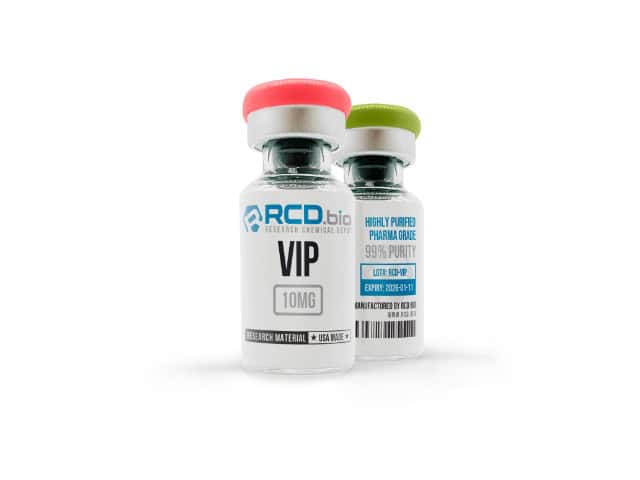
Vasoactive Intestinal Peptide by Research Chemical Depot
Shop Now →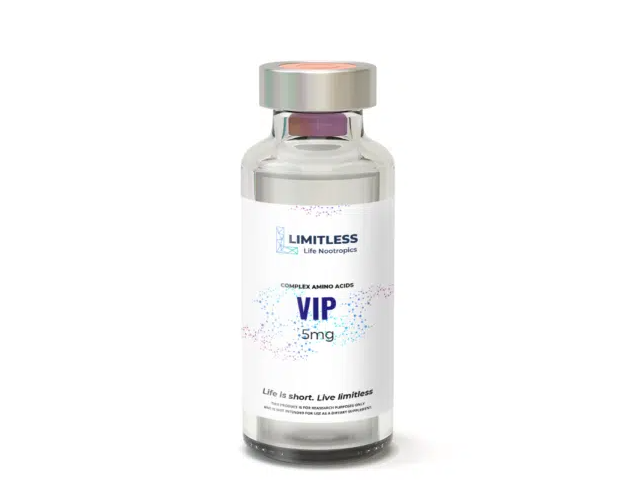
Limitless Life Nootropics VIP (Vasoactive Intestinal Peptide) 5mg | 99% Purity by Nootropics Depot
Shop Now →Disclosure: These are affiliate links. I earn a small commission if you purchase — at no extra cost to you. I only recommend products I personally use or have thoroughly researched.