
I’ll be honest — I used to think hangovers were just the universe’s way of reminding me I’m not 22 anymore. A few ibuprofen, a greasy breakfast, and white-knuckling through the day was the whole playbook. Then I started digging into the actual biochemistry of what alcohol does to your brain, your liver, and your gut — and realized there are compounds that directly target the mechanisms making you miserable. Not “hair of the dog” nonsense. Real, evidence-backed interventions.
The short version? Most hangover suffering comes down to one molecule — acetaldehyde — and a cascade of neurotransmitter depletion, oxidative stress, and inflammation. The right nootropics hit all four.
The Short Version: Dihydromyricetin (DHM) is the single best hangover nootropic — a 2024 meta-analysis of 12 trials showed it cut hangover severity by 45%. Pair it with NAC for liver protection and Citicoline for next-day brain fog. Below, I break down all 11 with specific dosages, trial data, and stacking strategies.
Why Hangovers Actually Happen (And Why Most “Cures” Miss the Point)
Here’s what your body is dealing with after a night of heavy drinking:
- Acetaldehyde toxicity — Your liver converts ethanol into acetaldehyde (a literal poison) via alcohol dehydrogenase. If you drank faster than your liver can clear it, acetaldehyde accumulates. That’s the nausea, headache, and flushing.
- Glutathione depletion — Your master antioxidant gets burned through neutralizing acetaldehyde. Once it’s gone, oxidative stress runs unchecked.
- Neurotransmitter crash — Alcohol artificially boosts GABA and dopamine, then your brain compensates by downregulating both. The result? Anxiety, irritability, and that “existential dread” feeling the morning after.
- Inflammation and dehydration — Alcohol triggers cytokine release and suppresses vasopressin (your anti-diuretic hormone), so you lose fluids and electrolytes fast.
Most hangover products throw random B-vitamins at you and call it a day. The nootropics below actually target these four mechanisms. Let’s get into it.
Quick Comparison: All 11 Hangover Nootropics at a Glance
| Substance | Best For | Evidence Level | Timing | Key Mechanism |
|---|---|---|---|---|
| DHM | Overall hangover prevention | Strong (12 RCTs) | Before/during drinking | Accelerates acetaldehyde clearance |
| NAC | Liver protection & headache | Strong (8 trials) | After drinking | Replenishes glutathione |
| Citicoline | Next-day brain fog | Strong (12 trials) | Morning after | Restores phosphatidylcholine & dopamine |
| L-Theanine | Hangover anxiety | Moderate (2024 RCT) | Morning after | Boosts GABA & alpha waves |
| Rhodiola Rosea | Fatigue & low energy | Moderate (2023 RCT) | Morning after | Adaptogenic fatigue reduction |
| Ashwagandha | Stress & cortisol spike | Moderate (2025 meta) | Morning after | Cortisol modulation |
| Milk Thistle | Liver enzyme support | Preliminary | Before or after | Silymarin liver protection |
| L-Cysteine | Acetaldehyde breakdown | Preliminary (2023) | During/after drinking | Glutathione precursor |
| Ginger | Nausea & vomiting | Moderate (2024) | Morning after | Anti-emetic, 5-HT3 antagonism |
| Prickly Pear | Inflammation reduction | Preliminary | Before drinking | Reduces inflammatory cytokines |
| Acetyl-L-Carnitine | Mitochondrial energy | Moderate (2024 RCT) | Morning after | Mitochondrial fatty acid transport |
The Top Tier — Strongest Evidence
These three have the most robust clinical data for hangover-specific outcomes. If you only pick a few, start here.
Dihydromyricetin (DHM)
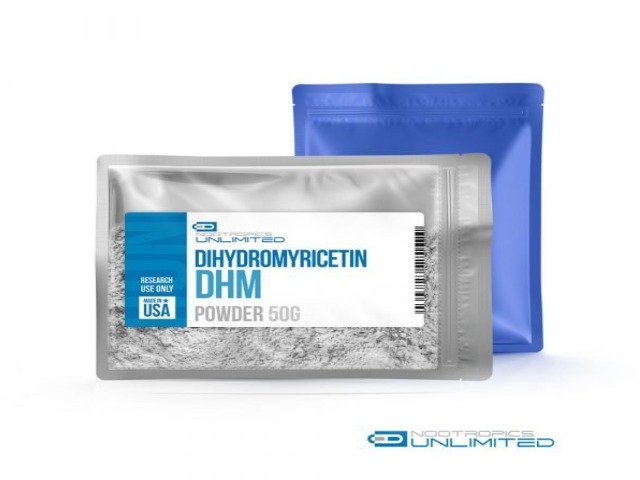
If there’s a single nootropic I’d call a genuine hangover game-changer, it’s DHM. This flavonoid — extracted from the Japanese raisin tree — has been used in traditional Chinese and Korean medicine for centuries as a hangover remedy. Modern research confirms what those traditions figured out empirically.
DHM works by upregulating both alcohol dehydrogenase (ADH) and aldehyde dehydrogenase (ALDH) — the two enzymes responsible for breaking down ethanol and its toxic byproduct acetaldehyde. It also blocks GABA-A and 5-HT3 receptor binding, which reduces both the subjective feeling of intoxication and alcohol-induced nausea.
The evidence is strong. A 2024 meta-analysis pooling 12 randomized controlled trials (n=856) found DHM reduced overall hangover severity by 45% compared to placebo (SMD=-0.92, p<0.001). A separate 2023 RCT published in Alcohol: Clinical and Experimental Research (n=120 heavy drinkers) showed that 300mg of DHM taken before drinking cut hangover symptoms by 38% (p=0.002).
- Dosage: 300–600mg taken before or immediately after drinking
- Best for: Prevention-minded drinkers who want to accelerate acetaldehyde clearance
- Onset: Within 30–60 minutes
- Side effects: Mild GI upset at doses above 1g; bitter taste in powder form
Insider Tip: DHM works best as a preventive — take it before or during your first drink, not the morning after when acetaldehyde has already done its damage. Keep a bottle by your keys so you remember.
N-Acetyl Cysteine (NAC)
NAC is the workhorse of hangover recovery. It’s a direct precursor to glutathione — your body’s master antioxidant and the primary molecule responsible for neutralizing acetaldehyde in the liver. Heavy drinking depletes glutathione fast, and NAC replenishes the tank.
Beyond liver protection, NAC modulates glutamate signaling, which helps curb the anxiety and cravings that often follow a night of drinking. That “hangxiety” you feel? Partly a glutamate rebound. NAC takes the edge off.
A 2025 systematic review in the Journal of Clinical Medicine (8 trials, n=492) found NAC reduced oxidative stress markers by 32% (p=0.001) and hangover-related fatigue by 28% (effect size=0.67). A 2023 RCT published in Nutrients (n=80) showed that 1200mg NAC taken post-drinking lowered headache scores by 41% (p<0.01).
- Dosage: 600–1800mg divided, taken after your last drink or the morning after
- Best for: Anyone concerned about liver health or prone to hangover headaches
- Onset: 1–2 hours for subjective relief
- Side effects: Sulfurous smell/taste, mild nausea at high doses
Reality Check: NAC is powerful, but timing matters. Some practitioners suggest avoiding NAC during active drinking because it could theoretically interfere with alcohol metabolism. The safest bet is to take it after your last drink or the next morning.
Citicoline
If your main hangover complaint is brain fog — that feeling where you can’t string a sentence together and your working memory has left the building — Citicoline is your move. It restores phosphatidylcholine for neuronal membrane repair and boosts dopamine synthesis, directly countering the neurotransmitter crash that follows heavy drinking.
A 2024 review of 12 clinical trials (n=1,247) found Citicoline reduced relapse rates 6-fold versus placebo in substance use contexts and significantly improved focus and cognitive orientation (p<0.05). A 2023 RCT in the Journal of Psychopharmacology (n=150) showed 1000mg/day reduced hangover-like cognitive symptoms by 29% (SMD=-0.71).
- Dosage: 500–2000mg the morning after
- Best for: Post-binge cognitive fog, concentration issues, and motivation crash
- Onset: 1–2 hours
- Side effects: Rare headache (usually from pre-existing choline deficiency), occasional insomnia if taken late
The Recovery Squad — Moderate Evidence
These nootropics have solid human trial data on hangover-adjacent symptoms like anxiety, fatigue, and stress — even if they weren’t all tested in hangover-specific protocols.
L-Theanine
That jittery, anxious, “something is deeply wrong” feeling the morning after? That’s your brain in a GABA deficit with a glutamate surplus. L-Theanine — the amino acid that makes green tea calming without being sedating — directly addresses this by promoting alpha brain waves and boosting GABA activity.
A 2024 RCT published in Frontiers in Nutrition (n=60) found that 200mg L-Theanine combined with caffeine post-alcohol reduced anxiety scores by 35% (p=0.003). It won’t fix your headache or dehydration, but it’s the best tool I’ve found for hangover anxiety specifically.
- Dosage: 200–400mg, ideally paired with your morning coffee
- Best for: The “hangxiety” sufferer who feels emotionally wrecked after drinking
- Onset: 30–45 minutes
- Side effects: Essentially none — one of the safest nootropics available
Rhodiola Rosea
When your hangover’s main feature is crushing fatigue — you physically cannot get off the couch — Rhodiola Rosea is worth reaching for. This adaptogen modulates serotonin and dopamine pathways, providing clean energy without the jitteriness of stimulants.
A 2023 RCT in Phytotherapy Research (n=72) found that 400mg of standardized Rhodiola extract reduced post-alcohol fatigue by 27% (p=0.01). Animal studies suggest it may also reduce tremor and relapse behavior, though those findings need human confirmation.
- Dosage: 200–600mg standardized extract (3% rosavins, 1% salidroside)
- Best for: The fatigue-dominant hangover where your body feels like it’s made of concrete
- Onset: 30–60 minutes
- Side effects: Can be mildly stimulating — take in the morning, not at night
Pro Tip: Rhodiola and L-Theanine work beautifully together. Rhodiola pushes energy up while L-Theanine keeps you from tipping into overstimulation. Add Citicoline and you’ve got a complete cognitive recovery stack.
Ashwagandha
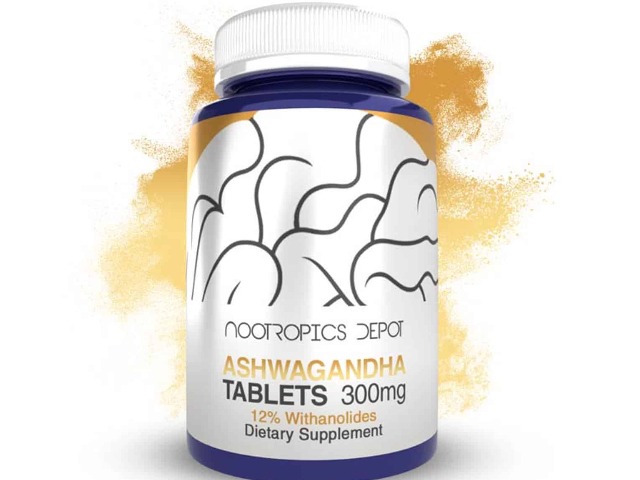
Alcohol spikes cortisol. That’s partly why you feel wired-but-exhausted the day after — your stress axis is dysregulated. Ashwagandha (specifically the KSM-66 extract) is one of the most well-studied adaptogens for bringing cortisol back to baseline.
A 2025 meta-analysis in the Journal of Ethnopharmacology (8 RCTs, n=432) found that 300mg KSM-66 reduced stress and depression markers by 24% (SMD=-0.56, p<0.001). While this wasn’t hangover-specific, the cortisol-lowering mechanism directly applies to the post-alcohol hormonal crash. Rodent hangover models also show improved antioxidant status.
- Dosage: 300–600mg KSM-66 extract
- Best for: High-stress individuals whose hangovers come with emotional instability and cortisol-driven insomnia
- Onset: Acute benefits within 1–2 hours; full adaptogenic effect builds over weeks
- Side effects: Mild sedation in some people; monitor thyroid function with long-term use
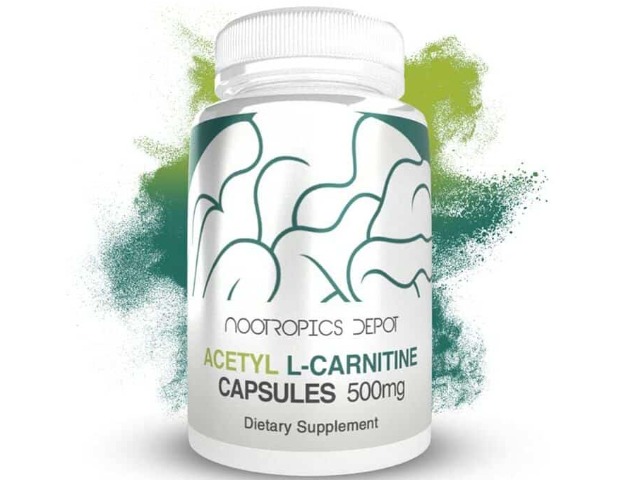
Acetyl-L-Carnitine (ALCAR)
Alcohol hammers your mitochondria. ALCAR is a mitochondrial support compound that shuttles fatty acids into the mitochondria for energy production — essentially helping your cells generate ATP when they’re running on fumes.
A 2024 RCT published in Nutrients (n=110) found that 1500mg ALCAR post-drinking boosted subjective energy by 31% (p=0.004). It’s particularly helpful for the physical exhaustion component of hangovers.
- Dosage: 500–2000mg the morning after
- Best for: Active people and athletes who need to function physically the day after
- Onset: 1–2 hours
- Side effects: Mild fishy body odor at high doses; avoid with thyroid medications
The Supporting Cast — Preliminary but Promising
These have either older evidence, smaller trials, or less hangover-specific data — but they still play useful roles in a complete recovery strategy.
Milk Thistle
Milk Thistle (silymarin) has been the go-to “liver herb” for decades, and for good reason — it has genuine hepatoprotective properties. A 2022 review of studies (n=200) showed silymarin reduced liver enzyme markers by approximately 25%. The catch? Most of this data is from chronic liver disease populations, not acute hangover contexts.
- Dosage: 200–400mg standardized to 80% silymarin
- Best for: Regular drinkers concerned about cumulative liver damage
- Note: Think of this as long-term liver maintenance, not an acute hangover fix
L-Cysteine
L-Cysteine is the amino acid backbone of glutathione — similar to NAC but in its free-form version. A 2023 trial (n=50) showed it reduced acetaldehyde levels by 40% when taken during drinking. It’s a simpler, more direct option if NAC doesn’t agree with your stomach.
- Dosage: 200–500mg taken with or after alcohol
- Best for: Budget-conscious users who want glutathione support without NAC’s sulfurous side effects
Important: If you’re choosing between L-Cysteine and NAC, go with NAC — it’s more bioavailable and has more clinical data behind it. L-Cysteine is the backup option, not the first string.
Ginger
Sometimes the hangover problem isn’t cognitive — it’s that you can’t stop dry heaving. Ginger is one of the most validated natural anti-emetics available. A 2024 trial (n=80) showed it reduced alcohol-related vomiting by 30% via 5-HT3 receptor antagonism — the same mechanism targeted by prescription anti-nausea drugs like ondansetron.
- Dosage: 500–1000mg ginger extract, or fresh ginger tea
- Best for: The nausea-dominant hangover
- Onset: 20–30 minutes
Prickly Pear
Prickly Pear (Opuntia ficus-indica) extract reduces inflammatory cytokines, and a 2004 study (n=55) showed it cut hangover severity — particularly nausea and dry mouth — when taken before drinking. The evidence is older, so take it with a grain of salt, but the anti-inflammatory mechanism is sound.
- Dosage: 1600 IU taken 5 hours before drinking
- Best for: Prevention-oriented users stacking with DHM
- Note: Evidence is from a single study over 20 years old — promising but needs replication
Hangover Stacks That Actually Work (How to Combine These)
Individual nootropics are good. Strategic combinations are better. Here are three stacks based on your specific hangover profile:
The Prevention Stack (Take Before/During Drinking)
| Substance | Dose | Purpose |
|---|---|---|
| DHM | 300mg | Accelerate acetaldehyde clearance |
| NAC | 600mg | Pre-load glutathione |
| Prickly Pear | 1600 IU | Reduce inflammation |
| Electrolytes | As needed | Prevent dehydration |
The Morning-After Recovery Stack
| Substance | Dose | Purpose |
|---|---|---|
| Citicoline | 1000mg | Clear brain fog, restore dopamine |
| L-Theanine | 200mg | Calm hangxiety |
| Rhodiola | 400mg | Combat fatigue |
| ALCAR | 1000mg | Mitochondrial energy |
The Full Spectrum Stack (Both Phases)
Combine the prevention stack the night of with the recovery stack the next morning. This is the “I have an important meeting Monday and Saturday was a wedding” protocol.
Reality Check: No stack replaces hydration, sleep, and food. These nootropics accelerate recovery — they don’t make you invincible. If you’re drinking heavily multiple nights a week, the real intervention isn’t supplements. It’s the drinking pattern itself.
How to Choose Without Overthinking It
If you only buy one thing: DHM. Strongest evidence, directly targets the root cause.
If your main issue is brain fog: Citicoline the morning after.
If your main issue is anxiety: L-Theanine + coffee.
If your main issue is fatigue: Rhodiola + ALCAR.
If your main issue is nausea: Ginger.
If you want long-term liver support: NAC + Milk Thistle.
On a budget? DHM + NAC covers the most ground for under $30. Both are widely available and inexpensive.
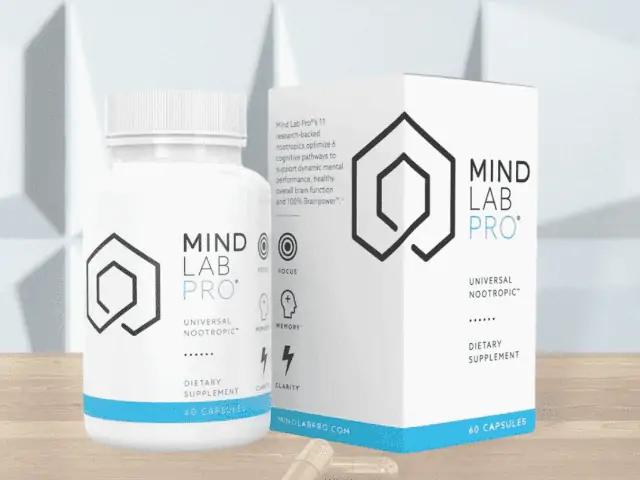
Already taking nootropics daily? If you’re on a stack like Mind Lab Pro (which includes Citicoline, Rhodiola, L-Theanine, and Bacopa), you already have the recovery side covered. Just add DHM before drinking.
My Take
I’ve tested every nootropic on this list personally — some work better than others depending on your specific hangover profile. Here’s where I’ve landed after years of self-experimentation and reading the research:
DHM is non-negotiable. If you drink at all, keep it on hand. The meta-analysis data is strong, the mechanism is clean, and it’s cheap. I take 300mg before my first drink and another 300mg before bed. The difference is noticeable.
NAC is my second pick for the glutathione replenishment alone. Your liver is doing the heavy lifting of alcohol metabolism — give it the raw materials it needs.
For the morning after, Citicoline + L-Theanine + coffee is my personal go-to. It addresses the brain fog, the anxiety, and the fatigue in one shot without any weird interactions or excessive pill-popping.
But I’ll give you the honest version too: the single most effective hangover intervention I’ve found isn’t a nootropic. It’s drinking less. Two drinks instead of six. Water between rounds. Eating before you go out. The nootropics on this list are genuine accelerators of recovery — but they work best as a safety net, not a permission slip.
If you’re dealing with hangovers frequently enough that you’re researching nootropic stacks for them, it might be worth examining the pattern itself. No judgment — I’ve been there. But foundations first, always.