
- Supports dopamine and serotonin balance
- Reduces neuroinflammation
- Protects against oxidative stress
Three years ago, I bought milk thistle because the internet told me it was good for my liver after a weekend of questionable decisions. I took it sporadically, felt nothing, and the bottle sat in my cabinet gathering dust.
Turns out I was using it for the wrong reason — or at least, I was missing the bigger picture. Silymarin, the active compound in milk thistle, isn’t just a liver detox gimmick. It’s one of the most well-researched neuroprotective compounds we have, with mechanisms that directly impact brain inflammation, neurotransmitter balance, and oxidative stress.
If you’re dealing with brain fog, mood instability, or cognitive decline — or you’re just looking for a research-backed way to protect your brain long-term — this guide breaks down what silymarin actually does and how to use it effectively.
The Short Version: Silymarin is a flavonoid complex from milk thistle that supports brain health by modulating dopamine and serotonin levels, reducing neuroinflammation, and scavenging free radicals. Typical doses range from 140-600mg daily, often split with meals. The research is solid, the safety profile is excellent, and it’s one of the few “liver supplements” that actually has legitimate brain benefits too.
What Is Silymarin?
Silymarin is the collective term for a group of flavonolignans extracted from the seeds of milk thistle (Silybum marianum), a purple flowering plant that’s been used medicinally for over 2,000 years. The primary active components are silybin (also called silibinin), silydianin, and silychristin — with silybin making up about 50-70% of the total complex and carrying most of the biological activity.
For decades, silymarin was primarily marketed as a liver protectant, and the research there is genuinely impressive — it helps regenerate liver cells, protects against toxins, and supports detoxification pathways. But over the past 10-15 years, neuroscience research has uncovered something more interesting: silymarin crosses the blood-brain barrier and exerts direct protective effects on neural tissue.
The compound works through multiple complementary mechanisms — antioxidant activity, anti-inflammatory signaling, and neurotransmitter modulation — which is part of why it shows up in research on conditions ranging from traumatic brain injury to Alzheimer’s disease to depression. It’s not a stimulant, it’s not a racetam, and it’s not going to give you a noticeable “kick” within an hour of taking it. It’s a foundational neuroprotective agent that works best over weeks to months of consistent use.
Reality Check: Silymarin isn’t a quick fix for brain fog or focus issues. If you’re running on 5 hours of sleep, eating like garbage, and chronically stressed, no supplement is going to override those fundamentals. Think of silymarin as a tool that helps your brain defend itself against oxidative stress and inflammation — but only if you’re also addressing the things that create that stress in the first place.
How Does Silymarin Work? (The Brain Mechanisms That Matter)
Here’s where it gets interesting. Silymarin isn’t just a generic “antioxidant” — it has specific, measurable effects on brain chemistry and inflammation pathways.
Dopamine and serotonin modulation. Research shows that silymarin helps restore and maintain normal dopamine levels in the hippocampus and cerebral cortex, two brain regions critical for memory, motivation, and emotional regulation. A 2020 study in Life Sciences found that silymarin sex-dependently improved cognitive function in mice with mild traumatic brain injury, partly by normalizing dopamine concentrations that had been disrupted by the injury.
It does something similar with serotonin. Silymarin appears to support serotonin synthesis and protect serotonergic neurons from oxidative damage, which contributes to its antidepressant-like effects in animal models. This isn’t the same mechanism as SSRIs — it’s not blocking reuptake — but rather supporting the system’s ability to produce and maintain adequate serotonin levels in the first place.
Translation: silymarin helps your brain keep neurotransmitter levels stable, especially under conditions of stress, inflammation, or injury. It’s not going to flood you with dopamine like L-Tyrosine or stimulate serotonin release like 5-HTP, but it helps prevent the depletion and dysfunction that leads to mood and cognitive problems.
Neuroinflammation reduction through TLR4 inhibition. This is where silymarin really shines. It suppresses neuroinflammation by inhibiting the toll-like receptor 4 (TLR4) signaling pathway, which is one of the main routes by which the brain’s immune cells (microglia) get activated and start releasing inflammatory cytokines like TNF-alpha and interleukins.
A 2024 study in Brain Research Bulletin showed that silymarin ameliorated motor function and prevented neuroinflammation-induced cell death in a rat model of Huntington’s disease. The compound reduced microglial activation and lowered levels of pro-inflammatory markers throughout the brain.
Why does this matter? Chronic neuroinflammation is increasingly recognized as a driver of cognitive decline, depression, and neurodegenerative diseases. Reducing that inflammation doesn’t just make you “feel better” — it removes one of the primary accelerants of brain aging.
Antioxidant activity and free radical scavenging. Silymarin’s phenolic structure allows it to directly neutralize reactive oxygen species (ROS) and prevent lipid peroxidation — the process where free radicals damage the fatty membranes that make up your neurons. But it doesn’t stop there. It also enhances your body’s endogenous antioxidant systems, including glutathione and superoxide dismutase.
A 2024 randomized controlled trial in patients with Alzheimer’s disease (Nutritional Neuroscience) found that adjunctive silymarin supplementation (420mg daily for 12 weeks) significantly reduced markers of oxidative stress and inflammation while improving disease severity scores compared to placebo. Participants taking silymarin showed lower malondialdehyde (a marker of lipid peroxidation) and higher total antioxidant capacity.
In plain English: silymarin both quenches free radicals directly and helps your brain build better defenses against oxidative damage. It’s a dual-layer protection system, which is why it shows consistent neuroprotective effects across different types of brain injury and degeneration.
Pro Tip: Silymarin’s benefits are cumulative. Most human trials showing cognitive or mood improvements use 8-12 weeks of consistent supplementation. If you try it for a week and bail because you don’t “feel anything,” you’re not giving it long enough to work.
Benefits of Silymarin (What the Research Actually Shows)
Let’s be clear about the evidence hierarchy here. We have strong human data for liver protection. We have promising-but-preliminary human data for brain health, backed by compelling animal research. This isn’t a compound where we’re extrapolating wildly from rat studies — but the human brain research is still catching up to what we know from preclinical work.
Cognitive function and neuroprotection. The 2020 Life Sciences study I mentioned earlier found that silymarin improved spatial learning and memory in mice with mild traumatic brain injury. It also increased BDNF (brain-derived neurotrophic factor) levels in the hippocampus, which is critical for neuroplasticity and learning.
In the 2024 Alzheimer’s trial, 12 weeks of silymarin supplementation (420mg daily) not only reduced oxidative stress but also improved MMSE scores (a standard cognitive assessment) compared to placebo. The effect size wasn’t massive, but it was statistically significant (p < 0.05) in a population where cognitive decline is typically progressive.
Mood and emotional regulation. A 2023 review in Frontiers in Neuroscience highlighted silymarin’s potential for treating depression, anxiety, and stress-related disorders, noting its effects on serotonergic and dopaminergic systems as well as its anti-inflammatory properties. While we don’t yet have large-scale RCTs on silymarin for depression specifically, the mechanistic rationale is solid and the animal data is consistent.
If you’ve tried standard mood support supplements like L-Theanine or Rhodiola Rosea and gotten modest results, silymarin offers a different angle — addressing the inflammatory and oxidative roots of mood dysregulation rather than just modulating neurotransmitter activity acutely.
Protection against neurodegenerative disease. The 2024 Brain Research Bulletin study on Huntington’s disease showed that silymarin protected motor neurons and reduced cell death in a highly aggressive neurodegenerative model. Similar protective effects have been observed in models of Parkinson’s disease, where silymarin prevented dopaminergic neuron loss.
Is this proof that silymarin will prevent Alzheimer’s or Parkinson’s in humans? No. But the consistency of the neuroprotective effects across different models and mechanisms is compelling. If you have a family history of neurodegenerative disease or you’re approaching middle age and thinking about brain longevity, silymarin is one of the better-researched preventive options available.
| Benefit | Evidence Level | Key Study |
|---|---|---|
| Cognitive function (post-TBI) | Moderate (animal + human pilot) | Shokouhi et al. 2020 (Life Sciences) |
| Alzheimer’s symptom reduction | Moderate (RCT, n=80) | Navabi et al. 2024 (Nutr Neurosci) |
| Neuroprotection (HD model) | Strong (animal) | Aliaghaei & Meftahi 2024 (Brain Res Bull) |
| Mood/depression | Preliminary (mechanistic + animal) | Ranjan & Gautam 2023 (Front Neurosci) |
How to Take Silymarin (Without Wasting Your Money)
Dosing silymarin isn’t complicated, but bioavailability matters. Standard silymarin extracts have notoriously poor absorption — only about 20-50% of an oral dose actually makes it into your bloodstream. That’s why you’ll see formulations using phospholipid complexes (like Siliphos) or micronized silymarin, which significantly improve bioavailability.
Standard dosing protocol:
| Use Case | Dosage | Timing | Notes |
|---|---|---|---|
| General neuroprotection | 140-300mg | Once or twice daily with meals | Start here for most people |
| Cognitive support | 300-450mg | Split into 2-3 doses with meals | Based on Alzheimer’s trial dosing |
| Therapeutic (neurodegeneration) | 420-600mg | 2-3 divided doses with meals | Higher end used in clinical trials |
Form matters. If you’re using a standard milk thistle extract (typically 70-80% silymarin), you’ll need the higher end of the dosage range. If you’re using a phospholipid-bound or micronized form, you can get away with lower doses because absorption is 2-3x higher.
Look for products standardized to at least 70% silymarin content, with silybin making up a substantial portion of that. Some products list the actual silybin content separately — that’s a quality signal.
Timing and food. Silymarin is fat-soluble, so taking it with a meal that contains some dietary fat will improve absorption. I take mine with breakfast and dinner. There’s no evidence that timing relative to circadian rhythms matters the way it does for something like Melatonin, so focus on consistency over perfect timing.
How long before you notice anything? Most people report subtle improvements in energy, mood stability, or mental clarity around the 4-6 week mark. The cognitive benefits in clinical trials typically emerged after 8-12 weeks. This is not an acute nootropic — it’s a long-term investment in brain health.
Insider Tip: If you’re taking silymarin primarily for neuroprotection (not liver support), pair it with other anti-inflammatory and antioxidant compounds for synergistic effects. The stacking section below covers the best combinations, but the short version is: silymarin works best as part of a comprehensive inflammation-management strategy.
Side Effects & Safety (What Could Go Wrong)
Silymarin has an excellent safety profile. It’s been used for centuries as a food and medicine, and modern clinical trials consistently report minimal adverse effects even at high doses (up to 1400mg daily).
Common side effects (rare, <5% of users):
- Mild digestive upset (bloating, loose stools) — usually resolves within a few days
- Headache (uncommon, dose-dependent)
- Allergic reactions in people sensitive to plants in the Asteraceae family (ragweed, daisies, marigolds)
Who should avoid silymarin:
- People with known allergies to Asteraceae plants
- Individuals with estrogen-sensitive conditions (theoretical concern due to mild estrogenic activity — evidence is mixed, but use caution with hormone-sensitive cancers)
Drug interactions:
| Medication/Substance | Interaction Type | Risk Level | Notes |
|---|---|---|---|
| Statins (simvastatin, others) | CYP metabolism | Moderate | Silymarin may increase statin levels; monitor for muscle pain |
| Diabetes medications | Hypoglycemic effect | Low-Moderate | May enhance blood sugar lowering; monitor glucose |
| Anticoagulants (warfarin) | Anticoagulant potentiation | Low | Theoretical interaction; monitor INR if combining |
| Estrogen/hormonal contraceptives | Estrogenic activity | Low | Weak estrogenic effects; likely not clinically significant |
| St. John’s Wort | CYP induction/inhibition | Low | Both affect drug metabolism; avoid combining without guidance |
Pregnancy and nursing: There isn’t enough human safety data to recommend silymarin during pregnancy or lactation. Animal studies haven’t shown harm, but the absence of evidence isn’t evidence of safety. If you’re pregnant or nursing, skip it or consult with a healthcare provider.
Important: If you’re on medications metabolized by CYP450 enzymes (which includes a lot of common drugs — statins, antidepressants, blood thinners), talk to your doctor before adding silymarin. The interaction risk is generally low, but it’s real enough to warrant monitoring.
Stacking Silymarin (The Combinations That Actually Work)
Silymarin shines when paired with other compounds that target complementary pathways. Here are the stacks I’d recommend based on specific goals.
For cognitive longevity and neuroprotection:
- 300mg Silymarin (morning and evening with food)
- 500mg Lion’s Mane (morning) — NGF stimulation + silymarin’s anti-inflammatory effects create a strong neuroplasticity stack
- 500mg Curcumin (with black pepper, morning) — dual NF-kB and TLR4 inhibition for comprehensive anti-inflammatory coverage
- 200mg Alpha-GPC (morning) — cholinergic support to complement silymarin’s dopaminergic effects
This is my personal long-term brain health stack. It’s not flashy, it’s not stimulating, but the mechanistic synergy is solid.
For mood stability and stress resilience:
- 300mg Silymarin (twice daily)
- 300mg Rhodiola Rosea (morning) — adaptogenic HPA axis support pairs well with silymarin’s serotonergic modulation
- 200mg L-Theanine (as needed) — GABA/glutamate balancing complements silymarin’s broader neurotransmitter stabilization
- 200mg Magnesium L-Threonate (evening) — neuroprotective magnesium form that crosses the BBB
For post-injury or inflammatory brain conditions:
- 400-600mg Silymarin (divided doses)
- 1000mg Omega-3 fatty acids (EPA/DHA) — membrane stabilization and anti-inflammatory eicosanoid production
- 500mg N-Acetylcysteine (twice daily) — glutathione precursor + direct antioxidant effects stack with silymarin’s free radical scavenging
- 300mg Bacopa Monnieri (daily) — dendritic growth support for cognitive recovery
What to avoid combining:
- High-dose silymarin with high-dose turmeric/curcumin may cause digestive upset in some people due to overlapping anti-inflammatory pathways — start conservatively
- Combining multiple compounds that affect CYP450 metabolism (St. John’s Wort, grapefruit, high-dose CBD) increases unpredictability if you’re on medications
| Stack Goal | Synergistic Mechanism | Strength of Evidence |
|---|---|---|
| Neuroprotection | Anti-inflammatory + neuroplasticity + antioxidant layering | Strong (mechanistic) |
| Mood support | Serotonergic + adaptogenic + GABAergic balance | Moderate |
| Post-TBI recovery | Antioxidant + membrane repair + cognitive enhancement | Moderate (animal + human pilot) |
My Take
I slept on silymarin for years because I mentally categorized it as “just a liver thing.” That was a mistake.
The neuroinflammation research alone makes it worth considering, especially if you’re dealing with brain fog, mood instability, or have a family history of neurodegenerative disease. The fact that it also supports liver health is a bonus — your liver is intimately connected to brain function through detoxification pathways and metabolic signaling, so you’re getting a two-for-one benefit.
Who this is best for:
- People with chronic neuroinflammation or inflammatory brain fog (especially if you’ve ruled out gut issues, sleep deprivation, and nutrient deficiencies first)
- Anyone with a family history of Alzheimer’s, Parkinson’s, or other neurodegenerative conditions who’s thinking preventively
- People recovering from traumatic brain injury or concussion (in combination with medical treatment)
- Individuals looking for a well-tolerated, research-backed neuroprotective compound for long-term use
Who should probably try something else:
- If you’re looking for an acute cognitive boost or stimulation, this isn’t it — try Caffeine + L-Theanine or Alpha-GPC instead
- If you have estrogen-sensitive conditions, the theoretical hormonal activity warrants caution — consider Curcumin or Resveratrol for neuroprotection instead
- If you’re allergic to ragweed or related plants, skip it and look at Pterostilbene or Quercetin for antioxidant support
The dosing is straightforward, the safety profile is excellent, and the research — while not perfect — is compelling enough that I keep it in my daily rotation. Start with 300mg daily (split into two doses with meals), give it 8-12 weeks, and assess whether you notice improvements in mental clarity, mood stability, or overall brain resilience.
This is one of those rare supplements where the hype is actually justified by the evidence. Not because it’s a miracle drug, but because it addresses foundational mechanisms (inflammation, oxidative stress, neurotransmitter balance) that matter for long-term brain health.
Recommended Silymarin Products
I know how frustrating it is to sort through dozens of brands making the same claims. These are the ones I've personally vetted — because quality is the difference between results and wasted money.
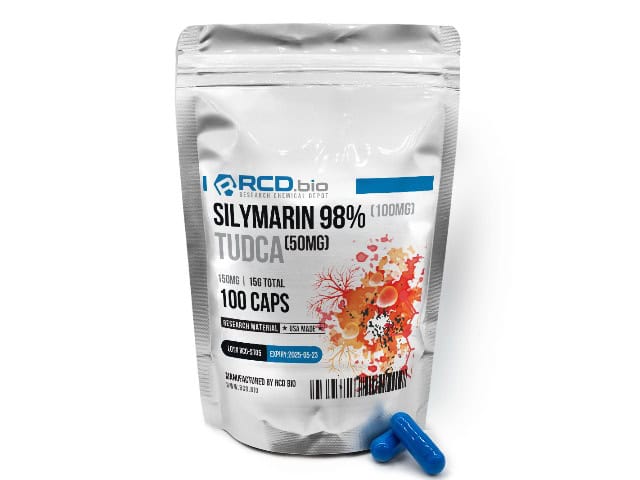
Silymarin 98% & TUDCA Capsules by Research Chemical Depot
Shop Now →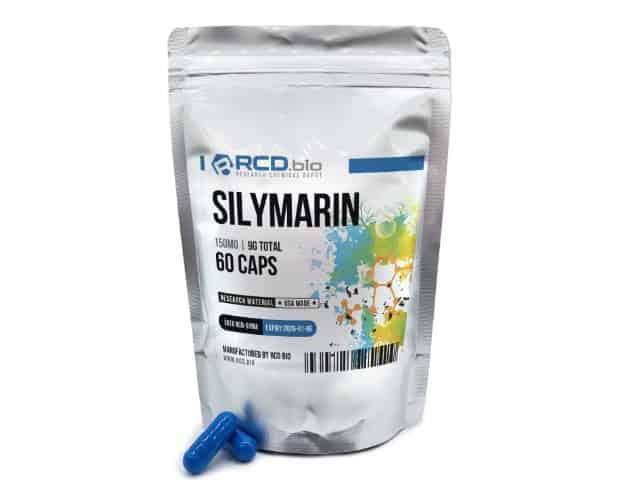
Silymarin Capsules by Research Chemical Depot
Shop Now →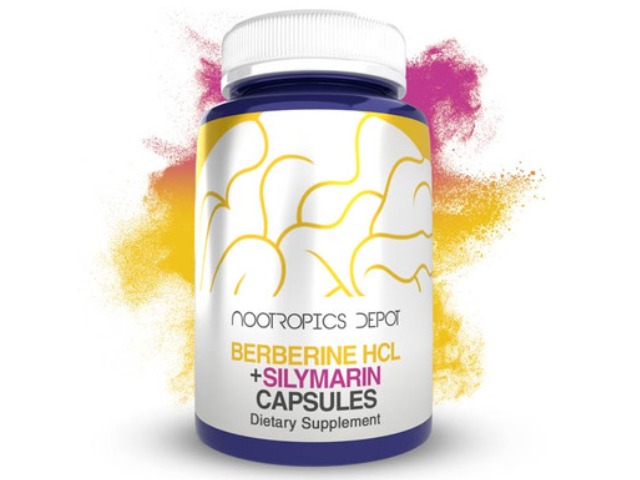
Nootropics Depot Berberine Hcl + Silymarin Tablets
Shop Now →Disclosure: These are affiliate links. I earn a small commission if you purchase — at no extra cost to you. I only recommend products I personally use or have thoroughly researched.
Research & Studies
This section includes 13 peer-reviewed studies referenced in our analysis.
Carcinogenic action of quinoxaline 1,4-dioxide in rats.
The Popeye syndrome--brachial artery entrapment as a result of muscular hypertrophy.
Comparison of tick and blood challenge for assessing immunity to Babesia bovis.
[Decisions for the future].
Randoms variance reduction in 3D PET.
Cell cycle proteins do not predict outcome in grade I infiltrating ductal carcinoma of the breast.
Silymarin sex-dependently improves cognitive functions and alters TNF-α, BDNF, and glutamate in the hippocampus of mice with mild traumatic brain injury.
Pharmaceutical prospects of Silymarin for the treatment of neurological patients: an updated insight.
Adjunctive silymarin supplementation and its effects on disease severity, oxidative stress, and inflammation in patients with Alzheimer's disease.
Silymarin ameliorates motor function and averts neuroinflammation-induced cell death in the rat model of Huntington's disease.
Showing 10 of 13 studies. View all →