I’ll be honest — I was an oat milk guy for a solid two years. Creamy lattes, overnight oats with an extra splash, the whole routine. Then I started wearing a continuous glucose monitor, and what I saw after my morning oat milk latte genuinely startled me. My blood sugar was spiking harder than it did after a bowl of white rice. That sent me down a research rabbit hole, and what I found changed how I think about this “health food” entirely.
Oat milk has pulled off one of the most impressive marketing coups in food history. It went from niche hipster drink to a $6 billion global market in under a decade. But popularity isn’t the same as nutrition. And once you look past the clean packaging and barista-foam Instagram posts, the science paints a very different picture — especially if you care about brain health, metabolic function, and actually getting nutrients from what you drink.
The Short Version: Oat milk is high in rapidly-digested carbs that spike blood sugar, low in quality protein, stripped of key nutrients during processing, and often loaded with seed oils and emulsifiers. For anyone optimizing cognition or metabolic health, it’s one of the worst dairy alternatives you can choose. Below, I break down the 7 biggest problems and what to do instead.
1. The Blood Sugar Problem Is Worse Than You Think
This is the one that gets me the most, because oat milk markets itself as a wholesome, heart-healthy choice — yet it drives blood sugar up faster than you’d expect from something that isn’t candy.
Here’s why. During manufacturing, oat starch undergoes enzymatic hydrolysis — enzymes break down the complex carbohydrates into simpler sugars. The result? A cup of Oatly original contains roughly 16 grams of carbohydrates, much of it in the form of rapidly-absorbed maltose and glucose. The glycemic index of oat milk lands between 60 and 80, compared to cow’s milk at 30–40 (Foods, 2023). That’s not a small difference. That’s nearly double the glycemic impact.
A single serving can spike your blood glucose 20–50% more than the equivalent amount of cow’s milk. And if you’re having two cups a day in lattes or cereal? You’re looking at a glycemic load that rivals a glass of orange juice.
Reality Check: Even “unsweetened” oat milk isn’t low-sugar. The sugars come from the oats themselves — they’re intrinsic, not added. Brands exploit the “no added sugar” label while delivering 7–16 grams of carbs per cup. Read the nutrition panel, not the front of the box.
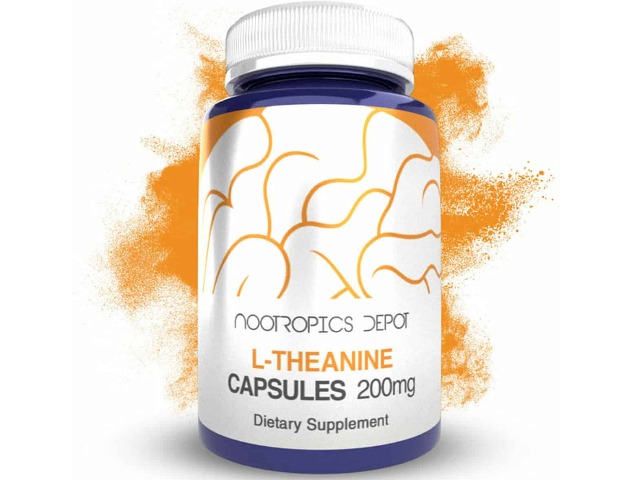
For your brain, this matters. Repeated glucose spikes drive neuroinflammation and impair the kind of sustained focus you need for deep work. If you’re already using L-Theanine to smooth out your energy, pairing it with a high-glycemic milk is working against yourself. Research on glycemic blunting suggests combining 200mg of L-Theanine with a fat source can reduce glucose excursions by roughly 25% — but the smarter move is just choosing a lower-glycemic base in the first place.
Bottom line for keto and low-carb folks: Oat milk is categorically incompatible. At 7–16 grams of net carbs per cup, a single latte can blow through half your daily carb budget. Unsweetened almond milk (1–2g carbs) or coconut milk (1–2g carbs) are far better options.
2. The Protein Is Almost Nonexistent (And What’s There Is Low Quality)
If you switched from cow’s milk to oat milk thinking you’d get similar nutrition, the protein gap is where reality hits hardest.
One cup of cow’s milk delivers about 8 grams of complete protein with a Digestible Indispensable Amino Acid Score (DIAAS) of 116 — meaning it exceeds what your body needs for full utilization. Oat milk? You’re looking at 2–3 grams per cup, with a DIAAS of just 57 (Foods, 2023). That’s less than half the bioavailability, on top of less than half the quantity.
The specific bottleneck is lysine — an essential amino acid critical for collagen synthesis, calcium absorption, and neurotransmitter production. Oats are lysine-limited, meaning they can’t supply what your body needs no matter how much you drink. Over time, a lysine shortfall can impair muscle recovery, immune function, and cognitive performance.
| Metric | Cow’s Milk (1 cup) | Oatly Original (1 cup) | Elmhurst Unsweetened (1 cup) |
|---|---|---|---|
| Calories | 149 | 120 | 80 |
| Protein | 8g | 3g | 2g |
| Carbs | 12g (lactose) | 16g | 5g |
| DIAAS Score | 116 | 57 | ~57 |
| Lysine | Adequate | Limited | Limited |
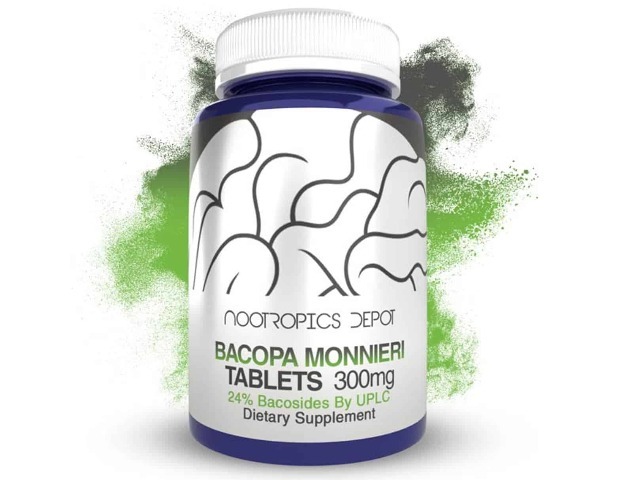
Insider Tip: If you’re committed to oat milk, supplement the protein gap directly. Adding a scoop of pea or rice protein helps, but for cognitive support specifically, Bacopa Monnieri (300mg standardized extract) pairs well with lysine supplementation (1–3g/day) to offset the memory and focus downsides of inadequate amino acid intake.
This matters even more for children. A 2023 review in Foods specifically recommended against full dairy replacement with oat milk for kids under 5, citing inadequate protein quality and quantity for growth and neurodevelopment.
3. Anti-Nutrients That Steal Your Minerals
Here’s a topic that rarely makes it into the oat milk conversation: phytates and oxalates.
Phytic acid, naturally present in oats, acts as a mineral chelator — it binds to iron, zinc, calcium, and magnesium in your gut, forming insoluble complexes that your body can’t absorb. A 2024 analysis in Frontiers in Nutrition confirmed that phytates and oxalates in commercial oat milk products measurably reduce mineral bioavailability.
The practical impact? Even if your oat milk is fortified with calcium, the phytic acid in the same drink is partially blocking its absorption. You’re not getting what the label promises.
This creates a particularly insidious problem for people who are already supplementing with minerals like magnesium or zinc. If you’re taking your supplements with an oat milk latte, you could be throwing money down the drain — phytates don’t distinguish between dietary minerals and supplemental ones.
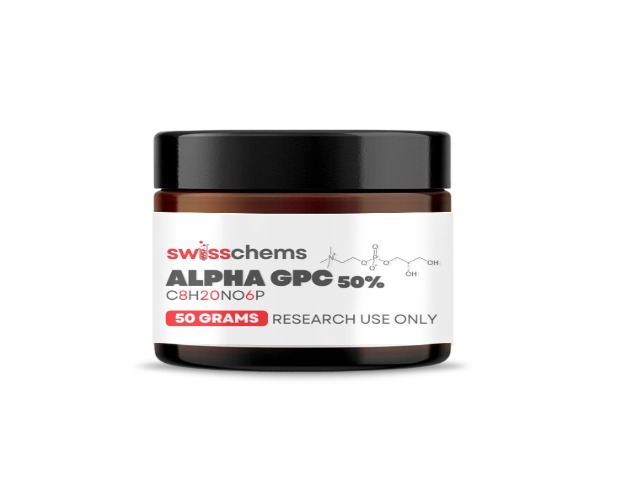
Pro Tip: If you do drink oat milk, space it at least 2 hours from any mineral supplements, including zinc, magnesium, iron, and calcium. And consider adding Alpha-GPC (300mg) to your stack for choline — a nutrient oat milk provides essentially none of, yet your brain needs for acetylcholine synthesis and memory consolidation.
The workaround that traditional cultures knew: Soaking, sprouting, and fermenting grains dramatically reduces phytic acid content. Interestingly, the 2023 Foods review noted that fermentation of oat-based products improves lysine and alanine digestibility. But almost no commercial oat milk uses fermentation — the enzymatic hydrolysis process that makes oat milk creamy doesn’t address phytates the way traditional preparation methods do.
4. The Additives Your Gut Didn’t Ask For
Flip over a carton of most commercial oat milks and you’ll find a supporting cast of ingredients that have nothing to do with oats: rapeseed (canola) oil, sunflower oil, dipotassium phosphate, gellan gum, and various emulsifiers.
These aren’t there for your health. They’re there for texture, shelf stability, and that satisfying foam your barista loves. But the emerging evidence on some of these additives — particularly seed oils and emulsifiers — suggests they may be quietly undermining gut health.
Animal studies have linked common emulsifiers to disrupted gut mucosa and increased intestinal permeability — what’s colloquially called “leaky gut.” While we can’t directly extrapolate animal data to humans, the signal is concerning enough that researchers continue to investigate. And rapeseed oil adds omega-6 fatty acids to a diet that, for most people, is already drowning in them. An unfavorable omega-6 to omega-3 ratio is associated with chronic inflammation — the exact thing you’re trying to reduce when you’re working on brain health.
| Oat Milk Brand | Key Additives | Third-Party Testing |
|---|---|---|
| Oatly Full Fat | Rapeseed oil, dipotassium phosphate | Some NSF batches |
| Chobani Oat | Canola oil, gellan gum | USP verified |
| Elmhurst Unsweetened | None (just oats, water, salt) | Clean Label Project |
| Planet Oat Extra Creamy | Sunflower oil, vitamin blend | None public |
| MALK Oat | Sea salt only | Organic, heavy metals tested |
Reality Check: Not all oat milks are created equal. Elmhurst and MALK skip the seed oils and emulsifiers entirely. If you’re going to drink oat milk, these cleaner options minimize the additive burden. But they still carry the carb and protein problems above.
For anyone already investing in gut health through probiotics or targeted supplements like L-Glutamine, chugging emulsifier-laden oat milk is a step backward.
5. Processing Destroys the Best Part of Oats (Beta-Glucans)
Here’s the great irony of oat milk. The single best nutritional argument for oats — their beta-glucan soluble fiber, which genuinely helps lower LDL cholesterol — gets significantly degraded during the manufacturing process.
Intact oat beta-glucans have a molecular weight around 2,748 kDa. That’s the form that creates the viscous gel in your gut, slowing glucose absorption and binding cholesterol for excretion. But enzymatic hydrolysis — the same process that makes oat milk smooth and drinkable — shreds that molecular weight down to 350–893 kDa (Foods, 2023). That’s a 70–87% reduction in molecular size.
Does it still “contain beta-glucans”? Technically, yes. Does it deliver the same clinical benefit as eating a bowl of whole oats? Almost certainly not. The cholesterol-lowering effect of beta-glucans is directly tied to their molecular weight and viscosity. Lower molecular weight = less viscosity = less benefit.
A proxy meta-analysis from 2022 (covering over 1,000 participants) showed intact oat beta-glucans reduced LDL cholesterol with a standardized mean difference of -0.07. But that data comes from whole oat or high-molecular-weight beta-glucan supplementation — not from processed oat milk where the beta-glucans have been enzymatically chopped up.
Insider Tip: If you actually want beta-glucan benefits, skip the oat milk and take a dedicated beta-glucan supplement (500mg, high molecular weight). You’ll get a standardized dose in the form that clinical trials actually tested, without the blood sugar spike, seed oils, or protein deficit.
6. The Iodine Gap Nobody Talks About
This one flew under my radar until a 2024 analysis published in Clinical & Experimental Allergy flagged it: most oat milks contain virtually no iodine — a critical micronutrient for thyroid function, metabolic rate, and neurodevelopment.
Cow’s milk is one of the primary dietary sources of iodine in Western diets. When people switch to oat milk without compensating, they can quietly slide into insufficiency. This is particularly risky for women aged 18–40, where iodine deficiency can impair thyroid function and, during pregnancy, fetal brain development.
The same analysis noted that free sugars in oat milk are often higher than consumers realize, despite “no added sugar” labeling — echoing the glycemic concerns from Point 1.
Unless your oat milk is specifically fortified with iodine (most aren’t — check the label), you’re creating a nutritional gap that your thyroid will eventually notice.
What to do about it:
- Choose iodine-fortified brands (target 150mcg per liter)
- If you’re vegan or dairy-free, consider a kelp-based iodine supplement (150mcg/day)
- Monitor thyroid markers (TSH, fT3, fT4) annually if you’ve fully replaced dairy
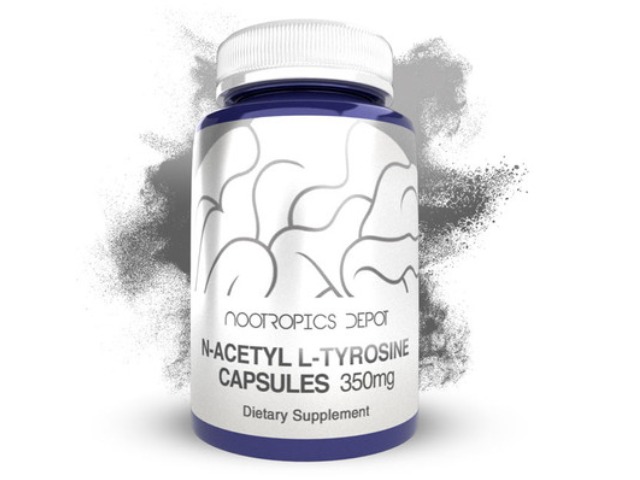
For cognitive optimization specifically, thyroid function is upstream of everything. An underperforming thyroid tanks your energy, focus, and motivation — no amount of L-Tyrosine or Rhodiola will fully compensate if the underlying thyroid issue isn’t addressed.
7. The “Better Than Dairy” Myth (And What the Science Actually Says)
Perhaps the most persistent misconception is that oat milk is nutritionally better than cow’s milk. The marketing implies it. The vibes suggest it. The evidence doesn’t support it.
A pilot randomized controlled trial launched in 2024 at the University of Bergen is the first head-to-head comparison of oat milk vs. cow’s milk on health outcomes. The study (n=30–40 women aged 18–40, 4-week intervention, 600ml/day) is measuring lipid profiles, iodine status via 24-hour urine, and thyroid markers. The researchers hypothesize that oat milk may lower total cholesterol by approximately 0.6 mmol/L via beta-glucans and PUFAs — but critically, this is a feasibility pilot. No outcome data has been published yet, and a fully powered confirmatory trial would need 174 participants per arm.
Until that data arrives, the honest answer is: we don’t have a single completed RCT directly comparing oat milk to cow’s milk on health outcomes. Everything else is extrapolation from compositional analyses and studies on isolated oat components.
What we do know from the available evidence:
- Oat milk has roughly half the calories but also half the protein and a much higher glycemic load
- Cow’s milk provides complete protein, naturally occurring calcium, iodine, B12, and vitamin A — oat milk provides these only if fortified, and bioavailability of fortified nutrients is less established
- The environmental argument — while real for greenhouse gas emissions — is more nuanced than marketing suggests when you factor in water use, land use for oat cultivation, and processing energy
Important: None of this means dairy is perfect or right for everyone. Lactose intolerance affects roughly 68% of the global population. If you can’t do dairy, that’s completely valid. The point is: choose your alternative with open eyes, not marketing hype.
The Smarter Protocol (What to Do Instead)
If you’ve been relying on oat milk and you’re now rethinking things, here’s a practical framework:
If you tolerate dairy:
- Organic, grass-fed whole milk or kefir (fermented = better gut profile)
- Start with 1 cup/day for 4 weeks; track how you feel and consider bloodwork for lipids
If you’re dairy-free:
- For keto/low-carb: Unsweetened coconut milk + MCT Oil (C8 caprylic acid) for ketone support and sustained mental energy
- For general health: Unsweetened almond milk (low carb, minimal interference with mineral absorption) or Elmhurst unsweetened oat milk (cleanest option if you insist on oat)
- For protein needs: Pea protein milk blends (Ripple delivers 8g protein/cup)
Supplement the gaps regardless:
- Alpha-GPC (300mg) — choline that oat milk doesn’t provide
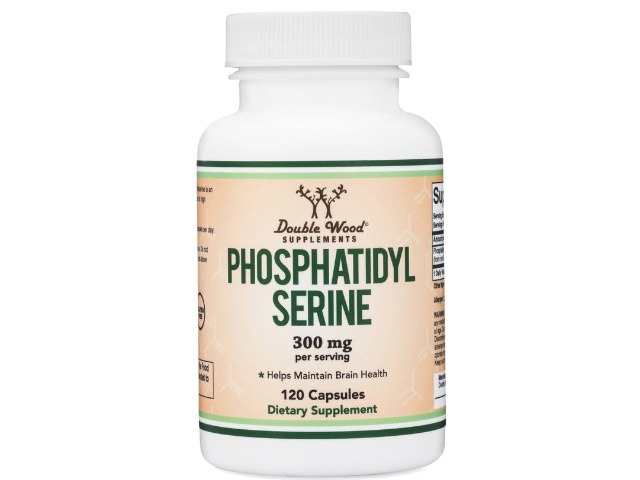
- Phosphatidylserine (100mg) — stress buffer against glucose-driven cortisol spikes
- L-Theanine (200mg) — smooth sustained focus, counteracts carb crashes
- Vitamin D3 (2,000 IU) — especially if your alt-milk has poor fortification
- Iodine (150mcg from kelp) — non-negotiable if fully dairy-free
Pro Tip: Timing matters. Whatever milk alternative you use, space it 2 hours from mineral supplements (zinc, magnesium, iron) to avoid phytate interference. And if you’re testing blood sugar response, a CGM worn for even 2 weeks will teach you more about your body’s reaction to different milks than any article can.
My Take
Look, I’m not here to demonize oat milk. I drank it for years, and it tastes great — I get the appeal. But as someone who’s spent a decade digging into nutritional science and optimizing my own cognition, I can’t in good conscience call it a “health food.”
The glycemic load is too high. The protein is too low and too incomplete. The processing destroys the very compound (beta-glucans) that makes oats worth eating. And the additives in most commercial brands are the opposite of what you want if you’re building a clean nootropic stack.
The biggest issue? Most people switching to oat milk think they’re making a healthier choice, when they’re often making a less nutritious one — especially for brain health. Your brain runs on stable glucose, adequate amino acids, choline, iodine, and quality fats. Oat milk is weak on every single one of those fronts.
If you’re serious about cognitive performance, start with the foundations: quality protein, stable blood sugar, and the right nootropic stack built around your individual needs. Bacopa Monnieri for memory. Alpha-GPC for acetylcholine. L-Tyrosine for dopamine under stress. Phosphatidylserine for cortisol management. Those are the levers that actually move the needle — not which trendy milk you pour in your coffee.
Choose based on data, not marketing. Your brain will thank you.