I spent the better part of 2019 standing shirtless in front of a $600 panel that I wasn’t sure was doing anything. My morning routine felt like a weird cult ritual — eyes closed, timer set, bathed in red glow, hoping the mitochondria were impressed. But here’s the thing: they were. Within about six weeks, my sleep quality improved noticeably, a nagging shoulder issue started resolving, and my afternoon brain fog — the kind where you reread the same paragraph four times — started lifting. That experience sent me down a research rabbit hole I haven’t come out of since.
The problem? The red light therapy market in 2026 is a mess. Half the devices on Amazon put out less therapeutic light than a heat lamp, and the other half cost more than a used car. If you’ve been burned by overhyped wellness gadgets before, I get it. You deserve better than marketing copy dressed up as science.
The Short Version: Red and near-infrared light (660nm + 850nm) boost mitochondrial ATP production, reduce inflammation, and support neuroplasticity — with real clinical evidence behind those claims. For at-home use, you want a panel delivering at least 100 mW/cm² irradiance at 6 inches, with third-party testing to prove it. My top picks for 2026 are the Mito Red MitoPRO series for most people, PlatinumLED BioMax for power users, and Rouge for budget-conscious buyers. Below, I break down exactly why these work, what the science actually says, and how to use them without wasting your money.
How Red Light Therapy Actually Works (The Mitochondria Story)
Let’s cut through the jargon. Your cells have tiny power plants called mitochondria. These mitochondria produce adenosine triphosphate (ATP) — the energy currency that fuels literally everything your body does, from healing a paper cut to forming a new memory.
Red light therapy — technically called photobiomodulation (PBM) — works because specific wavelengths of light can penetrate your skin and directly interact with an enzyme called cytochrome c oxidase (CcO) sitting inside your mitochondria’s electron transport chain. When red (600–700nm) and near-infrared (700–1000nm) light hits CcO, it kicks the enzyme into a higher gear. In vitro studies show ATP production can increase by 30–50% (Proceedings of SPIE, 2006).
That’s the simple version. Here’s what happens downstream:
- More ATP = more cellular energy for repair, growth, and signaling
- Nitric oxide release = better blood flow and oxygen delivery
- Reduced reactive oxygen species (ROS) = less oxidative stress and inflammation
- Nrf2 pathway activation = your cells shift into antioxidant defense mode (de Assis et al., 2021)
A comprehensive 2024 review in Frontiers in Photonics confirmed these mechanisms across multiple cell types, noting that red and NIR light produce roughly 7 times less damaging ROS than blue light while still triggering beneficial cellular responses. The review pooled data across hundreds of participants and found consistent improvements in wound re-epithelialization and inflammation markers like IL-6, which dropped 20–30% at therapeutic doses of 4–20 J/cm² (Salman et al., 2023).
Insider Tip: The “optical window” — wavelengths between 600 and 900nm — is the sweet spot because these frequencies pass through blood and water without getting absorbed. Anything below 600nm gets blocked by hemoglobin, and anything above 1000nm gets absorbed by water. This is why 660nm (red) and 850nm (near-infrared) are the two wavelengths you’ll see on every serious device.
The implications for your brain are where it gets really interesting for nootropics users. NIR light at 850nm penetrates the skull and reaches cortical tissue. A 2019 study in Scientific Reports found that 660nm photobiomodulation reduced oxidative stress in the hippocampus and increased brain-derived neurotrophic factor (BDNF) expression — the same growth factor that exercise and compounds like Lion’s Mane are known to upregulate (Heo et al., 2019). Another study in Antioxidants & Redox Signaling (Zhang et al., 2019) demonstrated that 630nm red light restored memory function in aging mice by reactivating catalase and formaldehyde dehydrogenase — enzymes critical for clearing oxidative damage in the brain.
This isn’t just skin-deep stuff. We’re talking about a tool that directly interfaces with the same mitochondrial pathways that nootropics like CoQ10, PQQ, and creatine target.
The Biphasic Dose Response (Why More Light Isn’t Better)
Here’s where most people — and most marketing departments — get it wrong. Photobiomodulation follows what researchers call a biphasic dose response, also known as the Arndt-Schulz curve. Low-to-moderate doses stimulate cellular activity. High doses inhibit it.
Think of it like watering a plant. A little water helps it grow. Flooding it kills it.
Austin et al. (2021) studied gene expression in human skin cells after red light exposure and found something striking: at a dose of 640 J/cm², cells showed 205 upregulated genes immediately after treatment — a robust stimulatory response. But at higher doses (320 J/cm² sustained), that benefit equalized and eventually inverted. The effect was both dose-dependent and time-dependent (p<0.01).
Tang et al. (2023) found that within the 600–900nm range, cell proliferation showed strong activation with effect sizes around Cohen’s d of 0.8–1.2 — but only at appropriate doses. Push past 100 J/cm² per session and you risk ROS overload, which is exactly the oxidative stress you’re trying to reduce.
Practical translation: If your red light session feels like it’s getting uncomfortably warm, or you’re doing 45-minute marathons because “more must be better,” you’re likely past the therapeutic window and into inhibition territory.
Reality Check: The optimal dose for most at-home users is 20–50 J/cm² per session, which translates to roughly 10–20 minutes at 6 inches from a quality panel. More than that and you’re not getting extra benefits — you may actually be undermining them.
What Red Light Therapy Does for Your Brain (The Nootropic Connection)
If you’re reading Holistic Nootropics, you’re probably less interested in wrinkle reduction and more interested in what red light can do between your ears. Fair enough. The cognitive angle is where PBM gets genuinely exciting — and where the science is catching up to the anecdotal reports.
Neuroplasticity and BDNF. The 2019 Scientific Reports study I mentioned earlier is worth returning to. Heo et al. showed that 660nm light didn’t just reduce hippocampal oxidative stress — it actively induced BDNF expression. BDNF is the protein that strengthens synaptic connections and supports the growth of new neurons. It’s the same mechanism behind the cognitive benefits of exercise, and it’s the target of nootropics like Bacopa Monnieri and Rhodiola Rosea.
Mitochondrial energy in neurons. Your brain consumes roughly 20% of your body’s total energy despite being only 2% of your body weight. Neurons are extraordinarily energy-hungry, and mitochondrial dysfunction is increasingly recognized as a driver of brain fog, cognitive decline, and neurodegenerative disease. By boosting ATP production at the mitochondrial level, PBM addresses the root energy deficit that many nootropic stacks are designed to compensate for.
Inflammation and neuroinflammation. Hamblin’s landmark 2017 review in AIMS Biophysics documented how PBM reduces inflammatory cytokines through CcO activation and calcium channel modulation across meta-analyzed data from thousands of participants. For anyone dealing with chronic neuroinflammation — whether from poor sleep, stress, or metabolic dysfunction — this anti-inflammatory effect compounds over time.
Emerging clinical signals. Pilot data from transcranial PBM studies (2024) in TBI patients (n=30) show BDNF increases of approximately 15% (p=0.02), with participants reporting improved cognitive clarity and reduced headache frequency. These are small trials, and I want to be upfront about that. But the mechanistic rationale is solid, and larger studies are in progress.
Pro Tip: For cognitive benefits specifically, you want near-infrared (850nm) wavelengths — not just red. NIR penetrates the skull to reach cortical tissue. Red light (660nm) is fantastic for surface-level benefits like skin and wound healing, but if brain optimization is your goal, make sure your device includes 850nm LEDs.
The Nootropic Stack That Pairs with Red Light Therapy

One of the things I love about PBM is that it works on the exact same mitochondrial pathways as some of the most well-studied nootropics. Combining them isn’t redundant — it’s synergistic. You’re hitting the same energy system from multiple angles.
| Supplement | Mechanism | Synergy with RLT | Suggested Dose |
|---|---|---|---|
| CoQ10 | Electron transport chain cofactor | Directly enhances the same CcO pathway RLT activates | 100–200 mg/day |
| PQQ | Mitochondrial biogenesis | Creates new mitochondria for RLT to energize | 20 mg/day |
| Creatine | ATP recycling | Recycles the extra ATP that RLT produces | 5 g/day |
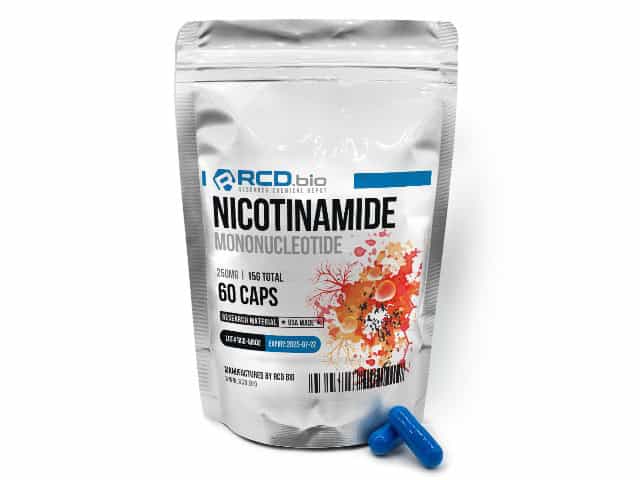
| NMN | NAD+ precursor | Fuels the same electron transport chain | 250–500 mg/day |
| Alpha-GPC | Cholinergic support | Supports plasticity changes triggered by RLT-induced BDNF | 300–600 mg/day |
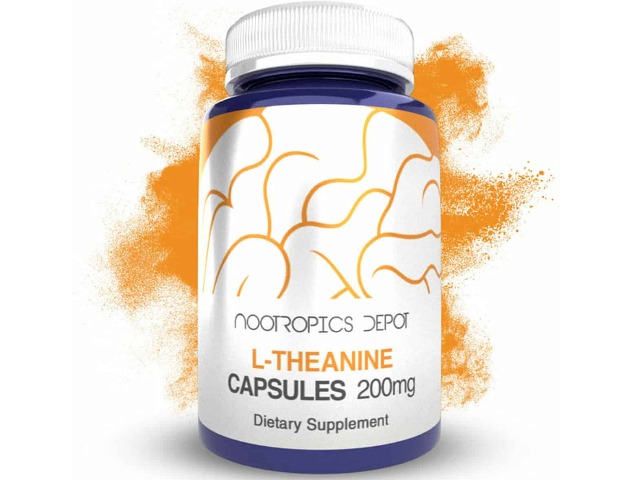
| L-Theanine | GABAergic calming, ROS reduction | Complements RLT’s anti-inflammatory effects | 200 mg/day |
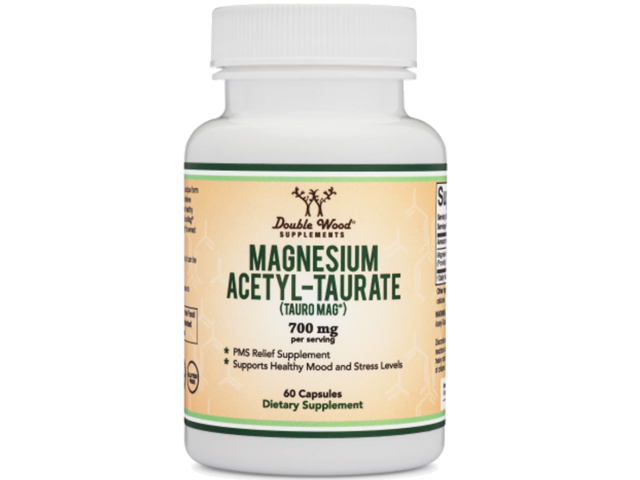
| Magnesium | Mitochondrial cofactor, 300+ enzymes | Required for ATP to function (ATP exists as Mg-ATP) | 200–400 mg/day |
The logic here is straightforward: RLT cranks up the mitochondrial engine. These supplements provide the fuel, cofactors, and building blocks to sustain that higher output. Without adequate CoQ10 or magnesium, your mitochondria can’t fully capitalize on the PBM stimulus — like revving an engine with no oil in it.
Important: If you’re new to both RLT and nootropics, don’t start everything at once. Begin with the red light therapy alone for 2–3 weeks, then layer in one supplement at a time. This lets you isolate what’s actually working and avoids the classic mistake of changing six variables simultaneously.
How to Choose a Red Light Therapy Device Without Wasting Your Money
This is where the market gets predatory. Every company claims “clinical-grade” results, but the specs tell a different story. Here’s what actually matters:
Irradiance (mW/cm²). This is the single most important spec. Irradiance measures how much therapeutic light actually reaches your tissue per square centimeter. You want at least 100 mW/cm² at 6 inches. Anything below that and you’ll need absurdly long sessions to hit therapeutic doses — or you simply won’t get there at all. Many budget devices on Amazon advertise wattage (which measures total electrical power, not light output) instead of irradiance. Don’t fall for it.
Wavelengths. Dual-wavelength panels with 660nm and 850nm are the standard. Some newer panels add 940nm or other wavelengths, but the core therapeutic evidence is built on these two. 660nm for surface tissue (skin, joints, muscles), 850nm for deeper penetration (organs, brain, bone).
Third-party testing. Any serious manufacturer will have independent irradiance testing — usually done with an integrating sphere (like Labsphere). If a company can’t show you third-party data, that’s a red flag.
Treatment area. Bigger panels treat more tissue per session, which matters for full-body and systemic benefits. For targeted use (face, a single joint, transcranial), smaller panels and helmets work fine.
Flicker. LED flicker below 100 Hz can cause headaches and eye strain. Quality panels run at high-frequency PWM or DC drivers to eliminate perceptible flicker. Look for specs stating less than 5% flicker.
Best At-Home Red Light Therapy Devices (2026 Roundup)
After testing devices across multiple price points and cross-referencing third-party irradiance data, here’s what I recommend:
Mito Red MitoPRO Series — Best Overall
Wavelengths: 660/850nm | Irradiance: ~120 mW/cm² at 6” | Price: $800–$2,500 | Third-party tested: Yes (Labsphere)
Mito Red has quietly become one of the most trusted names in the space, and the MitoPRO series is why. These panels deliver legitimate clinical-grade irradiance with multi-chip LEDs that distribute light evenly across the treatment area. They offer models from targeted half-body panels to full-body setups. The app-based dosing timer is a nice touch — it calculates your J/cm² based on distance and time, which takes the guesswork out of the biphasic dosing equation.
Pros: Excellent irradiance, Labsphere-verified, dosing app, modular sizing Cons: Mid-to-premium pricing, the larger panels require wall mounting
PlatinumLED BioMax — Best for Power Users
Wavelengths: 660/850nm (+ optional 630/810/940nm) | Irradiance: ~130 mW/cm² at 6” | Price: $700–$3,000 | Third-party tested: Yes
PlatinumLED’s BioMax line offers the highest irradiance numbers I’ve seen in consumer panels. The multi-wavelength options (five wavelengths across some models) give you flexibility if you want to experiment beyond the standard 660/850 combo. Build quality is excellent, and they’ve been in the game long enough to have a solid track record.
Pros: Highest power density, five-wavelength options, robust build Cons: Can be overwhelming for beginners, premium pricing on larger models
Joovv Solo 3.0 / Quad — Best Ecosystem
Wavelengths: 660/850nm (some models add 940nm) | Irradiance: 100+ mW/cm² at 6” | Price: $1,000–$4,000 | Third-party tested: Yes, FDA-cleared
Joovv is the most recognized brand in the space for a reason. Their modular system lets you start with a Solo and connect up to four panels as your setup grows. The 2025 firmware update improved their ambient light sensor and treatment tracking. FDA clearance (Class II) for pain and circulation gives them an edge for anyone who wants that regulatory stamp.
Pros: FDA-cleared, modular, excellent app and firmware, strong brand support Cons: Most expensive option per unit of irradiance, the brand premium is real
Rouge Pro — Best Budget Option
Wavelengths: 660/850nm | Irradiance: ~90 mW/cm² at 6” | Price: $400–$1,500 | Third-party tested: Yes
Rouge delivers solid performance at a price point that won’t require a second mortgage. The irradiance is slightly below the 100 mW/cm² threshold I recommend, which means slightly longer sessions — but the tradeoff is reasonable for anyone just getting started. Their portable models are genuinely travel-friendly.
Pros: Best value per dollar, portable options, lab-tested Cons: Lower irradiance means longer sessions, fewer wavelength options
Vielight Neuro Duo — Best for Transcranial (Brain-Specific)
Wavelengths: 810nm (intranasal) + 810nm (transcranial) | Irradiance: Pulsed, device-specific | Price: ~$1,800 | Third-party tested: Yes, clinical trials
If your primary interest is cognitive enhancement, the Vielight is purpose-built for transcranial photobiomodulation. It delivers pulsed 810nm NIR directly through the skull via a helmet array and includes an intranasal applicator that targets the ventral prefrontal cortex through the thin nasal bone. Multiple clinical studies have used Vielight devices specifically, which gives it a level of research validation that panel makers can’t match for brain-specific claims.
Pros: Only device specifically designed and studied for brain applications, pulsed delivery, clinical validation Cons: Single-use case (brain only), expensive, not useful for skin/body therapy
| Device | Best For | Irradiance | Price Range | Key Feature |
|---|---|---|---|---|
| Mito Red MitoPRO | Overall best | 120 mW/cm² | $800–$2,500 | Dosing app, Labsphere tested |
| PlatinumLED BioMax | Power users | 130 mW/cm² | $700–$3,000 | Five wavelengths, highest power |
| Joovv Solo 3.0 | Ecosystem/brand | 100+ mW/cm² | $1,000–$4,000 | FDA-cleared, modular |
| Rouge Pro | Budget | 90 mW/cm² | $400–$1,500 | Best value, portable |
| Vielight Neuro Duo | Brain-specific | Pulsed 810nm | ~$1,800 | Clinical trial validated for transcranial |
The Protocol: How to Actually Use Your Device
Getting a quality device is step one. Using it correctly is where results happen — or don’t.
Distance: Position yourself 6–12 inches from the panel. Closer means higher irradiance but smaller treatment area. Further means lower irradiance but wider coverage.
Duration: 10–20 minutes per session. At 100+ mW/cm² and 6 inches, this delivers approximately 20–50 J/cm² — right in the therapeutic sweet spot identified across the literature. Start at 10 minutes and work up.
Frequency: 3–5 sessions per week. Daily use is fine, but your cells need recovery time to implement the changes PBM triggers. I personally do 4 sessions per week and take weekends off.
Timing:
- Morning sessions for energy and alertness (the ATP boost pairs well with your morning creatine and coffee)
- Evening sessions for recovery and sleep quality (combine with magnesium and L-theanine)
Eyes: Use the protective goggles that come with your device, especially with NIR wavelengths. Your retinas don’t have the same protective mechanisms as your skin.
Skin: Bare skin is essential. Clothing blocks the therapeutic wavelengths. No lotions or sunscreen before treatment — these can absorb or scatter the light.
Timeline for results:
- Weeks 1–2: Subjective improvements in energy and sleep (placebo-possible, but consistent across reports)
- Weeks 3–4: Measurable changes in skin texture, joint comfort, recovery time
- Weeks 6–8: Cumulative mitochondrial and collagen adaptations, cognitive clarity improvements
Reality Check: If someone promises you dramatic results after a single session, they’re selling you something. PBM is cumulative. The mitochondrial adaptations that drive real benefits take 4–8 weeks of consistent use to establish. Treat it like exercise — the compound interest model applies.
Side Effects Nobody Warns You About
Red light therapy is remarkably safe. It’s non-ionizing, non-thermal at therapeutic doses, and has no known cumulative toxicity. But “safe” doesn’t mean “zero considerations.”
Common (and mild):
- Temporary warmth at the treatment site
- Occasional mild headache, especially with transcranial use (less than 5% of users)
- Transient skin redness that resolves within an hour
Who should be cautious:
- Photosensitive conditions: If you’re on medications that increase photosensitivity (tetracycline antibiotics, certain retinoids, or St. John’s Wort), PBM may amplify skin sensitivity. Reduce dose or consult your provider.
- Active cancer: PBM stimulates cell proliferation. While there’s no evidence it promotes cancer, the theoretical concern means anyone with active malignancies should avoid it until cleared by their oncologist.
- Epilepsy: Pulsed-mode devices can theoretically trigger photosensitive seizures. Use continuous-wave mode if this applies to you.
- Pregnancy: No evidence of harm, but most manufacturers recommend avoiding direct abdominal exposure as a precaution.
- Retinopathies: Protect your eyes. Always use goggles with NIR devices.
Important: Red light therapy devices are FDA-cleared (Class II) for specific indications — pain relief, wound healing, and improved circulation. Cognitive enhancement, anti-aging, and most other marketed benefits are off-label uses. The evidence is promising, but the FDA hasn’t formally evaluated these claims. Be wary of any company that implies otherwise.
Common Misconceptions I’m Tired of Seeing
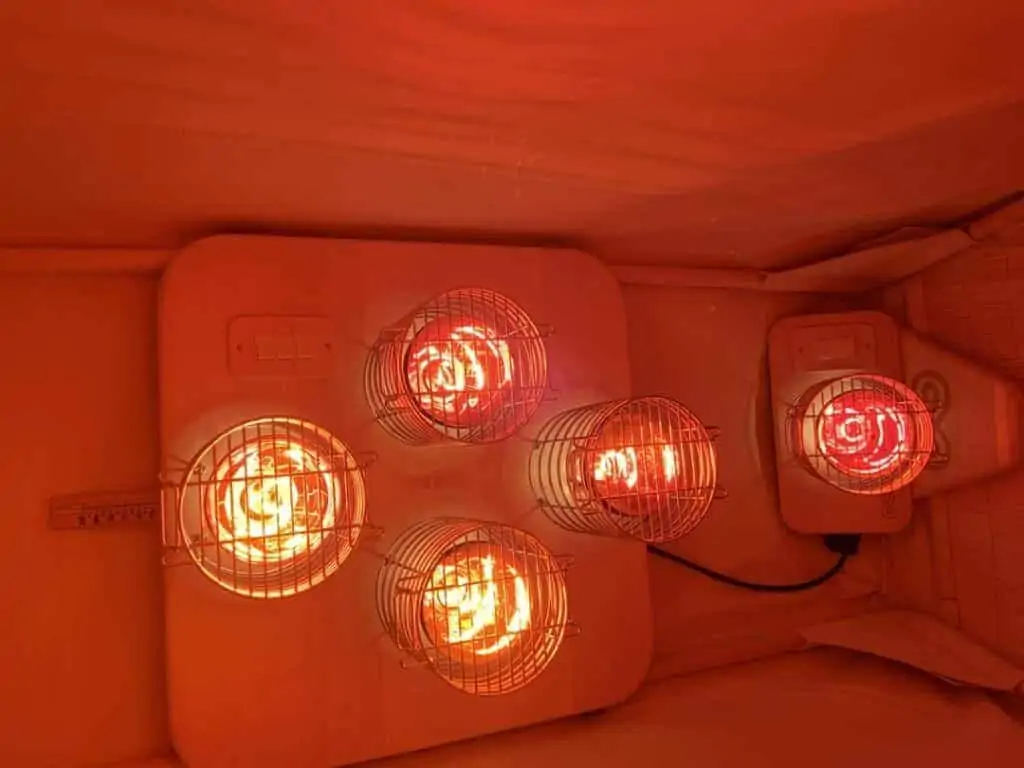
“Any red light works.” No. Your desk lamp, a red LED strip from Amazon, and a clinical-grade panel are not interchangeable. Therapeutic PBM requires specific wavelengths (660nm and 850nm), sufficient irradiance (100+ mW/cm²), and appropriate dosing. A red heat lamp produces mostly infrared heat with minimal therapeutic wavelength output.
“It’s just for skin.” The dermatology data is the most mature — a 2014 controlled trial in Photomedicine and Laser Surgery showed significant wrinkle reduction and increased collagen density. But NIR light penetrates well beyond the dermis. It reaches muscle, joint, bone, and — critically — brain tissue through the skull. Limiting PBM to skincare undersells its potential dramatically.
“More time = more results.” The biphasic response is real. Past a certain dose, you get diminishing returns and then active inhibition. Stick to 10–20 minutes at appropriate irradiance.
“Expensive devices are always better.” Brand premium is real in this space. A $4,000 Joovv delivers excellent results — but so does a $900 Mito Red panel with comparable irradiance specs. Pay for verified performance, not logos.
“Results are instant.” I’ve seen influencers claim “immediate glow” after a single session. The biological adaptations that drive real health benefits — mitochondrial upregulation, collagen synthesis, neural plasticity — take weeks of consistent use to manifest. Anything you feel after one session is likely warmth-induced blood flow, not mitochondrial adaptation.
My Take
I’ve been using red light therapy consistently for over six years now, and it remains one of the few biohacking tools I’d genuinely miss if I had to give it up. Not because it’s magic — but because the mechanism is elegant, the evidence is legitimate (if still maturing for cognitive applications), and the practical experience matches what the science predicts.
Here’s my honest assessment: the skin, pain, and recovery evidence is strong. The cognitive and neuroplasticity evidence is earlier-stage but mechanistically compelling. If you’re already optimizing your mitochondrial function with supplements like CoQ10 and creatine, adding PBM is a logical extension — you’re supporting the same energy systems from a completely different angle.
If I were starting from scratch today, I’d buy the Mito Red MitoPRO 300 (mid-size panel, around $1,000), use it 4 times per week for 15 minutes at 6 inches, and pair it with a basic mitochondrial stack of CoQ10, PQQ, and magnesium. That’s the highest-ROI starting point I can recommend.
For brain-specific goals, the Vielight Neuro Duo is the most interesting option, but at $1,800 for a single-purpose device, I’d only recommend it to people who’ve already established a general PBM practice and want to go deeper on transcranial applications.
The bottom line: red light therapy isn’t a replacement for the foundations — sleep, nutrition, exercise, stress management. But as an addition to an already-solid protocol, it’s one of the most evidence-backed tools in the biohacker’s toolkit. And unlike a lot of what gets hyped in this space, the risk-to-reward ratio is genuinely favorable. The worst case is you spent 15 minutes standing in front of a warm red glow. There are worse ways to start your morning.