I spent a solid year recommending cinnamon to anyone who’d listen. “Just add it to your coffee,” I’d say, rattling off study abstracts about amyloid plaque reduction and memory improvements. Then I actually dug into the full papers — and realized almost every impressive result came from rats, not humans.
That’s the uncomfortable truth about cinnamon and brain health. The preclinical data is genuinely exciting. The human evidence? Two small studies with mixed results. Most articles online skip that part entirely, and I don’t think that serves you well.
The Short Version: Cinnamon contains compounds — especially cinnamaldehyde and cinnamic acid — that show strong antioxidant and anti-inflammatory effects in the brain. A 2023 meta-analysis of 40 studies found significant cognitive improvements, but 33 of those studies were in animals. The two human trials were small and contradictory. Ceylon cinnamon at 1–2g/day is safe and potentially supportive, but this is not a proven cognitive enhancer in humans yet.
What Makes Cinnamon Interesting for the Brain (The Actual Mechanisms)
Cinnamon isn’t just a flavoring agent. It’s a concentrated source of bioactive compounds that interact with real neurological pathways. The three that matter most:
Cinnamaldehyde is the compound responsible for cinnamon’s flavor and most of its neuroprotective research. It activates the Nrf2 pathway — your cells’ master switch for antioxidant defense — which upregulates enzymes like superoxide dismutase and glutathione peroxidase. Think of it as turning up your brain’s built-in cleanup crew.
Cinnamic acid gets metabolized into sodium benzoate in the liver. This metabolite crosses the blood-brain barrier and has shown the ability to reduce amyloid-β levels in blood plasma — a biomarker tied to Alzheimer’s progression. More on this below, because it’s the most clinically interesting angle.
Eugenol provides additional antioxidant firepower, scavenging free radicals and dampening inflammatory cytokines like TNF-α and IL-6. If you’re interested in eugenol specifically, clove oil is a richer source.
| Compound | Primary Brain Mechanism | Where It Acts |
|---|---|---|
| Cinnamaldehyde | Nrf2 activation, antioxidant upregulation | Neurons, microglia |
| Cinnamic acid → Sodium benzoate | Amyloid-β reduction, BDNF expression | Blood-brain barrier, hippocampus |
| Eugenol | Free radical scavenging, TNF-α inhibition | Systemic, CNS |
| Proanthocyanidins | NF-κB pathway inhibition | Microglia, astrocytes |
These mechanisms overlap with what compounds like curcumin and resveratrol do — which is why you’ll sometimes see them stacked together in neuroprotection protocols. The shared pathway is NF-κB inhibition, which reduces the chronic low-grade neuroinflammation that accelerates cognitive decline.
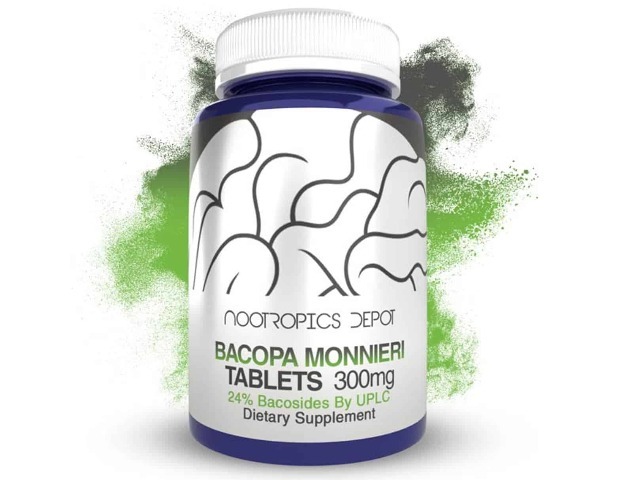
Insider Tip: Cinnamon’s antioxidant mechanisms are similar to those of Bacopa Monnieri, which also upregulates Nrf2 and supports BDNF. If you’re building a neuroprotection stack, these two complement each other at the mechanistic level.
The Evidence: What 40 Studies Actually Tell Us (And What They Don’t)
Here’s where most cinnamon articles lose the plot. They cite impressive numbers — “40 studies show cognitive improvement!” — without mentioning that 33 of those studies were in rodents.
The most comprehensive analysis to date is the Nakhaee et al. systematic review and meta-analysis, published in Nutritional Neuroscience in 2023. It evaluated 40 studies total: 17 in rats, 15 in mice, 1 in fruit flies, 5 in cell cultures, and just 2 in humans. Let me break down what each tier actually found.
The Preclinical Picture (Strong but Limited)
Across 33 animal studies, cinnamon and its isolated compounds consistently improved performance on memory and learning tests like the Morris water maze and passive avoidance tasks. Doses ranged from 50–500mg/kg, and the improvements held across Alzheimer’s, diabetes-induced cognitive impairment, and age-related decline models.
The mechanisms were clear: reduced amyloid-β aggregation, lower tau hyperphosphorylation, increased BDNF expression (brain-derived neurotrophic factor — the protein that supports new neuron growth), and reduced neuronal apoptosis.
One important outlier: a single study using 250–500mg/kg actually worsened memory performance. The authors flagged this as potentially dose-dependent toxicity — a reminder that more isn’t always better.
Reality Check: Animal studies are essential for understanding mechanisms, but they don’t predict human outcomes reliably. Rodent brains process compounds differently, doses don’t translate linearly, and behavioral tests in rats don’t map neatly onto human cognition. Every single one of these results needs human confirmation.
The Human Evidence (Thin and Mixed)
This is where honesty matters. There are only two human trials in the literature, and they point in different directions:
Study 1 — Adolescents chewing cinnamon gum (Positive): Participants who chewed cinnamon-flavored gum for 40 days showed improved memory scores and reduced anxiety compared to controls. Promising, but the study didn’t isolate cinnamon from the mechanical act of chewing (which itself boosts cerebral blood flow), and the sample was small.
Study 2 — Prediabetic adults taking 2g cinnamon in bread (Null): Adults under 60 with prediabetes consumed cinnamon-enriched bread daily. Despite improvements in blood sugar metrics, there was no measurable cognitive change. This is significant because it’s the more rigorous of the two designs.
No large-scale randomized controlled trials have been published as of early 2026. None are currently registered on ClinicalTrials.gov for cinnamon and cognition specifically. The preclinical promise has not yet been translated into human proof.
The Sodium Benzoate Angle (Most Clinically Interesting)
The most compelling human data actually comes from sodium benzoate — the downstream metabolite of cinnamic acid. Two trials (combined n≈100) gave 750–1000mg/day sodium benzoate to patients with mild Alzheimer’s over 24 weeks.
Results: significant reductions in plasma amyloid-β1-42 levels, with cognitive improvement most pronounced in patients who started with the highest amyloid baseline. Safety was comparable to placebo. This isn’t a cinnamon study per se, but it validates the metabolic pathway that makes cinnamon interesting for brain health.
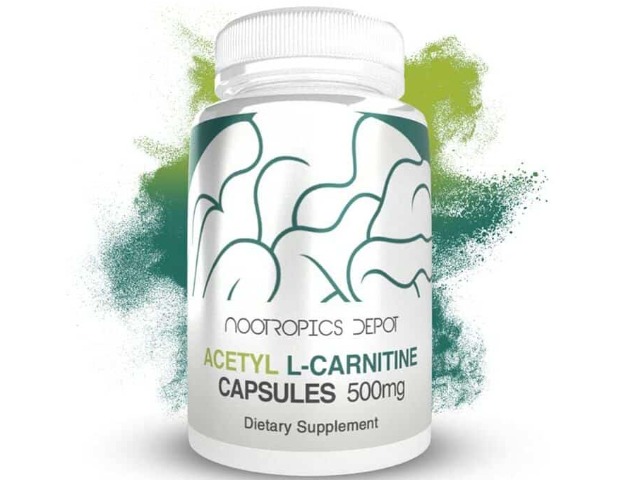
If you’re targeting neuroprotection specifically, Citicoline and Acetyl-L-Carnitine have stronger human evidence for supporting neuronal membrane integrity and mitochondrial function respectively.
The Ceylon vs. Cassia Problem (This Matters More Than You Think)
Not all cinnamon is created equal, and this distinction has real safety implications that most brain health articles ignore entirely.
| Property | Ceylon (C. verum) | Cassia (C. cassia) |
|---|---|---|
| Coumarin content | Trace (0.004%) | High (1%+) |
| Daily safety limit | 1–6g generally safe | <1g long-term (coumarin concern) |
| Flavor | Mild, complex | Strong, sharp |
| Cost | 3–5x more expensive | Cheap, widely available |
| Brain research basis | Most studies use cassia extracts | — |
Coumarin is hepatotoxic above approximately 0.1mg/kg bodyweight per day. A 70kg person hits that threshold with just 1–2g of cassia cinnamon daily. The European Food Safety Authority has flagged this repeatedly.
If you’re using cinnamon therapeutically — especially daily — Ceylon is the only responsible choice. The grocery store cinnamon on your shelf is almost certainly cassia.
Important: If you have liver disease, take medications metabolized by the liver, or are a CYP2A6 poor metabolizer, even moderate cassia cinnamon can accumulate coumarin to problematic levels. Stick with verified Ceylon sources and monitor liver enzymes if using doses above 3g/day.
A Practical Protocol (What I’d Actually Do)
Based on the current evidence — not the hype, not the rat studies, but a realistic reading of where things stand — here’s what makes sense:
For General Brain Health Support
- 1–2g Ceylon cinnamon powder daily, split between meals
- Add a pinch of black pepper (piperine) to enhance bioavailability — the same trick that works for curcumin
- Pair with a Mediterranean or lower-glycemic diet, since cinnamon’s blood sugar benefits are well-established and stable glucose supports brain function indirectly
For a Neuroprotection Stack
If you’re specifically concerned about cognitive decline or want to build a multi-target neuroprotection approach:
- Cinnamon (1g Ceylon) — Nrf2 activation, anti-inflammatory
- Bacopa Monnieri (300mg standardized extract) — BDNF support, memory consolidation
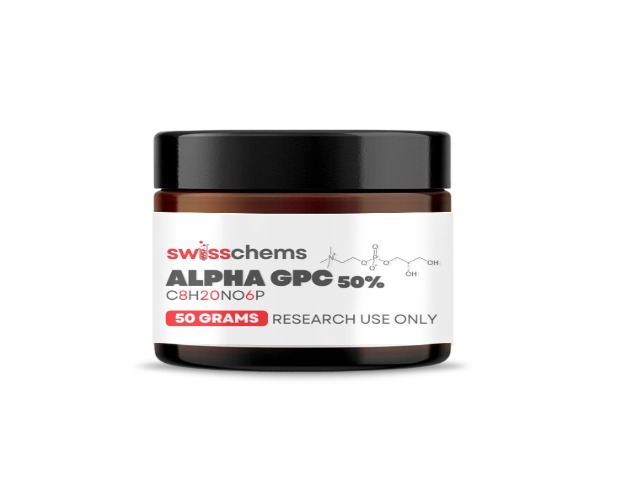
- Alpha-GPC (300mg) — Acetylcholine precursor, complementary cognitive pathway
- L-Theanine (200mg) — Calm focus, reduces potential overstimulation
This stack covers antioxidant defense, neurotrophin support, cholinergic function, and GABAergic calm — four distinct pathways rather than redundant mechanisms.
For Stress-Related Brain Fog
If cognitive issues are tied to stress and anxiety more than aging:
- Cinnamon (1g) + Ashwagandha (300mg KSM-66) + Rhodiola Rosea (200mg)
- This adaptogenic approach addresses cortisol-driven inflammation that cinnamon’s NF-κB inhibition alone won’t fully manage
Pro Tip: The simplest way to get daily cinnamon? Brew 1g Ceylon powder into your morning tea or coffee with a fat source (coconut oil, cream). Cinnamaldehyde is moderately lipophilic, so fat improves absorption. It also tastes significantly better than capsules.
Safety, Interactions, and Who Should Skip It
Cinnamon at culinary doses (under 1g/day) is safe for virtually everyone. At therapeutic doses, a few things to watch:
Drug Interactions:
- Warfarin / Aspirin — Cinnamon has mild antiplatelet activity. Combining with blood thinners increases bleeding risk. Consult your doctor.
- Diabetes medications — Cinnamon lowers blood glucose on its own. Stacking with metformin, insulin, or sulfonylureas could cause hypoglycemia. Monitor levels.
- Hepatotoxic medications — If you’re on statins or other liver-metabolized drugs, the coumarin in cassia cinnamon adds insult to injury. Use Ceylon exclusively.
Who should avoid therapeutic doses:
- Pregnant women (cinnamon has mild uterine stimulant properties)
- Anyone with active liver disease
- People scheduled for surgery within 2 weeks (bleeding risk)
- Those on multiple anticoagulant or antiplatelet medications
A note on the supplement market: As of 2026, the best-tested Ceylon cinnamon supplements come from brands like Nootropics Depot and Thorne, both of which provide third-party verification for coumarin levels. The budget cassia powders from bulk suppliers are fine for cooking but not for daily therapeutic use.
My Take
I want to be enthusiastic about cinnamon for brain health — the mechanisms are elegant, the safety profile is excellent, and it’s one of the most accessible and affordable compounds you can add to a nootropic regimen. The Nrf2 activation alone puts it in interesting company alongside curcumin and sulforaphane.
But I can’t in good conscience tell you it’s a proven cognitive enhancer. Not yet. Two human trials — one positive in teenagers chewing gum, one null in prediabetic adults — don’t constitute evidence strong enough to build a protocol around. The sodium benzoate data in Alzheimer’s patients is the most clinically meaningful signal, and even that needs larger replication.
Here’s what I do: I take 1g of Ceylon cinnamon daily in my morning coffee. Not because I’m expecting a noticeable cognitive boost, but because the anti-inflammatory and blood sugar benefits are well-supported, the neuroprotective mechanisms are plausible, and the downside risk is basically zero. It’s a low-cost hedge, not a cornerstone strategy.
If you’re building a serious cognitive support protocol, put your money into Bacopa Monnieri, Citicoline, or Lion’s Mane first — compounds with actual human trial evidence for cognition. Then add cinnamon as a supporting player. That’s the honest recommendation.
The research pipeline is active, and I wouldn’t be surprised if we see a proper large-scale RCT in the next few years. When that data lands, I’ll update this guide. Until then, enjoy your cinnamon latte — it’s probably doing more good than harm for your brain, and it definitely tastes better than most nootropics I’ve tried.