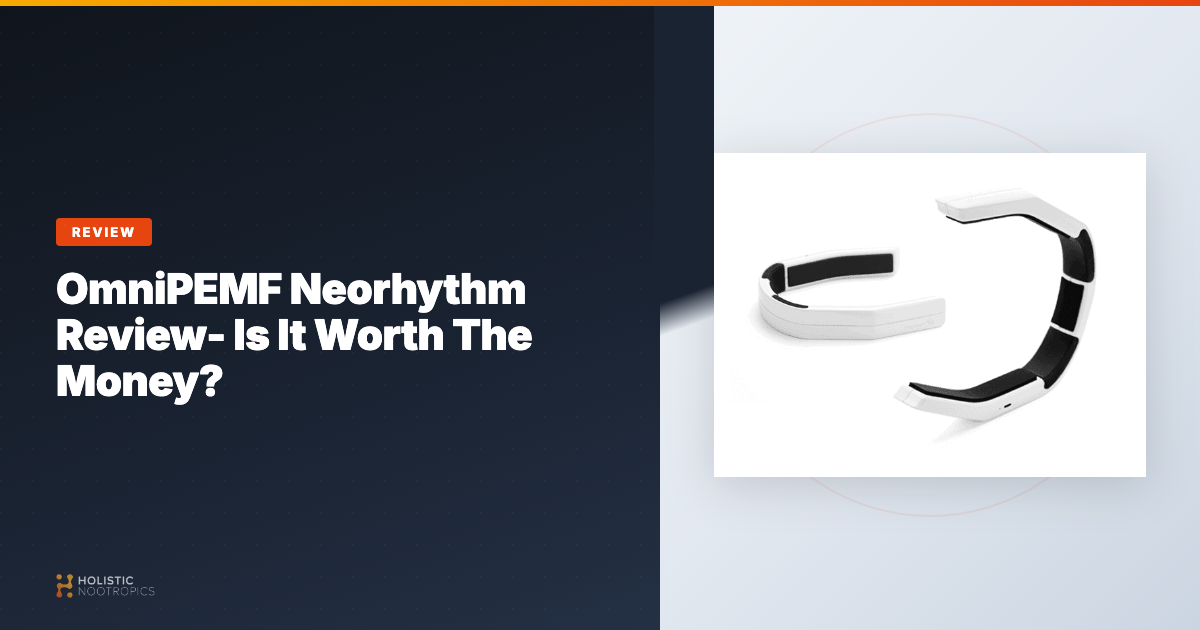
I’ve always been fascinated by the idea that you can nudge your brain into a desired state — deeper focus, better sleep, more effective meditation — using targeted electromagnetic stimulation. When I first heard about home-use PEMF (Pulsed Electromagnetic Frequency) devices, I assumed they’d be prohibitively expensive or require clinical supervision. The OmniPEMF Neorhythm proved me wrong on both counts.
I’ve been using the Neorhythm headband for over a year now, primarily for meditation and focus enhancement, and it’s earned a permanent spot in my daily routine. But I want to be clear about what this device is and isn’t: the science behind PEMF and brainwave entrainment is genuinely promising, with research spanning depression treatment, neuroprotection, and pain management. The Neorhythm itself is classified as a general wellness device, not an FDA-approved medical device. Keep that distinction in mind throughout this review.
That said, my experience and the experience of a very active user community suggest that this headband delivers real, perceptible effects for many people. Here’s the complete breakdown.
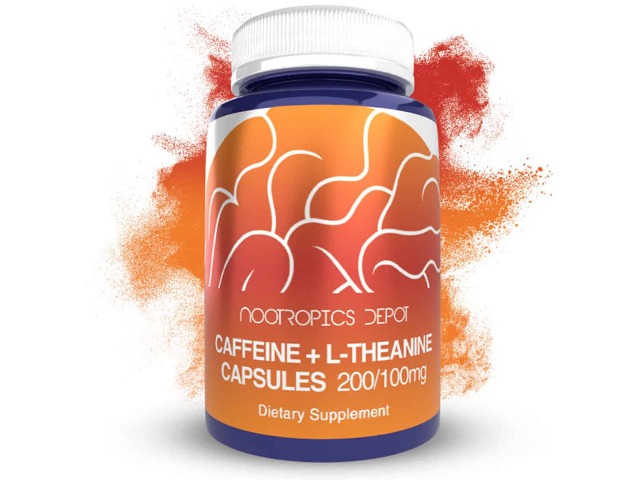
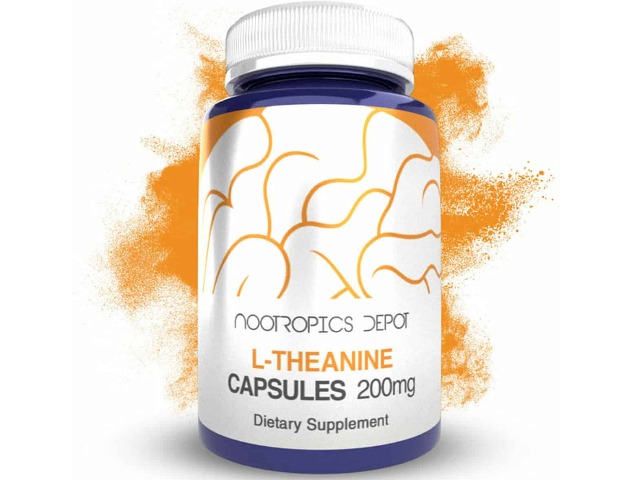
Key Takeaways: The OmniPEMF Neorhythm uses pulsed electromagnetic fields to promote brainwave entrainment — synchronizing your brain’s electrical activity to specific frequencies associated with focus, relaxation, sleep, and meditation. PEMF therapy has robust research backing for depression and neuroprotection. The Neorhythm is easy to use, pairs with a smartphone app, and comes with a library of preset programs. After a year of use, my most valuable applications are theta meditation and the focus enhancement mode. Pair with L-theanine for relaxation or caffeine for enhanced focus sessions.
What Is the OmniPEMF Neorhythm?

The Neorhythm is a non-invasive neurostimulation headband that uses PEMF technology to influence brain wave patterns. It generates targeted magnetic fields that stimulate different regions of the brain — frontal, parietal, and occipital lobes — to promote specific neural oscillation patterns.
The concept is straightforward: your brain naturally produces electrical activity at different frequencies associated with different states of consciousness. Delta waves (1-4 Hz) dominate during deep sleep. Theta waves (4-8 Hz) emerge during meditation and creative states. Alpha waves (8-13 Hz) accompany relaxed alertness. Beta (13-30 Hz) and gamma waves (30+ Hz) drive active concentration and higher-order processing. By exposing the brain to electromagnetic pulses at these specific frequencies, the Neorhythm aims to entrain your brain waves toward the desired state.
What sets it apart from other neurostimulation devices is the combination of simplicity, versatility, and the team’s commitment to ongoing improvement. Setup involves downloading the app, putting on the headband, and selecting your desired mode. No wires, no sticky pads, no complicated controls. A single tap turns it on and off. Over the past year, the OmniPEMF team has pushed significant software updates based on user feedback and has undertaken a 1,500-person clinical trial.
The Science Behind PEMF and Brainwave Entrainment
Transcranial magnetic stimulation (TMS) — the clinical cousin of what the Neorhythm delivers — uses repetitive electromagnetic pulses via a coil placed over the head. The mechanism mimics and augments the brain’s natural electromagnetic activity, nudging neural oscillations toward a target frequency. This is brainwave entrainment in action.
The research base for TMS and PEMF therapy is substantial:
Depression
Transcranial low-voltage PEMF therapy has demonstrated clinically significant outcomes in patients diagnosed with treatment-resistant depression. Researchers have recommended PEMF as an augmentation treatment for depression management, particularly for patients who respond poorly to antidepressant medications alone. This is one of the strongest evidence bases for electromagnetic brain stimulation.
This finding was reinforced by a 2024 real-world outcomes study published in the Journal of Affective Disorders, which found that T-PEMF reduced depressive symptoms in a clinical setting including patients with both unipolar depression and bipolar disorder. In a multicenter cohort, Hamilton Depression Scale scores decreased significantly from a mean of 20.6 at baseline to 12.6 at endpoint after 8 weeks, and notably, receiving T-PEMF within the first 2 years of a depressive episode was associated with improved outcomes. A separate double-blind, sham-controlled study reported response rates of 61% in the active T-PEMF group versus only 13% in the sham group — a striking difference that supports a genuine therapeutic effect beyond placebo.
Anxiety

Repetitive transcranial magnetic stimulation of the right dorsolateral prefrontal cortex has shown favorable outcomes in randomized, double-blind controlled trials for generalized anxiety disorder. This is significant because many anxiety patients respond poorly to first-line pharmacotherapies, making alternative interventions particularly valuable.
Neuroprotection
Current evidence suggests PEMF therapy has potent neuroprotective effects. Research in Parkinson’s disease patients has demonstrated reduced production of pro-inflammatory cytokines. Preliminary studies also show neuroprotective benefits during recovery from ischemic stroke or brain trauma with low-frequency PEMF exposure.
Pain Management
PEMF has been clinically tested as a non-pharmaceutical approach for pain management in chronic conditions including rheumatological diseases and nervous system disorders. Magnetic field application improves blood circulation and cellular metabolism, promoting tissue healing while reducing pain intensity.
Tinnitus
Studies show significant reduction in tinnitus loudness after transcranial direct current stimulation of the dorsolateral prefrontal cortex, with additional improvements in comorbid depression and anxiety symptoms.
Important caveat: The research cited above involves clinical-grade TMS equipment, which delivers more powerful and precisely targeted stimulation than consumer devices like the Neorhythm. While the underlying mechanism is the same, the intensity and clinical evidence differ. The Neorhythm is a wellness device, not a replacement for clinical TMS therapy.
On the mechanism side, 2024-2025 research has shed further light on how PEMF works at the cellular level. Low-intensity TMS/PEMF has been shown to increase brain-derived neurotrophic factor (BDNF) in cortical areas, increase nitric oxide production, and promote processes of neurogenesis and neuroplasticity. A 2025 randomized placebo-controlled study on PEMF vagus nerve stimulation published in Electromagnetic Biology and Medicine demonstrated significant improvements in sleep quality and reductions in anxiety levels, with effects particularly notable at 16 Hz — suggesting PEMF offers a beneficial non-pharmacological treatment option even at the lower intensities used by consumer devices. Additionally, a 2025 trial protocol published in BMJ Open is now testing a T-PEMF headband (the “MoodHeadBand”) in a 96-participant double-blind RCT for moderate-to-severe depression, which will provide critical data on headband-format PEMF devices specifically.
My Year with the Neorhythm
How I Use It
I primarily use the Neorhythm for two purposes: deepening my meditation practice and enhancing focus during demanding cognitive work. Results are highly individual — I’ve seen this firsthand in the active Neorhythm user community, where people report benefits ranging from improved sleep to pain control to stress reduction.
Here are the modes I use most and their frequency settings:
Theta Meditation (My Most-Used Mode)
This is my go-to application. The theta meditation program uses a dominant frequency of 4 Hz with a 2.5 mT magnetic flux density, accompanied by a 10 Hz secondary frequency at 0.25 mT. Theta waves are associated with deep meditative states, creativity, and enhanced introspection.
I’ve been meditating for years, and the Neorhythm noticeably deepens my sessions. I drop into a focused, contemplative state faster and maintain it more consistently. For anyone building a meditation practice, this is where I see the most consistent value.
Focus Enhancement
The focus mode uses a dominant frequency of 33 Hz at 2.5 mT, with a 50 Hz accompanying frequency at 0.25 mT. These higher frequencies target beta and gamma wave activity associated with concentration and active problem-solving.
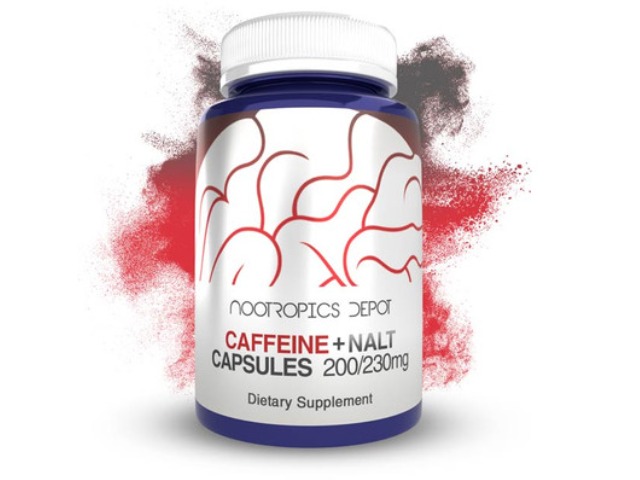
I use this during intensive writing and research sessions. The effect is subtle but real — I find it easier to maintain sustained attention on complex material. Pairing this mode with caffeine and L-theanine creates an excellent focus stack. See our article on why L-theanine and caffeine work so well together.
Sleep Enhancement
The sleep mode uses delta-range frequencies (4 Hz dominant, 2.67 Hz accompanying) to promote deep, restorative sleep. You don’t wear the headband in the traditional position — most users place it under their pillow or on a nightstand nearby. Sensitivity varies, so experiment with placement.
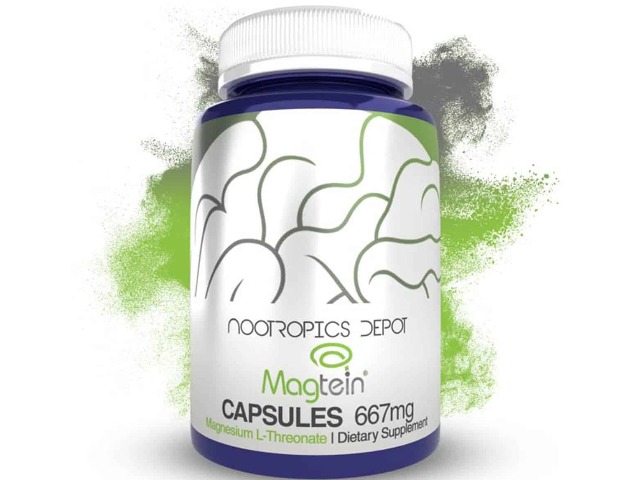
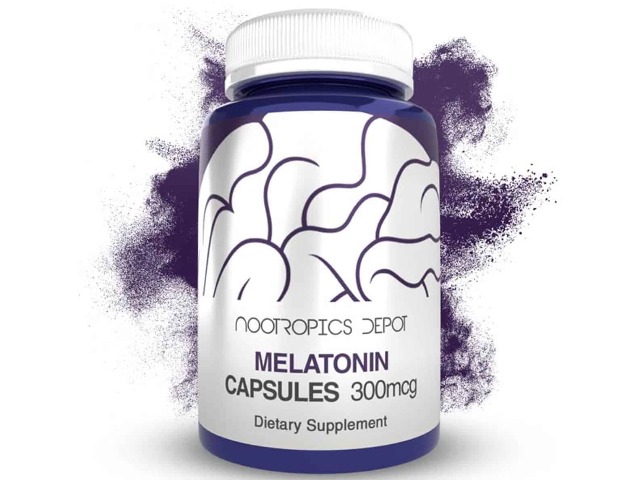
For sleep optimization, I find the Neorhythm works well alongside magnesium L-threonate and melatonin as part of a comprehensive sleep protocol. See our sleep nootropics guide for the full approach.
Deep Relaxation
The relaxation mode bathes the brain in alpha waves (10 Hz dominant, 3 Hz accompanying). This is my late-evening wind-down tool. Pairing it with L-theanine amplifies the calming effect significantly.
Energy and Vitality
For a non-pharmaceutical energy boost, the energy mode uses gamma frequencies (40 Hz dominant, 55 Hz accompanying). This is a solid alternative to afternoon caffeine when you need alertness without the sleep-disrupting effects. I’ll use this before workouts or when I need a midday reset.
Pros and Cons
Strengths
- Science-backed mechanism: PEMF and brainwave entrainment are grounded in real neuroscience research, developed in collaboration with neurostimulation researchers
- Ease of use: Smartphone app control, no wires, gesture-activated on/off
- Versatility: Multiple preset programs covering focus, sleep, meditation, relaxation, and energy
- Ongoing development: The team actively updates firmware and adds new modes based on user feedback and research
- Risk-free trial: 60-day money-back guarantee and 2-year warranty
Limitations
- Subtle effects: This isn’t like flipping a switch. Effects build over consistent use and are more noticeable for some people than others
- Price: It’s a premium device, which may not be justified for casual users
- Individual variability: Brain physiology differs widely, and some users report minimal effects while others find it transformative
- Not clinical-grade: Consumer PEMF devices are less powerful than clinical TMS equipment used in research studies
Who Should Consider the Neorhythm?
The Neorhythm makes the most sense for people who are already invested in cognitive optimization and have a meditation or focus practice they want to enhance. If you’re someone who sits down for daily meditation, engages in sustained deep work, or struggles with sleep despite optimizing the basics, this device adds a meaningful layer to your toolkit.
If you’re looking for a quick fix or dramatic overnight results, manage your expectations. PEMF technology is powerful but works best as part of a broader protocol that includes proper nutrition, sleep hygiene, and stress management.
For those interested in biohacking tools for cognitive enhancement, also explore our reviews of red light therapy devices and our guide to binaural beats, which work through a complementary auditory entrainment mechanism.
Bottom Line
After a year of consistent use, the OmniPEMF Neorhythm has proven its value in my daily routine. The meditation enhancement alone justifies the investment for me, and the focus and sleep modes provide additional utility that I use multiple times per week. The 60-day money-back guarantee removes the financial risk of trying it, and the active user community provides ongoing support and shared experiences.
Is it worth the money? For someone serious about cognitive optimization who will use it consistently, yes. For casual experimenters, the price may be hard to justify for effects that are real but subtle. As with any biohacking tool, the value scales with how intentionally and consistently you integrate it into your practice.