If you’ve spent any time in the biohacking or athletic recovery space, you’ve likely encountered the growing conversation around healing peptides. Compounds like BPC-157 and TB-500 have generated enormous interest for their potential to accelerate tissue repair, reduce inflammation, and support recovery from injuries that would otherwise sideline you for weeks or months.
I’ve been researching these compounds for years, talking with practitioners who work with them, and experimenting cautiously with some of them myself. The preclinical data is genuinely impressive — these aren’t empty promises. But I also believe in radical honesty about what we know and what we don’t, and the gap between the hype and the current state of human evidence is something you need to understand before making any decisions.
This article is not medical advice. These are experimental compounds that are not FDA-approved for human use. If you’re considering exploring peptides, do so only under the supervision of a qualified healthcare professional. With that critical caveat established, let’s examine what the science actually tells us.
Key Takeaways: BPC-157 excels at localized tissue repair (tendons, ligaments, gut lining) through angiogenesis and collagen repair mechanisms. TB-500 (synthetic Thymosin Beta-4) provides systemic healing support through actin regulation and enhanced cell migration. The “Wolverine Stack” combines both for complementary effects, but they must never be mixed in the same syringe. Critical caveats: no FDA approval, limited human clinical data, theoretical cancer risk from growth-promoting properties, and unregulated manufacturing. Always prioritize foundational nutrition and work with a knowledgeable medical professional.
BPC-157: The Body Protective Compound
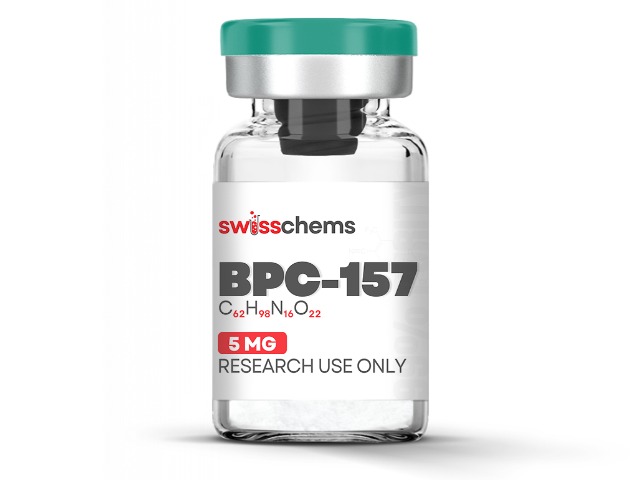
BPC-157 is a 15-amino-acid peptide derived from human gastric juice — a compound our stomach naturally produces to protect and repair tissue in one of the body’s harshest environments. This origin story alone tells you something about its resilience and biological role.
Mechanisms of Action
The healing properties of BPC-157 operate through several interconnected pathways, primarily established in preclinical (animal) studies:
Tissue repair and regeneration: BPC-157 has demonstrated the ability to promote repair across a wide array of tissues — tendons, ligaments, muscles, skin, nerves, and bone. For anyone dealing with chronic tendon issues, ligament sprains, or general connective tissue wear, this is where BPC-157 gets the most attention.
Anti-inflammatory activity: Rather than simply masking pain, BPC-157 appears to modulate inflammatory pathways directly, reducing both pain and swelling at the source. This addresses a root cause of delayed healing in many chronic injury scenarios.
Angiogenesis: BPC-157 promotes formation of new blood vessels via the VEGFR2-Akt-eNOS pathway. This is critical because injured tissues often have compromised blood supply. More vasculature means better oxygen and nutrient delivery to the repair site.
Collagen repair: BPC-157 enhances growth hormone receptor expression in fibroblasts (the cells responsible for collagen production), directly supporting the body’s ability to rebuild connective tissue scaffolding.
Gut healing: Given its gastric origin, BPC-157 has shown remarkable efficacy in repairing intestinal lining. This makes it potentially relevant for conditions like ulcers and intestinal permeability issues.
Neuroprotection: Emerging research suggests benefits for nerve regeneration and protection against certain neurotoxic effects.
Administration
BPC-157 is commonly administered via subcutaneous injection near the injury site for localized effects, or systemically for broader applications. Oral forms are available and often preferred for gut-related issues. Typical dosing in the biohacking community ranges from 200-500 mcg daily.
TB-500: The Systemic Healer
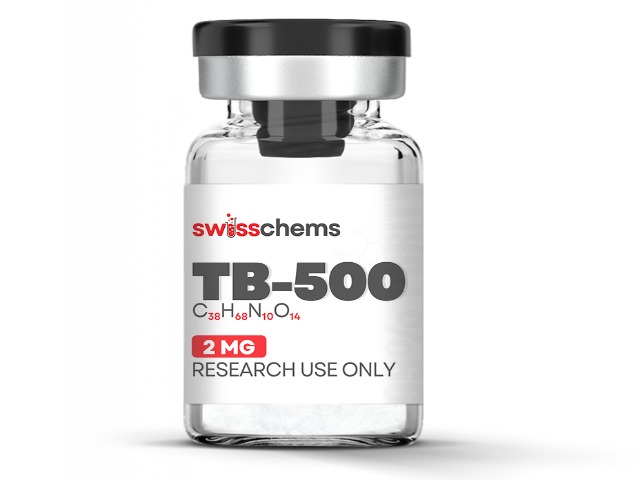
TB-500 is a synthetic version of Thymosin Beta-4, a naturally occurring protein found in virtually all human and animal cells. While BPC-157 tends to shine in targeted, localized repair, TB-500 brings a more systemic approach.
Mechanisms of Action
Actin regulation: TB-500’s best-understood mechanism involves regulating actin, a protein essential for cell structure, movement, and muscle contraction. By increasing actin levels, TB-500 facilitates cell migration — allowing healing cells to reach injury sites more rapidly.
Accelerated healing: The actin regulation translates to faster repair of muscles, ligaments, tendons, and even cardiac tissue. TB-500 activates cellular pathways that kickstart repair processes across multiple tissue types.
Reduced fibrosis: TB-500 helps prevent excessive scar tissue formation, which is significant because scar tissue can impair function and create chronic issues long after the initial injury heals.
Anti-inflammatory and angiogenesis effects: Like BPC-157, TB-500 reduces inflammation and promotes new blood vessel formation, though through partially distinct pathways.
Cardiovascular support: Due to its systemic effects on cell migration and repair, TB-500 has shown promise in supporting cardiovascular healing, particularly after cardiac events.
Administration
TB-500 is typically administered systemically via subcutaneous or intramuscular injection, usually once or twice weekly. Because its action is widespread, it doesn’t require localized injection like BPC-157 often does. Common protocols involve 2-5 mg weekly.
The “Wolverine Stack”: BPC-157 + TB-500
Many practitioners and clinics combine BPC-157 and TB-500 for complementary effects. BPC-157 targets specific injury sites with localized healing, while TB-500 provides broader systemic support for tissue regeneration and cell migration. The combination is believed to produce faster, more comprehensive recovery than either compound alone.
Critical administration note: BPC-157 and TB-500 must not be mixed in the same syringe or vial. They have different pH requirements for stability, and mixing them can degrade both peptides. Always prepare and inject separately.
Treatment protocols typically run 4-8 weeks, often integrated with physical therapy or rehabilitation exercises. The peptides create an optimized environment for healing, but active engagement in the recovery process remains essential.
Disclaimers and Safety: Read This Carefully
This is the section that matters most. The potential benefits sound compelling, but there are critical realities you must understand.
Not FDA-Approved
Neither BPC-157 nor TB-500 are approved by the FDA for human therapeutic use. They are classified as experimental substances. The vast majority of supporting evidence comes from animal studies. While preclinical results are often compelling, they don’t automatically translate to humans. Robust, large-scale human clinical trials are largely absent.
As of early 2026, only three published human studies on BPC-157 exist — all pilot studies with small sample sizes. A 2024 pilot study involving 12 patients with interstitial cystitis reported 80-100% symptom resolution with bladder injections of BPC-157. An earlier 2021 study of 16 patients with knee pain found 87.5% reported significant relief at 6-12 months. And a 2025 IV safety study demonstrated that 2 adults tolerated up to 20 mg IV with no adverse effects, no clinically meaningful changes in vital signs, electrocardiograms, or laboratory biomarkers assessing cardiac, hepatic, renal, thyroid, or metabolic function. While these results are encouraging, none are randomized controlled trials with placebo groups.
Per the CLAUDE.md compliance guidelines for this site: BPC-157 is on the FDA Category 2 list and is classified as a Red List substance. These compounds are sold for research purposes only and are not intended for human consumption.
WADA Banned
Both BPC-157 and TB-500 are banned by the World Anti-Doping Agency. Competitive athletes using these substances will test positive and face severe penalties.
Safety Unknowns
The long-term safety profile is largely unknown due to limited human research:
- Theoretical cancer risk: Both peptides promote angiogenesis and cellular proliferation. While this is beneficial for healing, there is a theoretical concern that these properties could accelerate growth of existing, undetected cancers. This risk is unquantified in humans but serious enough to warrant careful consideration.
- Purity and contamination: Since these compounds are not regulated for human use, sourcing from unregulated laboratories introduces risks around product purity, accurate dosing, and contamination.
- Reported side effects: Some individuals report injection-site reactions, nausea, headaches, dizziness, or GI discomfort. The full spectrum of potential human side effects remains incompletely mapped.
Expert Consensus
The prevailing position among reputable medical professionals is extreme caution. Many advise against human use outside of controlled clinical trials. The key concerns are: absence of comprehensive human safety data, unquantified cancer risk, unregulated manufacturing, and legal/ethical implications.
Beyond the Wolverine Stack: Other Peptides
The peptide healing landscape extends beyond BPC-157 and TB-500:
- Pentadeca Arginate (PDA): A BPC-157 analogue showing promise for inflammation reduction and healing
- Thymosin Alpha-1: Known for immune modulation and tissue repair
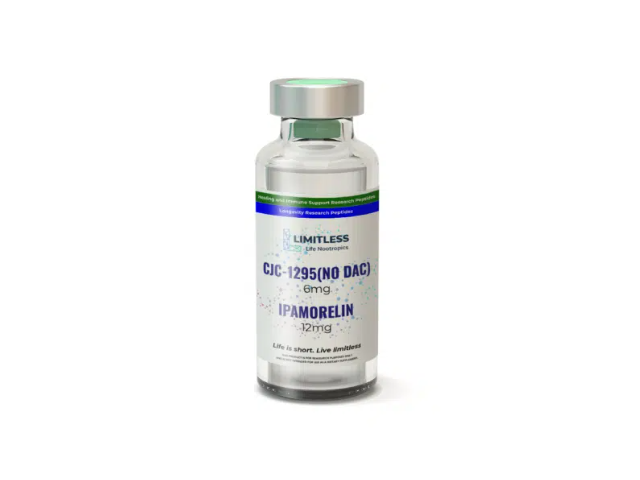
- Ipamorelin: A growth hormone-releasing peptide that stimulates natural GH release, indirectly enhancing recovery
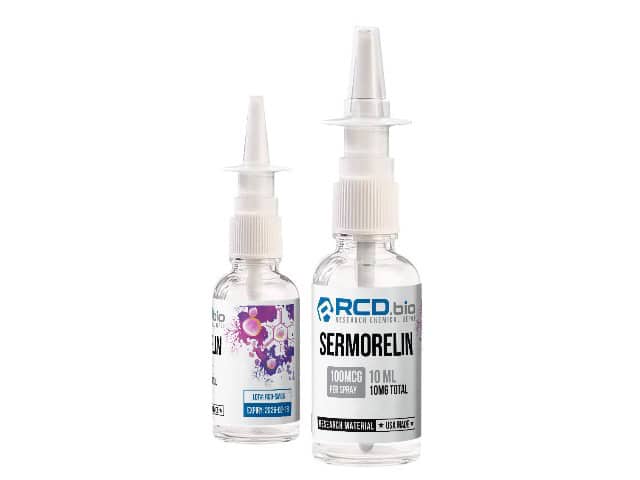
- Sermorelin: Often combined with ipamorelin to stimulate growth hormone for muscle recovery and tissue health
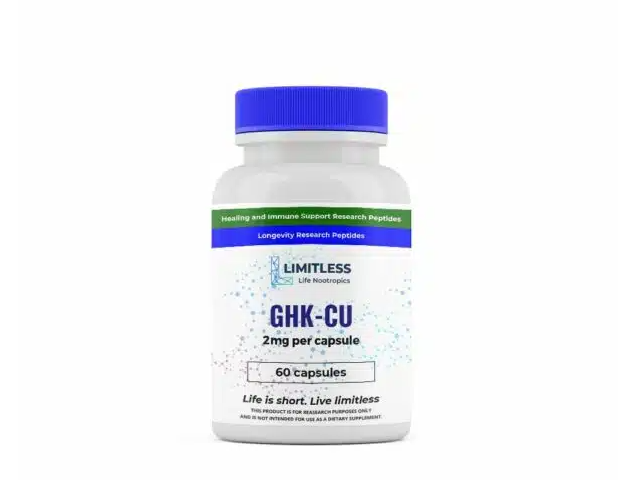
- GHK-Cu: A copper peptide with wound healing and anti-aging research, one of the better-studied peptides for topical application
The same regulatory and safety disclaimers apply to all of these compounds.
A comprehensive 2025 systematic review published in the Orthopaedic Journal of Sports Medicine analyzed the emerging use of BPC-157 in orthopaedic sports medicine, screening down to 36 studies (35 preclinical, 1 clinical). The review concluded that while preclinical evidence for musculoskeletal healing is compelling, the complete absence of randomized controlled trials represents a critical evidence gap. A separate 2025 narrative review in Cureus titled “Regeneration or Risk?” echoed this assessment, emphasizing that the theoretical cancer risk from BPC-157’s growth-promoting properties remains unquantified and that the disconnect between widespread underground use and limited formal safety data is a genuine concern.
Foundational Supplements for Healing
Before considering peptides, ensure your body has the basic building blocks for repair. These fundamentals are proven, safe, and often overlooked:
Protein and amino acids: The raw material for all tissue repair. Prioritize high-quality protein with adequate essential amino acids, particularly L-arginine and L-glutamine for wound healing and immune function.
Vitamin C: Absolutely vital for collagen synthesis. Without adequate vitamin C, your body literally cannot produce new collagen.
Zinc: Involved in all phases of wound healing, immune function, and cell division. Common deficiency can significantly impair recovery.
Omega-3 fatty acids: Potent anti-inflammatory properties that help manage swelling and pain during recovery.
Magnesium: Involved in hundreds of enzymatic reactions including those for immune function and muscle relaxation.
Collagen peptides: Provide readily available amino acid building blocks for connective tissue reconstruction.
My Recommendation
If you’re considering BPC-157, TB-500, or any experimental peptide, here’s my hierarchy:
- Optimize the fundamentals first: Diet, sleep, stress management, and basic supplementation (protein, vitamins, minerals) must be dialed in. No peptide compensates for a broken foundation.
- Work with a qualified professional: Find a healthcare provider (ideally in functional or regenerative medicine) who understands these compounds and can guide you through the process, monitor your health, and help you evaluate the risks honestly.
- Source meticulously: If you proceed, invest in the highest quality, third-party tested products available. Purity and accurate dosing are paramount with unregulated substances.
- Listen to your body: Any adverse reactions should prompt immediate cessation and medical consultation.
The promise of accelerated healing through peptide therapy is real and grounded in compelling preclinical science. But until comprehensive human data is available, these remain firmly experimental. Approach with informed optimism, scientific skepticism, and unwavering personal responsibility.
For related reading, see our substance pages on BPC-157, Thymosin Beta-4, and our articles on adaptogens and supplements for neuroplasticity.