
I spent my first semester of medical school — at 42 years old — convinced my brain was broken.
My classmates, most of them a decade younger, seemed to absorb pharmacology tables like sponges. I was re-reading the same page four times and retaining maybe a third of it. I started wondering if there was a biological ceiling — some age-related wall that no amount of caffeine could punch through.
Turns out, there isn’t. What I was actually running into was a neuroplasticity problem. My brain wasn’t broken. It just needed the right raw materials to rewire itself efficiently.
After two years of digging through clinical trials, testing dozens of compounds on myself, and tracking everything obsessively, I’ve narrowed it down to 11 supplements that genuinely move the needle on neuroplasticity — not in theory, but in practice.
The Short Version: Lion’s Mane, Bacopa Monnieri, and Citicoline are my top three picks for neuroplasticity. Lion’s Mane uniquely stimulates nerve growth factor (NGF), Bacopa enhances dendritic branching over 8–12 weeks, and Citicoline fuels the raw membrane material your neurons need to form new connections. The rest of this guide breaks down the full 11 — with mechanisms, dosages, and who each one is best for.
What Neuroplasticity Actually Is (And Why Supplements Matter)
Neuroplasticity is your brain’s ability to reorganize itself by forming new neural connections throughout life. It’s the mechanism behind learning a new language, recovering from a stroke, breaking a bad habit, or — in my case — memorizing 300 drug interactions at age 43.
This isn’t some vague wellness concept. Neuroplasticity operates through specific, measurable biological processes:
- Synaptogenesis — forming brand-new synaptic connections between neurons
- Synaptic strengthening (LTP) — making existing connections faster and more reliable through long-term potentiation
- Dendritic branching — growing new “antennae” on neurons that increase their capacity to receive signals
- BDNF expression — producing brain-derived neurotrophic factor, the protein that acts like fertilizer for your neurons
- Myelination — coating neural pathways in myelin sheath to speed signal transmission
Here’s the practical problem: all of these processes require specific nutrients, precursors, and signaling molecules. And most people are running low on at least a few of them — especially if you’re over 30, under chronic stress, or eating a standard Western diet.
That’s where targeted supplementation comes in. Not as a replacement for sleep, exercise, and real food — those are the non-negotiables. But as an accelerant for the biological machinery that makes your brain adaptable.
Reality Check: No supplement will “unlock neuroplasticity” overnight. These compounds support the underlying biology, but they work best alongside consistent learning, physical activity, quality sleep, and stress management. If those foundations aren’t in place, start there first.
Quick Comparison: 11 Best Neuroplasticity Supplements
| Substance | Best For | Evidence Level | Onset Time | Key Mechanism |
|---|---|---|---|---|
| Lion’s Mane | NGF stimulation, nerve repair | Strong (human + animal) | 4–8 weeks | Stimulates nerve growth factor via hericenones/erinacines |
| Bacopa Monnieri | Memory consolidation, dendritic growth | Strong (multiple RCTs) | 8–12 weeks | Enhances dendritic branching and synaptic communication |
| Citicoline | Membrane synthesis, focus | Strong (human trials) | 1–4 weeks | Provides choline and cytidine for phospholipid synthesis |
| Phosphatidylserine | Age-related cognitive decline | Moderate (human trials) | 4–8 weeks | Structural membrane phospholipid for signal transduction |
| Omega-3 DHA | Synaptic membrane fluidity | Strong (extensive literature) | 8–12 weeks | Integrates into neuronal membranes, supports BDNF |
| Magnesium L-Threonate | Synaptic density, sleep quality | Moderate (emerging data) | 4–6 weeks | Increases brain magnesium levels, enhances synaptic density |
| Rhodiola Rosea | Stress-resilient learning | Moderate (human trials) | 1–2 weeks | Modulates cortisol, protects plasticity under stress |
| Ashwagandha | BDNF support under chronic stress | Moderate (human trials) | 4–8 weeks | Reduces cortisol, supports BDNF expression |
| Alpha-GPC | Cholinergic signaling, LTP | Moderate (human + animal) | 1–2 weeks | Delivers choline for acetylcholine synthesis |
| Creatine | Brain energy for plasticity | Strong (human trials) | 2–4 weeks | ATP regeneration in metabolically demanding brain regions |
| L-Theanine | Calm focus, alpha-wave learning | Moderate (human trials) | 30–60 minutes | Modulates glutamate and GABA, promotes alpha brain waves |
The 11 Best Supplements for Neuroplasticity (And Why They Work)
Lion’s Mane
If I could only take one supplement for neuroplasticity, this would be it. Lion’s Mane is the only widely available supplement that directly stimulates nerve growth factor (NGF) — the protein responsible for growing, maintaining, and repairing neurons.
The bioactive compounds responsible are hericenones (found in the fruiting body) and erinacines (found in the mycelium). Both cross the blood-brain barrier and trigger NGF synthesis in the hippocampus — the brain region most critical for learning and memory formation.
A 2020 study published in Journal of Medicinal Food found that participants taking Lion’s Mane for 12 weeks showed significant improvements in cognitive function scores compared to placebo, with effects continuing to build over the study period. Earlier research in a double-blind, placebo-controlled trial of older adults with mild cognitive impairment demonstrated measurably improved cognitive function scores at weeks 8, 12, and 16 of supplementation — with benefits disappearing after discontinuation, confirming it was the mushroom driving the effect.
- Key benefits: NGF stimulation, neuroprotection, hippocampal support
- Dosage: 500–1000 mg daily of a dual-extract (fruiting body + mycelium) standardized for hericenones and erinacines
- Best for: Learners, students, anyone in cognitive recovery, ages 30+
- Onset: 4–8 weeks for noticeable effects
Insider Tip: Not all Lion’s Mane products are equal. Look for dual-extract formulations that contain both fruiting body AND mycelium — you need hericenones from the fruiting body and erinacines from the mycelium for the full NGF effect. Mycelium-on-grain products with low beta-glucan content won’t cut it.
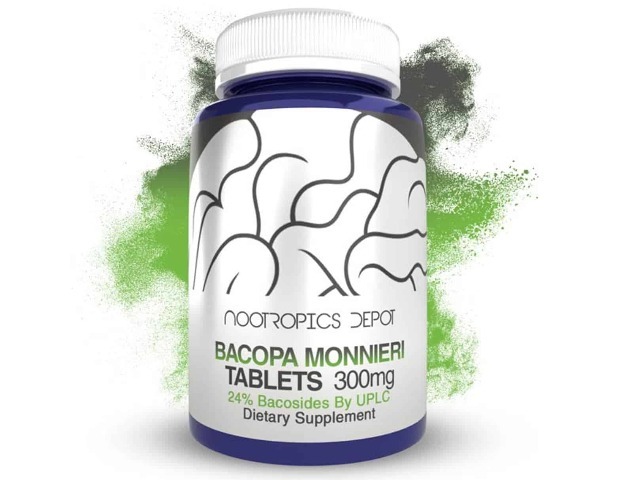
Bacopa Monnieri
Bacopa is probably the most well-studied natural nootropic for memory — and its mechanism is directly tied to neuroplasticity. The active compounds, bacosides A and B, enhance dendritic branching in the hippocampus, literally growing new signal-receiving structures on your neurons.
A landmark meta-analysis of 9 randomized controlled trials found that Bacopa significantly improved attention, cognitive processing speed, and working memory. One notable study in 60 healthy adults showed improvements in working memory and information retention after 12 weeks of supplementation at 300 mg daily. The key finding across studies: Bacopa’s effects are cumulative and become more pronounced between weeks 8 and 12.
This is a slow-burn supplement. If you quit after three weeks because you “don’t feel anything,” you’re bailing right before it starts working.
- Key benefits: Dendritic growth, memory consolidation, antioxidant neuroprotection
- Dosage: 300–600 mg daily, standardized to 50% bacosides
- Best for: Students, long-term memory improvement, anyone learning new complex material
- Onset: 8–12 weeks (patience required)
Citicoline
Your brain is roughly 60% fat by dry weight, and every new synapse you form requires phospholipid membranes to build its structure. Citicoline (CDP-Choline) provides both choline and cytidine — the two precursors your brain needs to synthesize phosphatidylcholine, the dominant phospholipid in neuronal membranes.
A study using phosphorus MRS brain imaging found that Cognizin® citicoline increased brain ATP levels by 13.6% and membrane phospholipid synthesis by 26% after just 6 weeks in healthy adults. Separate research in 75 healthy adolescents showed that 28 days of citicoline supplementation at 250–500 mg improved attention and reduced impulsivity on psychomotor tasks.
Think of it this way: Lion’s Mane tells your brain to grow. Citicoline gives it the building materials.
- Key benefits: Phospholipid membrane synthesis, brain energy (ATP), focus
- Dosage: 250–500 mg daily (Cognizin® form has the most clinical backing)
- Best for: Focus issues, anyone stacking with other neuroplasticity supplements, brain energy support
- Onset: 1–4 weeks
Pro Tip: Citicoline and Lion’s Mane are one of the most synergistic stacks for neuroplasticity. One stimulates the growth signals (NGF), the other supplies the structural materials (phospholipids). I take both daily.
Phosphatidylserine
Phosphatidylserine (PS) is a phospholipid that makes up about 15% of your brain’s total phospholipid pool. It’s concentrated in the inner leaflet of neuronal cell membranes, where it plays a direct role in signal transduction, neurotransmitter release, and synaptic function.
A multi-center study of 149 patients meeting criteria for age-associated memory impairment found that 300 mg/day of PS for 12 weeks produced significant improvements in memory and learning tasks compared to placebo. The researchers noted that participants who entered the trial with the lowest baseline scores showed the most dramatic improvements — suggesting PS is most impactful when your brain is already running low on raw materials.
PS levels decline naturally with age, which is one reason cognitive flexibility tends to decrease in your 40s and beyond. Supplementing essentially replenishes what time takes away.
- Key benefits: Membrane integrity, neurotransmitter release, cortisol modulation
- Dosage: 100–300 mg daily
- Best for: Adults 40+, age-related cognitive concerns, stress-related memory issues
- Onset: 4–8 weeks
Omega-3 DHA
DHA (docosahexaenoic acid) isn’t a flashy nootropic, but it might be the single most important nutrient for brain structure. It comprises approximately 40% of the polyunsaturated fatty acids in your brain and is essential for membrane fluidity — the physical property that determines how easily neurotransmitters can bind to receptors and how efficiently signals propagate across synapses.
Research consistently shows that higher DHA status correlates with increased BDNF levels, better synaptic plasticity, and improved cognitive performance. A large body of literature — including observational studies, RCTs, and mechanistic research — confirms that DHA supplementation supports learning and memory, particularly in populations with low baseline omega-3 intake.
Here’s the uncomfortable truth: most people eating a standard Western diet are functionally deficient in DHA. If you’re only going to take one thing on this list, an omega-3 supplement with high DHA content is arguably the most foundational choice.
- Key benefits: Membrane fluidity, BDNF support, anti-neuroinflammation
- Dosage: 1000–2000 mg combined EPA/DHA daily, with at least 500 mg DHA
- Best for: Everyone — especially those not eating fatty fish 2–3 times per week
- Onset: 8–12 weeks for measurable cognitive effects
Reality Check: Fish oil quality matters enormously. Look for third-party tested products (IFOS certification is the gold standard) and check the actual EPA/DHA content per serving — not just “fish oil” weight, which includes filler fats. Cheap fish oil is mostly expensive urine.
Magnesium L-Threonate
Most forms of magnesium don’t cross the blood-brain barrier efficiently. Magnesium L-threonate (patented as Magtein®) was specifically developed by MIT researchers to increase brain magnesium levels, and it’s the only form with published data showing it does so.
The original animal research demonstrated that magnesium L-threonate increased synaptic density and enhanced both short-term and long-term memory in aged rats — with improvements correlating to measurable increases in brain magnesium concentration. Subsequent human research has shown benefits for cognitive function in older adults, with participants reporting improvements in overall cognitive ability, sleep quality, and reduced anxiety.
Magnesium is a cofactor in over 300 enzymatic reactions, including many involved in synaptic signaling and NMDA receptor function. Subclinical magnesium deficiency is remarkably common — estimated to affect nearly half of the U.S. population — and it quietly undermines neuroplasticity by impairing LTP.
- Key benefits: Synaptic density, NMDA receptor function, sleep quality
- Dosage: 1500–2000 mg magnesium L-threonate daily (delivers ~144 mg elemental magnesium)
- Best for: Adults 40+, poor sleepers, anyone with high stress or suboptimal diet
- Onset: 4–6 weeks
Rhodiola Rosea
Stress is the silent killer of neuroplasticity. Chronic cortisol exposure literally shrinks the hippocampus, impairs LTP, and reduces BDNF expression. Rhodiola Rosea is one of the most effective natural tools for protecting your brain’s adaptive capacity under stress.
Rhodiola is classified as an adaptogen — it modulates the hypothalamic-pituitary-adrenal (HPA) axis to normalize cortisol output. Multiple human trials have demonstrated improvements in mental fatigue, cognitive function under stress, and sustained attention during demanding tasks. A study of physicians on night duty showed significant improvements in cognitive performance with 170 mg of Rhodiola extract compared to placebo.
I think of Rhodiola as the “defensive” neuroplasticity supplement. It doesn’t directly grow new connections — it protects the conditions that allow growth to happen.
- Key benefits: Cortisol modulation, anti-fatigue, cognitive performance under stress
- Dosage: 200–600 mg daily, standardized to 3% rosavins and 1% salidroside
- Best for: High-stress professionals, students during exam periods, anyone with elevated cortisol
- Onset: 1–2 weeks (one of the fastest-acting options on this list)
Insider Tip: Rhodiola works best taken in the morning or early afternoon. It has mild stimulating properties that can interfere with sleep if taken late in the day. Cycling — 5 days on, 2 days off — helps maintain sensitivity.
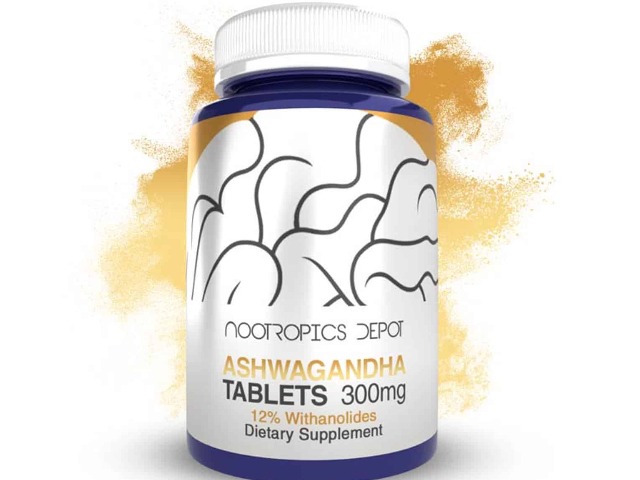
Ashwagandha
Like Rhodiola, Ashwagandha protects neuroplasticity by managing stress — but through a different mechanism and with a broader range of effects. The root extract (particularly the KSM-66® and Sensoril® standardized forms) has been shown to significantly reduce cortisol levels in chronically stressed adults by up to 30% in some trials.
What makes Ashwagandha particularly interesting for neuroplasticity is its effect on BDNF. Animal studies demonstrate that Ashwagandha extract increases BDNF levels in the hippocampus, and human research has shown improvements in both immediate and general memory, alongside reductions in stress and anxiety. A 2022 systematic review and meta-analysis confirmed significant improvements in sleep quality and mental alertness upon waking — and sleep is when your brain does the bulk of its synaptic consolidation.
The neuroplasticity case for Ashwagandha is indirect but powerful: reduce cortisol → improve sleep → increase BDNF → enable plasticity. It works on the conditions, not the mechanism itself.
- Key benefits: Cortisol reduction, BDNF support, sleep quality, anxiolytic
- Dosage: 300–600 mg daily (KSM-66® or Sensoril® extracts)
- Best for: Chronic stress, anxiety-driven cognitive decline, poor sleep
- Onset: 4–8 weeks
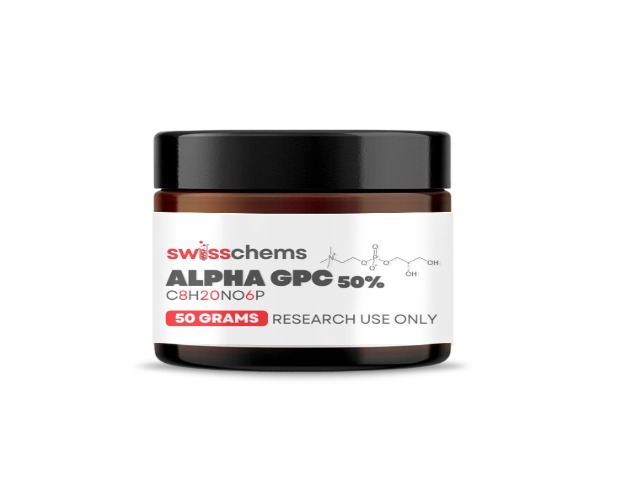
Alpha-GPC
Alpha-GPC is the most bioavailable supplemental choline source, delivering choline directly across the blood-brain barrier for acetylcholine synthesis. Acetylcholine is the neurotransmitter most directly involved in long-term potentiation (LTP) — the process of strengthening synaptic connections through repeated activation.
Research has demonstrated that cholinergic enhancement augments both the magnitude and specificity of perceptual learning in healthy humans. Alpha-GPC has also shown cognitive benefits in trials involving age-related cognitive decline, with improvements in memory and attention scores.
The connection to neuroplasticity is mechanistic: you can’t strengthen synaptic connections without adequate acetylcholine signaling. If your choline intake is low — and most people’s is — your brain’s capacity for LTP is bottlenecked at the neurotransmitter level.
- Key benefits: Acetylcholine synthesis, LTP support, rapid onset
- Dosage: 300–600 mg daily
- Best for: Anyone seeking faster learning, cholinergic support, or stacking with racetams
- Onset: 1–2 weeks
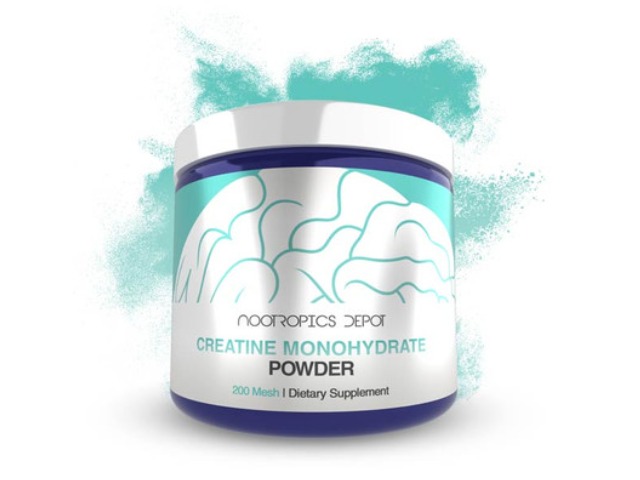
Creatine
Most people associate creatine with muscle — but your brain is one of the most metabolically demanding organs in your body, consuming roughly 20% of your total energy output. Creatine serves as a rapid ATP regeneration system, and brain regions undergoing active plasticity have even higher energy demands.
A meta-analysis of human studies found that creatine supplementation improved short-term memory and reasoning, particularly in tasks requiring rapid processing. The effects were most pronounced in vegetarians and older adults — populations with naturally lower creatine stores. Research specifically examining cognitive tasks under stress (sleep deprivation, mental fatigue) has shown consistent benefits at standard doses.
This is the most underrated neuroplasticity supplement on the list. The mechanism isn’t sexy — it just makes sure your neurons have enough energy to do the work of rewiring.
- Key benefits: ATP regeneration, cognitive endurance, neuroprotection
- Dosage: 3–5 g creatine monohydrate daily
- Best for: Vegetarians/vegans, athletes, anyone under cognitive load, budget-conscious (it’s extremely cheap)
- Onset: 2–4 weeks
Pro Tip: Creatine monohydrate is one of the most studied supplements in existence with an excellent safety profile. Don’t fall for “advanced” creatine forms like creatine HCL or buffered creatine — monohydrate has the data, and it costs a fraction of the price.
L-Theanine
L-Theanine is the amino acid in green tea responsible for that “calm but alert” feeling. It works by modulating glutamate and GABA signaling and promoting alpha brain wave activity — the brain state associated with relaxed focus, creative thinking, and efficient learning.
Human EEG studies consistently show increased alpha wave activity within 30–60 minutes of L-Theanine ingestion at doses of 200 mg. Research has demonstrated improvements in attention and reaction time, particularly when combined with caffeine. The neuroplasticity connection: alpha brain wave states are associated with enhanced learning efficiency and better consolidation of new information.
L-Theanine won’t directly grow new synapses. What it does is put your brain in the optimal electrical state for learning — which makes everything else on this list work better.
- Key benefits: Alpha wave promotion, calm focus, glutamate modulation
- Dosage: 100–200 mg daily (or combined with caffeine at a 2:1 ratio)
- Best for: Anxious learners, caffeine-sensitive individuals, study sessions, meditation enhancement
- Onset: 30–60 minutes (fastest on this list)
How to Choose Without Wasting Your Money
Here’s the thing about neuroplasticity supplements — you don’t need all 11. You need the right 2–3 for your specific situation. Let me break it down:
If you’re a student or active learner: Start with Lion’s Mane + Citicoline + Bacopa. This covers NGF stimulation, membrane synthesis, and dendritic growth — the three most direct plasticity mechanisms.
If you’re over 40 and noticing cognitive changes: Phosphatidylserine + Omega-3 DHA + Magnesium L-Threonate. These replenish what age depletes — membrane phospholipids, structural fatty acids, and brain magnesium.
If stress is your main bottleneck: Rhodiola + Ashwagandha + L-Theanine. Protect plasticity by removing what’s actively destroying it.
If you’re on a budget: Creatine ($0.03/day) + Omega-3 DHA + L-Theanine. Maximum neuroplasticity support per dollar spent.
Important: Always start with one new supplement at a time and give it at least 4 weeks before adding another. This lets you identify what’s actually working (and catch any side effects early). Stacking five things on day one tells you nothing.
What Actually Undermines Neuroplasticity (Fix These First)
Before you spend a dollar on supplements, audit these foundations:
- Sleep deprivation — Your brain consolidates new connections during deep sleep. Less than 7 hours consistently? That’s actively degrading plasticity.
- Chronic stress — Sustained cortisol literally shrinks the hippocampus. No supplement overcomes an unmanaged stress response.
- Sedentary lifestyle — Exercise is the single most powerful neuroplasticity enhancer known to science. A 30-minute walk beats any pill.
- Processed food diet — High-sugar, high-inflammatory diets reduce BDNF and impair synaptic function.
- Alcohol — Even moderate drinking impairs neurogenesis and disrupts synaptic plasticity.
Supplements are the last 10–20%. The other 80% is how you live. I know that’s not what you want to hear on a supplements website, but I’d rather be honest than sell you something that won’t work because the foundation isn’t there.
My Take
I’ve tested every supplement on this list personally — most of them for 6+ months. Here’s my honest hierarchy:
The non-negotiables in my stack: Lion’s Mane, Citicoline, and Omega-3 DHA. These three cover the core neuroplasticity mechanisms — growth signaling, membrane building materials, and structural support. They’ve been in my daily rotation for over a year.
The situational heavy hitters: Rhodiola during exam periods or high-stress weeks. Creatine daily because it’s cheap, safe, and supports brain energy. Bacopa when I’m in a heavy memorization phase.
The one most people overlook: Magnesium L-Threonate. Nearly half the population is deficient in magnesium, and it’s quietly undermining their brain’s ability to rewire. Fixing a deficiency isn’t glamorous, but the cognitive difference can be profound.
The supplement industry wants you to believe there’s a magic pill for a sharper brain. There isn’t. But there are specific, evidence-backed compounds that give your neurons the raw materials and optimal conditions to do what they’re already designed to do — adapt, grow, and change.
Your brain is already plastic. These supplements just help it do the work more efficiently.