
- Enhanced neurogenesis and neural repair
- Reduced neuroinflammation
- Improved focus and cognitive clarity
- Neuroprotection against oxidative stress
I’ll be honest—when I first heard about a peptide that could help grow new brain cells, I was skeptical. Another overhyped research chemical promising limitless potential? But after digging into the mechanism and seeing the quality of research coming out in 2025, Thymosin Beta-4 turned out to be one of those rare compounds where the science actually backs up the hype.
Here’s what caught my attention: this isn’t just another racetam or stimulant that temporarily boosts neurotransmitters. TB-4 works at a deeper level—it’s literally involved in the cellular machinery that builds and repairs neural tissue. That’s a fundamentally different approach to cognitive enhancement.
The Short Version: Thymosin Beta-4 is a naturally occurring peptide that promotes brain cell growth, reduces neuroinflammation, and enhances synaptic plasticity through actin regulation. It’s best for people focused on long-term brain health and repair rather than immediate cognitive boosts. Typical dosing is 2-10mg per week via injection, with effects building over 4-8 weeks.
What Is Thymosin Beta-4? (And Why You Should Care)
Thymosin Beta-4 is a 43-amino acid peptide that exists naturally in almost every cell in your body. It was first isolated from the thymus gland in the 1960s, but researchers have since discovered it’s produced throughout the body and plays crucial roles in tissue repair, wound healing, and cellular migration.
The peptide’s primary job is regulating actin—a structural protein that forms the scaffolding of cells. Think of actin like the internal skeleton that gives cells their shape and allows them to move, divide, and communicate. TB-4 binds to actin monomers and controls when and how they assemble into the structural frameworks cells need to function.
Why does this matter for your brain? Because neurogenesis (growing new neurons), synaptic plasticity (strengthening connections between neurons), and neural repair all require precise control of cellular structure and movement. TB-4 is one of the master regulators of these processes.
Here’s the reality check: this isn’t a “take it before your meeting” nootropic. It’s a long-game compound for people serious about brain health and repair. If you’re looking for an immediate focus boost, caffeine plus L-theanine will serve you better. But if you’re dealing with brain fog from inflammation, recovering from injury, or optimizing for cognitive longevity, TB-4 deserves your attention.
How Does Thymosin Beta-4 Work? (The Cellular Machinery of Brain Repair)
The mechanism here is elegant. TB-4 doesn’t just push one neurotransmitter pathway harder—it works at the structural level, giving your brain the cellular tools it needs to repair and rebuild.
The actin connection: At the most fundamental level, TB-4’s ability to bind G-actin monomers and regulate polymerization is what makes everything else possible. When neural progenitor cells divide and migrate to where they’re needed, they rely on actin dynamics to move through tissue and establish new connections. TB-4 acts like a chaperone, ensuring actin assembles correctly and cells can navigate to their destinations.
A recent 2025 study in Stem Cell Reports used human brain organoids—essentially miniature lab-grown brains—to identify TB-4 as a key intervention target for Alzheimer’s disease. The researchers found that TB-4 not only promoted neural progenitor cell proliferation but also helped reverse pathological changes associated with neurodegeneration.
Translation: this peptide helps your brain maintain the cellular infrastructure needed for learning, memory formation, and adaptation to new information.
The anti-inflammatory pathway: TB-4 doesn’t just build—it also protects. The peptide negatively regulates NF-κB and Toll-like receptor signaling, two of the primary inflammatory pathways that cause neural damage. A 2019 review in Expert Opinion on Biological Therapy highlighted TB-4’s anti-inflammatory potential in neurodegenerative diseases, noting that it helps reverse pathological glial cell polarization.
In plain English: when your brain’s immune cells (microglia) get stuck in “attack mode” from chronic inflammation, TB-4 helps dial them back to “repair mode.” This creates a more favorable environment for neural function and prevents the kind of inflammatory damage that leads to brain fog and cognitive decline.
The neurogenesis boost: Here’s where things get interesting. TB-4 doesn’t just protect existing neurons—it promotes the creation of new ones. The peptide activates Notch signaling pathways and reactivates embryonic gene expression programs in adult neural tissue. This sounds technical, but the practical result is straightforward: enhanced proliferation and differentiation of neural stem cells.
Think of it like this: your brain maintains a small reserve of “blank slate” cells that can become new neurons when needed. TB-4 tells more of these cells to activate and guides them toward becoming functional brain cells rather than sitting dormant.
Reality Check: Neurogenesis in adult humans is limited and concentrated in specific brain regions (primarily the hippocampus). TB-4 can enhance this process, but it’s not going to give you a completely new brain. The effects are real but incremental—this is optimization, not transformation.
The vascular support: A 2025 study in International Journal of Molecular Sciences found that TB-4 modulates cardiac remodeling by regulating ROCK1 expression. While this research focused on heart tissue, the same vascular support mechanisms apply to the brain. Better blood flow means better oxygen and nutrient delivery, which supports all the other cognitive benefits.
Benefits of Thymosin Beta-4 (What the Research Actually Shows)
Let’s talk evidence. I’m breaking this down by what we know, what we think we know, and what’s still speculative.
Focus & attention (moderate evidence): This is the primary cognitive benefit users report, and there’s a plausible mechanism. Enhanced synaptic plasticity through actin regulation means more efficient communication between neurons. Better vascular support means more consistent energy delivery. Reduced inflammation means less brain fog.
The evidence here is moderate because we don’t yet have large-scale human RCTs specifically testing TB-4 for cognitive enhancement. What we have are animal studies showing improved neural function, human studies showing tissue repair benefits, and user reports of improved mental clarity after 2-4 weeks of use.
My take: the focus benefits are real but subtle. This isn’t modafinil-level attention enhancement. It’s more like clearing away static so your baseline cognitive function can operate more efficiently.
Neuroprotection (strong preclinical evidence): The anti-inflammatory and antioxidant effects are well-documented. TB-4’s activation of the PI3K/Akt pathway enhances cellular survival mechanisms and antioxidant defenses. The reduction in pro-inflammatory mediators protects neural tissue from damage.
The 2025 Alzheimer’s research using brain organoids is particularly compelling here. Identifying TB-4 as an intervention target based on its ability to reverse pathological changes suggests genuine neuroprotective potential.
Neural repair & recovery (emerging evidence): This is where TB-4’s reputation primarily comes from—wound healing and tissue repair. The question is whether those benefits extend to neural tissue. The emerging evidence suggests yes, but with caveats.
Animal studies show enhanced recovery from brain injury. The human studies are mostly in other tissues (cardiac, musculoskeletal), but the mechanisms are consistent across tissue types. The 2019 review on neuroinflammation specifically called out TB-4’s potential for progressive neurodegenerative diseases.
Pro Tip: If you’re using TB-4 primarily for cognitive benefits, manage your expectations on timeline. Most users report noticeable improvements after 4-6 weeks of consistent use, not days. This aligns with what we’d expect from a compound working through neurogenesis and structural repair rather than acute neurotransmitter modulation.
| Benefit | Evidence Level | Key Research | Timeline |
|---|---|---|---|
| Focus & attention | Moderate (user reports + mechanism) | Pardon 2019 (anti-inflammatory) | 2-6 weeks |
| Neuroprotection | Strong (preclinical) | Zeng et al. 2025 (brain organoids) | Ongoing/preventive |
| Neural repair | Emerging (animal + mechanism) | Maar et al. 2025 (tissue remodeling) | 4-8 weeks |
| Memory enhancement | Preliminary (indirect) | Via neurogenesis/plasticity | 6-12 weeks |
How to Take Thymosin Beta-4 (Without Wasting Your Money)
Here’s the practical reality: TB-4 is administered via injection—subcutaneous or intramuscular. There’s no effective oral form because peptides get broken down in the digestive system. If someone’s selling “oral TB-4,” you’re buying expensive urine.
Dosage ranges: The most common protocol is 2-10mg per week, typically divided into 2-3 injections. Here’s how to think about the range:
| Use Case | Weekly Dosage | Frequency | Duration | Notes |
|---|---|---|---|---|
| General neuroprotection | 2-4mg | 2x per week | 4-8 weeks | Start here; assess response |
| Cognitive enhancement | 4-6mg | 2-3x per week | 6-8 weeks | Most common user protocol |
| Injury recovery / therapeutic | 6-10mg | 3-4x per week | 8-12 weeks | Higher end; consider medical guidance |
Starting protocol: If you’re new to TB-4, start at 2mg twice weekly (4mg total per week) for the first two weeks. Assess how you respond. The most common mistake is starting too high and not giving the peptide time to work through its actual mechanisms.
After two weeks, if you’re tolerating it well and want more pronounced effects, increase to 2.5-3mg per injection (5-6mg weekly). Hold there for at least 4-6 weeks before deciding whether to increase further.
Timing & administration:
- Injection timing: Doesn’t matter significantly. Some users prefer evening injections to support overnight repair processes; others prefer morning. Choose what fits your routine—consistency matters more than timing.
- Food: Not a factor since you’re injecting, not digesting.
- Cycling: Most protocols run 4-8 weeks on, then take 2-4 weeks off. This isn’t strictly necessary from a tolerance perspective, but it gives you a clean baseline to assess effects and prevents your body from downregulating its natural TB-4 production.
Reconstitution & storage: TB-4 typically comes as lyophilized powder that needs reconstitution with bacteriostatic water. Standard ratio is 2mg powder per 1mL of water. Once reconstituted, store in the refrigerator and use within 30 days.
Insider Tip: Get comfortable with subcutaneous injection technique before starting. Rotate injection sites (abdomen, thighs, upper arms) to prevent tissue irritation. Use proper sterile technique—this isn’t optional. Poor injection hygiene is the #1 preventable risk with peptide use.
Side Effects & Safety (What Could Go Wrong)
TB-4 has a relatively clean safety profile, but let’s be honest about what we don’t know and what we do know.
Common side effects (reported by <5-10% of users):
- Mild injection site reactions (redness, slight swelling)
- Temporary fatigue in the first week (possibly related to immune modulation)
- Headaches (usually transient)
- Lethargy or drowsiness (typically resolves after 7-10 days)
These are generally mild and self-limiting. If injection site reactions persist beyond 24 hours or worsen, reassess your injection technique and sterility practices.
Who should avoid TB-4:
- Active cancer or history of cancer: TB-4 promotes cell growth and angiogenesis. While there’s no direct evidence it promotes tumor growth, the theoretical risk is real enough to warrant caution. Consult an oncologist before use.
- Pregnancy or breastfeeding: No safety data. Don’t experiment.
- Active infections: TB-4 modulates immune function. While this is generally beneficial, introducing it during acute infection is inadvisable.
Drug interactions:
| Medication/Substance | Interaction Type | Risk Level | Notes |
|---|---|---|---|
| Immunosuppressants | Immune modulation | Moderate-High | TB-4 affects immune function; may counteract immunosuppressive therapy |
| Anticoagulants (warfarin, heparin) | Enhanced wound healing | Moderate | May affect clotting; monitor INR if on warfarin |
| Corticosteroids | Immune/inflammatory | Moderate | Opposing effects on inflammation; effectiveness may be reduced |
| Chemotherapy agents | Cell proliferation | High | TB-4 promotes cell growth; contraindicated during active cancer treatment |
| Growth hormone / IGF-1 | Synergistic growth signaling | Low-Moderate | May enhance effects; adjust dosing accordingly |
Important: If you’re on any prescription medications, especially immunosuppressants or cancer treatments, do not start TB-4 without explicit approval from your prescribing physician. The immune modulation and cell growth promotion effects are not trivial.
Long-term safety: Here’s the honest truth: we don’t have robust long-term safety data in humans specifically using TB-4 for cognitive enhancement. Most human research has focused on wound healing and cardiac applications over shorter timeframes (weeks to months, not years).
The peptide is naturally occurring in human tissue, which is reassuring. But chronic supraphysiological dosing is a different story than normal endogenous levels. Approach this as an experimental intervention, not a proven long-term therapy.
Stacking Thymosin Beta-4 (The Combinations That Actually Work)
TB-4 works well in combination with other compounds that support complementary pathways. Here are goal-specific stacks:
For neurogenesis & long-term brain health:
- 2mg TB-4 (2-3x weekly) + 500mg Lion’s Mane (daily) + 500mg Alpha-GPC (daily)
- Rationale: Lion’s Mane provides erinacines and hericenones for NGF stimulation, Alpha-GPC supplies choline for acetylcholine synthesis, and TB-4 handles the structural cellular support. All three work through different mechanisms toward supporting neural growth and maintenance.
- Timing: TB-4 injections evening; Lion’s Mane and Alpha-GPC with breakfast.
For neuroprotection & inflammation reduction:
- 3mg TB-4 (2x weekly) + 500mg Curcumin (with black pepper, daily) + 600mg N-Acetylcysteine (daily) + 400mg Magnesium L-Threonate (evening)
- Rationale: Layered anti-inflammatory and antioxidant support. Curcumin hits NF-κB pathways, NAC boosts glutathione for oxidative stress defense, magnesium supports synaptic function, and TB-4 provides the cellular repair infrastructure.
- Timing: TB-4 injections before bed; NAC and curcumin with meals; magnesium before sleep.
For focus & cognitive performance (peptide stack):
- 2.5mg TB-4 (2x weekly) + 200-300mcg Semax (intranasal, daily) + 200-300mcg Selank (intranasal, as needed)
- Rationale: TB-4 provides structural foundation, Semax enhances BDNF and focus, Selank modulates anxiety without sedation. This is an advanced peptide stack for experienced users.
- Timing: TB-4 evening; Semax morning; Selank morning or midday as needed.
What NOT to stack:
- Avoid combining with other growth-promoting peptides (BPC-157, Ipamorelin, CJC-1295) without understanding cumulative effects. More isn’t always better—these compounds can have overlapping growth signaling that may exceed desired ranges.
- Don’t stack with multiple immune modulators simultaneously unless you understand how they interact. Combining TB-4 with other compounds that affect immune function (e.g., high-dose CBD, certain medicinal mushrooms) requires careful monitoring.
| Goal | Core Stack | Expected Timeline | Notes |
|---|---|---|---|
| Neurogenesis | TB-4 + Lion’s Mane + Alpha-GPC | 6-12 weeks | Foundational long-term stack |
| Neuroprotection | TB-4 + Curcumin + NAC + Mag-Threonate | 4-8 weeks | Anti-inflammatory focus |
| Cognitive performance | TB-4 + Semax + Selank | 4-6 weeks | Advanced peptide users only |
My Take (Is Thymosin Beta-4 Worth It?)
After spending considerable time with the research and talking to users who’ve run TB-4 protocols, here’s my honest assessment: this is a compound for people playing the long game with their brain health.
Who should seriously consider TB-4:
- People recovering from concussion or mild traumatic brain injury looking for neuroprotective and repair support
- Biohackers focused on cognitive longevity and neurogenesis optimization (40+ crowd especially)
- Anyone dealing with chronic neuroinflammation that’s resistant to dietary and lifestyle interventions
- Experienced peptide users who understand injection protocols and safety practices
Who should probably try something else: If you’re new to nootropics and just want better focus for work, start with the basics: fix your sleep, dial in your nutrition, and try caffeine + L-theanine, Alpha-GPC, or Lion’s Mane before jumping to injectable peptides. TB-4 is not a first-line cognitive enhancer—it’s a specialized tool for specific situations.
If you’re uncomfortable with needles or don’t want to commit to proper sterile technique, this isn’t for you. Peptide use requires responsibility and precision. There’s no shortcut here.
If you’re looking for immediate, noticeable effects within hours or days, try modafinil, phenylpiracetam, or noopept instead. TB-4’s benefits accrue over weeks, not hours.
The “is it worth it” calculation: TB-4 isn’t cheap. You’re looking at $100-200+ per month depending on dosing and source quality. For that investment, you’re getting a well-tolerated peptide with genuine neuroprotective mechanisms and emerging evidence for cognitive benefits—but not a magic bullet.
In my view, TB-4 earns its place in a comprehensive brain health protocol for people already doing the fundamentals well. If your sleep is broken, your diet is inflammatory, and you’re chronically stressed, spending money on TB-4 is like buying premium gas for a car with a cracked engine block. Fix the foundation first.
But if you’ve got the basics dialed in and you’re looking for that next-level optimization—particularly around neural repair, inflammation reduction, or long-term cognitive resilience—TB-4 is one of the more interesting tools available. The mechanism is sound, the safety profile is reasonable, and the early evidence is promising enough to warrant experimentation by informed users.
Final thought: Nootropics aren’t magic pills. TB-4 included. This peptide works best when it’s part of a larger strategy that includes quality sleep, anti-inflammatory nutrition, regular exercise, stress management, and deliberate cognitive challenge. Use it as a tool to amplify what you’re already doing well, not as a replacement for fundamentals you’re avoiding.
Start conservative, track your response, and give it the 4-8 weeks it needs to work through actual neurogenesis and repair mechanisms. If after 8 weeks you’re not noticing improvements in mental clarity, recovery, or cognitive resilience, TB-4 may not be the right tool for your particular brain chemistry—and that’s okay. Not every compound works for everyone, and knowing what doesn’t work for you is just as valuable as finding what does.
Recommended Thymosin Beta-4 Products
I know how frustrating it is to sort through dozens of brands making the same claims. These are the ones I've personally vetted — because quality is the difference between results and wasted money.
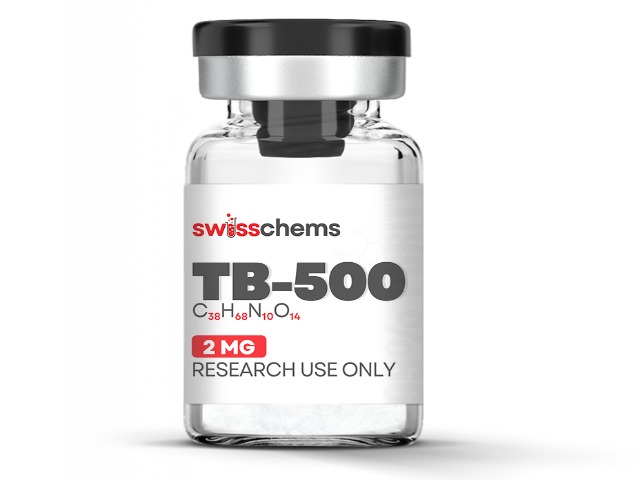
TB-500 (Thymosin Beta-4) by SwissChem
Shop Now →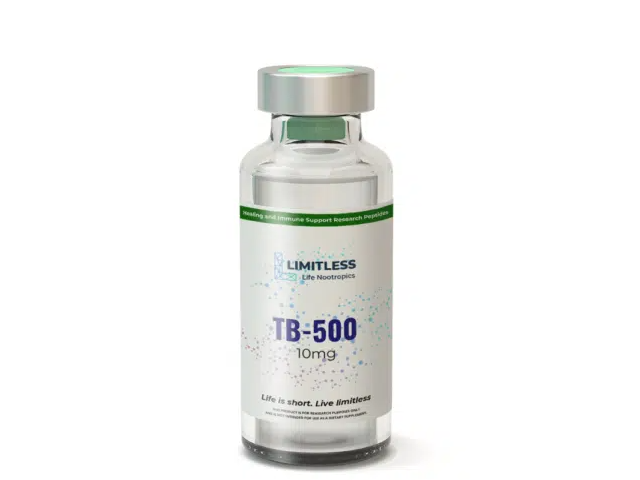
Limitless Life Nootropics TB-500 Peptide (Thymosin Beta 4) 10mg by Nootropics Depot
Shop Now →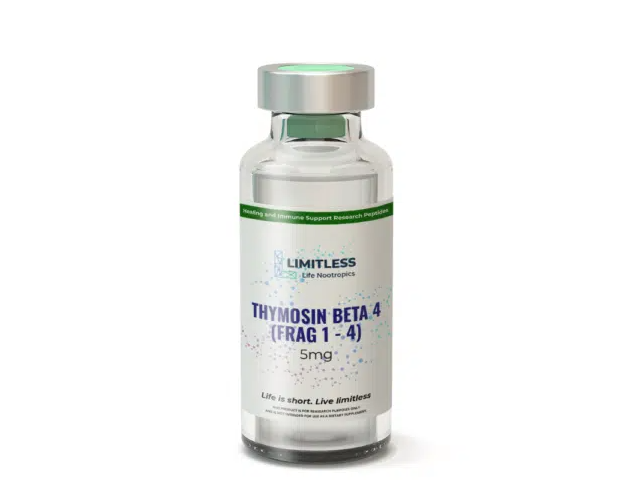
Limitless Life Nootropics TB-500: Thymosin Beta 4 Fragment 1-4 (5mg) by Nootropics Depot
Shop Now →Disclosure: These are affiliate links. I earn a small commission if you purchase — at no extra cost to you. I only recommend products I personally use or have thoroughly researched.
Research & Studies
This section includes 3 peer-reviewed studies referenced in our analysis.