One of the most common questions I get from clients and readers is about the latest technologies for optimizing brain performance. Supplements get most of the attention in the nootropics world, but some of the most impactful tools for long-term cognitive enhancement do not come in a capsule. Neurofeedback and biofeedback — technologies that allow you to monitor and train your own brain waves and physiology in real-time — represent a fundamentally different approach to brain optimization.
I have been using a Muse S headband and HeartMath Inner Balance HRV sensor daily for the past six months, and the experience has changed how I think about self-regulation. These tools do not produce the acute, noticeable effects of a nootropic compound. Instead, they build lasting skills — the ability to consciously shift your nervous system state, manage stress in real-time, and sustain focus without external chemical support. That permanence is what makes them worth understanding.
The Short Version: Neurofeedback (EEG biofeedback) trains you to modify brain wave patterns through real-time visual and auditory feedback, with strong evidence for ADHD, anxiety, and cognitive performance. Biofeedback tracks physiological signals like heart rate variability (HRV) and teaches you to actively regulate your stress response. Both are non-invasive, low-risk, and produce permanent skills rather than temporary chemical effects. Consumer devices like the Muse S and HeartMath have made these technologies accessible for self-tracking and daily brain training.
What Is Neurofeedback?
Neurofeedback, also known as EEG biofeedback, is a form of brain training that uses real-time displays of brain activity to teach self-regulation. Sensors placed on the scalp measure different types of brain waves — delta, theta, alpha, beta, and gamma — each reflecting different mental states.
These brain wave readings are fed back to you through visual and auditory cues that respond to shifts in your neural activity. When your brain produces the target pattern (say, sustained alpha waves for calm focus), you receive positive feedback. When it drifts, the feedback changes. Over time, your brain learns to produce beneficial patterns more consistently and with less effort.
The research base is substantial but nuanced. A major 2025 systematic review and meta-analysis published in JAMA Psychiatry — the largest to date, analyzing 38 randomized controlled trials with 2,472 participants — found that while probably-blinded reports of overall ADHD symptoms showed no significant group-level improvement with neurofeedback, analyses restricted to studies using established standard EEG protocols did reveal small but significant benefits. Separate 2025 meta-analyses found medium effect sizes for neurofeedback on specific executive function domains: inhibitory control and working memory in children with ADHD. A randomized controlled trial published in Nature Reviews Neuroscience showed that just five days of neurofeedback training increased cognitive control and underlying brain network efficiency — comparable to improvements seen with non-invasive brain stimulation techniques.
This aligns with what we know about the brain’s capacity for self-directed change. The INHANCE trial at McGill University demonstrated that 10 weeks of cognitive speed training reversed approximately one decade of cholinergic decline in the anterior cingulate cortex, as measured by PET imaging. Your brain adapts to the demands placed on it — and neurofeedback is a structured way to place very specific demands on specific brain regions.
What Is Biofeedback?
Biofeedback follows the same principle but targets physiological signals from the body rather than brain waves directly. Common targets include:
- Heart rate variability (HRV) — The variation in time between heartbeats, reflecting autonomic nervous system balance
- Muscle tension (EMG) — Especially relevant for tension headaches and stress-related pain
- Respiration rate — Breathing patterns that influence parasympathetic activation
- Skin conductance — Sweat gland activity reflecting sympathetic arousal
- Skin temperature — Peripheral blood flow changes related to stress state
Sensors provide real-time biosignals so you can practice intentionally altering these patterns to achieve targeted states — strengthening stress resilience, supporting recovery, and promoting overall nervous system health.
Decades of research validate biofeedback for managing hypertension, headaches, chronic pain, asthma, and insomnia. A meta-analysis in Applied Psychophysiology and Biofeedback found large effect sizes for biofeedback interventions on anxiety symptoms. A 2025 randomized controlled trial evaluated virtual reality-enhanced EEG biofeedback for anxiety treatment in 89 patients using portable EEG devices, finding that home-based approaches delivered meaningful improvements — a finding that validates the consumer-device model for anxiety management. HRV biofeedback in particular has emerged as one of the most accessible and well-supported modalities for building genuine stress resilience, with 2024-2025 research extending its applications to athletic pre-competition anxiety management and workplace stress interventions.
Key Benefits of Neurofeedback and Biofeedback
Enhanced cognitive performance. Optimizing brain wave patterns improves memory, focus, and processing speed. This is particularly well-documented for attention and executive function.
Improved mood regulation. Both technologies reduce symptoms of anxiety, depression, and irritability by training the nervous system toward healthier baseline states. This complements the mood benefits of adaptogens like Rhodiola rosea.
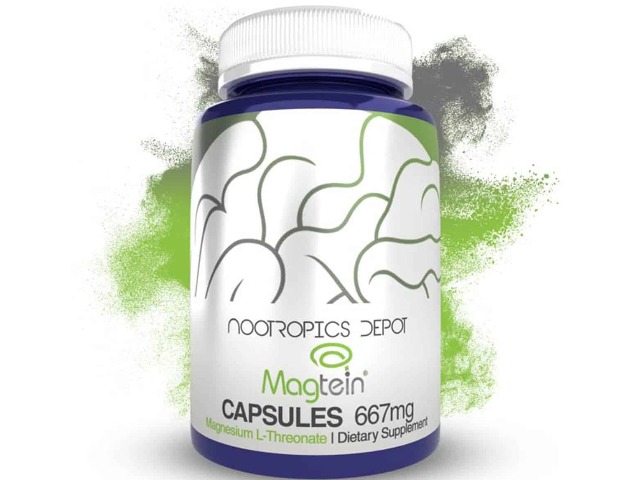
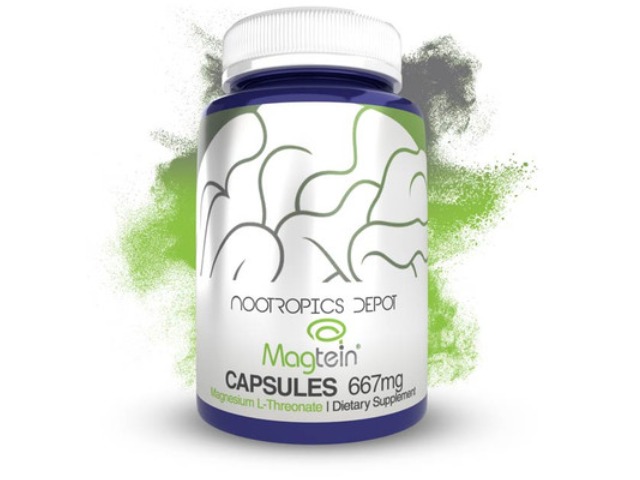
Deeper sleep and recovery. Training your brain to shift into theta and delta wave patterns supports more restorative sleep. I found that consistent evening HRV sessions measurably improved my sleep quality over several weeks. Pairing this with Magnesium L-Threonate in the evening creates a solid sleep optimization protocol.
Lasting stress resilience. Unlike supplements that provide temporary biochemical support, neurofeedback and biofeedback build permanent skills. You learn to recognize stress states in your body and actively shift them — an ability that persists even after you stop using the devices.
Neuroplasticity support. Regular brain training drives structural and functional brain changes through activity-dependent plasticity — the same mechanism behind the INHANCE trial results.
Non-invasive and low-risk. Unlike medications or even some supplements, these tools carry minimal risk of side effects. The only notable caution is that neurofeedback can occasionally be overly stimulating for certain seizure disorders. A 2025 systematic review and meta-analysis in Frontiers in Neuroscience specifically validated neurofeedback for PTSD treatment, finding significant improvements in trauma-related symptoms — expanding the clinical evidence base beyond ADHD and anxiety into additional mental health applications.
Expanding applications. A 2025 review in Psychiatry and Clinical Neurosciences Reports documented the broadening scope of neurofeedback from its original ADHD and epilepsy applications to conditions including autism spectrum disorder, alcohol dependence, insomnia, anxiety, and depression, reflecting the growing clinical recognition of self-regulation training as a viable therapeutic modality.
Consumer Devices Worth Considering
Thanks to advances in wearable technology, neurofeedback and biofeedback are now accessible for home use. Here are the devices I have evaluated:
Muse S — An EEG headband designed for meditation and focus training. It provides real-time feedback on brain activity, heart rate, and breathing. This is what I use daily and recommend as a starting point for neurofeedback.
HeartMath Inner Balance — An HRV sensor that trains emotional regulation through coherence breathing. The app is well-designed and the science behind HRV coherence training is solid. I use this for my evening wind-down protocol.
Apollo Neuro — A wearable wristband that uses gentle vibration patterns to influence the autonomic nervous system. Less of a training tool and more of an active intervention, but useful for people with anxiety or stress-related conditions.
Lief — A biofeedback patch that provides continuous HRV monitoring and real-time stress intervention throughout the day.
My Experience: Six Months of Daily Use
I committed to daily 5-10 minute sessions with the Muse S in the morning and HeartMath in the evening for six months. Consistency was the critical factor — short, regular sessions produced much better results than occasional longer sessions.
Over the first month, the effects were subtle. I noticed slightly improved focus duration during deep work blocks and somewhat easier transitions from high-stress to relaxed states. By month three, the changes were more meaningful: I could consistently enter a calm, focused state within minutes using the breathing techniques I had trained, even without the devices.
The physiological data told a complementary story. My baseline HRV increased, my resting heart rate decreased slightly, and the time I spent in the “coherence” zone during HeartMath sessions roughly doubled compared to my first weeks.
The most valuable aspect was not any single metric improvement but the development of what I would call embodied self-regulation — the ability to feel a stress response building and consciously shift it before it derails my focus or mood. This is a skill that no supplement provides.
Combining Neurofeedback with Nootropics
These technologies pair well with targeted supplementation:
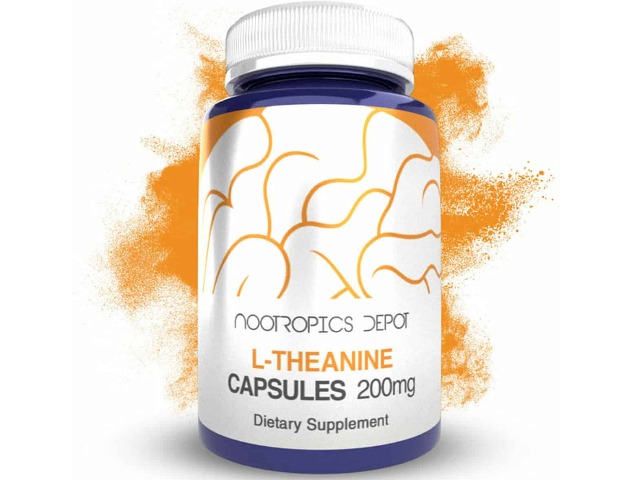
- L-Theanine (200mg) before a neurofeedback session supports alpha wave production, making it easier to enter the calm-focus state the training targets
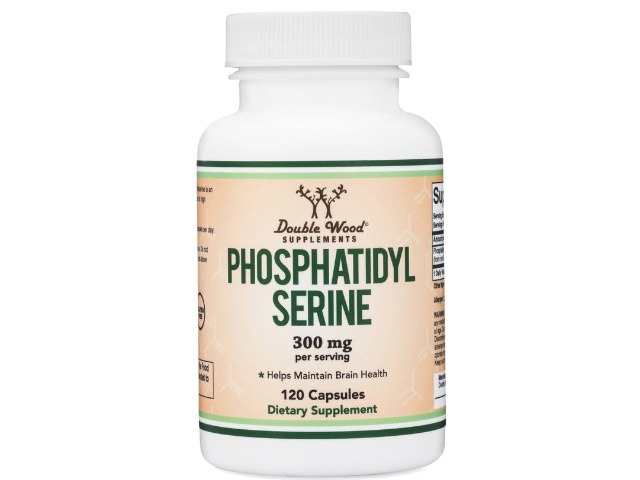
- Phosphatidylserine (100-300mg daily) supports the neuronal membrane health that underlies neuroplasticity — the mechanism through which neurofeedback produces lasting changes
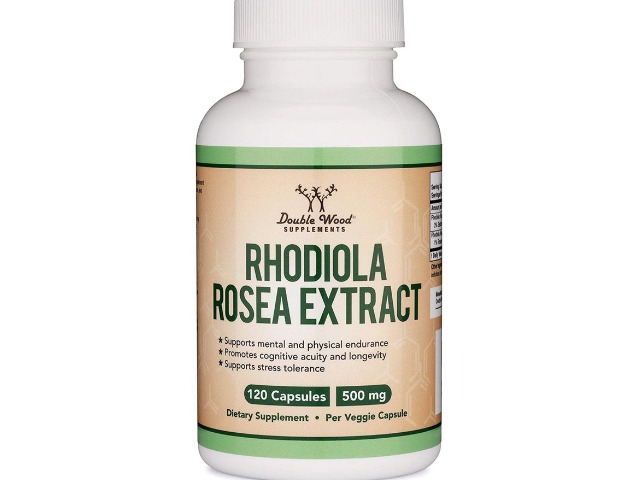
- Rhodiola rosea (200-400mg) buffers cognitive fatigue during extended training sessions and supports the stress resilience goals that biofeedback trains
The key insight is that supplements provide the raw biochemical support while neurofeedback and biofeedback build the regulatory skills. Together, they address both the hardware and the software of cognitive optimization.
Getting Started: Practical Recommendations
If you are new to neurofeedback or biofeedback, here is my recommended approach:
-
Start with HRV biofeedback. HeartMath’s coherence training is the most accessible entry point. It requires minimal equipment, sessions are short (5-10 minutes), and the benefits for stress management are well-documented.
-
Add EEG neurofeedback after establishing a baseline. Once you have developed basic self-regulation through HRV training, the Muse S or a comparable EEG headband adds the brain wave dimension.
-
Practice daily, keep it short. Five to ten minutes per session is sufficient. Consistency matters far more than session length. I do morning Muse sessions and evening HeartMath sessions.
-
Track your progress. Keep a simple journal of training conditions, subjective state, and any symptoms. Review weekly to identify patterns and progress.
-
Be patient. Cognitive changes emerge in as little as 5 sessions for some people, but achieving meaningful clinical benefits for conditions like ADHD takes 15-20 sessions on average. Expect gradual, cumulative progress.
-
Consider working with a coach. Remote neurofeedback coaching is available and can provide customized protocols and guidance, especially if you are addressing specific conditions.
Are the Results Permanent?
Yes — and this is the most compelling feature of these technologies. By learning skills that voluntarily alter brainwaves and physiology, you gain lasting abilities that can be applied as needed without the devices. Unlike a nootropic supplement that requires ongoing use, the self-regulation skills you build through neurofeedback and biofeedback are internalized. You may use the devices less frequently over time while maintaining the benefits.
This is why I view neurofeedback and biofeedback as foundational tools in any brain optimization protocol — not replacements for good supplementation, but permanent skill-building layers that amplify everything else you do.
For more on optimizing the cholinergic and attentional systems that neurofeedback trains, see our articles on cholinergics for focus and the science of deep concentration.