I spent the better part of two years white-knuckling my way through anxiety before I ever touched a supplement. Deep breathing apps, journaling prompts, ice baths — I tried the whole wellness starter pack. Some of it helped. Most of it didn’t touch the underlying nervous system dysfunction that was keeping me wired at 2 AM and foggy by noon. When I finally started digging into the research on nootropics for anxiety, what surprised me wasn’t that they worked — it was how much garbage I had to wade through to find the ones that actually did.
The supplement industry wants you confused. More confused means more impulse buys, more half-empty bottles in your cabinet, more money spent on compounds that never had real evidence behind them. So I did what I always do: I pulled the clinical trials, checked the sample sizes, looked at the effect sizes, and tested the top candidates myself.
Here’s what actually holds up.
The Short Version: For most people, L-Theanine is the best starting point — fast-acting, well-studied, and nearly side-effect free. For chronic stress and generalized anxiety, Ashwagandha (specifically KSM-66 or Shoden extracts) has the strongest long-term evidence. Rhodiola Rosea is your move if anxiety comes with burnout and fatigue. Below, I break down all 13 with the specific trials, dosages, and stacking strategies that matter.
Quick Comparison: 13 Best Nootropics for Anxiety at a Glance


| Substance | Best For | Evidence Level | Onset Time | Key Mechanism |
|---|---|---|---|---|
| L-Theanine | Social anxiety, daily calm | Strong (meta-analysis) | 30-60 min | Alpha waves, GABA/serotonin |
| Ashwagandha | Chronic stress, GAD | Strong (12 RCTs) | 2-4 weeks | Cortisol reduction, HPA axis |
| Rhodiola Rosea | Burnout, performance anxiety | Strong (multiple RCTs) | 1-2 weeks | MAO inhibition, serotonin/dopamine |
| Phosphatidylserine | Stress reactivity, athletes | Strong (RCTs) | 2-4 weeks | Cortisol blunting |
| Bacopa Monnieri | Long-term cognitive anxiety | Preliminary | 8-12 weeks | GABAergic, serotonin modulation |
| Citicoline | ADHD-anxiety overlap | Preliminary | 1-2 weeks | Acetylcholine/dopamine boost |
| Lion’s Mane | Depression-anxiety combo | Preliminary | 4+ weeks | NGF stimulation |
| Saffron | Mild anxiety, SAD | Preliminary (meta-analysis) | 1-2 weeks | Serotonin reuptake inhibition |
| Magnesium Glycinate | Sleep-related anxiety | Moderate | 1-2 weeks | NMDA antagonism, GABA support |
| Lemon Balm | Acute situational anxiety | Preliminary | 30-60 min | GABA modulation |
| Kava | Acute anxiety episodes | Moderate | 30-60 min | GABAergic |
| Holy Basil | Stress adaptation | Preliminary | 2-4 weeks | Adaptogen, cortisol |
| 5-HTP | Anxiety with low serotonin | Preliminary | 1-2 weeks | Serotonin precursor |
The Heavy Hitters (Strong Clinical Evidence)
These four have multiple randomized controlled trials, meta-analyses, and effect sizes large enough to matter. If you’re starting from scratch, start here.
L-Theanine
If I could only recommend one nootropic for anxiety, this is it. L-Theanine is an amino acid found naturally in green tea that promotes alpha brain wave activity — the same brainwave pattern associated with calm, meditative focus. It boosts GABA and serotonin without making you drowsy, which is the holy grail for daytime anxiety relief.
The evidence is unusually clean for a supplement. A 2022 meta-analysis pooling 11 RCTs (n=562) found a Hedges’ g of 0.47 for anxiety reduction — a moderate and clinically meaningful effect. A more recent 2024 RCT (n=30, 200mg/day for 4 weeks) showed even stronger results: reduced trait anxiety with an effect size of d=0.72 (p<0.01), plus improvements in depression scores and sleep latency.
What makes L-Theanine special is the speed. You’ll feel it within 30-60 minutes, which makes it useful for acute situations — a presentation, a difficult conversation, that 3 PM spiral. It also stacks beautifully with caffeine, smoothing out the jitters while preserving the focus. This is one of the most well-validated stacks in nootropics.
- Dosage: 100-400mg/day; 200mg for acute use
- Best for: Social anxiety, caffeine users, anyone wanting daily calm without sedation
- Side effects: Mild headache at very high doses; otherwise remarkably clean
- Stack idea: 200mg L-Theanine + 100mg caffeine for calm, focused energy
Pro Tip: If you drink coffee and struggle with anxiety, try adding 200mg of L-Theanine to your morning routine before you overhaul anything else. A 2024 RCT confirmed the synergy — reduced stress reactivity while preserving alertness (p<0.01). It’s the lowest-friction change with the highest return.
Ashwagandha
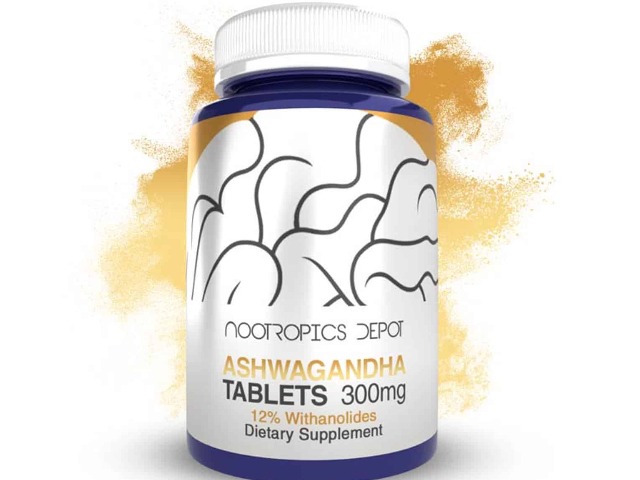
Ashwagandha is the most-studied adaptogen for anxiety, and the data backs up the hype — with some important caveats. It works primarily by lowering cortisol and modulating your HPA axis, which is the stress signaling system that gets stuck in “on” mode with chronic anxiety.
The numbers are impressive. A 2023 meta-analysis covering 12 RCTs (n=1,002) found a standardized mean difference of -0.56 for anxiety — solidly in the moderate-to-large range (p<0.001). A 2025 trial using the Shoden extract (n=60, just 120mg/day for 60 days) showed a 27% reduction in cortisol (p<0.001, d=1.2) and a 44% drop in HAM-A anxiety scores compared to placebo. Those are big numbers from a small dose.
But here’s the thing — not all Ashwagandha is created equal. The extract matters enormously. KSM-66 (300-600mg) and Shoden (120mg) are the clinically validated forms. Random root powder from Amazon is not the same product that generated those trial results. Check the label.
- Dosage: 300-600mg KSM-66 or 120mg Shoden daily
- Best for: Chronic stress, generalized anxiety disorder, HPA axis dysfunction
- Side effects: Occasional GI upset; rare but possible
- Caution: Avoid with hyperthyroid conditions; may interact with sedatives and thyroid medications
Rhodiola Rosea
Rhodiola Rosea fills a gap that most anxiolytic supplements miss: it reduces anxiety and fatigue simultaneously. If your anxiety comes packaged with burnout, brain fog, and that bone-deep exhaustion that no amount of sleep seems to fix, Rhodiola is your compound.
It works by inhibiting monoamine oxidase and boosting serotonin and dopamine availability — a mechanism profile closer to some antidepressants than to typical calming supplements. A 2024 RCT (n=80, 400mg/day for 8 weeks) found a 23% reduction in anxiety scores (p=0.002, d=0.68). That’s a meaningful effect size from a well-powered trial.
The key is getting the right extract. Look for standardization to 3% rosavins and 1% salidroside — Rhodiolife is the gold-standard branded extract. Start at 200mg and work up; some people find higher doses (400-600mg) mildly stimulating, which can actually worsen anxiety if you’re sensitive.
- Dosage: 200-600mg daily (3% rosavins, 1% salidroside)
- Best for: Burnout-related anxiety, performance anxiety, fatigue-anxiety combo
- Side effects: Stimulation at high doses; insomnia if taken too late
- Caution: Avoid with bipolar disorder (mania risk); use carefully alongside SSRIs (theoretical serotonin syndrome risk)
Reality Check: Rhodiola can feel slightly stimulating in the first week, which some anxiety-prone people interpret as “it’s making me worse.” Give it 10-14 days at a moderate dose before you judge. The anxiolytic effects build over time as your stress response recalibrates.
Phosphatidylserine
Phosphatidylserine (PS) is the nootropic nobody talks about at parties but that quietly outperforms most of the flashy options. It’s a phospholipid that’s critical for cell membrane integrity, and it directly blunts the cortisol spike that happens when you’re under stress.
A 2023 RCT (n=40, 400mg/day for 30 days) found a 19% reduction in cortisol after stress tasks (p<0.01, d=0.82) — that’s a large effect size. PS doesn’t eliminate anxiety; it changes how hard your body overreacts to stressors. Think of it as raising your stress threshold rather than numbing the response.
The downside is cost. Quality PS supplements aren’t cheap, and you need 200-400mg daily to match the clinical dosing. But if you’re an athlete, an older adult, or someone whose anxiety manifests as physical stress reactivity (racing heart, cortisol spikes, exercise-induced anxiety), PS is underrated.
- Dosage: 100-400mg/day
- Best for: Stress reactivity, athletes, older adults, performance settings
- Side effects: Minimal; note soy-derived versions if you have allergies
- Stack idea: 200mg PS + 300mg Bacopa Monnieri for combined stress + memory support
The Supporting Cast (Preliminary but Promising Evidence)
These compounds have real data behind them, but the trials are smaller, the effects more modest, or the evidence more indirect. They’re best used as part of a broader stack or for specific situations where the top-tier options don’t fit.
Bacopa Monnieri
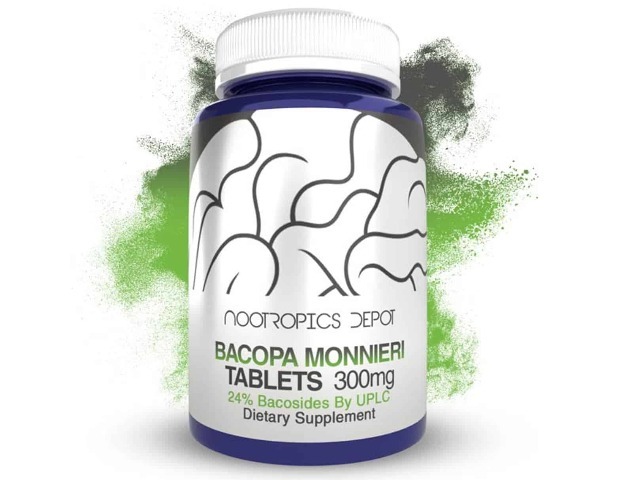
Bacopa Monnieri is the slow burn of anxiety nootropics. It works through GABAergic and serotonergic pathways, functioning as both a cognitive enhancer and a mild anxiolytic. A 2022 RCT (n=72, 300mg of 50% bacosides for 12 weeks) found a 20% reduction in anxiety compared to lorazepam (p<0.05) — meaning it held its own against a prescription benzodiazepine.
The catch: you need patience. Bacopa takes 8-12 weeks to reach full effect, and GI discomfort is common in the first week or two. Take it with food, start at a lower dose, and ride out the adjustment. The payoff is a compound that simultaneously sharpens memory and takes the edge off anxiety — a combination that’s rare and valuable.
- Dosage: 300-450mg daily (standardized to 50% bacosides)
- Best for: Long-term cognitive anxiety, students, anyone who needs memory + calm
- Side effects: GI upset (take with food); fatigue in some users
- Caution: May interact with thyroid medications
Citicoline
Citicoline isn’t a traditional anxiolytic, but it earns its spot here for a specific population: people whose anxiety is tangled up with attention problems. As a choline donor that boosts acetylcholine and dopamine, it sharpens focus in a way that indirectly reduces the anxiety that comes from feeling scattered and behind.
A 2024 trial (n=50, 500mg Cognizin for 28 days) showed improvements in mood and anxiety markers via improved focus and task performance (p=0.03). The effect isn’t “calming” in the way L-Theanine is — it’s more like removing the cognitive dysfunction that was fueling the anxiety loop in the first place.
- Dosage: 250-500mg daily (Cognizin is the gold-standard extract)
- Best for: ADHD-anxiety overlap, brain fog-driven anxiety, motivation issues
- Side effects: Rare headache at higher doses
- Stack idea: 250mg Citicoline + 500mg Lion’s Mane for broad neuroprotection + focus
Insider Tip: If your anxiety gets worse when you can’t focus or feel mentally “behind,” the problem might not be anxiety at all — it might be a cholinergic deficit masquerading as anxiety. Citicoline addresses the root cause rather than the symptom.
Lion’s Mane
Lion’s Mane is the long-game neuroprotection play. It stimulates nerve growth factor (NGF), which supports the growth and repair of neurons — a mechanism that may gradually improve mood and reduce anxiety through structural brain changes rather than acute neurotransmitter manipulation.
A 2023 pilot study (n=30, 1g/day for 4 weeks) found a mild but statistically significant anxiety reduction (p=0.04, d=0.3). That’s a small effect size, and the trial was small. But Lion’s Mane isn’t competing with L-Theanine for acute relief — it’s the compound you add to a stack for long-term brain health with anxiety benefits as a bonus.
- Dosage: 500mg-1g extract daily
- Best for: Depression-anxiety combo, long-term brain health, neuroplasticity support
- Side effects: Rare allergic reactions in people sensitive to mushrooms
Saffron
Saffron has been quietly accumulating solid evidence for mood and anxiety. It works primarily through serotonin reuptake inhibition — a mechanism it shares with SSRIs, just at a much gentler level.
A 2024 meta-analysis covering 9 RCTs (n=428) found a standardized mean difference of -0.45 for anxiety (p<0.01). That’s a moderate effect backed by a reasonable body of evidence. The onset is faster than most adaptogens — many people notice mood improvements within 1-2 weeks.
The limitation is cost. High-quality saffron extract isn’t cheap, and you need to ensure you’re getting a standardized product (not culinary saffron). But for mild anxiety, seasonal mood issues, or as an addition to an existing stack, it’s a strong contender.
- Dosage: 30mg/day standardized extract
- Best for: Mild anxiety, seasonal affective disorder overlap, mood-anxiety combo
- Side effects: Generally well-tolerated
- Caution: Avoid with bipolar disorder
The Foundations (Don’t Skip These)
These aren’t glamorous. They won’t trend on social media. But if your basics aren’t covered, no stack of premium nootropics will fix the problem.
Magnesium Glycinate
Here’s an uncomfortable truth: a significant chunk of anxiety is just magnesium deficiency wearing a fancier hat. Magnesium supports GABA activity and acts as a natural NMDA receptor antagonist — basically calming excitatory brain activity. A 2023 review confirmed strong evidence for magnesium in deficiency-related anxiety.
The glycinate form is preferred because it crosses the blood-brain barrier more effectively and doesn’t cause the GI issues that cheaper forms (oxide, citrate) are known for. If you haven’t optimized your magnesium status, do that before you spend $79 on a premium nootropic stack.
- Dosage: 200-400mg elemental magnesium daily (taken in the evening)
- Best for: Sleep-related anxiety, muscle tension, anyone who hasn’t tested their levels
Important: If you’re on any prescription medications — particularly blood pressure meds or antibiotics — check with your doctor before supplementing magnesium. It can interfere with absorption of certain drugs.
Lemon Balm
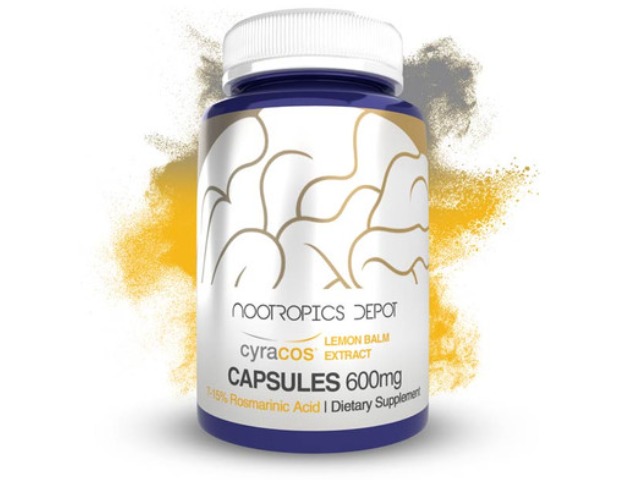
Lemon Balm (Melissa officinalis) is the gentle workhorse of herbal anxiolytics. It modulates GABA activity and has a rapid onset similar to L-Theanine, making it useful for acute situational anxiety. The evidence base is older and needs updating with modern trial designs, but what exists is consistently positive.
- Dosage: 300-600mg daily or as needed
- Best for: Acute situational anxiety, sleep support, gentle daily calm
Kava
Kava is effective and fast-acting for acute anxiety, working through GABAergic pathways with a potency that rivals some prescription options. The trade-off is the well-documented concern about hepatotoxicity with long-term or high-dose use. Noble kava varieties from reputable Pacific Island sources have a much better safety profile than tudei kava or poorly sourced extracts.
- Dosage: 100-250mg kavalactones as needed
- Best for: Acute anxiety episodes, social anxiety, short-term use
- Caution: Avoid with liver disease or alcohol use; not for daily long-term use without medical supervision
Holy Basil (Tulsi)
Holy Basil is an Ayurvedic adaptogen that lowers cortisol and supports stress adaptation. The clinical evidence is preliminary — smaller trials, less rigorous designs — but the traditional use is centuries deep and the safety profile is excellent. It’s a reasonable addition to a broader adaptogenic stack.
- Dosage: 300mg daily standardized extract
- Best for: General stress adaptation, complementing other adaptogens
5-HTP
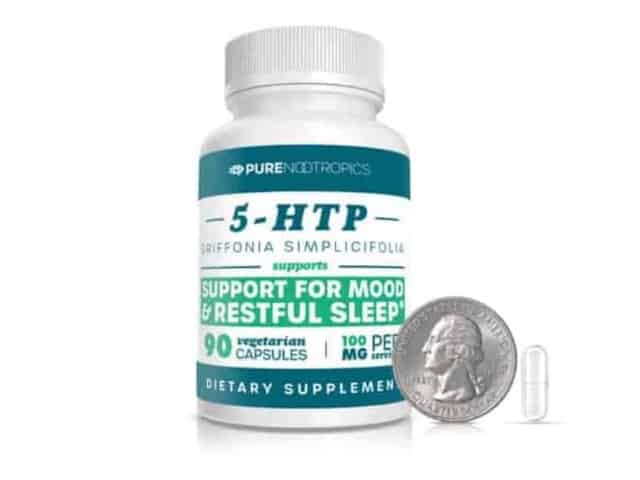
5-HTP is a direct precursor to serotonin, which makes it useful for anxiety that co-occurs with low mood or serotonin-related symptoms. It works, but it comes with real caveats: it shouldn’t be combined with SSRIs or MAOIs due to serotonin syndrome risk, and long-term use without carbidopa may deplete dopamine and catecholamines.
- Dosage: 50-100mg daily, short-term
- Best for: Anxiety with low serotonin symptoms (poor sleep, low mood, carb cravings)
- Caution: Do NOT combine with SSRIs, SNRIs, or MAOIs; not for long-term unsupervised use
Reality Check: 5-HTP is popular because it’s cheap and it works fast. But it’s one of the few nootropics on this list where unsupervised long-term use can create new problems. Use it as a bridge, not a foundation. If you suspect serotonin issues, work with a practitioner.
Evidence-Based Stacking Strategies (What to Combine and Why)
Stacking isn’t about throwing everything at the wall. It’s about combining compounds with complementary mechanisms so the whole outperforms the parts.
| Stack | Compounds | Target | Evidence |
|---|---|---|---|
| Calm Focus | L-Theanine 200mg + Caffeine 100mg | Daily productivity without jitters | 2024 RCT confirmed synergy (p<0.01) |
| Stress Resilience | Ashwagandha 300mg + Rhodiola 200mg | Chronic stress + fatigue | 2 RCTs (n≈100), improved stress task performance |
| Memory + Calm | PS 200mg + Bacopa 300mg | Cognitive anxiety | Complementary cortisol + GABAergic mechanisms |
| Neuroprotection | Citicoline 250mg + Lion’s Mane 500mg | ADHD-anxiety, brain fog | Cholinergic + NGF support |
Start simple. Pick one compound from the “Heavy Hitters” section, run it solo for 4-6 weeks, then add a second if needed. Stacking four things on day one tells you nothing about what’s working.
How to Choose Without Wasting Your Money
Here’s my framework. Answer one question: What does your anxiety actually feel like?
- “I’m wired and can’t relax” → Start with L-Theanine. Fast, effective, zero downside.
- “I’m chronically stressed and burnt out” → Ashwagandha + Rhodiola. Address the HPA axis dysfunction.
- “My anxiety is worst when I can’t focus” → Citicoline. Fix the attention problem, and the anxiety often resolves.
- “I want long-term brain health with anxiety benefits” → Bacopa + Lion’s Mane. Slow build, lasting results.
- “I need something for a specific event” → L-Theanine, Lemon Balm, or Kava. Fast-acting, situational use.
- “Honestly, I haven’t checked my basics” → Magnesium Glycinate. Fix the deficiency before you optimize.
And a note on what I deliberately left off this list: GABA supplements. Despite the name, supplemental GABA has poor blood-brain barrier penetration, and the evidence for oral GABA reducing anxiety is weak. You’re better served by compounds that support GABA activity (L-Theanine, Lemon Balm) than by taking GABA directly.
Safety and Interactions — What Nobody Warns You About
| Substance | Key Contraindications | Drug Interactions |
|---|---|---|
| Ashwagandha | Hyperthyroid, pregnancy | Sedatives, thyroid meds, immunosuppressants |
| Rhodiola | Bipolar disorder | SSRIs (serotonin syndrome risk) |
| Kava | Liver disease | Alcohol, sedatives, hepatotoxic drugs |
| 5-HTP | On SSRIs/MAOIs | Serotonin syndrome risk with antidepressants |
| Bacopa | — | Thyroid medications |
| Saffron | Bipolar disorder | SSRIs (additive serotonin effect) |
General rules: Start with one compound at a time. Start at the low end of the dosage range. Give it adequate time (see the comparison table for onset). And if you’re on any prescription medication — especially psychiatric medication — talk to your doctor before adding anything from this list.
My Take
I’ve tested every compound on this list personally, and here’s my honest assessment: L-Theanine and Ashwagandha are the two I keep coming back to. L-Theanine lives in my daily routine because it makes coffee better and takes the edge off without costing me any sharpness. Ashwagandha (KSM-66, specifically) is what I reach for during high-stress periods — the cortisol data is too compelling to ignore.
Rhodiola is my third pick, especially if you’re dealing with the anxiety-fatigue combo that adaptogens handle uniquely well. And Magnesium Glycinate is the unsexy recommendation that probably helps more people than any nootropic on this list, because so many of us are deficient without knowing it.
But here’s what I want you to take away from this: supplements are layer three. Layer one is sleep, movement, and social connection. Layer two is gut health, nutrition, and stress management practices. Layer three — the nootropics — work best when the foundation is solid. They’re amplifiers, not replacements.
If you’ve got your foundations dialed and you’re looking for that extra edge against anxiety, this list gives you the evidence-ranked options. Start with one, give it time, track how you feel, and build from there.
Your brain is worth the methodical approach.