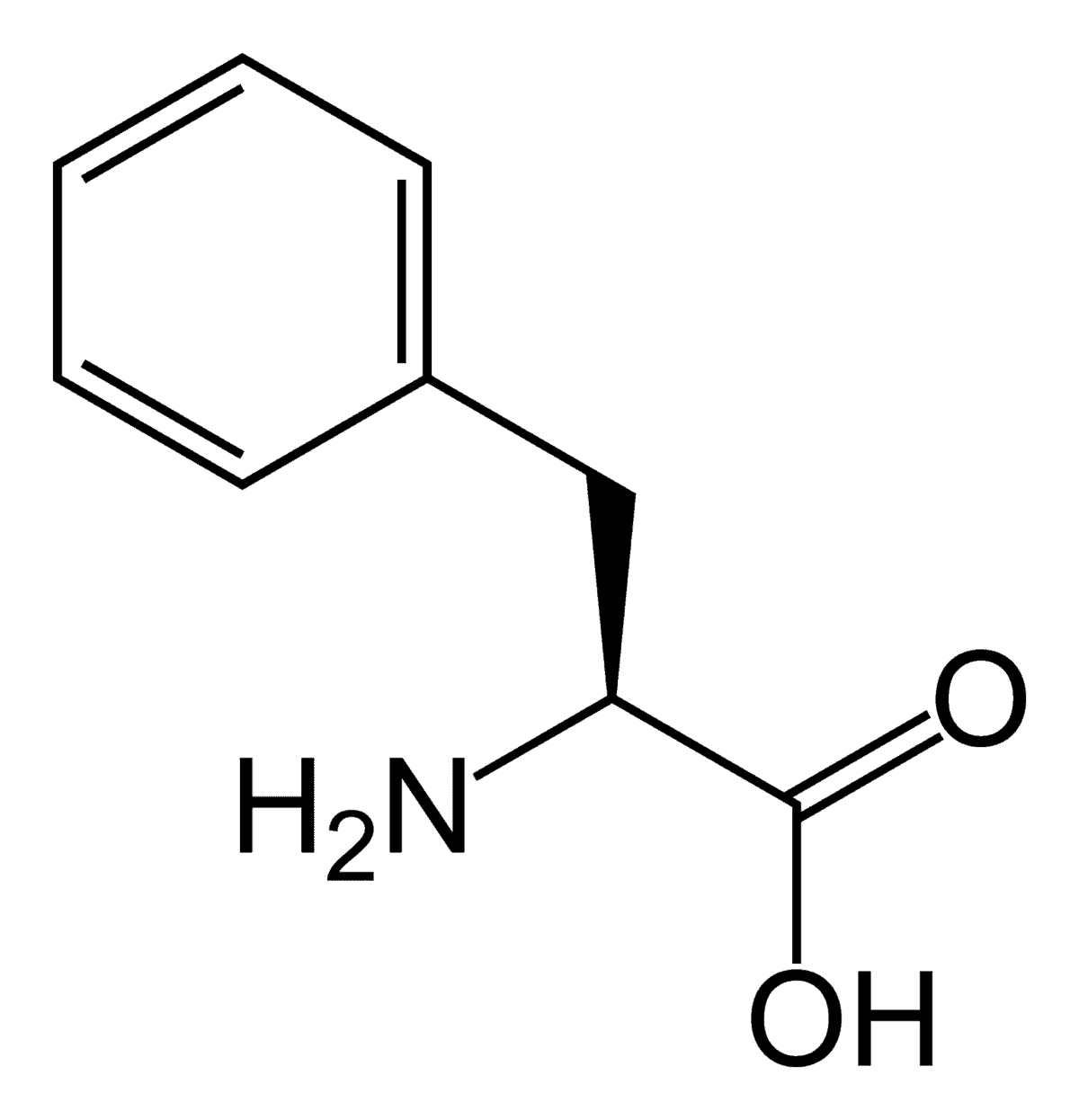

- Supports dopamine and norepinephrine production
- May improve mood and emotional resilience
- Potential mild pain relief through endorphin modulation
- Enhances motivation and mental drive
I used to think the path to better focus and motivation started and ended with caffeine. Six cups a day, easy. By 2pm my hands were shaking, my heart was doing its own drum solo, and I still couldn’t remember what I’d read ten minutes ago.
Turns out the issue wasn’t stimulation — it was that my brain’s raw materials were running on empty. That’s what led me down the rabbit hole of amino acid precursors, and eventually to DL-Phenylalanine.
DLPA isn’t flashy. It won’t trend on biohacking Twitter. But it’s one of those foundational compounds that quietly supports the machinery your brain depends on every single day — the neurotransmitters that govern your mood, motivation, and ability to handle pain. The catch? The marketing around it has gotten way ahead of the science in some areas, and I think you deserve to know exactly where the evidence is strong and where it’s still catching up.
The Short Version: DL-Phenylalanine (DLPA) is a 50/50 blend of two forms of the essential amino acid phenylalanine. The L-form feeds directly into your dopamine and norepinephrine production. The D-form may help your body hold onto its natural endorphins longer, though that mechanism is less proven than supplement labels suggest. Best evidence is for mood support. Generally safe at normal doses, but absolutely off-limits if you have PKU or take MAOIs.
What Is DL-Phenylalanine?
Phenylalanine is one of the nine essential amino acids — meaning your body can’t make it on its own. You get it from protein-rich foods like meat, fish, eggs, dairy, and soybeans. It was first identified in 1879 in lupine seedlings, and scientists have been unraveling its role in brain chemistry ever since.
DL-Phenylalanine is a lab-made 50/50 racemic mixture of two mirror-image forms of this amino acid. The “L” form (L-Phenylalanine) is the natural version — the one your body uses to build neurotransmitters. The “D” form (D-Phenylalanine) is its synthetic mirror image, which the body handles differently and which researchers in the late 1970s theorized might help preserve endorphins.
The idea behind combining them is elegant: L-Phe fuels the production of dopamine and norepinephrine from the top of the pathway, while D-Phe theoretically slows the breakdown of your body’s natural painkillers. Two mechanisms, one capsule. Whether both halves of that equation deliver equally is something we’ll get into.
Before we go any further — if you’re not sleeping well, your gut health is a mess, or you’re running on stress and sugar, no amino acid supplement is going to fix that. DLPA works best as a tool layered on top of solid foundations, not as a band-aid for a lifestyle that’s falling apart. I learned that the expensive way.
How Does DL-Phenylalanine Work?
Think of your brain’s dopamine system like an assembly line. Raw materials come in one end, finished neurotransmitters come out the other. DLPA works by feeding that assembly line from two different angles.
The L-Phenylalanine Side: Building Blocks for Motivation
L-Phenylalanine kicks off a four-step biochemical cascade that ends with the neurotransmitters responsible for your mood, motivation, and focus:
- L-Phenylalanine → L-Tyrosine — The enzyme phenylalanine hydroxylase converts L-Phe to L-Tyrosine in your liver. This step needs iron and a cofactor called tetrahydrobiopterin (BH4), which depends on adequate folate.
- L-Tyrosine → L-DOPA — Tyrosine hydroxylase handles this conversion, and it’s the rate-limiting step — the bottleneck of the whole process. Iron, BH4, and oxygen are all required.
- L-DOPA → Dopamine — The enzyme AADC makes this conversion, and it needs vitamin B6 (specifically pyridoxal-5’-phosphate) to work.
- Dopamine → Norepinephrine — Dopamine beta-hydroxylase finishes the job, requiring vitamin C and copper.
This is textbook biochemistry. There’s no debate about whether this pathway exists — it’s how your brain makes the chemicals that get you out of bed in the morning and keep you focused once you’re up.
L-Phe can also be converted into beta-phenylethylamine (PEA), a trace amine sometimes called “the love drug” that triggers quick bursts of dopamine and norepinephrine release. PEA is metabolized in minutes, so it’s more of a spark than a sustained fire — but it may contribute to the acute mood lift some users feel.
The D-Phenylalanine Side: The Endorphin Theory
Here’s where things get more interesting — and more contested.
D-Phenylalanine is proposed to inhibit enkephalinase, the enzyme that breaks down your body’s natural opioid peptides (enkephalins). The theory: by slowing that breakdown, D-Phe lets your endorphins stick around longer, producing natural pain relief and mood elevation.
It’s an elegant hypothesis. And it was hugely influential in the 1980s supplement world. But I have to be straight with you — the controlled human evidence hasn’t backed it up as strongly as the marketing suggests. A 1986 study by Walsh and colleagues tested D-Phenylalanine specifically for pain and found no significant analgesic effect compared to placebo. The primate data didn’t confirm the mechanism either.
Reality Check: The enkephalinase inhibition theory behind D-Phenylalanine is scientifically plausible but clinically unproven. If pain relief is your primary goal, DLPA probably isn’t your best bet as a standalone solution. The L-form’s dopamine precursor effects are on much firmer ground.
Benefits of DL-Phenylalanine
Mood Support — The Strongest Case
This is where DLPA’s evidence is most compelling, even if the studies are small and dated.
The landmark trial is Beckmann et al. (1979) — a double-blind study comparing DLPA (150–200mg/day) to imipramine (a tricyclic antidepressant) in 40 depressed patients over 30 days. The result? No statistically significant difference between DLPA and the pharmaceutical antidepressant on the Hamilton Depression Scale. Both groups improved similarly. DLPA was slower to reduce anxiety specifically, but by day 30 the gap had closed.
An earlier open study by Beckmann & Ludolph (1978) found that 12 out of 20 depressed patients could be discharged without additional treatment after DLPA supplementation, with another 4 showing moderate improvement.
Now — these are small, dated studies from the late 1970s. No modern large-scale randomized controlled trials exist. I want to be upfront about that. But for an amino acid with minimal side effects, the signal is interesting enough to warrant attention, especially given how well-established the L-Phe → dopamine pathway is.
Pain Relief — Weaker Than Advertised
If you’ve seen DLPA marketed as a “natural painkiller,” you should know the clinical evidence is thin. The Walsh (1986) controlled trial showed no significant analgesic effect for D-Phenylalanine versus placebo. One clinical observation paper (Budd, 2000) noted that DLPA seemed to enhance the effectiveness of opioid medications in chronic pain patients, but this wasn’t a controlled trial.
The pain claims are the weakest part of DLPA’s evidence base. I’m not saying it can’t help — some users do report mild improvements in chronic aches — but I wouldn’t choose DLPA primarily for pain management.
Attention and Focus — Don’t Count on It
A 1985 double-blind crossover study by Wood and colleagues tested DLPA in 19 adults with attention deficit disorder. Initial results showed modest improvement in mood. But here’s the problem: all benefits vanished within 2–3 months due to tolerance. A follow-up trial with L-Phenylalanine alone produced no clinical effect.
DLPA is not an ADHD solution. If sustained focus is your goal, look elsewhere.
Insider Tip: Where DLPA genuinely shines is as a mood and motivation support tool — think of it as feeding your dopamine production line, not as a stimulant or painkiller. Set your expectations accordingly and you’re much less likely to be disappointed.
How to Take DL-Phenylalanine Without Wasting Your Money
Dosage: Start at 500mg once daily and assess for 1–2 weeks before increasing. The effective range for most people is 500–1,500mg/day in divided doses. Some clinical contexts have used up to 2,000mg/day, but more isn’t necessarily better here.
Timing: Take on an empty stomach, 30–60 minutes before meals. Morning and early afternoon are ideal — DLPA’s catecholamine-boosting effects can interfere with sleep if you dose too late in the day.
Why empty stomach matters: Phenylalanine competes with other amino acids (especially tryptophan) for transport across the blood-brain barrier via the large neutral amino acid transporter. Taking it with a protein-rich meal dramatically reduces how much reaches your brain.
Cofactors — don’t skip these:
- Vitamin B6 (as P-5-P, 25–50mg) — required to convert L-DOPA to dopamine
- Vitamin C (500–1,000mg) — required to convert dopamine to norepinephrine
- Without these cofactors, you’re supplying raw materials to a factory that doesn’t have the tools to process them.
Forms:
- DLPA (50/50 blend) — most common; covers both dopamine precursor and theoretical endorphin effects
- L-Phenylalanine — if you only want the catecholamine precursor effects
- D-Phenylalanine — less commonly sold standalone; only if endorphin modulation is your specific goal
Cycling: The Wood (1985) ADHD study showed tolerance within 2–3 months of daily use. Many experienced users cycle — 5 days on/2 off, or 4–6 weeks on/1–2 weeks off. Some long-term users report that once-weekly dosing maintains benefits over years. Listen to your body.
Pro Tip: If you’ve tried L-Tyrosine and felt it was “almost” working but not quite enough, DLPA is worth trying. By entering the pathway one step upstream, it gives your body more flexibility in how it allocates precursors. Some people respond better to the upstream approach.
The Side Effects Nobody Warns You About
Most people tolerate DLPA well at standard doses. But there are real risks to know about.
Common side effects:
- Nausea or heartburn (especially without the empty-stomach gap before eating)
- Headache
- Anxiety, restlessness, or feeling “wired” — this is a catecholamine issue, and it means the dose is too high for you
- Heart palpitations at higher doses
The serious stuff:
Important: DLPA is absolutely contraindicated in three situations: (1) Phenylketonuria (PKU) — if you have this genetic condition, you cannot metabolize phenylalanine and supplementing it can cause brain damage. (2) MAOI medications — combining DLPA with MAO inhibitors (including selegiline, tranylcypromine, and even St. John’s Wort) risks a potentially fatal hypertensive crisis. (3) Pregnancy and breastfeeding — elevated phenylalanine levels are associated with birth defects.
Use caution if you have:
- High blood pressure (DLPA can raise BP through catecholamine production)
- Anxiety disorders (the stimulatory effects may make things worse, not better)
- Hyperthyroidism
- A history of melanoma (theoretical concern via the phenylalanine → tyrosine → melanin pathway)
Drug interactions to watch:
- Antipsychotics (may worsen tardive dyskinesia)
- Levodopa (competition for absorption)
- Stimulant medications like Adderall or Ritalin (additive dopaminergic effects — medical supervision only)
Stacking DL-Phenylalanine
What Works Well Together
DLPA + B6 + Vitamin C — This isn’t really a “stack” so much as a requirement. These cofactors are essential for the conversion pathway. Without them, you’re limiting DLPA’s effectiveness. Consider this the baseline.
DLPA + Rhodiola Rosea — Rhodiola may inhibit COMT and MAO, slowing the breakdown of dopamine and norepinephrine while DLPA increases their production. This is a legitimate synergy — more raw materials plus slower clearance. Good for sustained mood and energy.
DLPA + Fish Oil (DHA/EPA) — Omega-3 fatty acids support dopamine receptor density and cell membrane fluidity. A solid foundational pairing.
DLPA + NAC — Blum et al. (2015) proposed this combination for “Reward Deficiency Syndrome,” with D-Phe supporting the endorphin system and NAC modulating glutamate. Animal data is promising. Human clinical trials? Zero. Interesting theory, unproven in practice.
What to Avoid
DLPA + MAOIs — Cannot stress this enough. Dangerous combination. Period.
DLPA + 5-HTP or L-Tryptophan (at the same time) — Not dangerous, but they compete for the same blood-brain barrier transporter. If you want both dopamine and serotonin precursor support, take them at different times of day.
DLPA + high-dose L-Tyrosine — Redundant. L-Phenylalanine already converts to tyrosine. Doubling up on precursors doesn’t double the output — it just increases the chance of side effects like anxiety and elevated heart rate.
DLPA + excessive caffeine — Both push catecholamine pathways. Together they can tip you from “motivated” into “jittery and anxious” faster than you’d expect. If you stack them, cut your caffeine dose in half and see how you feel.
My Take
I’ll be honest — DLPA isn’t the most exciting compound in my cabinet. It doesn’t have the dramatic research profile of Lion’s Mane or the acute punch of caffeine. But it’s been one of my more reliable tools for mood support on days when I need a little extra drive.
Where I think DLPA genuinely earns its place is as a mood and motivation support for people who feel flat, sluggish, or emotionally blunted — especially if those feelings correlate with low protein intake, chronic stress, or a history of burnout. The L-form’s role as a dopamine precursor is rock-solid science. You’re giving your brain the raw materials it needs to do its job.
Where I think the supplement industry has oversold DLPA is on pain relief. The D-Phenylalanine enkephalinase story is a beautiful hypothesis that hasn’t held up well in controlled human trials. If chronic pain is your primary concern, I’d look at palmitoylethanolamide or curcumin first — both have stronger clinical evidence for pain.
Who should try DLPA: People looking for gentle, foundational mood support. Individuals who’ve tried L-Tyrosine and want to experiment with the upstream precursor. Anyone interested in supporting their catecholamine system naturally as part of a broader wellness protocol.
Who should skip it: Anyone with PKU (obviously). Anyone on MAOIs. People whose primary issue is anxiety rather than low mood — DLPA can make anxiety worse. And if you’re looking for a noticeable “brain boost” on day one, this probably isn’t your compound. The effects are subtle and cumulative.
Start low, take it with B6 and vitamin C, cycle it to prevent tolerance, and give it at least 2–4 weeks before you decide if it’s working. That’s the honest protocol. No hype, no miracle claims — just solid nutritional biochemistry doing its thing.
Recommended DL-Phenylalanine Products
I know how frustrating it is to sort through dozens of brands making the same claims. These are the ones I've personally vetted — because quality is the difference between results and wasted money.
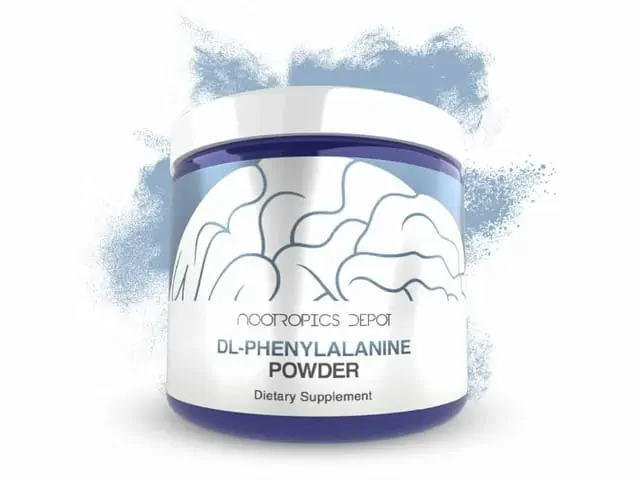
DL-Phenylalanine (DLPA) by Nootropics Depot
Shop Now →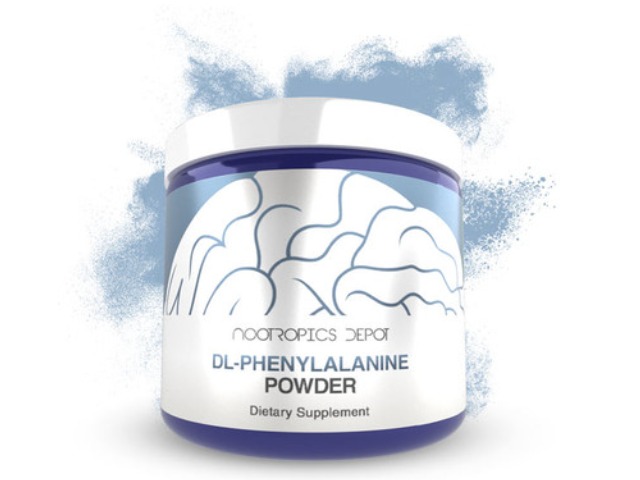
Nootropics Depot Buy Dl-Phenylalanine Powder
Shop Now →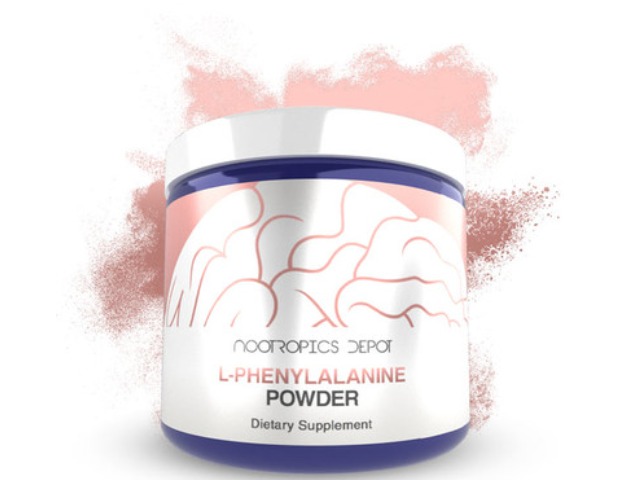
Nootropics Depot Buy L-Phenylalanine Powder
Shop Now →Disclosure: These are affiliate links. I earn a small commission if you purchase — at no extra cost to you. I only recommend products I personally use or have thoroughly researched.