
Adrenal fatigue is one of those conditions that sits in the frustrating gap between what conventional medicine recognizes and what millions of people actually experience. Your doctor probably won’t diagnose it — the ICD-10 doesn’t list it as a clinical disorder, and standard blood tests often come back “normal.” But if you’ve lived through a period of sustained physical or emotional stress and now feel like you’re running on empty — constant exhaustion, brain fog, disrupted sleep, low motivation — the pattern is unmistakable.
I’ve dealt with this personally after extended periods of high stress, and I’ve heard from countless readers at Holistic Nootropics who describe the same experience. The good news is that while conventional medicine may not have a treatment protocol for adrenal fatigue, traditional herbal medicine has been addressing this pattern for centuries. Adaptogenic herbs are among the most effective tools available for restoring HPA axis balance and rebuilding your energy reserves naturally.
This article covers what’s actually happening physiologically when you experience adrenal fatigue, why standard medical approaches often miss it, and the specific adaptogenic herbs that can help you recover.
Key Takeaways: Adrenal fatigue describes HPA axis dysfunction from chronic stress — your adrenals become unable to produce adequate cortisol to meet ongoing demands. Adaptogenic herbs like rhodiola rosea, ashwagandha, bacopa monnieri, and berberine work by modulating the stress response at multiple points in the HPA pathway. They restore balance rather than simply stimulating or suppressing cortisol. Combined with foundational support (sleep, nutrition, stress reduction), adaptogenic herbs offer a genuine path to recovery.
Understanding Adrenal Fatigue
The term “adrenal fatigue” was coined in the late 1990s by chiropractor James L. Wilson to describe burnout of the adrenal glands in response to chronic stress. While the name is imperfect — your adrenals don’t literally “fatigue” — the underlying HPA axis dysfunction it describes is well-documented in stress physiology research.
Here’s the cycle: Persistent physical or psychological stress triggers continuous cortisol production from the adrenal glands. Over time, the HPA axis (hypothalamic-pituitary-adrenal pathway) becomes dysregulated. The brain’s negative feedback mechanisms, designed to shut down cortisol production when levels are adequate, begin to malfunction. Eventually, the entire pathway downregulates, and your adrenals can no longer produce sufficient hormones to meet even basic daily demands.
The result is a cluster of debilitating symptoms: chronic fatigue, insomnia, brain fog, low motivation, joint pain, salt and sugar cravings, unexplained weight changes, and heightened susceptibility to illness.
Adrenal Fatigue vs. Adrenal Insufficiency
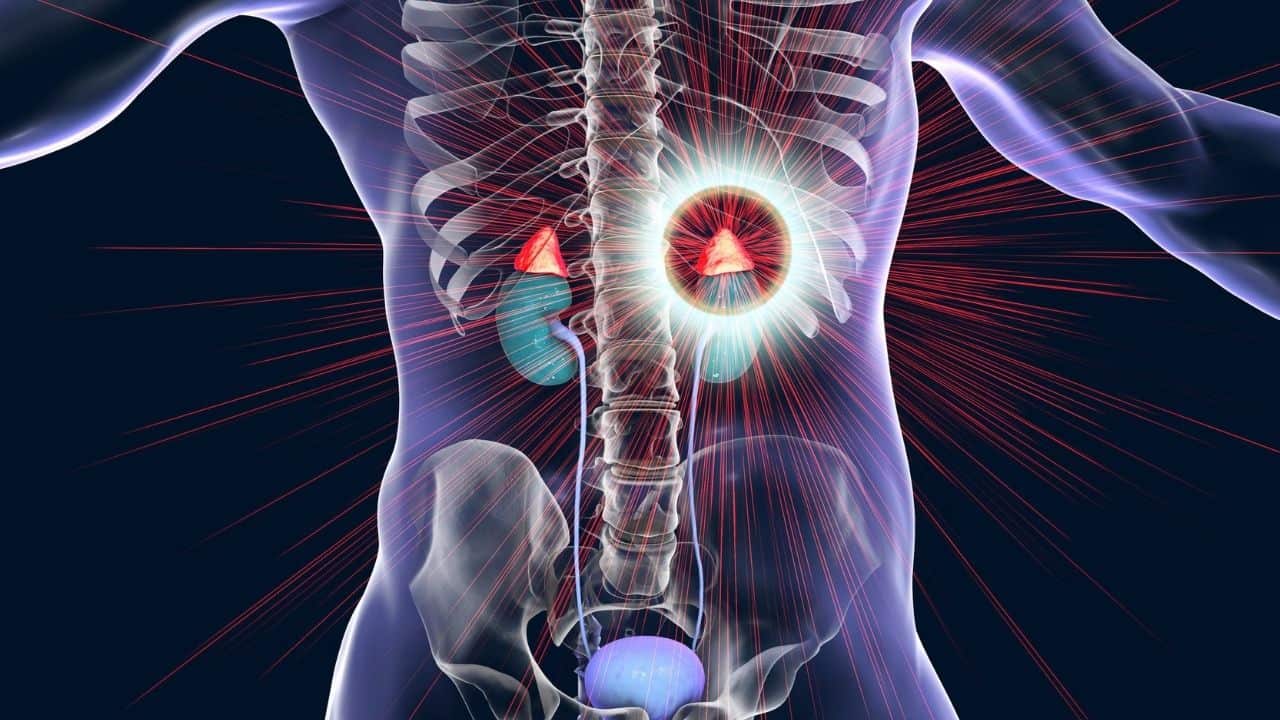
It’s worth distinguishing adrenal fatigue from clinical adrenal insufficiency. Primary adrenal insufficiency (Addison’s disease) involves actual destruction or failure of the adrenal glands, usually from autoimmune disease. Secondary adrenal insufficiency occurs when the pituitary gland fails to produce enough ACTH to stimulate the adrenals.
Both produce symptoms similar to adrenal fatigue, but they involve measurable hormonal abnormalities on lab tests. In adrenal fatigue, hormone levels may fall within “normal” reference ranges while still being suboptimal for your body’s demands — which is precisely why most doctors miss it.
What Causes Adrenal Fatigue

The most common triggers include:
- Chronic stress: Prolonged emotional, physical, or mental stress (grief, overwork, anxiety, traumatic life events, sleep deprivation)
- Blood sugar dysregulation: Excessive sugar consumption creates insulin resistance, which adds metabolic stress. Cortisol further worsens blood sugar imbalance, creating another vicious cycle
- Overuse of antibiotics: Research links chronic antibiotic use to disrupted cortisol production
- Autoimmune conditions: Diseases that impair thyroid function indirectly attack adrenal function
The HPA Axis
The hypothalamic-pituitary-adrenal axis is the control system for cortisol production. The hypothalamus produces corticotropin-releasing hormone (CRH), which stimulates the pituitary gland to release ACTH, which travels to the adrenal cortex to trigger cortisol production. Under normal conditions, rising cortisol sends negative feedback to the hypothalamus and pituitary, telling them to reduce CRH and ACTH production.
Chronic stress breaks this feedback loop. Cortisol stays elevated for so long that the brain essentially gives up trying to regulate it. The HPA axis progressively shuts down, and you lose the hormonal support needed for basic energy, immune function, emotional stability, and cognitive performance.
How Adaptogenic Herbs Address Adrenal Fatigue
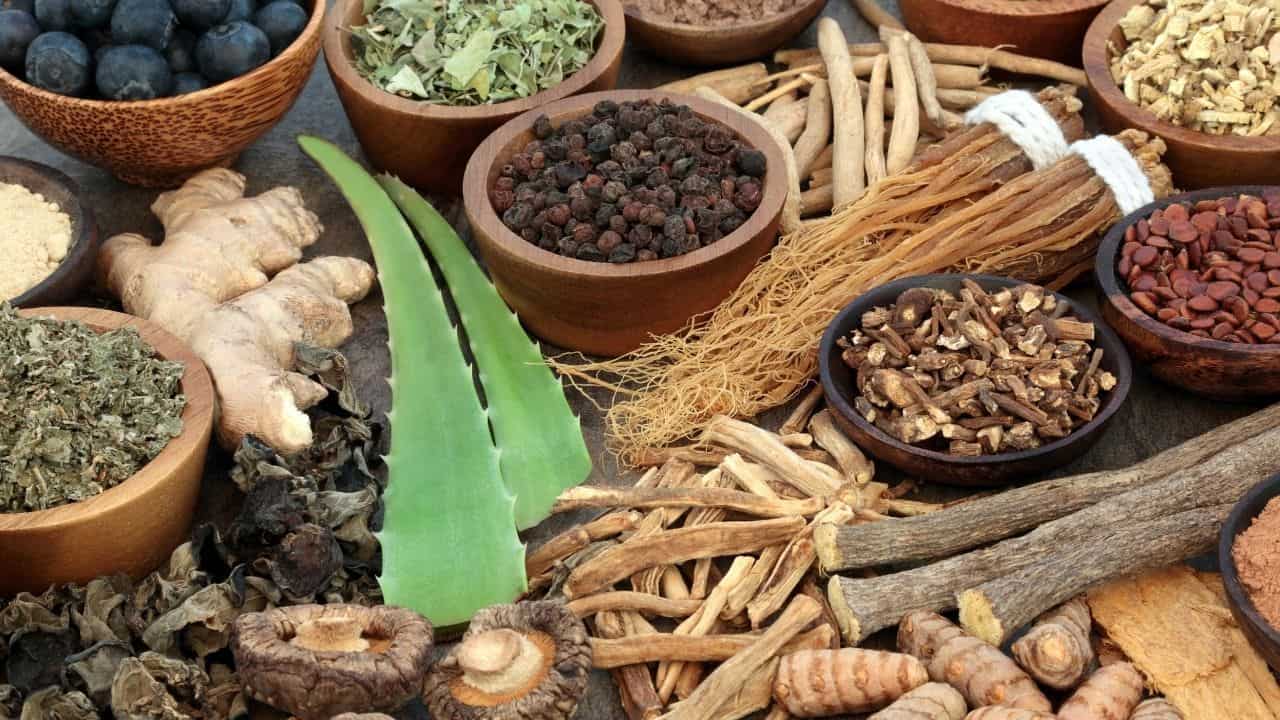
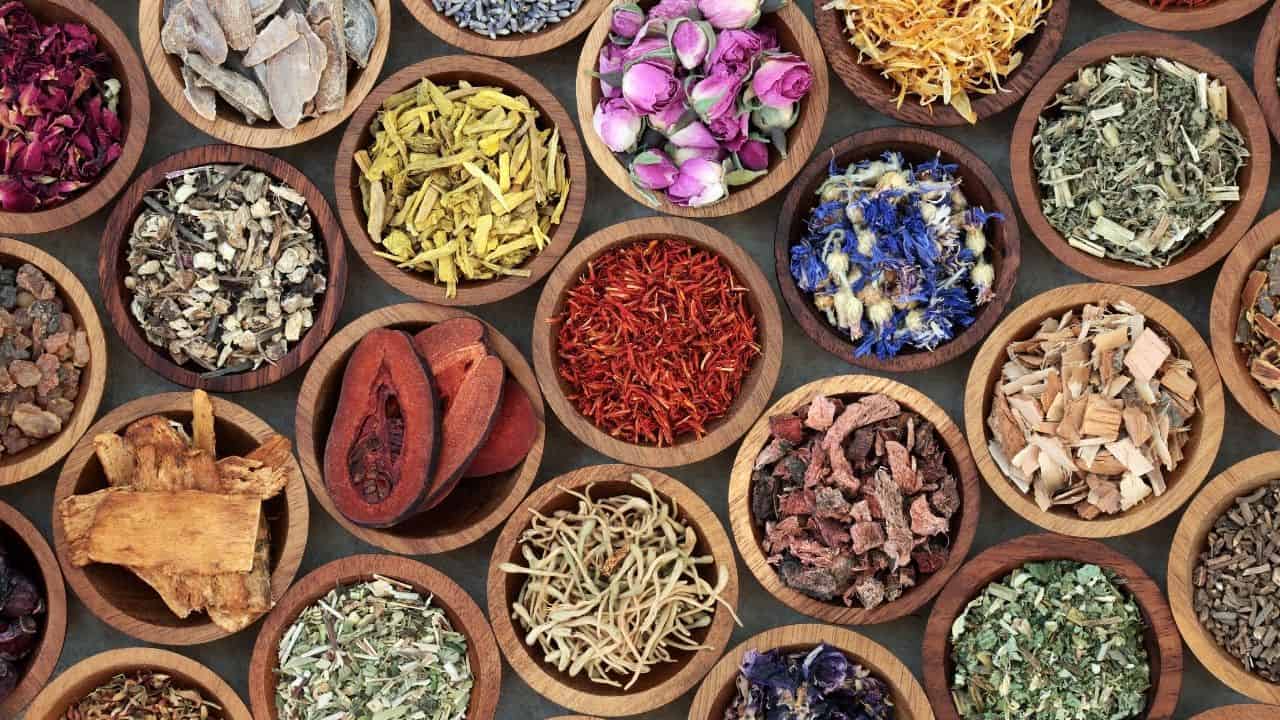
Adaptogenic herbs meet three specific criteria: they help the body deal with a wide range of stressors, they restore homeostasis (balance between body systems), and they don’t interfere with normal function. Rather than simply pushing cortisol up or down, they help recalibrate the entire HPA axis. A 2024 meta-analysis of nine randomized controlled trials involving 558 patients confirmed significant benefits of ashwagandha specifically, including measurable reductions in perceived stress, anxiety scores, and serum cortisol levels compared to placebo. The broader adaptogen research base continues to grow — a 2024 systematic review and meta-analysis published in the Journal of Functional Foods examining multiple adaptogenic plants for stress confirmed their efficacy in restoring HPA axis homeostasis across diverse populations.
For more on adaptogenic herbs and how they differ from typical nootropics, see our guide: Adaptogens and Nootropics: What’s the Difference?
The Best Herbs for Adrenal Fatigue
Rhodiola Rosea
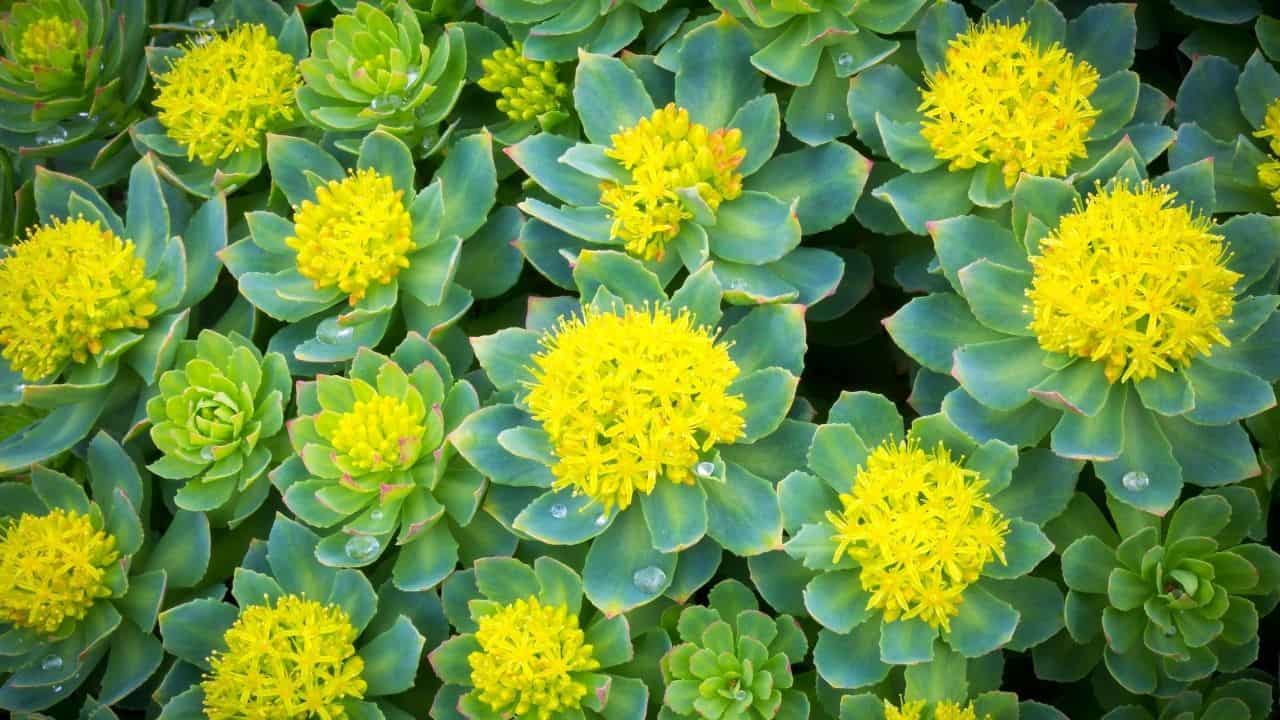
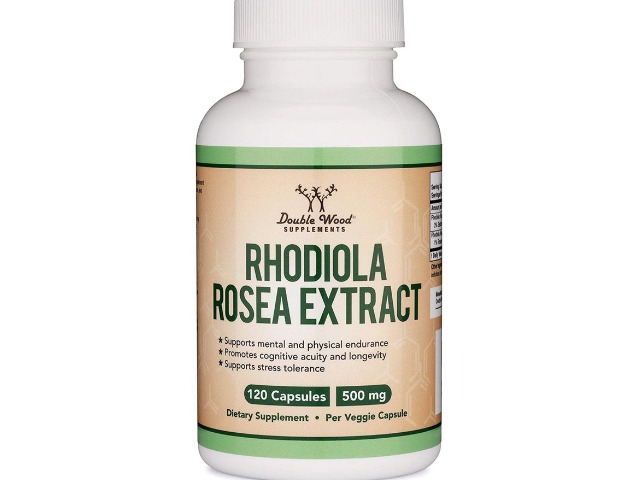
Rhodiola rosea is one of the most well-studied adaptogens for stress and fatigue. Also known as golden root, it has documented anti-inflammatory, cardioprotective, and immunoprotective effects. For adrenal fatigue specifically, rhodiola balances cortisol levels and supports healthy energy without the stimulant crash. It’s particularly effective for mental fatigue and the foggy, low-energy state that characterizes HPA axis dysfunction. Recent 2024-2025 clinical evidence continues to document rhodiola’s positive effects on cortisol regulation, with several active compounds now identified as specifically responsible for HPA axis regulation and adrenal function support.
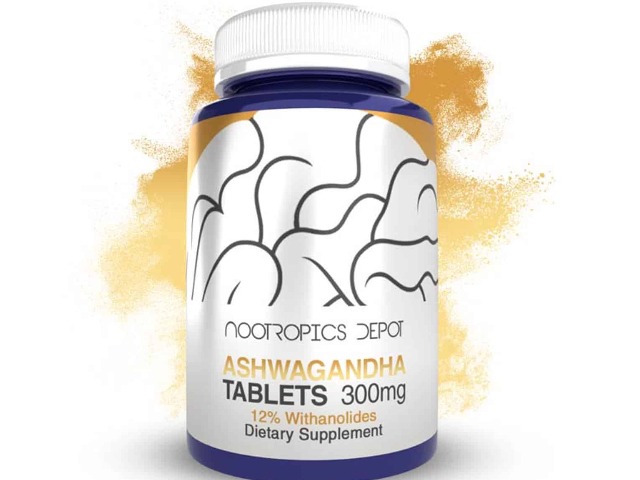
Ashwagandha
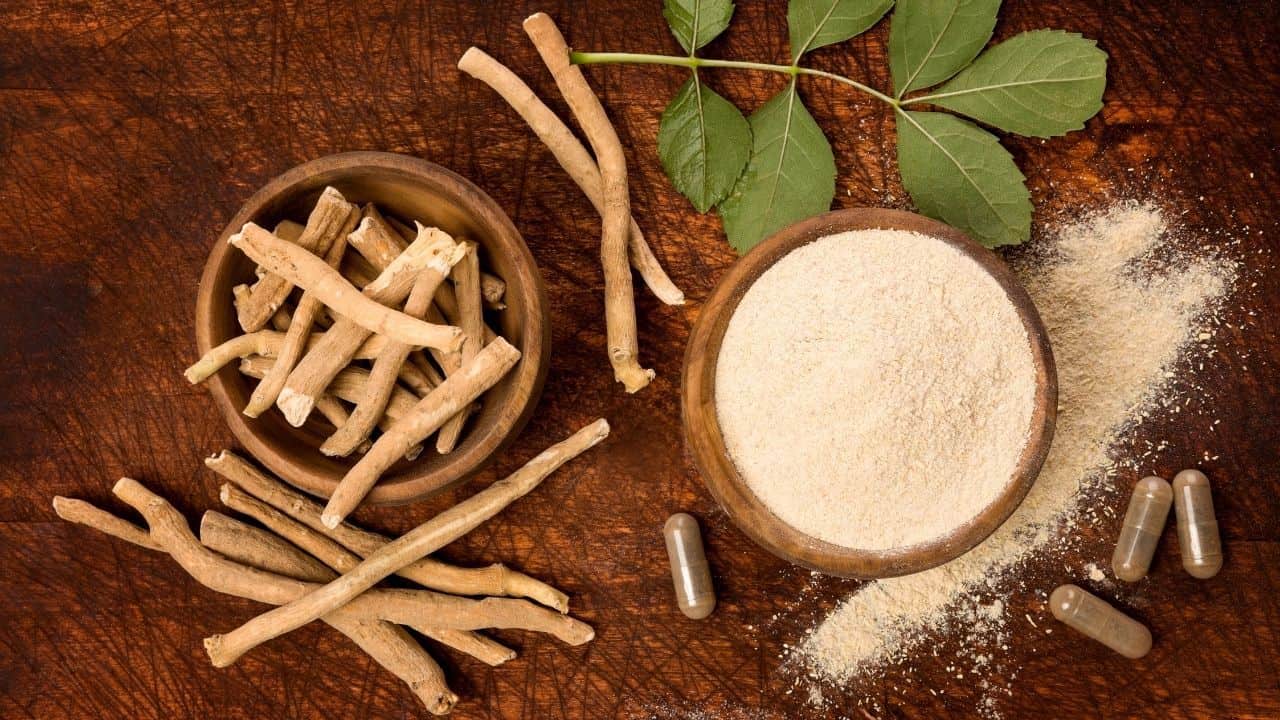
Ashwagandha is best known for its calming effects on the nervous system. Research demonstrates that it reduces cortisol, improves sleep quality, and lowers both stress and anxiety. It also boosts testosterone levels, which is worth noting since chronic stress and elevated cortisol suppress testosterone production. For adrenal fatigue, ashwagandha addresses both the cortisol excess and the downstream hormonal disruption. Recent mechanistic reviews (2024-2025) have clarified that withanolides interact with GABA receptors to enhance inhibitory neurotransmission, while simultaneously suppressing corticotropin-releasing hormone (CRH) production and enhancing glucocorticoid receptor sensitivity — restoring the normal HPA feedback loops that chronic stress breaks.
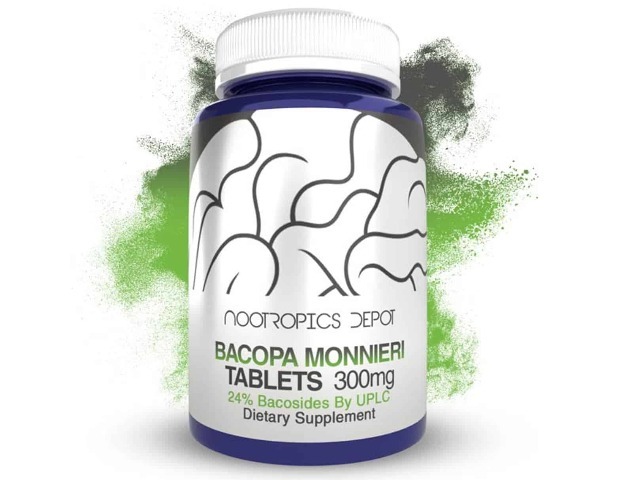
Bacopa Monnieri
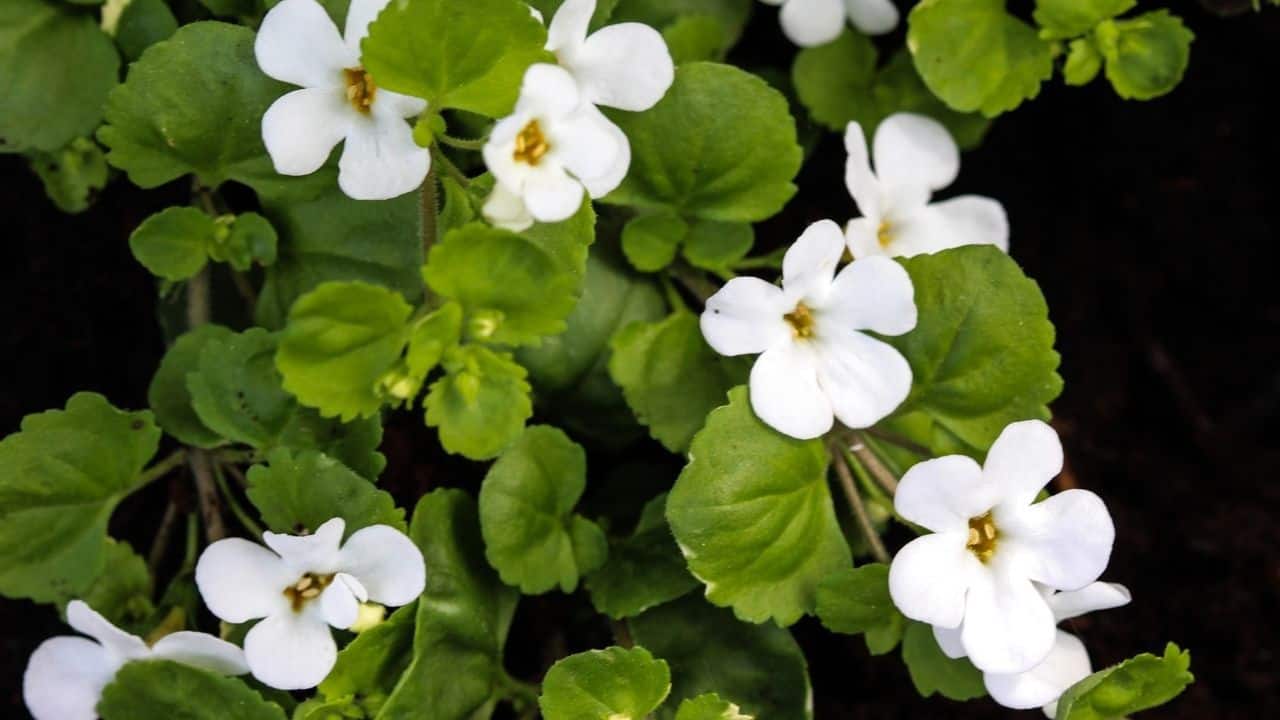
Bacopa monnieri inhibits inflammatory processes in the brain, protects against oxidative damage, and supports mental clarity. While it’s primarily known as a memory enhancer, its anti-inflammatory and neuroprotective properties make it valuable for addressing the cognitive symptoms of adrenal fatigue — particularly brain fog and difficulty concentrating.
Holy Basil (Tulsi)
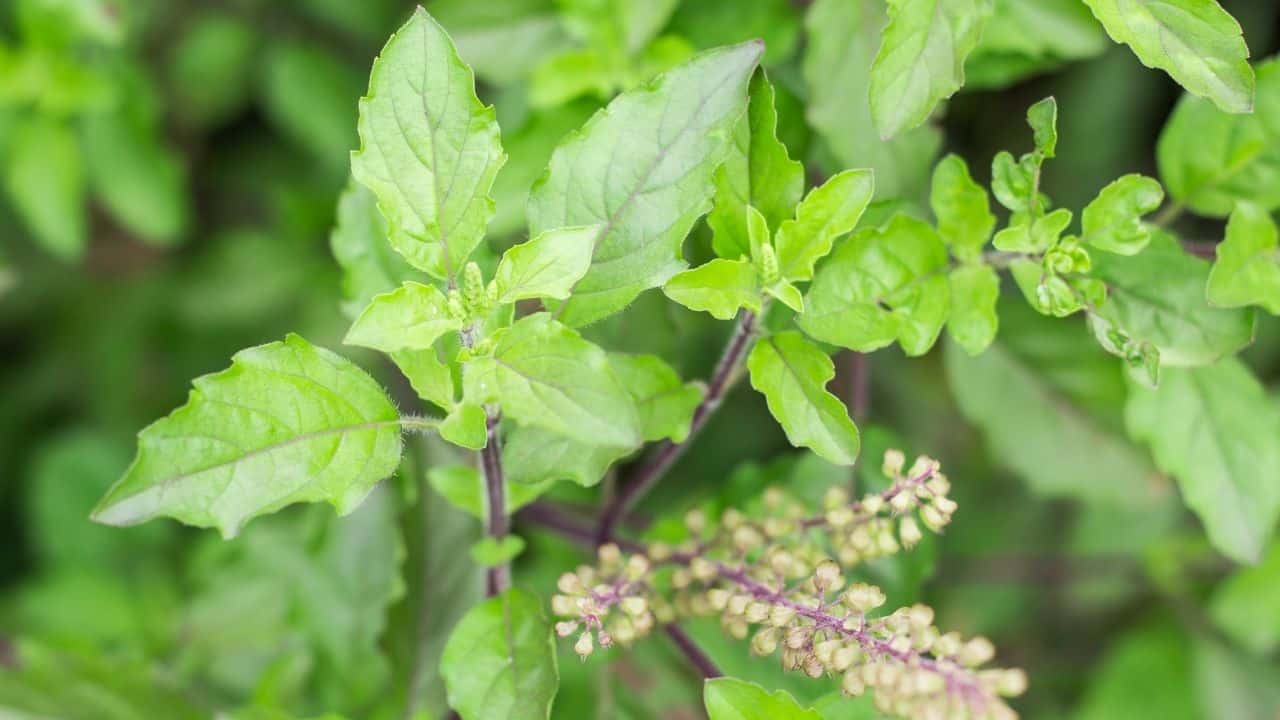
Native to Southeast Asia, holy basil has been used for thousands of years in Ayurvedic medicine. It possesses anti-inflammatory and antioxidant properties that improve immune function, blood circulation, mental endurance, and cognition. For adrenal health specifically, holy basil lowers elevated cortisol and helps regulate blood sugar levels — addressing two of the primary mechanisms driving adrenal fatigue.
Berberine
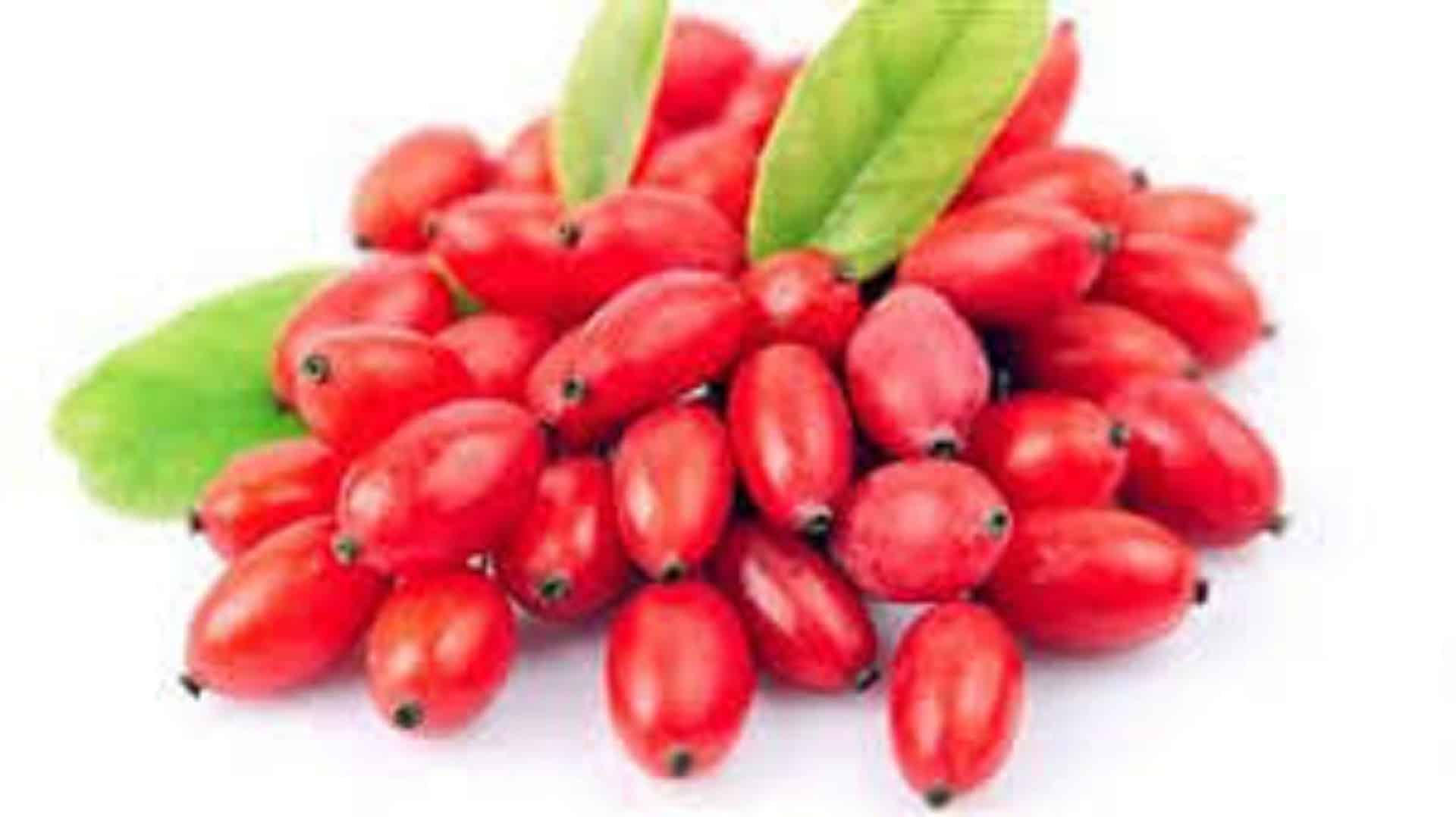
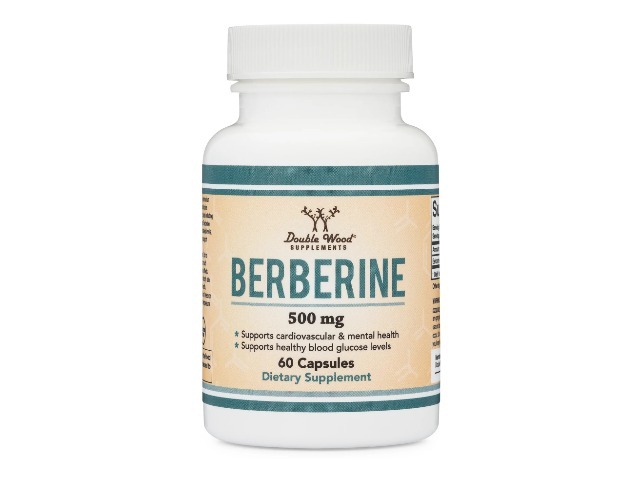
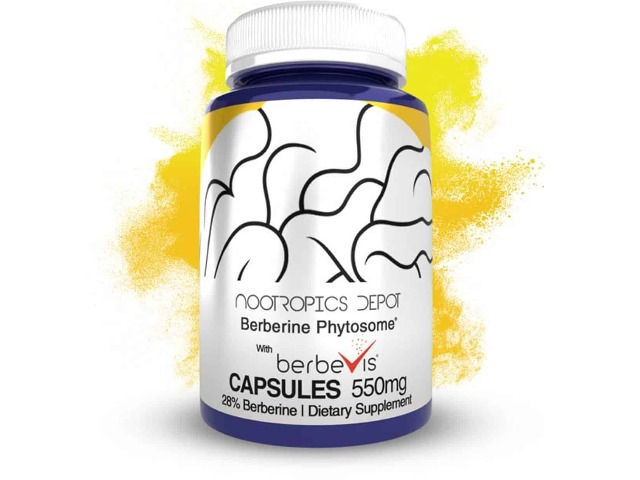
Berberine inhibits HPA axis overactivity, directly decreasing excessive cortisol production. Since chronically elevated cortisol increases insulin resistance and raises blood glucose levels, berberine’s dual action on both the HPA axis and blood sugar regulation makes it particularly valuable. It restores balance by reducing the excessive cortisol that drives the adrenal fatigue cycle.
Reishi Mushroom

Also known as lingzhi, reishi is a staple in traditional Chinese medicine. It offers a broad range of benefits including immune regulation, anti-inflammatory effects, blood sugar support, and neuroprotective properties. For adrenal fatigue, reishi’s immune-modulating capacity is particularly relevant since chronic stress-induced cortisol elevation leads to immune dysregulation.
Panax Ginseng

Korean ginseng is one of the most popular adaptogens worldwide, best known for improving energy levels and mood. It prevents adrenal fatigue by reducing the HPA axis response to physical stress. Ginseng has a long history of use in traditional medicine for general vitality and resilience.
Notably, a 2025 randomized, placebo-controlled, double-blind study found that a multi-herb formula containing ashwagandha, rhodiola rosea, holy basil, and schisandra significantly improved stress, sleep, fatigue, and anxiety compared to placebo. After 60 days, 86.8% of participants experienced a clinically relevant reduction in perceived stress (compared to 42.1% in the placebo group), and 52.5% showed clinically meaningful improvements in sleep (compared to 24.6% in the placebo group). This supports the traditional practice of combining multiple adaptogens for synergistic HPA axis support.
Other Notable Adaptogenic Herbs
Schisandra: Sometimes called the ultimate super berry, schisandra improves resistance to psychological stress and strenuous exercise while supporting immune function.
Cordyceps: This medicinal fungus contains cordycepin, which relieves stress by reducing cortisol levels and diminishing the physical effects of chronic stress.
Skullcap: A Native American plant that enhances GABA production in the central nervous system, improving mood while modulating the overactive HPA axis.
Gotu Kola: Protects the nervous system, improves cognition, and reduces the risk of neurodegenerative diseases. Particularly helpful for the brain fog component of adrenal fatigue.
Adrenal Fatigue and Your Immune System

The immune connection is often overlooked. Under normal conditions, cortisol suppresses the immune system through anti-inflammatory effects — this is actually protective during acute stress. But chronic stress keeps cortisol elevated for so long that immune cells develop glucocorticoid resistance, leading to sustained, unresolved inflammation.
This creates increased susceptibility to infections, autoimmune disease activation, and even cancer risk. Supporting adrenal recovery isn’t just about energy — it’s about restoring proper immune regulation.
Supporting Recovery Beyond Herbs
Adaptogenic herbs are powerful, but they work best as part of a comprehensive recovery approach:
- Prioritize sleep: Your HPA axis resets during deep sleep. Without adequate rest, no supplement can fully restore function
- Optimize nutrition: Skip processed foods and focus on nutrient-dense whole foods. Ensure adequate B vitamins, vitamin C, and magnesium — all of which are depleted by chronic stress
- Limit caffeine and alcohol: Both add stress to already-taxed adrenals
- Practice stress management: Meditation, breathwork, and gentle movement (yoga, walking) all support HPA axis recovery. See our guide on breathing exercises for anxiety
- Stay hydrated: Dehydration is an underappreciated stressor on the adrenal system
Safety Considerations
Most adaptogenic herbs have a strong safety profile, but side effects can occur in a dose-dependent manner. Common issues include GI discomfort (stomach ache, nausea). Rhodiola rosea can cause dry mouth and dizziness. Holy basil, cordyceps, and reishi have mild blood-thinning properties.
If you’re on prescription medications, research potential interactions carefully — some adaptogens can affect how medications are metabolized. Start with one herb at a time so you can identify what works for your body.
The Bottom Line
Recovering from adrenal fatigue takes patience. It’s not a condition you supplement your way out of overnight. But the combination of adaptogenic herbs, foundational lifestyle changes, and time can genuinely restore HPA axis function and bring your energy, cognition, and mood back to normal.
The first step is recognizing the pattern. The second is committing to a recovery approach that addresses the root cause — chronic stress and HPA axis dysregulation — rather than just masking symptoms with stimulants. Adaptogenic herbs are uniquely suited for this because they work with your body’s own regulatory systems rather than overriding them.