
I forgot my best friend’s birthday last year. Not in the “I’ll grab a gift tomorrow” way — I genuinely didn’t remember until she mentioned it a week later. That was the moment I realized my memory wasn’t what it used to be. And I’m in my thirties.
If that resonates, you’re not alone. Memory complaints are one of the top reasons people start looking into nootropics. The good news: unlike most cognitive functions, memory has a deep evidence base behind specific compounds that can actually move the needle. Not marketing hype — real clinical trials with real outcomes.
I’ve spent years testing what works. Here are the nine compounds with the strongest evidence for memory enhancement, ranked by the quality of research behind them.
The Short Version: Bacopa monnieri has the strongest clinical evidence for memory improvement, with multiple meta-analyses showing significant effects after 8-12 weeks. For faster results, citicoline and Alpha-GPC work through cholinergic pathways within days to weeks. The most complete memory stack combines bacopa (long-term consolidation), citicoline (working memory), and omega-3 DHA (structural brain support).
Quick Comparison: The 9 Best Nootropics for Memory at a Glance

| Substance | Best For | Evidence Level | Onset | Key Mechanism |
|---|---|---|---|---|
| Bacopa Monnieri | Long-term memory & learning | Strong (meta-analyses) | 8-12 weeks | Serotonergic + antioxidant, dendrite branching |
| Lion’s Mane | Age-related memory decline | Moderate | 4-8 weeks | NGF stimulation, neurogenesis |
| Citicoline | Working memory & recall | Strong | 1-4 weeks | Acetylcholine synthesis + phospholipid repair |
| Phosphatidylserine | Age-related memory loss | Moderate-Strong | 2-4 weeks | Cell membrane integrity, cortisol reduction |
| Alpha-GPC | Acute recall & encoding | Moderate | 30-60 min | Rapid acetylcholine delivery |
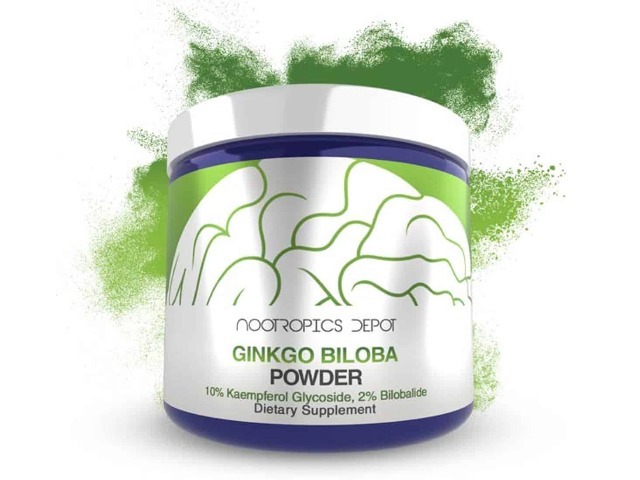
| Ginkgo Biloba | Cerebral blood flow + memory | Moderate | 4-6 weeks | Vasodilation, antioxidant |
| Omega-3 DHA | Structural brain support | Strong (prevention) | 8-12 weeks | Neuronal membrane composition |
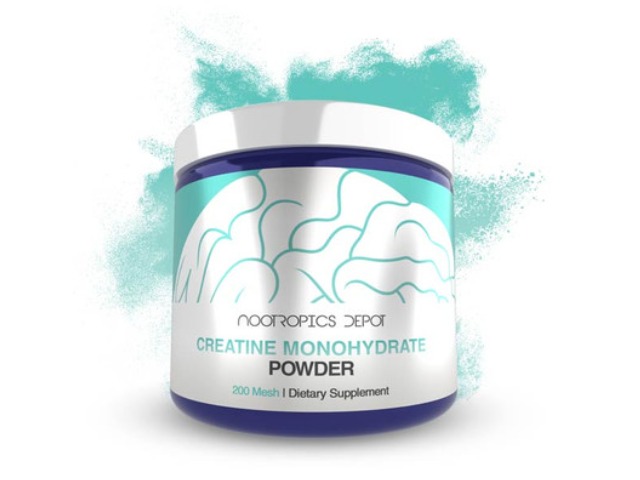
| Creatine | Memory under stress/fatigue | Moderate | 1-2 weeks | Brain ATP energy production |
| L-Theanine | Encoding & attention to detail | Moderate | 30-60 min | Alpha waves, glutamate modulation |
How Memory Actually Works (And Where Nootropics Fit In)

Before diving into the compounds, it helps to understand what you’re targeting. Memory isn’t one thing — it’s a chain of processes, and different nootropics intervene at different links.
Encoding is where information first enters your brain. This depends heavily on attention and acetylcholine — the neurotransmitter that tags incoming information as “worth remembering.” Compounds like Alpha-GPC and citicoline strengthen this link.
Consolidation is where short-term memories get converted into long-term storage, primarily during sleep. This requires structural changes in neurons — new synapses, stronger dendrites, better myelination. Bacopa monnieri and Lion’s Mane support this stage by promoting neuronal growth.
Retrieval is pulling stored memories back into working awareness. This depends on intact neural pathways and efficient signaling. Phosphatidylserine and omega-3 DHA maintain the structural integrity that makes retrieval reliable.
The best memory stack targets all three stages. No single compound does everything — which is why I recommend combinations rather than silver bullets.
The Top Tier: Strongest Evidence for Memory
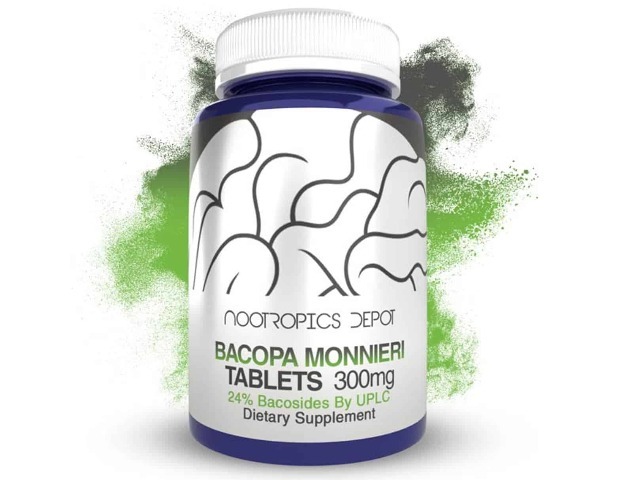
Bacopa Monnieri
If I could only recommend one nootropic for memory, this is it. Bacopa has been used in Ayurvedic medicine for thousands of years as a “brain tonic,” and modern science has largely validated that reputation.
A 2014 meta-analysis in the Journal of Ethnopharmacology pooled nine randomized controlled trials and found bacopa significantly improved attention, cognitive processing, and working memory in healthy adults (Kongkeaw et al., 2014). A 2002 study in Neuropsychopharmacology gave 300mg of bacopa or placebo daily for 12 weeks — the bacopa group showed significant improvements in new information retention, with effects persisting even after the washout period (Roodenrys et al., 2002). A 2008 trial using the Cognitive Drug Research battery confirmed these findings, showing enhanced memory consolidation and reduced forgetting rate (Stough et al., 2008).
The mechanism is fascinating. Bacopa’s active compounds — bacosides A and B — promote dendrite branching, essentially giving your neurons more surface area to form synaptic connections. It also modulates serotonin, acetylcholine, and GABA systems while providing antioxidant protection to hippocampal neurons.
What makes it stand out:
- The most clinically validated memory nootropic available without a prescription
- Benefits compound over weeks — your memory keeps improving the longer you take it
- Neuroprotective and anti-inflammatory, not just performance-enhancing
- Effects persist after discontinuation, suggesting genuine structural brain changes
Dosage: 300-450mg per day of an extract standardized to 50-55% bacosides. Take with a fat source — bacosides are fat-soluble and absorption roughly doubles with dietary fat.
Who it’s best for: Students, anyone noticing age-related memory slip, lifelong learners who want cumulative benefits. This is a long-game compound — don’t expect results in the first week.
Safety notes: The most common side effect is GI discomfort, which usually resolves by taking it with food. Research suggests bacopa may affect thyroid function — if you have hypothyroidism, discuss with your doctor first. Not ideal if you need results today.
Lion’s Mane
Lion’s Mane mushroom takes a completely different approach to memory than any other compound on this list. Instead of modulating neurotransmitters, it stimulates your brain’s production of Nerve Growth Factor (NGF) — the protein responsible for growing, maintaining, and repairing the neurons that form your memory networks.
The landmark trial was Mori et al. (2009), published in Phytotherapy Research. In this double-blind, placebo-controlled study, 30 Japanese adults aged 50-80 with mild cognitive impairment took 3g of Lion’s Mane daily for 16 weeks. The Lion’s Mane group showed significantly improved cognitive function scores at weeks 8, 12, and 16 compared to placebo. Notably, scores declined after supplementation stopped — suggesting the benefits require ongoing NGF stimulation.
A 2010 study in Biomedical Research found that Lion’s Mane reduced depression and anxiety after 4 weeks, which matters because chronic stress and mood disorders actively impair memory consolidation (Nagano et al., 2010).
What makes it stand out:
- The only widely available nootropic that stimulates neurogenesis (new neuron growth)
- Works on the structural foundation of memory, not just neurotransmitter signaling
- Dual benefit — cognitive improvement plus neuroprotection
- Well-tolerated with minimal side effects in clinical trials
Dosage: 1,000-3,000mg per day of fruiting body extract. Dual-extracted products (hot water + ethanol) capture both water-soluble beta-glucans and fat-soluble hericenones/erinacines.
Who it’s best for: Age-related cognitive decline, post-concussion support, anyone investing in long-term brain architecture. Particularly interesting for people over 50 where NGF production naturally declines.
Safety notes: Rare allergic reactions in people sensitive to mushrooms. Theoretical interaction with blood thinners. Don’t expect acute effects — this is a compound that builds over 4-8 weeks.
Reality Check: Lion’s Mane has exploded on social media, and the hype often exceeds the evidence. The existing trials are small and mostly conducted in elderly populations with mild cognitive impairment. Extrapolating dramatic memory benefits to healthy 25-year-olds isn’t supported yet. It’s promising, not proven — set expectations accordingly.
Citicoline
Citicoline (CDP-choline) is the multitasker of memory nootropics. It simultaneously delivers choline for acetylcholine synthesis (the encoding neurotransmitter), provides cytidine for phospholipid repair (the structural component of neural membranes), and boosts brain energy metabolism via ATP production.
A 1996 study in healthy elderly volunteers found citicoline (1,000mg/day for 4 weeks) significantly improved word recall and verbal memory. A 2013 study in Cerebrovascular Diseases found that long-term citicoline treatment may improve poststroke vascular cognitive impairment (Alvarez-Sabin et al., 2013).
What makes citicoline particularly interesting for memory is that it addresses the acetylcholine deficit directly. Acetylcholine is the neurotransmitter most directly linked to memory encoding — it’s what your brain uses to tag information as “important, store this.” Citicoline gives your brain more raw material to produce it.
What makes it stand out:
- Triple mechanism: acetylcholine synthesis + membrane repair + energy metabolism
- Faster-acting than bacopa — measurable improvements in 2-4 weeks
- Neuroprotective, especially against age-related cognitive decline
- No crash or tolerance buildup
Dosage: 250-500mg per day. Start at 250mg. Higher doses (1,000-2,000mg) are used in clinical settings but aren’t necessary for most people.
Who it’s best for: The best “all-rounder” for memory. Works for students cramming, professionals needing sharp recall, and older adults wanting to maintain cognitive function.
Safety notes: Mild headaches at doses above 500mg are the most common side effect. This is often a sign your choline levels are already adequate — drop the dose. Well-studied safety profile up to 2,000mg/day.
The Support Tier: Solid Evidence, Specific Strengths
Phosphatidylserine
Phosphatidylserine (PS) is a phospholipid that makes up about 15% of your brain’s total phospholipid pool. It’s concentrated in neuronal cell membranes, where it maintains the fluidity and receptor density that memory processes depend on. As you age, PS levels decline — and memory goes with them.
A 2010 trial in the Journal of Clinical Biochemistry and Nutrition gave elderly Japanese subjects with memory complaints 100mg PS daily for six months. The PS group showed significant improvements in memory recognition and recall compared to placebo, with the greatest benefits in those with the lowest baseline scores (Kato-Kataoka et al., 2010). A comprehensive 2015 review in Nutrition concluded that PS supplementation reliably improves memory function in older adults and may slow cognitive decline (Glade & Smith, 2015).
PS also lowers cortisol — the stress hormone that actively impairs memory consolidation. If you’ve ever blanked on something during a stressful moment, cortisol is likely the culprit.
What makes it stand out:
- Addresses the structural foundation of memory (cell membrane integrity)
- Cortisol-lowering effect removes a major barrier to memory formation
- Particularly effective in age-related memory decline
- FDA-qualified health claim for cognitive dysfunction risk reduction
Dosage: 100-300mg per day. The 100mg dose showed benefits in most trials; 300mg for more pronounced effects or age-related decline.
Who it’s best for: Adults over 40 noticing memory slip, anyone under chronic stress, athletes whose cognitive performance degrades under pressure.
Safety notes: Generally well-tolerated. Originally derived from bovine brain; modern supplements use soy or sunflower lecithin — check sourcing if you have soy allergies. May enhance blood-thinning medications.
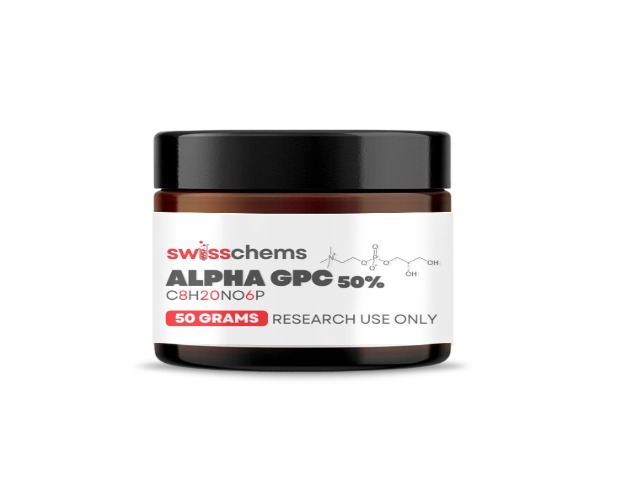
Alpha-GPC
While citicoline is the marathon runner, Alpha-GPC is the sprinter. It’s the most bioavailable choline source, crossing the blood-brain barrier rapidly and delivering a quick acetylcholine boost. This makes it particularly useful for acute memory tasks — studying for an exam tomorrow, preparing for a presentation, or any situation where you need sharp encoding right now.
A classic 1991 trial found Alpha-GPC reversed scopolamine-induced amnesia in healthy volunteers, demonstrating its direct impact on cholinergic memory pathways. A 2003 study in Clinical Therapeutics treating Alzheimer’s patients found significant cognitive improvement with choline alfoscerate (the pharmaceutical name for Alpha-GPC) over six months (De Jesus Moreno, 2003).
What makes it stand out:
- Fastest-acting cholinergic — noticeable within 30-60 minutes
- Stacks well with racetams (which increase acetylcholine demand)
- Also triggers dopamine release, boosting motivation alongside memory
- Available as standalone and in most quality nootropic stacks
Dosage: 300-600mg per day. For acute memory tasks, take 300mg about 45 minutes beforehand. For daily support, 300mg in the morning.
Who it’s best for: Students before study sessions, professionals before presentations, anyone who needs on-demand memory enhancement. Not a replacement for daily compounds like bacopa — use it as an acute complement.
Safety notes: Rare GI upset at higher doses. Use caution with anticholinergic medications. If you experience headaches, you may be getting too much choline — reduce dose or skip a day.
Insider Tip: The bacopa + Alpha-GPC combination is my go-to memory stack. Bacopa builds your long-term memory capacity over weeks (dendrite growth, synapse strengthening), while Alpha-GPC gives you acute recall sharpness when you need it. Bacopa daily, Alpha-GPC on demand.
Ginkgo Biloba
Ginkgo biloba is one of the oldest nootropics in use — and one of the most debated. Its primary mechanism for memory is increasing cerebral blood flow, which improves oxygen and glucose delivery to memory-critical brain regions like the hippocampus.
A 2012 meta-analysis in Human Psychopharmacology (Laws et al., 2012) found that standardized ginkgo extract (EGb 761, 240mg/day) produced significant improvements in cognition and memory in patients with cognitive impairment. The evidence is stronger for people who already have some degree of decline than for healthy young adults looking for a boost.
Where ginkgo gets complicated: the large GEM trial (DeKosky et al., 2008, n=3,069) found it did not prevent dementia in healthy elderly adults. But preventing dementia and improving existing memory function are different endpoints. The memory benefits appear real, especially when there’s already a deficit to address.
What makes it stand out:
- Increases blood flow to memory-critical brain regions
- Strong antioxidant properties protect against oxidative damage
- One of the most extensively studied nootropics in existence
- Standardized extracts (EGb 761) ensure consistent dosing
Dosage: 120-240mg per day of standardized extract (24% flavone glycosides, 6% terpene lactones). Split into two doses with meals.
Who it’s best for: Older adults with mild cognitive complaints. Less compelling for healthy young adults based on current evidence. Particularly interesting for people with circulation issues.
Safety notes: Blood-thinning effect — avoid combining with anticoagulants (warfarin, aspirin). Discontinue 2 weeks before surgery. Rare headaches and GI upset. Quality varies wildly between brands; choose standardized extracts.
Omega-3 DHA
DHA (docosahexaenoic acid) isn’t a traditional nootropic — it’s a structural building block. It makes up roughly 40% of the polyunsaturated fatty acids in your brain and is concentrated in synaptic membranes where memory signaling occurs. Without adequate DHA, those membranes become stiff and signaling degrades.
The MIDAS trial (Yurko-Mauro et al., 2010), published in Alzheimer’s & Dementia, is the gold standard here. In this 24-week double-blind trial (n=485, healthy adults over 55 with age-related memory complaints), 900mg DHA daily produced significant improvements in learning and memory function compared to placebo. Specifically, paired associate learning — the ability to link two pieces of information — improved substantially.
A 2015 meta-analysis in PLOS ONE confirmed that DHA supplementation produces modest but significant improvements in episodic memory, particularly in adults with low baseline omega-3 levels.
What makes it stand out:
- You can’t build a brain without it — it’s structurally essential
- Most people are deficient, making supplementation a low-hanging fruit
- Benefits extend beyond memory: mood, inflammation, cardiovascular health
- Strong safety profile with decades of research
Dosage: 1,000-2,000mg of combined EPA/DHA per day, with at least 500mg from DHA specifically. Triglyceride-form fish oil is better absorbed than ethyl ester form.
Who it’s best for: Virtually everyone, but especially people who don’t eat fatty fish 2-3 times per week. Think of DHA as the foundation — it doesn’t provide acute cognitive effects, but everything else works better when your brain has the structural material it needs.
Safety notes: Fish burps are the main complaint — enteric-coated capsules or taking with meals helps. High doses (above 3g/day) may increase bleeding risk. Choose products tested for heavy metals and oxidation.
Creatine
You know creatine from the gym. But your brain uses it too — and it’s surprisingly effective for memory, particularly under conditions that deplete brain energy.
A 2018 meta-analysis in Experimental Gerontology (Avgerinos et al., 2018) reviewed six studies on creatine and cognition. The conclusion: creatine supplementation improved short-term memory and reasoning, with the largest benefits in stressed, sleep-deprived, or elderly individuals. A landmark 2003 study in Proceedings of the Royal Society B (Rae et al., 2003) showed creatine supplementation improved working memory and processing speed in vegetarians — a group with lower baseline brain creatine stores.
The mechanism is straightforward: your brain consumes about 20% of your body’s total energy despite being 2% of your body weight. Creatine buffers ATP — the energy currency — ensuring neurons have fuel available for memory processes even under high demand.
What makes it stand out:
- One of the most studied supplements in existence (thousands of trials)
- Cheap, widely available, and remarkably safe
- Benefits are most pronounced when brain energy is compromised (stress, sleep deprivation, aging)
- Also supports physical performance — two-for-one benefit
Dosage: 3-5g of creatine monohydrate per day. No loading phase needed for cognitive benefits. Take with any meal.
Who it’s best for: Sleep-deprived students, shift workers, vegetarians and vegans (who have lower baseline creatine), older adults. If you’re well-rested and eating meat, the cognitive benefits may be modest.
Safety notes: The safest supplement on this list. Decades of research with no serious adverse effects at standard doses. Minor water retention initially. Kidney concerns are a myth in healthy individuals — multiple systematic reviews confirm this.
L-Theanine
L-Theanine is here for a specific reason: it improves the quality of memory encoding by promoting alpha brain wave activity — the frequency associated with calm, alert attention. You can’t remember what you didn’t properly encode in the first place, and theanine ensures your brain is in the right state to absorb information.
A 2008 study in the Asia Pacific Journal of Clinical Nutrition (Nobre et al., 2008) demonstrated that L-theanine significantly increased alpha wave activity within 30-45 minutes of ingestion. A 2017 review in Beverages outlined its role in modulating glutamate — the brain’s primary excitatory neurotransmitter — which is directly involved in long-term potentiation, the molecular basis of memory formation.
Theanine doesn’t improve memory recall directly. What it does is create the neurological conditions under which memories form more effectively. It’s the difference between trying to record audio in a noisy room versus a quiet studio.
What makes it stand out:
- Improves memory encoding by optimizing brain state, not by brute-forcing neurotransmitters
- Synergistic with caffeine — the combination improves attention and memory beyond either alone
- Reduces anxiety without sedation, removing an encoding barrier
- Found naturally in green tea, extremely well-studied
Dosage: 100-200mg per day. Pair with 50-100mg caffeine for the most studied memory-enhancing combination (the 2:1 ratio).
Who it’s best for: Anxious studiers who can’t focus enough to properly encode information. If your memory problem is really an attention problem driven by stress or overstimulation, theanine addresses the root cause.
Safety notes: One of the safest compounds in existence. Can be mildly sedating on its own — the caffeine pairing offsets this. No known drug interactions at standard doses.
Stacking Strategies: How to Combine These for Maximum Effect
A well-designed memory stack targets all three phases of memory: encoding, consolidation, and retrieval. Here are three evidence-informed combinations:
The Student Stack (Exam Performance):
- Bacopa Monnieri 300mg daily (start 8+ weeks before exams)
- Alpha-GPC 300mg before study sessions
- L-Theanine 200mg + Caffeine 100mg for encoding sessions
- Targets: consolidation (bacopa) + acute encoding (Alpha-GPC) + optimal brain state (theanine)
The Longevity Stack (Age-Related Decline Prevention):
- Citicoline 250mg daily
- Phosphatidylserine 100mg daily
- Omega-3 DHA 1,000mg daily
- Lion’s Mane 1,000mg daily
- Targets: cholinergic support (citicoline) + membrane integrity (PS, DHA) + neurogenesis (Lion’s Mane)
The High-Performer Stack (Maximum Daily Memory):
- Bacopa Monnieri 300mg (AM, with fat)
- Citicoline 250mg (AM)
- Creatine 5g (with any meal)
- Alpha-GPC 300mg (before demanding tasks)
- Targets: all three memory phases plus brain energy support
| Stack | Timeline | Monthly Cost | Best For |
|---|---|---|---|
| Student Stack | Start 8 weeks before exams | ~$35-50 | Academic performance |
| Longevity Stack | Ongoing daily use | ~$50-70 | Adults 40+ |
| High-Performer Stack | Ongoing + acute dosing | ~$45-65 | Maximum daily recall |
Important: Don’t start all compounds simultaneously. Introduce one new supplement every 1-2 weeks so you can identify what’s working (and catch any adverse effects). More isn’t always better — a focused stack of 2-3 compounds will outperform a scattershot approach of 7+.
How to Choose the Right Memory Nootropic
“I’m a student and need better recall for exams” Start with bacopa monnieri immediately — you need the 8-12 week runway for full effect. Add Alpha-GPC before study sessions and L-theanine + caffeine for focus during cramming.
“I’m over 50 and noticing memory slip” Citicoline + phosphatidylserine + omega-3 DHA is your core stack. These address the three main drivers of age-related memory decline: acetylcholine depletion, membrane degradation, and structural fatty acid deficiency. Add Lion’s Mane for neurogenesis support.
“I’m sleep-deprived and my memory is tanking” Creatine is your first move — it specifically buffers brain energy under deficit conditions. L-Tyrosine for dopamine support under fatigue. But honestly? Fix the sleep. No nootropic compensates for chronic sleep deprivation, because memory consolidation happens during sleep.
“I want the cheapest effective option” Creatine monohydrate ($0.03/day) and L-theanine + caffeine ($0.15/day). Under $6/month for a meaningful memory and encoding boost.
Frequently Asked Questions
Do memory nootropics actually work? The strongest evidence exists for bacopa monnieri, with multiple meta-analyses confirming memory benefits. Citicoline, phosphatidylserine, and omega-3 DHA also have solid clinical support. The effect sizes are modest but meaningful — don’t expect photographic memory, but do expect measurable improvements in recall and retention over weeks to months.
How long before I notice results? Fast-acting (30-60 minutes): Alpha-GPC, L-theanine, creatine. Medium (2-4 weeks): citicoline, phosphatidylserine. Slow-building (8-12 weeks): bacopa, Lion’s Mane, ginkgo, DHA.
Can I take all nine of these at once? You could, but it’s unnecessary and expensive. Pick 2-3 based on your specific needs and use the stacking strategies above. More compounds means more variables, harder to identify what’s working, and more potential for interactions.
Are there any memory nootropics I should avoid? Be cautious with piracetam and other racetams if you’re new to nootropics — they’re research compounds with thinner evidence bases and require choline co-supplementation. Avoid anything making claims about “instant memory enhancement” or “photographic memory” — those claims aren’t supported by any compound available today.
Do these work for ADHD-related memory problems? ADHD memory issues are usually encoding problems — your brain doesn’t properly record information because attention is fragmented. L-theanine + caffeine for attention support, citicoline for cholinergic encoding, and bacopa for long-term retention are the most relevant options. See my full guide on natural Adderall alternatives for more on ADHD-specific approaches.
My Take
After testing every compound on this list, here’s what I keep in my daily rotation for memory: bacopa monnieri every morning with breakfast (300mg with some fat), citicoline (250mg), and fish oil for DHA (about 1,000mg EPA/DHA combined). I add Alpha-GPC before heavy research days when I need acute recall.
That combination costs me about $45/month and I notice a genuine difference — particularly in how much I retain from reading and conversations. Before bacopa, I’d read something interesting and forget the details within days. Now the information sticks in a way that’s hard to attribute to placebo after years of consistent use.
But I’ll be honest about the limits. No nootropic fixes memory if you’re not sleeping properly, chronically stressed, or eating garbage. Sleep is when your brain consolidates memories — eight hours of sleep probably does more for memory than any supplement on this list. Exercise increases BDNF (brain-derived neurotrophic factor), which directly supports the learning and memory circuits these compounds target.
Get the basics right first. Then the nootropics amplify what’s already working. That’s the formula.