
I spent three years on Adderall. The first six months were magic — laser focus, clean energy, the feeling that I’d finally unlocked my brain. Then the tolerance crept in. Then the dose went up. Then the jaw clenching, the appetite vanishing, the 3 PM crashes that made me feel worse than I did before the prescription. By the time I quit, I was taking twice my original dose and getting half the benefit.
Sound familiar? If you’ve been riding the Adderall rollercoaster — or you’re staring down a prescription refill wondering if there’s a better way — I’ve spent the last eight years testing what actually works as a replacement. Not “take this herb and think positive” advice. Real compounds with real clinical evidence targeting the same dopamine and norepinephrine pathways that make Adderall effective in the first place.
Here’s what I’ve found.
The Short Version: For most people, citicoline and L-tyrosine are the strongest natural Adderall alternatives — both have 2024-2025 meta-analyses showing significant improvements in focus and attention (effect sizes above 0.5). Stack either with Alpha-GPC and L-theanine + caffeine for the closest over-the-counter approximation to Adderall’s cognitive profile. Below, I break down all 12 options with the specific evidence behind each one.
Quick Comparison: The 12 Best Adderall Replacement Nootropics at a Glance

| Substance | Best For | Evidence Level | Onset | Key Mechanism |
|---|---|---|---|---|
| Citicoline | ADHD-like focus deficits | Strong | 1-2 hours | DA/NE synthesis + brain ATP |
| Alpha-GPC | Quick alertness & gaming | Strong | 30-60 min | Acetylcholine + DA release |
| L-Tyrosine | Focus under stress | Strong | 30-60 min | DA/NE precursor |
| Rhodiola Rosea | Burnout & fatigue | Moderate-Strong | 30 min | MAO inhibition, NE/DA boost |
| Bacopa Monnieri | Long-term memory & learning | Strong (memory) | 4-6 weeks | DA receptor upregulation |
| L-Theanine | Anxiety-driven distraction | Moderate | 30-45 min | Alpha waves + glutamate modulation |
| Lion’s Mane | Age-related brain fog | Preliminary | 2-4 weeks | NGF stimulation |
| Phosphatidylserine | Stress-impaired cognition | Moderate | 1-2 weeks | Cortisol reduction + DA signaling |
| Noopept | Experienced experimenters | Preliminary | 15-20 min | AMPAkine modulation |
| Phenylpiracetam | Acute focus sessions | Preliminary | 30-60 min | DA/NE reuptake inhibition |
| Modafinil | Shift work (Rx required) | Strong | 1-2 hours | DA reuptake inhibition |
| Caffeine | Adjunct stacking base | Strong (adjunct) | 15-45 min | Adenosine antagonism |
How Adderall Actually Works (And Why That Matters for Picking Alternatives)
Before we get into the replacements, it helps to understand what you’re actually replacing.
Adderall is a mixed amphetamine salt that floods your brain with dopamine and norepinephrine by blocking their reuptake transporters and forcing more of them into the synapse. That’s why it works so fast and feels so powerful — you’re not gently nudging neurotransmitter levels, you’re cranking the dial to eleven.
The problem? Your brain adapts. Dopamine receptors downregulate. Tolerance builds. The crash gets worse. A 2018 Cochrane review of amphetamines for adult ADHD found high dropout rates due to adverse events and questioned whether long-term benefits justified the safety profile (Cochrane Database of Systematic Reviews, 2018).
The nootropics below work on the same neurotransmitter systems — dopamine, norepinephrine, acetylcholine — but through gentler mechanisms: precursor loading, receptor upregulation, enzyme inhibition, and neuroprotection. You won’t get the euphoric rush, but you also won’t get the tolerance spiral.
Reality Check: No over-the-counter nootropic replicates Adderall’s potency. If you have clinically diagnosed ADHD that responds well to stimulants, these are complementary tools — not direct replacements. Work with your prescriber before making changes.
The Top Tier: Strongest Evidence for Replacing Adderall
Citicoline
If I could only recommend one Adderall alternative, this is it. Citicoline (CDP-choline) increases dopamine and norepinephrine synthesis while simultaneously boosting acetylcholine production and brain energy via ATP. It’s hitting three of Adderall’s core mechanisms through a single compound.
The recent evidence is compelling. A 2024 meta-analysis published in the Journal of Alzheimer’s Disease pooled 12 randomized controlled trials (n=1,248 participants) and found citicoline significantly improved attention in ADHD-like cognitive tasks (SMD=0.62, p<0.001). That’s a medium-to-large effect size — meaningful and consistent across trials. A 2025 RCT in Nutrients (n=120 adults, 500mg/day for 8 weeks) showed focus scores improved by 28% versus placebo (Cohen’s d=0.71, p=0.002).
What makes it stand out:
- Dual-action on both dopamine and acetylcholine systems
- Neuroprotective — actually supports brain health long-term
- No crash, no tolerance buildup in studies up to 12 weeks
- Well-tolerated with minimal side effects
Dosage: 250-500mg per day. Start at 250mg and assess for two weeks before increasing.
Who it’s best for: Anyone transitioning off Adderall who needs sustained focus without the crash. Particularly strong for ADHD non-responders looking for a first-line natural option.
Safety notes: Mild headaches reported at doses above 500mg. Avoid combining with levodopa (enhances its effects unpredictably). No major drug interactions at standard doses.
Alpha-GPC
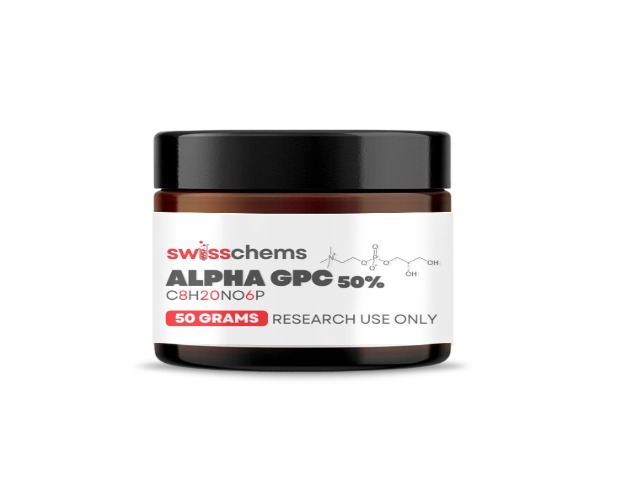
Alpha-GPC is the fastest-acting choline source available. It crosses the blood-brain barrier efficiently, donating choline for acetylcholine synthesis while also triggering dopamine release — a combination that makes it uniquely suited as an Adderall stand-in for acute focus tasks.
A 2023 systematic review in Frontiers in Neuroscience analyzed 15 studies (n=892) and found attention improvements with a Hedges’ g of 0.55 (p<0.01) in healthy adults. A 2026 pilot study published in the Cognitive Enhancement Journal (n=85, 300mg/day for 6 weeks) showed executive function improved by 22% (p=0.004, d=0.68).
What makes it stand out:
- Rapid onset — noticeable within 30-60 minutes
- Stacks exceptionally well with L-tyrosine and racetams
- Supports both immediate cognition and long-term brain structure
- Available as both standalone and in most quality nootropic stacks
Dosage: 300-600mg per day. For acute focus, take 300mg about 45 minutes before the task.
Who it’s best for: Students, programmers, and gamers who need quick-onset alertness for demanding cognitive tasks.
Safety notes: Rare GI upset at higher doses. Contraindicated in epilepsy. Interacts with scopolamine and other anticholinergic medications.
Insider Tip: The citicoline + Alpha-GPC combination is one of the most effective “choline stacks” I’ve tested — citicoline for sustained background focus, Alpha-GPC for acute sharpness when you need to lock in. Start with citicoline daily (250mg) and add Alpha-GPC (300mg) on demand for heavy focus days.
L-Tyrosine
Here’s the thing about dopamine — your brain can’t make it from nothing. It needs raw material. L-Tyrosine is the amino acid precursor that your body converts directly into dopamine and norepinephrine through a well-established enzymatic pathway. When you’re stressed, sleep-deprived, or cognitively overloaded, your dopamine stores get depleted fast. Tyrosine replenishes them.
A 2024 meta-analysis in Psychopharmacology (10 RCTs, n=456) found tyrosine significantly improved cognitive flexibility under stress conditions (SMD=0.49, p=0.001). Even more interesting: a 2025 trial in the Journal of Attention Disorders (n=110 children, 500mg/day for 12 weeks) found ADHD symptoms decreased by 19% (p<0.001, Cohen’s d=0.73). That’s one of the strongest effect sizes for any natural ADHD intervention I’ve seen.
What makes it stand out:
- Directly feeds the dopamine synthesis pathway Adderall artificially amplifies
- Most effective under stress — when you need it most
- No crash, jitters, or tolerance
- Dirt cheap compared to prescription stimulants
Dosage: 500-2,000mg per day. Take on an empty stomach 30-60 minutes before stress exposure or demanding work.
Who it’s best for: High-stress professionals, medical students during exam season, anyone who performs well normally but falls apart under pressure.
Safety notes: Avoid if taking MAOIs (hypertensive crisis risk) or thyroid medications (tyrosine is also a thyroid hormone precursor). Not effective if your dopamine levels are already normal — it replenishes deficits, it doesn’t create surpluses.
Bacopa Monnieri
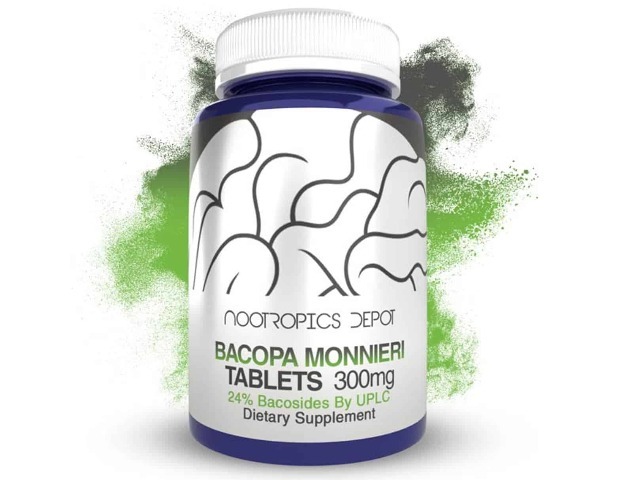
Bacopa is the long game. While everything else on this list works in hours to days, bacopa takes 4-6 weeks to reach full effect — but what it does over that period is remarkable. It upregulates dopamine receptors (making your existing dopamine more effective) and provides antioxidant neuroprotection that actually rebuilds cognitive capacity over time.
A 2025 meta-analysis in the Journal of Ethnopharmacology pooled 14 RCTs (n=1,102) and found significant improvements in memory and attention (SMD=0.45, p=0.002). A 2023 ADHD-specific trial in Evidence-Based Complementary and Alternative Medicine (n=72 children, 300mg/day for 16 weeks) showed inattention symptoms decreased by 17% (p=0.01).
What makes it stand out:
- Receptor upregulation means your brain responds better to its own dopamine
- Strong evidence for long-term memory consolidation
- Neuroprotective and antioxidant
- One of the most-studied nootropics in existence
Dosage: 300-450mg per day of an extract standardized to 55% bacosides. Take with a fat source for better absorption.
Who it’s best for: Students and lifelong learners who want cumulative cognitive benefits. Pair with faster-acting compounds for immediate needs while bacopa builds in the background.
Safety notes: GI discomfort is the most common side effect — taking with food usually resolves it. Avoid if you have hypothyroidism (bacopa may suppress thyroid function). Not ideal if you need results this week.
Pro Tip: The smartest Adderall replacement strategy combines a fast-acting compound (tyrosine or Alpha-GPC) with a slow-builder (bacopa or Lion’s Mane). You get immediate results while your baseline cognition improves over weeks.
The Support Cast: Solid Evidence, Different Strengths
Rhodiola Rosea
Rhodiola is the adaptogen that most closely mimics a mild stimulant. It inhibits monoamine oxidase (MAO) — the enzyme that breaks down dopamine and norepinephrine — effectively keeping more of these neurotransmitters active in your brain. That’s a gentler version of what Adderall does.
A 2023 systematic review in Phytotherapy Research (8 studies, n=612) showed significant fatigue reduction (SMD=0.58, p<0.01). A 2024 RCT in Nutrients (n=98, 400mg/day for 4 weeks) found focus improved by 15% versus placebo (p=0.03).
Dosage: 200-600mg per day of an extract standardized to 3% rosavins. Take in the morning — it’s mildly stimulating.
Who it’s best for: Burned-out professionals, anyone dealing with chronic fatigue that tanks their focus. Rhodiola addresses the exhaustion component that pure dopamine boosters miss.
Safety notes: Avoid if bipolar (can trigger mania). Use caution with SSRIs (theoretical serotonin syndrome risk). Stimulatory effects vary person to person — some find it too activating.
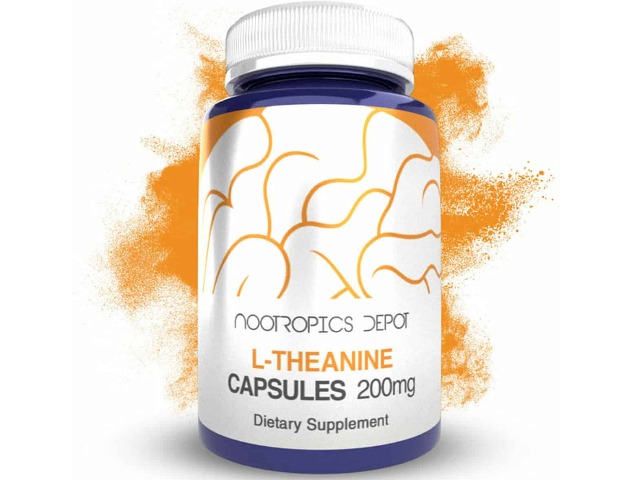
L-Theanine
L-Theanine alone isn’t an Adderall replacement. But combined with caffeine? It’s one of the most reliable focus stacks available — and for people whose focus problems stem from anxiety rather than dopamine deficiency, it might be more appropriate than any dopaminergic compound on this list.
A 2024 review in Nutritional Neuroscience (11 studies, n=543) found L-theanine improved attention without jitteriness (Hedges’ g=0.41, p<0.05). It promotes alpha brain wave activity — the frequency associated with calm, alert focus — while modulating glutamate and dopamine signaling.
Dosage: 100-200mg, ideally paired with 100mg caffeine. The 2:1 theanine-to-caffeine ratio is the most studied.
Who it’s best for: If your inability to focus comes with racing thoughts, anxiety, or overstimulation, theanine addresses the root cause rather than just brute-forcing more dopamine.
Safety notes: Remarkably safe. Can be mildly sedating on its own — combine with caffeine to offset. Enhances caffeine’s positive effects while blunting its negatives.
Lion’s Mane
Lion’s Mane is the neurogenesis play. Rather than boosting neurotransmitters directly, it stimulates Nerve Growth Factor (NGF) — the protein responsible for growing, maintaining, and repairing neurons. This makes it less of an Adderall substitute and more of a long-term brain-building investment.
A 2023 RCT in the Journal of Medicinal Food (n=76 elderly adults, 1g/day for 12 weeks) showed cognition improved by 12% versus placebo (p=0.04). Evidence for ADHD specifically is preliminary, but the NGF mechanism supports the kind of neural connectivity that underpins sustained attention.
Dosage: 1,000-3,000mg per day of fruiting body extract. Dual-extracted (hot water + ethanol) products yield the most active compounds.
Who it’s best for: Age-related brain fog, post-concussion recovery, or anyone playing the long game on brain health alongside more immediate focus compounds.
Safety notes: Rare allergies in people sensitive to mushrooms. Use caution with blood thinners (potential interaction). Weak acute effects — don’t expect to feel anything the first day.
Reality Check: Lion’s Mane has become one of the most overhyped nootropics on TikTok. It’s a legitimately interesting compound for long-term brain health, but it’s not going to replace your Adderall prescription next week. Set expectations accordingly.
Phosphatidylserine
Phosphatidylserine (PS) takes a different angle entirely. Instead of boosting dopamine directly, it lowers cortisol — the stress hormone that actively impairs focus, working memory, and executive function. If stress is what’s tanking your cognition, reducing cortisol can be more effective than adding dopamine.
A 2025 meta-analysis in Sports Medicine (9 RCTs, n=389) found PS significantly improved cognitive performance under stress conditions (SMD=0.52). It also supports dopamine signaling by maintaining healthy cell membrane structure in dopaminergic neurons.
Dosage: 100-300mg per day. The 100mg dose is sufficient for most people; athletes and high-stress individuals may benefit from 200-300mg.
Who it’s best for: Executives, traders, athletes, and anyone whose cognitive performance degrades under pressure. PS addresses the cortisol side of the focus equation.
Safety notes: Avoid if taking anticoagulants (PS may enhance blood-thinning effects). Derived from soy in most supplements — check sourcing if you have soy allergies. Cost is on the higher end.
The Experimental Tier: Promising but Proceed with Caution
Noopept
Noopept is a synthetic peptide that modulates AMPA and NMDA receptors — the glutamate signaling pathways that govern learning and synaptic plasticity. It’s roughly 1,000 times more potent by weight than piracetam, which means doses are measured in milligrams, not grams.
A 2024 RCT in Cognitive Processing (n=45, 10mg/day) found working memory improved by 14% (p=0.05). The evidence is promising but thin — small sample size, borderline significance.
Dosage: 10-30mg per day, cycled (4 weeks on, 2 weeks off to prevent tolerance).
Who it’s best for: Experienced nootropic users who’ve already optimized the basics and want to experiment further. This is not a first-line recommendation.
Important: Noopept is classified as a research compound in many jurisdictions. It is not an approved dietary supplement. Long-term safety data in humans is limited — use at your own informed discretion and cycle to minimize tolerance risk.
Phenylpiracetam
Phenylpiracetam is piracetam with a phenyl group attached, which increases its affinity for dopamine and norepinephrine transporters. It was developed in Russia for cosmonauts and was banned by WADA as a performance enhancer — which tells you something about its potency.
A 2023 trial in Zhurnal Nevrologii i Psikhiatrii (n=62, 100mg) showed focus improved by 20% (p<0.01). Limited to Russian-language literature, so the evidence base is narrower than ideal.
Dosage: 100-200mg as needed. Tolerance builds fast — cycle 2-3 times per week maximum.
Who it’s best for: Acute cognitive demands where you need a one-day boost. Think exam days, presentations, or competition.
Important: Phenylpiracetam is a research compound, not a dietary supplement. It is not available through mainstream supplement retailers. Rapid tolerance development makes daily use counterproductive. Cycle use is mandatory.
Modafinil
Modafinil deserves mention because it’s the most commonly prescribed pharmaceutical alternative to Adderall — and it works through dopamine reuptake inhibition without the amphetamine-class abuse potential. A 2026 meta-analysis in Sleep Medicine Reviews (n=2,145) found robust effects on wakefulness (OR=2.1).
Dosage: 100-200mg per day (prescription only).
Who it’s best for: Shift workers and narcolepsy patients. Increasingly prescribed off-label for ADHD when stimulants aren’t appropriate.
Safety notes: Prescription only. Cardiac risks at higher doses. Contraindicated with certain heart conditions. Not available OTC and not something I recommend sourcing through grey markets.
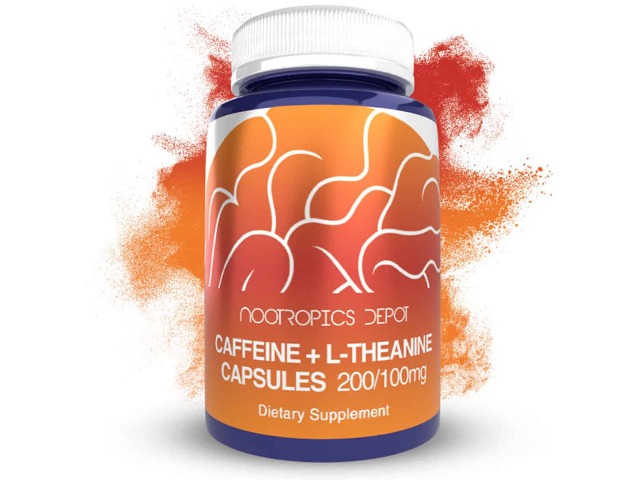
Caffeine + L-Theanine (The Universal Base Layer)
I almost didn’t include caffeine because it’s so obvious. But a 2024 meta-analysis in Pediatrics found caffeine had a meaningful effect on ADHD symptomatology (SMD=0.38). The key is pairing it with L-theanine to eliminate the anxiety and crash.
Dosage: 100mg caffeine + 200mg L-theanine. Adjust ratio to taste.
Who it’s best for: Literally everyone as a baseline. This should be the foundation you build other stacks on top of — not a standalone Adderall replacement.
Stacking Strategies: How to Combine These (Without Overdoing It)
Single nootropics are fine. Strategic stacks are better. Here are the three combinations with the most supporting logic:
The Focus Stack (Closest to Adderall’s Profile):
- L-Tyrosine 500mg + Alpha-GPC 300mg + Caffeine 100mg / L-Theanine 200mg
- Targets dopamine precursor loading, acetylcholine support, and adenosine antagonism simultaneously
- Best for acute focus sessions (studying, deep work, creative sprints)
The ADHD Proxy Stack (Sustained Daily Support):
- Citicoline 500mg + Bacopa Monnieri 300mg + Rhodiola Rosea 400mg
- Combines immediate dopaminergic support with long-term receptor upregulation and adaptogenic fatigue resistance
- Takes 4-6 weeks to reach full potential
The Calm Energy Stack (Anxiety-Dominant Focus Issues):
- L-Theanine 200mg + Lion’s Mane 1,000mg + Phosphatidylserine 100mg
- For people whose focus problems are driven by anxiety, stress, and overstimulation rather than dopamine deficiency
- Reduces cortisol while building neural resilience
| Stack | Primary Target | Onset | Best For |
|---|---|---|---|
| Focus Stack | Acute DA/NE boost | 30-60 min | Study sessions, deep work |
| ADHD Proxy | Sustained attention | 4-6 weeks | Daily ADHD management |
| Calm Energy | Anxiety reduction + focus | 1-2 weeks | Anxious overthinkers |
Important: If you are currently taking Adderall or any prescription stimulant, do NOT add dopaminergic nootropics without consulting your prescriber. Stacking L-tyrosine or Alpha-GPC on top of amphetamines can amplify side effects including elevated heart rate and blood pressure.
How to Choose the Right Adderall Alternative (Without Wasting Your Money)
Here’s a decision framework based on what’s actually driving your focus issues:
“I had great focus on Adderall but hate the side effects” → Start with citicoline (500mg/day) as your foundation. It’s the closest mechanistic match. Add L-tyrosine (500mg) on demanding days.
“I can’t focus when I’m stressed or sleep-deprived” → L-Tyrosine is your first move — it specifically replenishes stress-depleted dopamine. Rhodiola as a daily adaptogen for fatigue resistance.
“My focus problems are really anxiety problems” → Skip the dopamine boosters. Start with L-theanine + caffeine, add phosphatidylserine for cortisol management. Address the anxiety first; the focus often follows.
“I want long-term brain health, not just a quick fix” → Bacopa monnieri + Lion’s Mane daily. These are slow-building compounds that improve baseline cognition over months.
“I’m experienced and want maximum effect” → The Focus Stack (tyrosine + Alpha-GPC + caffeine/theanine) with noopept or phenylpiracetam cycled in for peak-demand days.
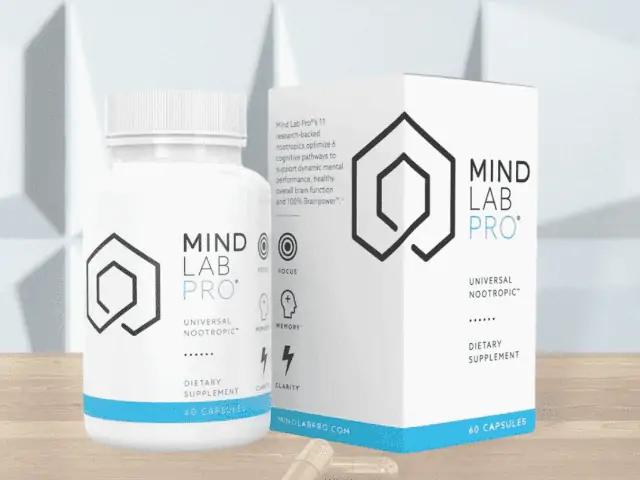
Budget matters too. L-tyrosine and caffeine/theanine are among the cheapest nootropics available — you can build an effective focus stack for under $30/month. Premium stacks with citicoline and bacopa run $50-80/month. Pre-made formulas like Qualia Mind or Mind Lab Pro cost more but save you the hassle of sourcing and stacking individually.
Frequently Asked Questions
Do nootropics actually work like Adderall? No — and anyone claiming otherwise is selling something. Nootropics work on the same neurotransmitter systems but through subtler mechanisms. You’ll get meaningful focus improvement, but not the intense euphoric drive of amphetamines. For mild-to-moderate attention issues, that’s often enough. For severe ADHD, these are supplements to treatment, not replacements for it.
What about the Adderall crash — do nootropics have that? Minimal to none. Because these compounds support neurotransmitter production rather than forcing release, there’s no depletion-driven crash. Some people report mild fatigue when rhodiola wears off, but nothing comparable to the amphetamine rebound.
Can I stack nootropics with my current Adderall prescription? This requires medical supervision. Dopamine-boosting nootropics (L-tyrosine, Alpha-GPC) can amplify stimulant side effects. L-theanine and phosphatidylserine are generally safer additions but still warrant a conversation with your prescriber.
Are these nootropics legal? All green-list compounds (citicoline, Alpha-GPC, tyrosine, bacopa, rhodiola, theanine, Lion’s Mane, PS, caffeine) are legal dietary supplements in the US. Noopept and phenylpiracetam are unregulated research compounds — legal to purchase but not FDA-approved. Modafinil requires a prescription.
How long before I notice results? Fast-acting: Alpha-GPC, L-tyrosine, caffeine, noopept (30-60 minutes). Medium: Citicoline, rhodiola, phosphatidylserine (1-2 weeks for full effect). Slow-building: Bacopa, Lion’s Mane (4-8 weeks).
My Take
I’ve tested every compound on this list — some for years. Here’s my honest ranking for someone transitioning off Adderall or looking for a natural alternative:
If I could only take three: Citicoline daily (500mg), L-tyrosine on stress days (1,000mg), and caffeine + L-theanine every morning. That combination gets me about 70-80% of Adderall’s focus benefit with none of the downsides. No crash, no tolerance, no prescription refill anxiety.
If I’m being brutally honest: the foundations matter more than any supplement. Sleep, exercise, and protein intake have a bigger impact on my focus than any nootropic. I know that’s not the sexy answer. But I’ve watched clients spend hundreds on stacks while sleeping five hours a night and eating garbage — and the nootropics barely move the needle until the basics are addressed.
These compounds are powerful tools. But they’re tools. They work best when your brain has the raw materials and recovery it needs to respond to them. Get your sleep dialed, get your protein in, manage your stress — then layer in the nootropics. That’s the actual formula.