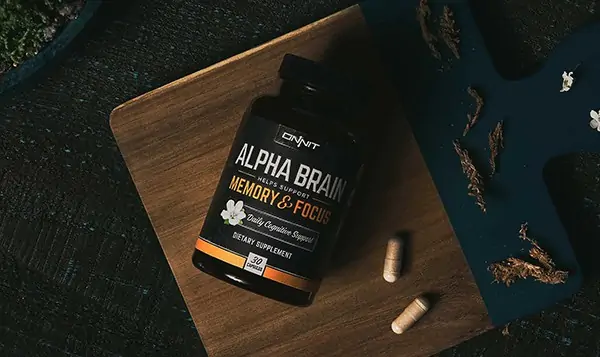
Alpha Brain from Onnit is arguably the most famous preformulated nootropic stack in existence. Its association with Joe Rogan — who has promoted it extensively on one of the world’s largest podcasts — has made it many people’s first introduction to the world of nootropics.
I’ve tested Alpha Brain myself and spent considerable time analyzing its formula against the scientific literature and comparing it to the other leading stacks I recommend on this site. The short version: it’s a decent product with real nootropic ingredients, but the proprietary blends, some formula gaps, and the price point leave room for improvement.
The Short Version: Alpha Brain contains several evidence-based nootropic compounds including Bacopa monnieri, Alpha-GPC, L-theanine, phosphatidylserine, and Huperzine A. It has a published RCT showing improvements in verbal memory and executive function. However, proprietary blends hide individual ingredient doses, it lacks key compounds found in competitors (like Lion’s Mane and citicoline), and its price-to-value ratio doesn’t match up against Mind Lab Pro or Qualia Mind.
What Is Alpha Brain?
Alpha Brain is a preformulated nootropic stack manufactured by Onnit, a health and wellness company co-owned by Joe Rogan. It’s designed to support memory, focus, and mental processing speed through a blend of natural nootropic compounds.
To its credit, Alpha Brain is one of the few preformulated nootropics that has undergone a randomized, double-blinded, placebo-controlled clinical trial. That study found statistically significant improvements in verbal memory, cognitive processing speed, and executive function among participants taking Alpha Brain versus placebo.
That’s a genuinely meaningful distinction in an industry where most products never undergo any formal clinical testing. However, understanding the individual ingredients and their doses matters just as much as the overall trial results.
Alpha Brain Ingredients Breakdown
Alpha Brain’s formula is organized into three proprietary blends. Let me break down each key ingredient and what the research says.
L-Tyrosine
L-Tyrosine is a precursor amino acid to dopamine, norepinephrine, and epinephrine. It supports mood, alertness, and cognitive function under stress. Research shows it’s most effective at buffering cognitive decline during sleep deprivation, intense physical stress, or demanding multitasking — situations where catecholamine stores get depleted.
The typical effective dose is 500mg-2g. Because Alpha Brain uses a proprietary blend, we can’t confirm how much L-tyrosine is actually in each serving.
L-Theanine
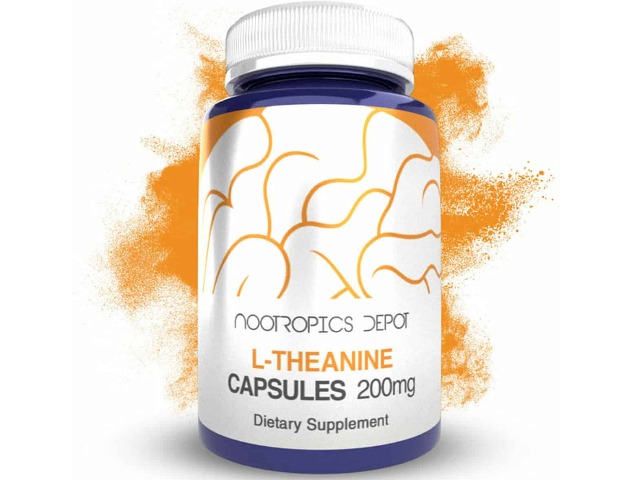
L-Theanine promotes alpha brain wave activity, which creates a state of calm alertness without drowsiness. It’s one of my favorite nootropics for focus, particularly when combined with caffeine. L-theanine also modulates GABA, serotonin, and dopamine signaling.
Effective doses range from 100-200mg. Again, the proprietary blend makes it impossible to verify what Alpha Brain actually delivers.
Phosphatidylserine
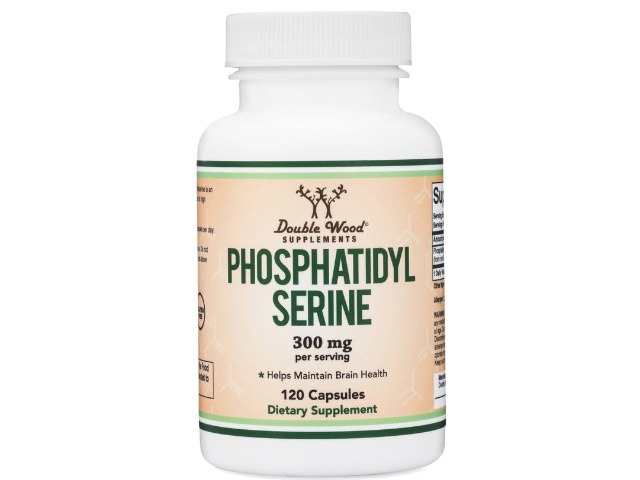
Phosphatidylserine is a phospholipid that’s critical for neuronal membrane integrity and interneuronal communication. Research shows it supports memory retention, cognitive function, and may help buffer age-related cognitive decline. It makes up about 15% of the brain’s total phospholipids.
Clinical doses for cognitive benefits typically range from 100-300mg daily.
Alpha-GPC
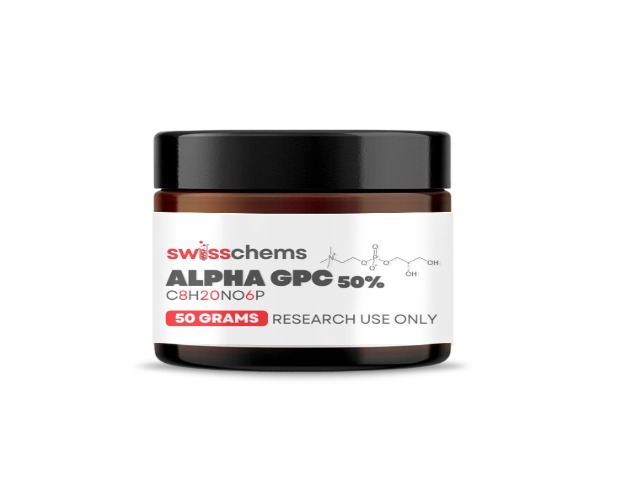
Alpha-GPC is a highly bioavailable choline source that rapidly crosses the blood-brain barrier to support acetylcholine production. A 2025 meta-analysis confirmed it outperforms citicoline across most cognitive domains. It’s one of the strongest ingredients in Alpha Brain’s formula.
Effective doses range from 300-600mg for cognitive enhancement, with clinical trials using up to 1,200mg daily.
Bacopa Monnieri
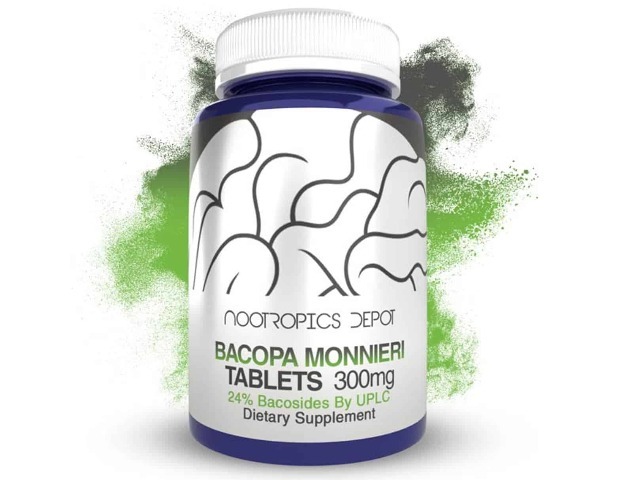
Bacopa monnieri is an adaptogenic herb that modulates acetylcholine release, reduces cortisol, and supports hippocampal function. The evidence for memory enhancement is solid, particularly over 8-12 weeks of consistent use. Its active compounds, bacosides, have demonstrated antioxidant and anti-inflammatory effects in brain tissue.
Standard effective doses are 300-450mg of standardized extract (10-20% bacopa glycosides).
Huperzine A
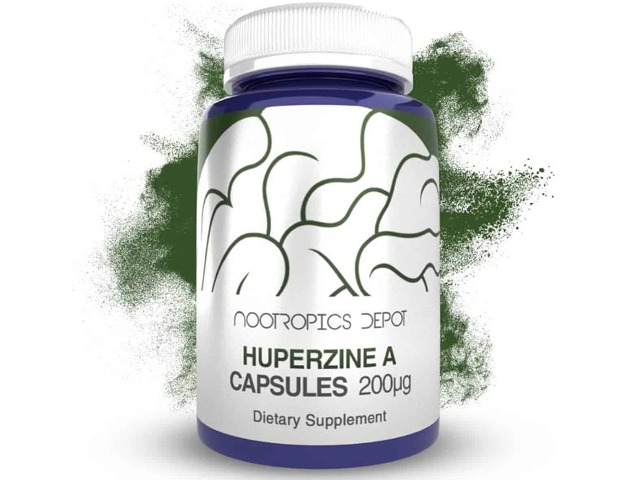
Huperzine A, derived from toothed clubmoss, is an acetylcholinesterase inhibitor — meaning it prevents the breakdown of acetylcholine rather than increasing its production. This makes existing acetylcholine last longer in the synaptic cleft, supporting memory, executive function, and neuroprotection.
An important caveat: Huperzine A requires cycling (3-4 days on, 2-3 days off) to prevent excess cholinergic buildup. Since Alpha Brain is marketed for daily use, this creates a potential issue for long-term users.
Oat Straw Extract
Oat straw extract, derived from Avena sativa stems and leaves, has some evidence supporting cognitive function and cardiovascular health in adult studies. A few in vitro and animal studies suggest potential mood and anti-inflammatory benefits, but the human data is limited.
Cat’s Claw
Cat’s claw (Uncaria tomentosa) is traditionally used for immune support and anti-inflammatory purposes. Its inclusion in a nootropic formula is unusual — the evidence for cognitive benefits is thin compared to other available ingredients.
Filler and Support Ingredients
Alpha Brain uses vegetable cellulose capsules, rice hull concentrate, and maltodextrin. No animal by-products or preservatives. These are standard, non-problematic excipients.
The Proprietary Blend Problem
My biggest criticism of Alpha Brain is its use of proprietary blends. Instead of listing exact doses for each ingredient, the formula groups ingredients into three blends with only the total blend weight disclosed:
- Onnit Flow Blend (650mg total): L-tyrosine, L-theanine, oat straw extract, phosphatidylserine
- Onnit Focus Blend (240mg total): Alpha-GPC, Bacopa monnieri, toothed clubmoss/Huperzine A
- Onnit Fuel Blend (60mg total): L-leucine, pterostilbene
The problem is clear. The Focus Blend is only 240mg total, but the effective dose of Alpha-GPC alone is 300-600mg, and Bacopa needs 300mg+. Mathematically, it’s impossible for both ingredients to be at clinically effective doses within a 240mg blend.
This isn’t the worst thing in the world — you may still get benefits from sub-clinical doses combined synergistically — but it makes Alpha Brain hard to evaluate against competitors who show their work.
Alpha Brain vs. The Competition
Alpha Brain vs. Mind Lab Pro
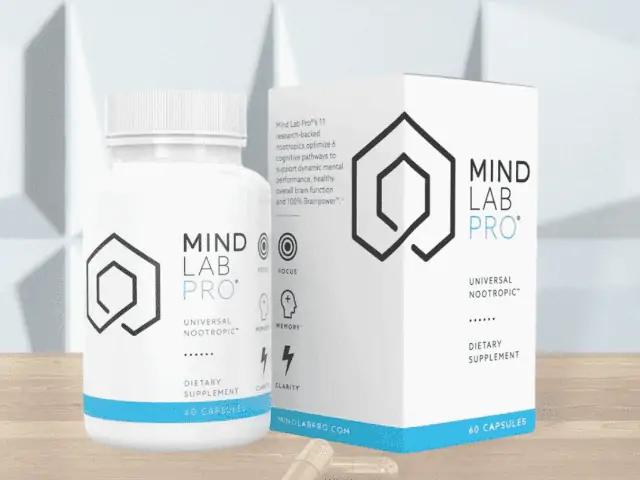
Alpha Brain and Mind Lab Pro share several core ingredients: Bacopa monnieri, L-theanine, L-tyrosine, phosphatidylserine, and vitamin B6.
The key differences:
- Dose transparency: Mind Lab Pro lists exact doses for every ingredient. Alpha Brain hides behind proprietary blends.
- Lion’s Mane: Mind Lab Pro includes Lion’s Mane mushroom, one of the most compelling nootropics for neurogenesis and nerve growth factor support. Alpha Brain does not.
- Citicoline vs. Alpha-GPC: Mind Lab Pro uses citicoline, which provides neuroprotective benefits through its uridine pathway. Alpha Brain uses Alpha-GPC, which is the superior raw cholinergic precursor. Both are valid choices.
- Price: Roughly comparable, with Mind Lab Pro offering 30-day supplies and Alpha Brain offering 15 or 45-day options.
My recommendation: Mind Lab Pro edges out Alpha Brain on formula transparency and the inclusion of Lion’s Mane.
Alpha Brain vs. Qualia Mind
Qualia Mind takes the kitchen-sink approach with 26 nootropic ingredients across 7 capsules per serving. It shares five ingredients with Alpha Brain (Alpha-GPC, Bacopa, Huperzine A, L-theanine, vitamin B6) but adds many more at disclosed doses.
The trade-off is price: Qualia Mind runs around $120 for a 28-day supply versus roughly $35 for a 15-day supply of Alpha Brain. When comparing cost per ingredient per effective dose, Qualia Mind often delivers more value despite the higher sticker price — but it depends which specific ingredients matter most to your goals.
Alpha Brain vs. Neurofuel
Neurofuel (formerly CILTEP) takes the opposite approach from Alpha Brain’s broad formula, using just five ingredients: Artichoke Extract, Acetyl-L-Carnitine, L-Phenylalanine, Forskolin, and Vitamin B6. The mechanism targets long-term potentiation through cAMP modulation — a different cognitive pathway entirely.
At about $30 for a 15-day supply, Neurofuel is price-comparable to Alpha Brain. The minimal ingredient overlap means these two stacks could actually be combined for complementary benefits, though I’d want to monitor for overstimulation.
Joe Rogan’s Endorsement
Joe Rogan has been one of Alpha Brain’s most visible advocates, regularly praising it on his podcast: “It seems to fire up your brain at a higher RPM level… I feel like it helps me form sentences better.”
It’s worth noting that Rogan is a co-owner of Onnit, which makes his endorsement a financial interest rather than an independent review. That doesn’t mean his experience isn’t genuine — it just means you should weigh it accordingly, as you would any celebrity product endorsement. In 2024, Unilever acquired Onnit, and notably, a class-action lawsuit was filed that same year alleging the brand misled consumers with promises of better memory, faster mental processing, and sharper focus without sufficient supporting evidence. The litigation underscores why independent evaluation of proprietary-blend products matters.
Safety and Side Effects
Alpha Brain is generally well-tolerated. The ingredients are all recognized as safe with decades of research behind them. However, some users have reported mild side effects including headaches, jaw tension, nervousness, fatigue, nausea, vivid or lucid dreams, and occasional GI discomfort.
The vivid dreams are likely attributable to the cholinergic ingredients (Alpha-GPC and Huperzine A), which are known to increase dream vividness and recall. Some people consider this a feature rather than a bug.
As with any nootropic stack, I recommend starting with a half dose to assess your tolerance, and consulting with a healthcare provider if you’re taking medications or have existing health conditions.
Dosage
The standard recommended dose is two capsules daily, taken after a light meal. Some users report better results taking both capsules in the morning before cognitively demanding work, while others prefer splitting the dose morning and afternoon.
Final Assessment
Alpha Brain is a legitimate nootropic product with real ingredients and a published clinical trial behind it. It’s a solid entry point for people new to nootropics who want a simple, one-product solution.
However, for experienced nootropic users or anyone who cares about dose transparency and formula optimization, there are better options. Mind Lab Pro offers a more transparent, complete formula. Qualia Mind provides more comprehensive coverage if budget allows. And building your own stack from individual ingredients — Alpha-GPC, Bacopa, L-theanine, Lion’s Mane — gives you full control over doses and costs.
Alpha Brain isn’t a bad product. But in an increasingly competitive nootropics market, “not bad” isn’t enough to earn my top recommendation. The global nootropics market reached USD 5.71 billion in 2025 and is projected to hit USD 19.53 billion by 2034 (14.64% CAGR), with the natural nootropics segment growing fastest at 20.3% annually as consumers increasingly demand clean-label, dose-transparent products. In this environment, proprietary blends are an increasingly hard sell. Meanwhile, the key ingredients Alpha Brain relies on continue to accumulate stronger evidence individually — a 2024 systematic review confirmed Bacopa monnieri’s benefits for memory consolidation require 300mg+ of standardized extract over 8-12 weeks, and Alpha-GPC research continues to validate doses of 300-600mg for cognitive enhancement — doses that Alpha Brain’s 240mg Focus Blend mathematically cannot deliver for both compounds.