
Some of the most meaningful creative work I’ve ever done happened not through sheer effort, but through those rare stretches where I lost myself completely in the process. Hours would pass like minutes, self-doubt would vanish, and ideas would connect in ways that felt almost effortless. These are flow states — and once you’ve experienced them, you want to know how to get back there consistently.
In positive psychology, “flow” refers to a mental state characterized by intense focus, diminished awareness of time passing, loss of self-consciousness, a sense of personal control, and intrinsic reward. It is the state where your skill level and the challenge at hand are perfectly matched, and you become fully absorbed in the creative activity.
Top athletes, musicians, writers, and entrepreneurs all tap into flow to produce their best work. The good news is that flow isn’t reserved for a gifted few. With the right combination of environmental design, biological optimization, and behavioral habits, you can make flow states significantly more accessible. Here are the nine strategies that have worked best for me and my clients.
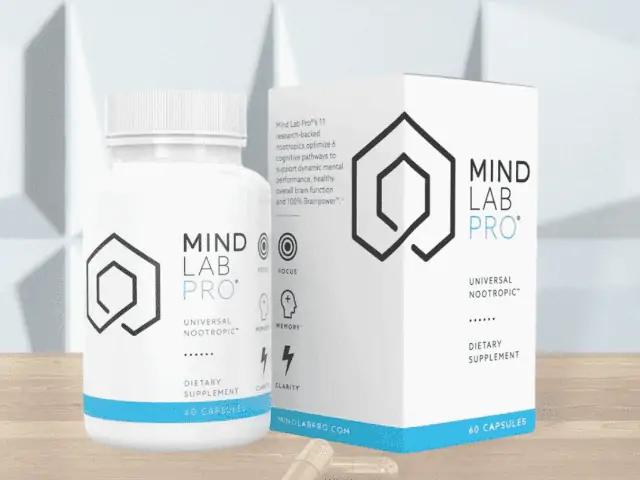
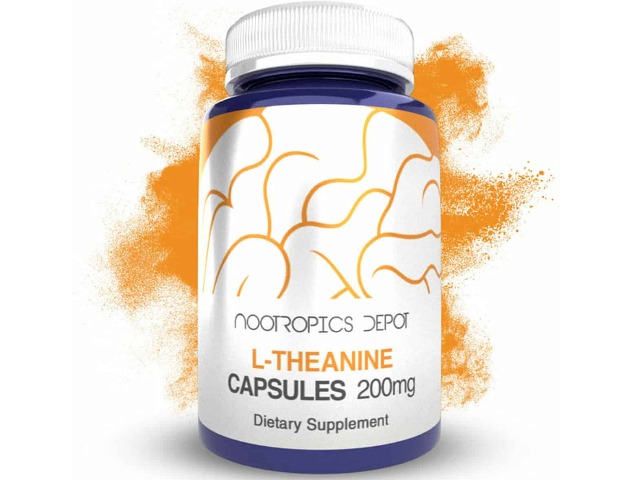
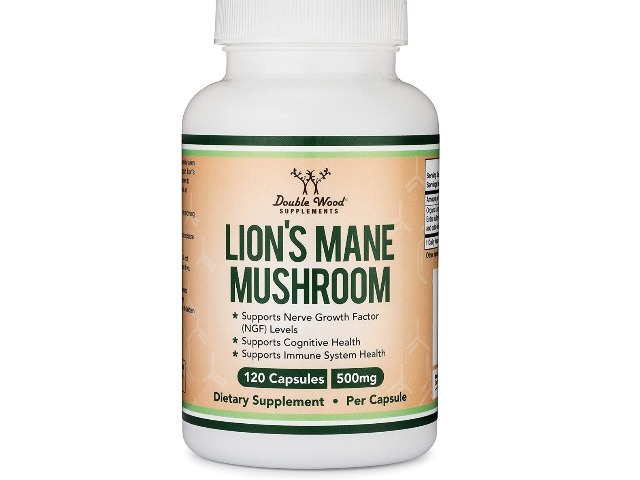
Key Takeaways: Flow states depend on the interplay between environment, biology, and mindset. Structure your sessions with clear goals and time constraints. Eliminate digital distractions during creative work. Optimize your neurochemistry with L-Theanine, caffeine, and neuroplasticity-supporting compounds like Lion’s Mane and Bacopa Monnieri. Balance intense focus with unstructured play. Track your biofeedback to identify your personal flow triggers.
1. Define Your Challenge-Skill Sweet Spot
Flow depends on finding the optimal ratio between challenge and skill. If the task is too easy, you get bored. Too difficult, and anxiety takes over. The creative work that triggers flow stretches your abilities while keeping success within reach.
Before each creative session, define a specific goal that pushes you slightly beyond your current comfort zone. Vague objectives like “work on my project” rarely produce flow. Concrete targets like “write the opening scene using only dialogue” or “compose a 16-bar progression in an unfamiliar key” give your brain something to lock onto.
2. Structure Your Creative Sessions
Having clearly defined parameters facilitates the focus that flow requires. Open-ended “sit down and create something” sessions make it harder to enter that centered, immersed state.
I recommend using a Pomodoro-style timer to structure 25-30 minute creative sprints. The built-in intervals signal to your brain that it’s time to concentrate, and the approaching break creates a mild urgency that sharpens focus. After 2-3 sprints, you may find you’ve entered flow and the timer becomes irrelevant — that’s the goal.
3. Minimize External Distractions
It is nearly impossible to enter flow when notifications, alerts, and digital interruptions constantly vie for your attention. Research on attentional switching shows that even brief interruptions can take 20+ minutes to recover from.
For 90-120 minutes at a time, eliminate digital distractions completely. Use a website and app blocker, put your phone in another room, and close your email client. You may be surprised at what creative depths become accessible when your attention is truly uninterrupted.
4. Optimize Internal Factors
External environment is only half the equation. Creativity and flow depend heavily on what is happening inside your body and brain.
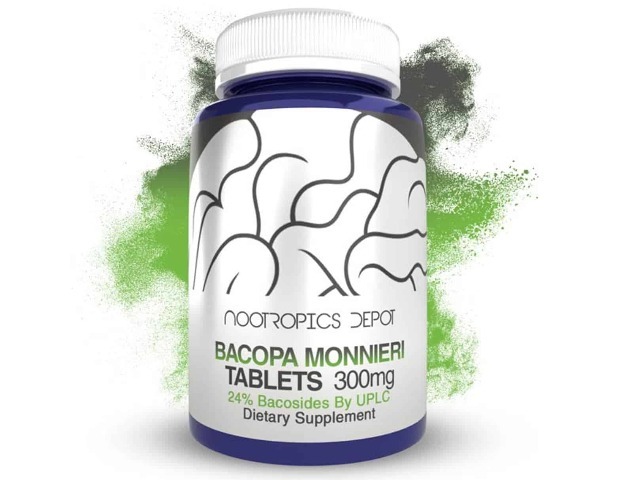
Start with the foundations: stable blood sugar (avoid creative sessions after heavy meals or on an empty stomach), adequate hydration, and sufficient sleep the night before. Then consider targeted nutritional support. Adaptogenic herbs like Rhodiola Rosea and Bacopa Monnieri can help modulate stress while supporting the cognitive flexibility that creative work demands.
When your biology is optimized, flow comes naturally.
5. Stimulate Neurogenesis
Human creativity depends heavily on neuroplasticity — the brain’s ability to grow new neural connections and reorganize existing ones. Giving your brain the building blocks for neurogenesis sets the stage for creative innovation.
Creativity involves the interaction of three brain networks: the default mode network (imagination and mind-wandering), the executive network (focused evaluation), and the salience network (switching between the two). Neurotransmitters including dopamine, serotonin, and acetylcholine all play roles in how fluidly these networks communicate. A landmark 2024 neuroimaging study at Drexel University confirmed this model directly: flow states occur when the default mode network generates ideas under the supervision of the executive control network in the frontal lobes, with the ECN directing the kinds of ideas the DMN produces. A large-scale 2025 multi-center study analyzing resting-state fMRI data across 10 independent samples with 2,433 participants, published in Communications Biology, found that creative ability can be reliably predicted by the number of dynamic switches between the DMN and ECN — meaning that people whose brains fluidly toggle between these networks are consistently more creative.
Compounds that support neuroplasticity can enhance this creative cross-talk. Lion’s Mane mushroom stimulates nerve growth factor (NGF) production, while Citicoline supports neuronal membrane synthesis and dopaminergic signaling. Bacopa Monnieri has been shown to increase divergent thinking scores in healthy adults. Together, these compounds give your brain the raw materials for novel neural connections.
6. Modulate Brain Waves
The electrical activity in your brain directly impacts which cognitive state you inhabit. Alpha brain waves (8-12 Hz) correlate with relaxed alertness and enhanced creativity. Theta waves (4-8 Hz) are associated with deep subconscious access, insight, and the “eureka” moments that characterize breakthrough creative work.
Several approaches can encourage these receptive wave patterns:
- Binaural beats: Listening to specific audio frequencies can entrain brain waves toward alpha and theta states
- Meditation: Even 10-15 minutes of mindfulness practice before a creative session shifts neural activity toward alpha dominance
- Neurofeedback wearables: Devices that measure brain wave activity and provide real-time feedback can help you learn to consciously shift into creative states
A 2025 study in Frontiers in Behavioral Neuroscience provided additional neurological support for this approach: flow states were consistently associated with reduced activity in core DMN regions linked to self-referential thought, increased lateral prefrontal and parietal activity supporting attentional control, and reduced amygdala activity with decreased insula-reward network coupling — suggesting that flow simultaneously enhances focus while lowering anxiety, exactly the combination creatives are seeking.
7. Microdose Caffeine and L-Theanine
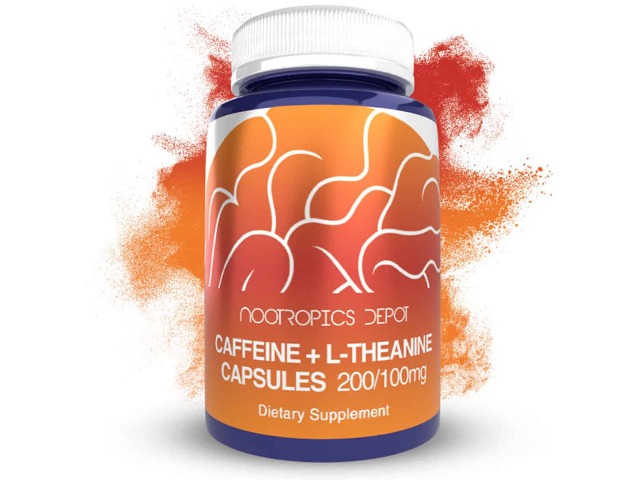
This is my single favorite nootropic combination for creative flow. The synergy between caffeine and L-Theanine produces a unique mental state — relaxed focus — that is ideal for immersive creative work.
- Caffeine provides the stimulating motivation and mental energy
- L-Theanine promotes calm, smooth attention without the jittery edge
I suggest a ratio of 2:1 (L-Theanine to caffeine) — for example, 200mg L-Theanine with 100mg caffeine. Limit to 1-2 doses daily maximum to preserve efficacy and avoid tolerance buildup. For many people, this combination genuinely enables sustained creative absorption without the anxiety or crash that caffeine alone can produce.
8. Incorporate Unstructured Play
While structure has its place in triggering flow, don’t underestimate the creative power of free-form, unstructured play. Dancing, improvising on an instrument, painting abstractly, building something with your hands without a plan — these activities give your conscious, analytical mind a break and allow non-judgmental, subconscious creativity to surface.
Some of the most innovative ideas emerge not during focused work sessions but during the transition between structure and play. Build both into your creative routine.
9. Track Biofeedback Metrics
If you want to systematically optimize your biology for flow, tracking key biomarkers provides invaluable data. Sleep quality, heart rate variability (HRV), blood glucose stability, and recovery metrics all influence your readiness for creative flow.
Wearable devices that track sleep stages, HRV, and activity levels can help you identify patterns: maybe you consistently enter flow after mornings where your deep sleep exceeded a certain threshold, or when your HRV is above your personal baseline. When your nervous system is balanced and well-recovered, your brain enters flow states with meaningfully enhanced consistency.
Frequently Asked Questions
What activities are best for triggering flow states?
Flow depends on achieving the optimal challenge-skill ratio, so the best activities are those that stretch your abilities while keeping success feasible. Strong candidates include writing, musical improvisation, painting, photography, graphic design, programming, and even complex physical activities like rock climbing or martial arts. The key is that the activity must demand your full attention and provide clear feedback on your performance.
What causes you to lose a flow state?
Interruptions are the single fastest way to break creative flow. Digital notifications pulling your attention, uncomfortable physical sensations (hunger, an uncomfortable chair, temperature extremes), biological needs, self-criticism, and over-analyzing your work in the moment can all disrupt the state. The best defense is proactive: eliminate potential interruptions before you begin.
How can I make flow states more accessible over time?
With consistent practice using the strategies outlined above, you can make flow increasingly more accessible. But there is no shortcut to forcing these states on demand through sheer willpower. Be patient with the process of gradually conditioning your mind, body, and environment. Lay the lifestyle foundation first — adequate sleep, regular exercise, nutritional optimization, and environmental control — and creative flow follows as a natural consequence.
Building Your Flow Practice
The common thread across all nine of these strategies is that flow is not something you force — it is something you create the conditions for. By systematically addressing the environmental, biological, and psychological prerequisites, you dramatically increase the probability of entering and sustaining deep creative states.
Start with the fundamentals: eliminate distractions, structure your sessions, and optimize sleep and nutrition. Then layer in the more targeted approaches: the caffeine and L-Theanine stack, neuroplasticity-supporting compounds, and biofeedback tracking. For a deeper dive into the neuroscience of creative cognition, check out our guide on the best nootropics for creativity.
The creative potential is already inside you. These strategies simply help you access it more consistently.