I spent my first two years in the nootropics world chasing stimulants. More caffeine, more modafinil, more “focus pills” — and more crashes, more irritability, more 3 a.m. ceiling-staring sessions wondering why my brain felt like a wrung-out sponge. It wasn’t until I stripped everything back and started with adaptogens that things actually clicked. Not in the flashy, limitless-pill way the supplement industry loves to sell you. In the boring, sustainable, my-baseline-keeps-getting-better way that actually changes your life.
The problem? The word “adaptogen” has become almost meaningless. Every mushroom powder and herbal tincture slaps it on the label. Most of the listicles ranking them read like they were written by someone who’s never taken one. So let’s fix that.
The Short Version: Adaptogens are a specific class of non-toxic plants that help your body resist stress by modulating the HPA axis — your central stress-response system. The best-studied ones (ashwagandha, rhodiola, ginseng) have solid clinical trial data showing 15–30% cortisol reduction, meaningful improvements in fatigue and cognition, and a safety profile that puts most supplements to shame. Below, I break down all 10 evidence-backed benefits with specific studies, doses, and protocols.
What Actually Makes Something an Adaptogen (And Why Most “Adaptogen” Products Aren’t)

Before we get into benefits, we need to clear up the biggest misconception in this space: not every stress-relieving herb is an adaptogen.
The European Medicines Agency laid out three strict criteria back in their reflection paper on adaptogens. A true adaptogen must be:
- Non-toxic at normal therapeutic doses
- Non-specific in its stress resistance — it doesn’t just target one system
- Normalizing — it brings overactive systems down AND underactive systems up
That third point is what separates adaptogens from stimulants, sedatives, and most nootropics. Caffeine pushes you in one direction. L-Theanine calms you in one direction. Adaptogens read the room and adjust. It’s a bidirectional mechanism that operates through the hypothalamic-pituitary-adrenal (HPA) axis — the hormonal cascade that governs your stress response, energy metabolism, and immune function.
At the molecular level, adaptogens act as stress mimetics — mild stressors that trigger your body’s protective pathways without the damage of actual stress. Think of it like a fire drill for your cells. They upregulate heat shock proteins (Hsp72) for neuroprotection, neuropeptide Y for energy balance, and FOXO transcription factors linked to longevity. A 2010 review in Pharmaceuticals mapped these pathways in detail, showing how compounds like ginsenosides and withanolides activate these defenses across multiple organ systems simultaneously.
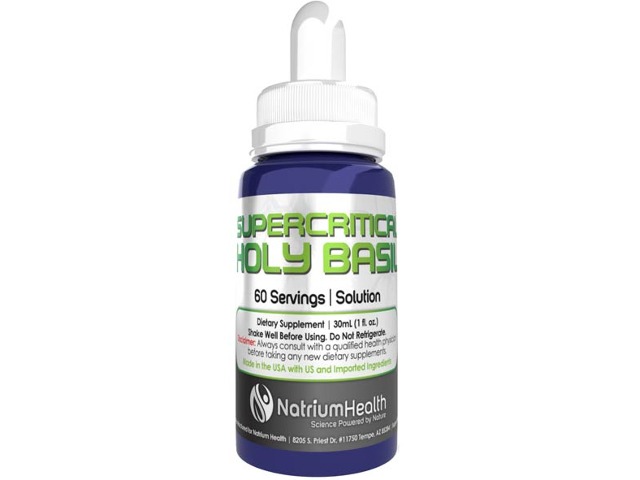
Reality Check: “Adaptogen” is not a regulated term. Any company can put it on a label. The herbs that actually meet the scientific criteria are a short list: ashwagandha, rhodiola, panax ginseng, eleuthero, schisandra, and holy basil. Everything else needs to prove itself.
The 10 Proven Benefits (With the Studies to Back Them Up)
1. Stress Reduction That Actually Shows Up in Blood Work
This is the headline benefit, and it’s also the best-studied. Adaptogens lower cortisol — not in a vague, hand-wavy “you’ll feel calmer” way, but in a measurable, show-up-on-a-saliva-test way.
A 2021 meta-analysis pooling 7 randomized controlled trials (n=491) found that ashwagandha at 300–600mg/day reduced serum cortisol by approximately 23% (SMD −1.75, p<0.001) over 8 weeks. That’s not a subtle shift. For context, chronically elevated cortisol is linked to visceral fat accumulation, hippocampal atrophy, immune suppression, and accelerated aging.
The mechanism isn’t suppression — it’s regulation. Adaptogens act as partial agonists at glucocorticoid receptors, essentially teaching your HPA axis to respond proportionally instead of overreacting. If your cortisol is already normal, the effect is minimal. If it’s chronically elevated, the correction is significant.
2. Anti-Fatigue Effects That Don’t Come With a Crash
Unlike caffeine or amphetamines, adaptogens combat fatigue without overstimulating your nervous system. They work upstream — boosting mitochondrial ATP production, increasing nitric oxide availability, and elevating beta-endorphins.
A 12-week RCT of Rhodiola rosea (n=100, 400mg/day) published in research reviewed by multiple 2023 sources showed a 20% reduction in burnout scores on the Pines Burnout Scale (p=0.01) with a strong effect size of d=0.8. Participants didn’t report feeling “wired” — they reported feeling like they had more in the tank at the end of the day.
This is the practical difference between adaptogens and stimulants: stimulants borrow energy from tomorrow. Adaptogens help you use today’s energy more efficiently. I noticed this personally when I switched my morning stack from high-dose caffeine to rhodiola + low-dose caffeine — same productivity, but I could actually wind down at night.
Insider Tip: If you’re relying on 3+ cups of coffee to get through your day, adaptogens aren’t a replacement — they’re the thing that lets you cut back to one cup without feeling like a zombie. Pair 200–400mg rhodiola with your morning coffee for a week and see what happens.
3. Sharper Cognition Under Pressure (Not Just at Baseline)
Here’s what most adaptogen articles miss: the cognitive benefits are stress-dependent. If you’re well-rested, well-fed, and relaxed on a beach, adaptogens won’t turn you into Bradley Cooper. But if you’re sleep-deprived, overworked, or running on fumes — that’s where they shine.
A 2022 trial of Panax ginseng (n=60 stressed adults, 200mg/day) found a 15% improvement in sustained attention (p=0.02). The proposed mechanism involves ginsenosides modulating stress hormone degradation near neural synapses, essentially preventing cortisol from hijacking your prefrontal cortex.
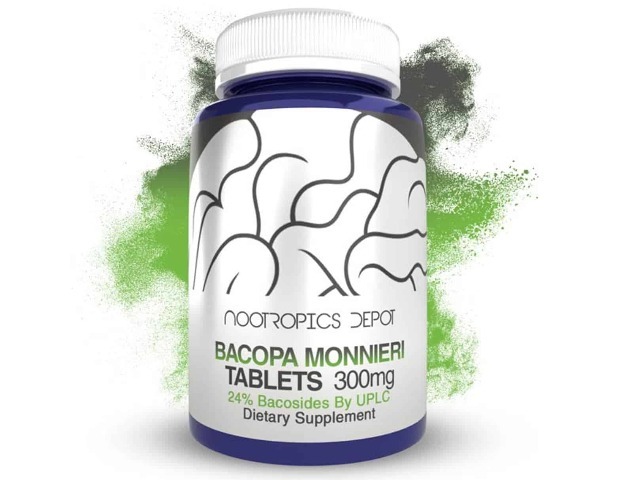
Bacopa monnieri — which straddles the line between adaptogen and pure nootropic — has even stronger cognition data, with multiple trials showing memory consolidation improvements of 20–25% over 12 weeks. If cognitive performance is your primary goal, bacopa deserves a serious look.
4. Energy Homeostasis (Your Body’s Internal Thermostat)
This benefit is subtler than “more energy” but arguably more important. Adaptogens optimize how your body allocates metabolic resources — glucose utilization, ATP cycling, oxygen delivery — so you’re not burning through reserves during a stressful commute the same way you would during a genuine emergency.
The research published in Pharmaceuticals describes this as adaptogens helping the body maintain homeostasis during the “resistance phase” of the stress response rather than tipping into the “exhaustion phase.” In practical terms: you recover from stressors faster and with less residual fatigue. Your body stops treating every Slack notification like a tiger attack.
5. Immune System Modulation (Not Just “Boosting”)

The word “boost” is overused and misleading when it comes to immunity. You don’t want an overactive immune system — that’s autoimmunity. You want an appropriately responsive one.
Adaptogens activate natural killer (NK) cells and macrophages while simultaneously modulating inflammatory cytokines. A review in Chinese Medicine documented how ashwagandha and eleuthero both enhanced innate immune markers without triggering excessive inflammation. This bidirectional regulation is the same principle as cortisol normalization — up when low, down when excessive.
Important: If you have an autoimmune condition (MS, lupus, rheumatoid arthritis), the immunostimulatory properties of adaptogens could theoretically worsen flares. Talk to your doctor before starting, and avoid the more immune-activating adaptogens like eleuthero and astragalus.
6. Sleep Normalization (Not Sedation)

Adaptogens aren’t sleep supplements in the melatonin/magnesium sense. They don’t knock you out. What they do is normalize the cortisol curve — high in the morning, tapering through the day, low at night — so your body can actually enter deep sleep when it’s supposed to.
A chronically dysregulated HPA axis produces a flattened cortisol curve: not high enough in the morning (you feel groggy), not low enough at night (you can’t fall asleep). Ashwagandha in particular has shown improvements in sleep quality metrics, with users in clinical trials reporting better sleep onset and fewer nighttime awakenings after 6–8 weeks at 300mg.
If you want to go deeper on sleep optimization, pairing an adaptogen with magnesium and good sleep hygiene will outperform any single supplement alone. Foundations first — always.
7. Clinically Meaningful Anxiety Reduction
The anxiolytic effects of adaptogens are well-documented and distinct from both benzodiazepines and SSRIs. The same 2021 ashwagandha meta-analysis that showed cortisol reduction also found a 30% decrease in Hamilton Anxiety Rating Scale (HAMA) scores (SMD −1.55, p<0.001).
That effect size rivals some pharmaceutical interventions, without the dependency risk, withdrawal symptoms, or cognitive blunting. I’m not saying adaptogens replace medication for clinical anxiety disorders — they don’t — but for the subclinical, grinding, everyday anxiety that most of us deal with, the data is genuinely strong.
Holy basil (Tulsi) is another standout here. While it has less RCT data than ashwagandha, its traditional use as an anxiolytic is backed by emerging research showing GABAergic modulation and 5-HT2A receptor activity.
8. Anti-Aging Pathways (The Longevity Connection)
This is the most speculative benefit on the list, so I want to be upfront: the anti-aging data is mostly mechanistic and preclinical. We don’t have 20-year RCTs showing adaptogens extend human lifespan. But the molecular signals are interesting.
Adaptogens upregulate FOXO transcription factors — the same pathways activated by caloric restriction and exercise — and heat shock proteins (Hsp72) that protect neurons and other cells from oxidative damage. Schisandra chinensis has particularly strong data here, with its lignans showing antioxidant activity that protects hepatic and neural tissue in multiple animal models.
Reality Check: “Anti-aging” in supplement marketing usually means nothing. In this context, it means adaptogens activate some of the same cellular defense pathways as proven longevity interventions. That’s promising, not proven. Don’t buy adaptogens expecting to live to 120.
9. Adjunctive Antitumor Properties (Preclinical Only)
I’m including this because the research exists and it’s worth knowing about — but with a massive caveat: this data is almost entirely from cell culture and animal models. Adaptogens have shown the ability to promote apoptosis (programmed cell death) in certain cancer cell lines and enhance the activity of conventional chemotherapy agents in preclinical settings.
This does NOT mean adaptogens treat cancer. It means the immunomodulatory and antioxidant properties that make them useful for stress recovery overlap with some mechanisms relevant to oncology research. If you’re undergoing cancer treatment, talk to your oncologist before adding any supplements.
10. Hormonal Balance Beyond Cortisol
The bidirectional regulation adaptogens provide extends beyond cortisol to thyroid hormones, reproductive hormones, and insulin sensitivity. Ashwagandha has shown particular promise here, with studies demonstrating improvements in thyroid function markers (T3, T4) in subclinical hypothyroidism and testosterone increases in men under chronic stress.
This makes biological sense: chronic HPA axis activation suppresses thyroid and gonadal function (your body deprioritizes reproduction and metabolism when it thinks you’re in danger). By normalizing the stress response, adaptogens allow downstream hormonal systems to recalibrate.
| Benefit | Best Adaptogen | Key Evidence | Typical Dose |
|---|---|---|---|
| Stress/cortisol reduction | Ashwagandha | Meta-analysis, n=491, −23% cortisol | 300–600mg/day |
| Anti-fatigue | Rhodiola | RCT, n=100, −20% burnout, d=0.8 | 200–400mg/day |
| Cognition under stress | Panax Ginseng | RCT, n=60, +15% attention | 200–400mg/day |
| Anxiety reduction | Ashwagandha | Meta-analysis, n=491, −30% HAMA | 300–600mg/day |
| Immune modulation | Eleuthero | Review-level evidence | 300–400mg/day |
| Sleep normalization | Ashwagandha | RCT-level, improved onset/quality | 300mg before bed |
| Energy homeostasis | Rhodiola | Mechanistic + clinical | 200mg morning |
| Hormonal balance | Ashwagandha | Multiple RCTs, thyroid + testosterone | 300–600mg/day |
| Anti-aging pathways | Schisandra | Mechanistic, FOXO/Hsp72 activation | 500mg/day |
| Antitumor (preclinical) | Various | Cell culture/animal models only | N/A |
How to Actually Start Using Adaptogens (Without Wasting Your Money)
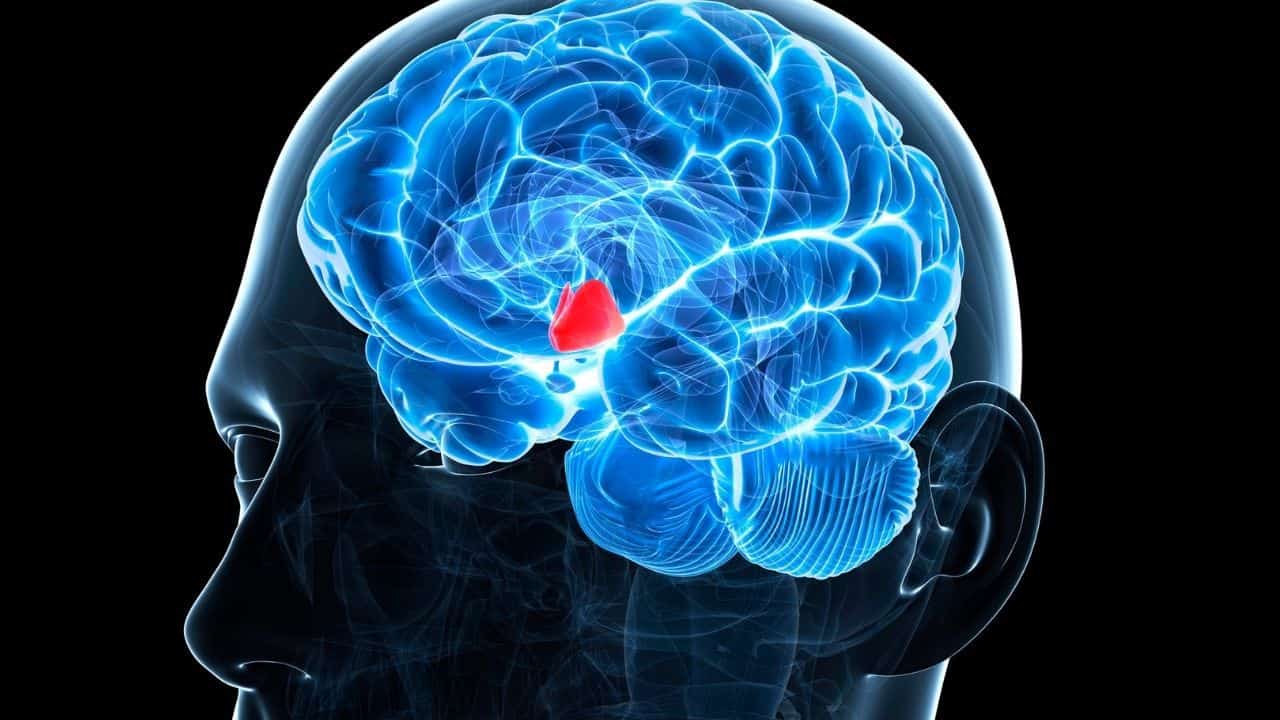
Here’s where the rubber meets the road. You can read about HPA axis modulation all day, but if you buy the wrong product or take it wrong, none of it matters.
The Beginner Protocol
If you’ve never taken adaptogens, start here:
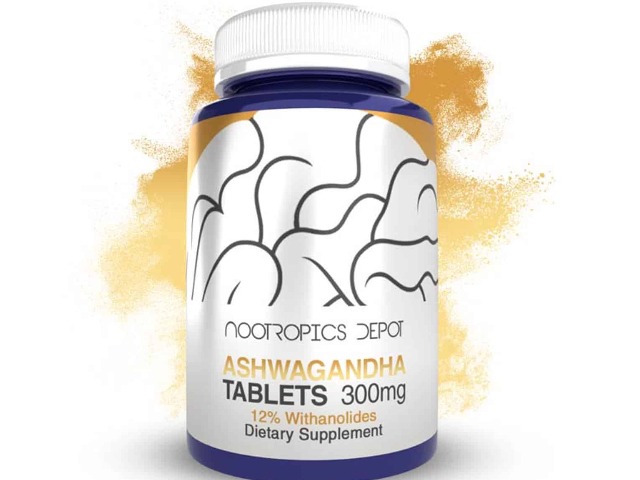
- Morning: Ashwagandha 300mg (KSM-66 extract) + Rhodiola rosea 200mg
- Cycle: 5 days on, 2 days off for 8 weeks, then reassess
- Why this works: Ashwagandha covers the cortisol/anxiety axis. Rhodiola covers fatigue/cognition. Together they hit the two most common complaints I hear from readers.
The Stress Stack (Intermediate)

Once you’ve established your baseline with the beginner protocol:
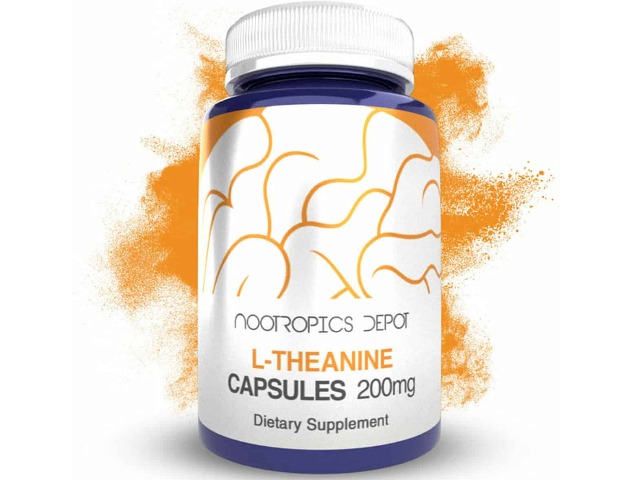
- Add L-Theanine 200mg with your morning coffee — it buffers the jittery edge while preserving alertness
- Consider Bacopa monnieri 300mg for long-term memory support (give this one 8–12 weeks to show effects)
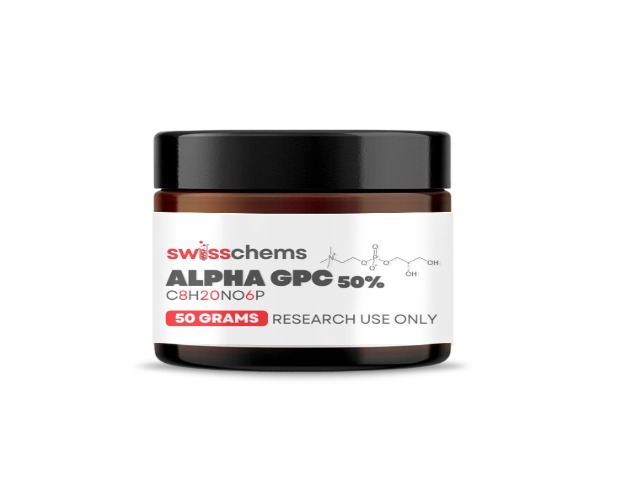
- For cholinergic support under cognitive load, Alpha-GPC 300mg rounds out the stack nicely
What to Look For (And What to Avoid)
| Feature | Buy This | Skip This |
|---|---|---|
| Extract type | Standardized (KSM-66, Shoden, SHR-5) | “Root powder” or unstandardized |
| Testing | Third-party (NSF, USP, ConsumerLab) | “Tested in-house” or no mention |
| Dose disclosure | Exact mg per capsule listed | ”Proprietary blend” |
| Price range | $15–40/month | Under $10 (usually junk) |
Pro Tip: KSM-66 and Shoden are the two patented ashwagandha extracts with the most clinical backing. If the label doesn’t specify which extract was used, assume it’s generic root powder — which has significantly lower bioavailability and inconsistent withanolide content.
Lifestyle Amplifiers
Adaptogens work best when your foundations are solid. They’re not a bandaid for a broken lifestyle:
- Sleep: 7–9 hours. Non-negotiable. Adaptogens help sleep quality, but they can’t replace sleep quantity.
- Movement: Even 20 minutes of walking amplifies HPA axis normalization.
- Meditation or breathwork: Research shows mindfulness practices compound the cortisol-lowering effects of adaptogens.
- Track your baseline: A simple saliva cortisol test before starting and 8 weeks in gives you actual data instead of guessing.
Safety, Side Effects, and Who Should Skip Them
Adaptogens have an excellent safety profile at recommended doses — that’s literally one of the three criteria for classification. But “safe for most people” isn’t the same as “safe for everyone.”
Common side effects (5–10% of users): mild GI upset, drowsiness (especially with ashwagandha at higher doses), and occasional headache during the first week.
Drug interactions to know about:
- Thyroid medications: Ashwagandha can enhance thyroid function — great if you’re subclinical, dangerous if you’re already on levothyroxine. Get levels checked.
- Sedatives/anxiolytics: Additive calming effects. Start low if you’re on benzos, gabapentin, or similar.
- Immunosuppressants: Adaptogens stimulate immune function. If you’re on post-transplant meds or treating autoimmune conditions, this is a direct conflict.
- Blood thinners: Some adaptogens (ginseng in particular) may affect platelet aggregation.
Who should avoid adaptogens entirely:
- Pregnant or breastfeeding (insufficient safety data)
- Bipolar disorder (ashwagandha may trigger manic episodes in susceptible individuals)
- Scheduled surgery (stop 2 weeks prior — potential interactions with anesthesia and blood clotting)
Important: If you’re on any prescription medication, run adaptogens past your doctor. Not because they’re dangerous — because the interactions are real and dose-dependent. This isn’t supplement-bro paranoia, it’s basic pharmacology.
My Take
I’ve tried most of the flashy nootropics — racetams, peptides, research chemicals with names that sound like serial numbers. Some of them work. Many of them are a gamble. Adaptogens are neither flashy nor a gamble. They’re the boring, reliable foundation that makes everything else work better.
If I could only recommend one supplement category to someone who’s never optimized anything, it would be adaptogens. Not because the effects are dramatic — they aren’t. Because the effects are sustainable, well-studied, and they address the root cause (chronic stress dysregulation) rather than just masking symptoms.
Start with ashwagandha and rhodiola. Give it 8 weeks. Track how you sleep, how you handle stress, how your energy holds up at 3 p.m. If you don’t notice a difference, you’re either one of the lucky people whose HPA axis is already dialed in — or you need to fix your sleep first.
The supplement industry wants you confused. It wants you chasing the next miracle molecule. Adaptogens aren’t miraculous. They’re just what works.