A few years ago I started noticing a pattern with my clients: the ones who struggled most with sleep, brain fog, and mood issues almost always had one thing in common. They were spending their evenings bathed in screen light — scrolling phones in bed, working on laptops until midnight, falling asleep with the TV on. When I asked them to change just this one habit, a surprising number reported meaningful improvements before we even touched their supplement protocols.
Blue light exposure after sunset is one of the most underestimated threats to cognitive health in the modern world. It’s not that blue light is inherently bad — your brain needs it from sunlight during the day to stay alert and calibrate your circadian clock. The problem is that we’ve engineered an environment where our eyes are flooded with high-energy blue wavelengths at precisely the times our biology expects darkness. The consequences for sleep quality, brain function, and long-term neurological health are significant and well-documented.
The Short Version: Blue light from screens and LED lighting suppresses melatonin by up to 50%, delays circadian timing by 1-2 hours, damages brain cell mitochondria through oxidative stress, and disrupts neurotransmitter balance. The most effective interventions are: avoiding screens 1-2 hours before bed, using blue-light filtering software after sunset, wearing blue-light blocking glasses for evening screen use, and supporting brain health with melatonin (low-dose for circadian resetting), L-theanine (alpha wave promotion), and magnesium L-threonate (GABA support and neuroprotection).
What Blue Light Is and Why Your Brain Cares
Visible light exists on a spectrum from red (lower energy, longer wavelengths around 620-750nm) to violet (higher energy, shorter wavelengths around 380-450nm). Blue light occupies the 450-495nm range — it’s the highest-energy visible light your eyes routinely encounter.
During the day, blue light from sunlight is a critical signal. It activates specialized retinal ganglion cells containing melanopsin, which communicate directly with the suprachiasmatic nucleus (SCN) — your brain’s master clock. This pathway tells your brain: “It’s daytime. Stay alert. Suppress melatonin. Maintain cortisol.” This is healthy and necessary.
The problem begins when artificial blue light hits your retinas after sunset. Your SCN can’t distinguish between sunlight and your smartphone — it just reads the blue wavelengths and keeps operating in “daytime mode.” The sources are everywhere:
- Smartphones and tablets (peak emission around 450-460nm)
- Laptops and computer monitors
- LED lighting (which skews heavily blue compared to incandescent bulbs)
- Television screens
- Even e-readers with backlighting
The average American now spends over 11 hours per day looking at screens. For your circadian biology, this is unprecedented — and the consequences cascade through multiple systems.
How Blue Light Wrecks Your Sleep
Melatonin Suppression
Melatonin is the hormone that initiates your transition to sleep. Under natural conditions, the pineal gland begins ramping up melatonin production as daylight fades, reaching peak levels around 2-4 AM.
Research demonstrates that blue light exposure in the evening suppresses melatonin secretion by approximately 50% and shifts its onset by 1-2 hours. Even brief exposure from a smartphone screen delays circadian timing measurably. A Harvard study found that blue light shifted circadian rhythms by twice as much as green light of comparable brightness.
This means that scrolling your phone for 30 minutes before bed doesn’t just make you less sleepy right now — it pushes your entire sleep-wake cycle forward, creating a deficit that accumulates over time. For a comprehensive approach to sleep optimization, see our guide on the best nootropics for sleep.
Disrupted Sleep Architecture
Even when you do fall asleep after blue light exposure, the quality of that sleep is compromised. Studies show reduced time in both deep sleep (N3) and REM sleep following evening blue light exposure. Since deep sleep is when physical repair occurs and REM sleep is when memory consolidation happens, this creates a double deficit: your body heals less and your brain learns less.
How Blue Light Directly Impairs Brain Function
Beyond sleep disruption, emerging evidence shows that blue light has direct effects on brain tissue and function.
Mitochondrial Damage
Your neurons’ mitochondria are vulnerable to blue light-induced oxidative stress. Research demonstrates that blue light exposure dysregulates mitochondrial energy production, increases reactive oxygen species (ROS), and can trigger apoptosis (programmed cell death) in neural tissue. Since your brain consumes roughly 20% of your body’s energy despite being only 2% of body weight, mitochondrial health is critical for cognitive function.
Neurotransmitter Disruption
Blue light shifts neurotransmitter levels away from optimal ranges. Dopamine, serotonin, norepinephrine, and acetylcholine — the signaling chemicals that regulate cognition, mood, attention, and memory — are all affected. This is one reason why chronic evening screen use is associated with increased rates of depression, anxiety, and attentional problems.
Neuroinflammation
Animal studies show that even a single blue light exposure can trigger inflammatory pathways in cognition-related brain regions for up to 24 hours afterward. In humans, blue light before bed impairs complex thinking, working memory, and information processing the following morning compared to other light wavelengths.
Brain imaging research reveals that individuals with major depression show heightened neural responses to blue light — suggesting that excessive blue light exposure may worsen depressive symptoms in vulnerable individuals.
Cumulative Long-Term Risk
The accumulating oxidative damage from chronic blue light exposure is theorized to contribute to long-term dementia risk. While definitive longitudinal data in humans is still emerging, the mechanism is biologically plausible: chronic mitochondrial damage plus chronic neuroinflammation plus chronic sleep disruption creates a compounding neurodegenerative risk.
Practical Strategies to Protect Your Brain
Block Blue Light After Sunset
Software filters are the easiest first step. Most operating systems now include built-in blue light reduction:
- iOS/macOS: Night Shift
- Android: Night Light
- Windows: Night Light
- Linux: Redshift
Set these to activate automatically at sunset. Third-party apps like f.lux offer more granular control and deeper color temperature adjustments.
Blue-light blocking glasses are essential if you must use screens in the evening. Look for glasses that block wavelengths below 500nm (amber or orange lenses). Clear “blue-light” glasses marketed by fashion brands typically block only 10-20% of blue light — not enough to meaningfully protect melatonin production.
The most effective intervention is the simplest: avoid screens entirely for 1-2 hours before bed. Replace screen time with reading physical books, conversation, gentle stretching, meditation, or any other non-screen activity. I know this is challenging in our device-dependent world, but even partial compliance makes a meaningful difference.
Optimize Your Light Environment
- Switch evening lighting to warm-toned bulbs (2700K or lower) or use salt lamps and candles
- Install dimmer switches and keep evening lighting at the lowest comfortable level
- Consider blackout curtains if outside light pollution reaches your bedroom
- Use red or amber nightlights if you need lighting for nighttime bathroom visits
Support Brain Recovery with Targeted Supplementation
While reducing blue light exposure is the primary intervention, certain supplements can mitigate lingering effects and support the neurological systems most affected:
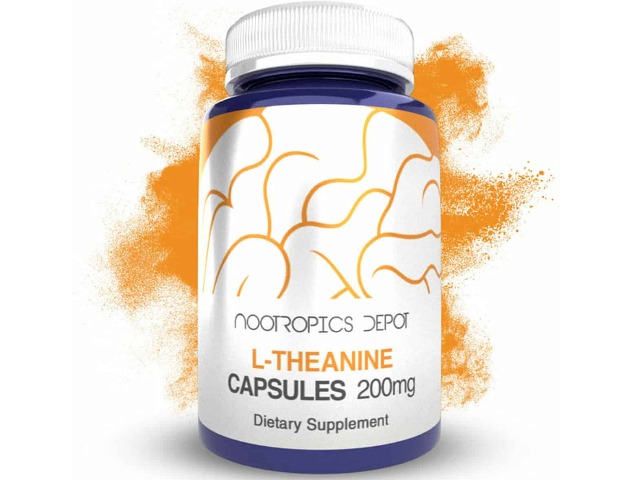
L-Theanine (200mg before bed) promotes alpha brain wave activity — the same brain waves that blue light suppresses. Research suggests blue light impairs cognition partly by reducing alpha wave power, making L-theanine a logical countermeasure. It also supports the transition from wakefulness to sleep without sedation.
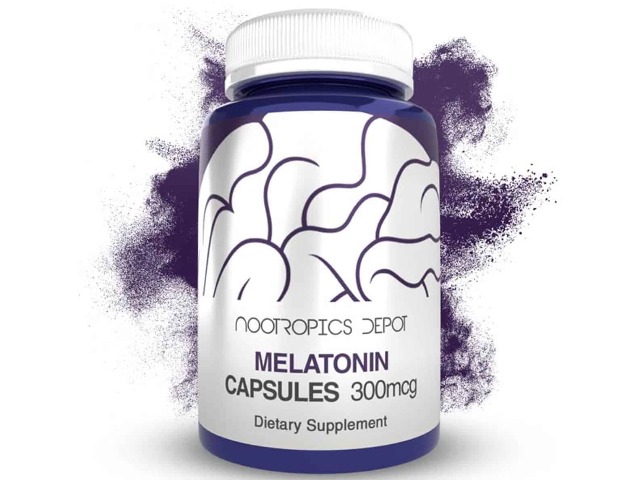
Melatonin (0.3-1mg, 30 minutes before bed) can help reset circadian timing disrupted by blue light. Use the lowest effective dose to avoid suppressing your body’s natural production. Best used as a short-term circadian correction tool rather than a nightly sleep aid.
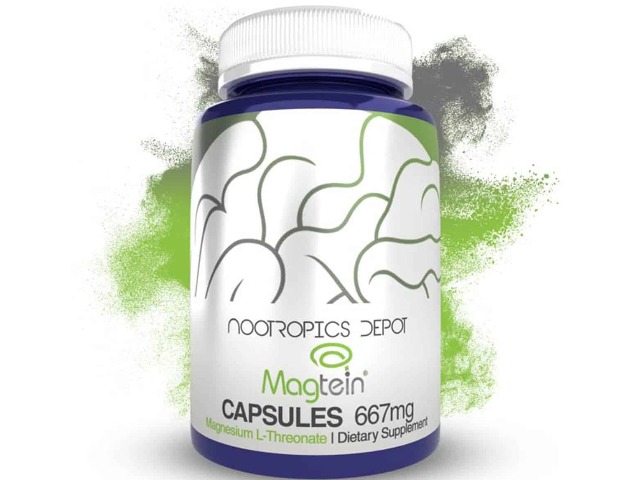
Magnesium L-Threonate supports GABA receptor function and crosses the blood-brain barrier more effectively than other magnesium forms. Since blue light impairs sleep partly through GABA disruption, this provides targeted support. See our complete magnesium guide.
Lion’s Mane Mushroom stimulates nerve growth factor (NGF) production, supporting the neuronal repair processes that are undermined by blue light-induced oxidative damage. Other medicinal mushrooms like reishi and cordyceps also provide mitochondrial support and anti-inflammatory benefits.
Phosphatidylserine is a phospholipid that supports neuronal membrane integrity — important given blue light’s effects on mitochondrial membranes and cellular stress.
Red light therapy may help counteract blue light damage through its regenerative effects on mitochondria and anti-inflammatory properties. See our full guide on the mental health benefits of red light therapy.
Establish a Screen-Free Wind-Down Routine
Creating a consistent pre-sleep routine that doesn’t involve screens is one of the highest-impact changes you can make:
- 60-90 minutes before bed: Dim all lights, put devices away or enable maximum blue light filtering
- 30-60 minutes before bed: Light yoga or stretching, meditation, breathwork, journaling, or reading a physical book
- At bedtime: Keep bedroom completely dark (blackout curtains) and cool (65-68 degrees F / 18-20 degrees C)
- If you wake at night: Avoid checking your phone. Use a red-light clock if you need to see the time.
FAQs
Is daytime blue light from screens also harmful?
During normal waking hours, blue light exposure is natural and beneficial — your brain needs it for alertness and circadian calibration. The problems arise specifically with exposure after sunset, when your biology expects darkness. That said, extremely prolonged screen time at any hour (10+ hours) contributes to eye fatigue and may have cumulative effects.
Can blue light damage my eyes?
Current evidence doesn’t show that blue light from typical screen use causes permanent eye damage or worsens vision. However, prolonged screen viewing does cause digital eye strain (asthenopia) — temporary discomfort, dryness, and fatigue. The 20-20-20 rule helps: every 20 minutes, look at something 20 feet away for 20 seconds.
Are blue-light blocking glasses worth buying?
Yes, if you genuinely can’t avoid evening screen use. But be selective — cheap clear-lens “blue light glasses” block minimal light. Look for amber or orange-tinted lenses that block wavelengths below 500nm. They should visibly change the color appearance of your screen. If they don’t, they’re not doing much.
How many hours before bed should I stop using screens?
The research supports a minimum of 1 hour, ideally 2 hours. If you can only manage 30 minutes, that’s still better than scrolling until lights-out. Every incremental reduction in pre-sleep blue light exposure translates to measurably better melatonin production.
My Take
Blue light management is one of the simplest, most impactful interventions I recommend. It costs nothing, requires no supplements, and produces noticeable results within days. When clients tell me they “can’t sleep” or experience persistent brain fog, the first question I ask is about their evening screen habits. More often than not, that’s where the fix starts.
The ideal approach combines light hygiene (reducing exposure) with targeted support (L-theanine, magnesium, low-dose melatonin when needed). But if you only do one thing from this entire article, make it this: put your phone in another room one hour before bed. Your sleep, your mood, and your cognitive function will thank you within a week.