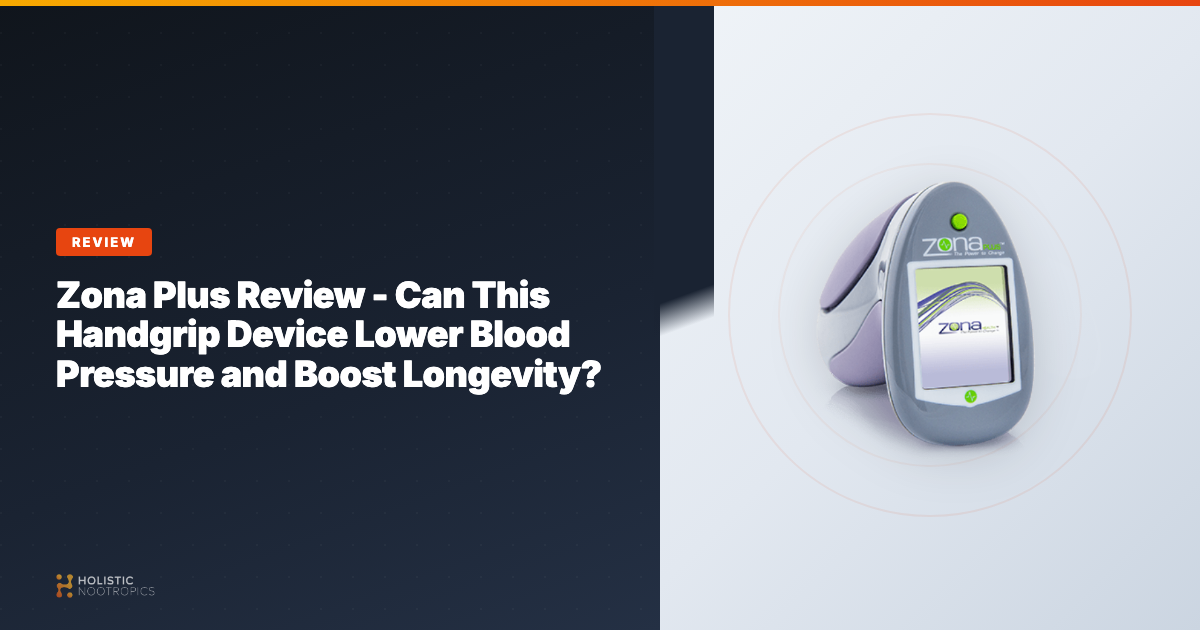
I’m always looking for biohacks that sit at the intersection of simple, evidence-based, and genuinely impactful. The Zona Plus hits all three. It’s a computer-controlled handgrip device that uses isometric exercise to stimulate nitric oxide release and lower blood pressure — and unlike most wellness gadgets, the science behind it is substantial.
Hypertension is one of those slow-moving health crises that most people don’t take seriously until something goes wrong. It increases your risk of cardiovascular disease, stroke, cognitive decline, and overall mortality. It’s also deeply connected to brain health — chronic high blood pressure damages the small blood vessels that supply your brain, contributing to vascular dementia and accelerated cognitive aging. For more on this connection, see our article on blood pressure and cognition.
I’ve been using the Zona Plus for over a year now, and in this review I’ll break down the science, my personal experience, and where this device fits in a holistic approach to cardiovascular and cognitive health.
The Short Version: The Zona Plus uses personalized isometric handgrip exercise to stimulate nitric oxide release, a natural vasodilator that lowers blood pressure. The device is backed by 20+ clinical studies, endorsements from the American Heart Association and Mayo Clinic, and consistent evidence showing systolic and diastolic blood pressure reductions. Beyond blood pressure, handgrip strength is one of the strongest predictors of all-cause mortality and cognitive function in the research literature. The Zona Plus makes targeted isometric handgrip training accessible and calibrated to your individual strength level.
What the Zona Plus Is and How It Works


The Zona Plus is a handheld, computer-controlled device that automatically calibrates to your grip strength and creates personalized isometric exercise sessions. You squeeze the device according to visual prompts — it tells you when to push harder, when to ease off, and when to rest.
The core mechanism is isometric contraction — you’re contracting your muscles against the device’s resistance without any joint movement. This specific type of exercise has been shown to trigger a sustained release of nitric oxide (NO), a molecule that relaxes and dilates blood vessels.
A typical session looks like this:
- Warm-up (1 minute per hand) — the device measures your baseline grip strength
- Working sets (12 minutes total) — alternating 2-minute squeeze sessions between hands, with rest intervals
- Biofeedback — real-time visual cues guide your effort level, keeping you in the optimal zone for nitric oxide release without overexertion
The biofeedback element is what separates the Zona Plus from a basic hand exerciser. The algorithm adjusts your target effort in real time based on your performance, functioning like a personal trainer that keeps you in the therapeutic range. You could theoretically get a similar physiological response from any handgrip device, but without biofeedback most people either under-exert (getting no benefit) or over-exert (potentially raising blood pressure acutely).
The device also includes an app for tracking your progress and integrates with fitness dashboards for longitudinal analysis.
The Science Behind Isometric Handgrip Training
Blood Pressure Reduction
The concept originated with Dr. Ronald L. Wiley, a cardiopulmonary physiologist working for the U.S. Air Force in the 1970s. While studying how to protect fighter pilots from g-force-induced blackout, he discovered that squeezing a steel rod during flight simulations not only improved g-force tolerance but also lowered blood pressure. This observation launched decades of research into isometric exercise as a hypertension intervention.
The evidence base is now robust:
- A 2013 systematic review and meta-analysis found that isometric handgrip training was superior to both endurance training and dynamic resistance training for reducing systolic blood pressure. This is a remarkable finding — a 12-minute handgrip session outperforming traditional exercise modalities for blood pressure control.
- Additional meta-analyses from 2014 and 2016 confirmed significant reductions in both systolic and diastolic blood pressure with isometric exercise protocols.
- A 2019 study in healthy participants demonstrated significant drops in systolic blood pressure, diastolic blood pressure, and mean arterial pressure with Zona Plus specifically.
- A 2020 randomized controlled trial published by the American Heart Association in patients with peripheral artery disease showed improved local vascular function and decreased diastolic blood pressure over 8 weeks of Zona Plus use.
The American Heart Association, the Mayo Clinic, and the Harvard Health Letter have all endorsed isometric handgrip exercise as part of a hypertension management strategy. To date, over 20 clinical studies have been published on the Zona Plus specifically, appearing in peer-reviewed journals including the Journal of Hypertension and International Journal of Cardiology.
Important note: The Zona Plus is not currently FDA-approved as a medical device. The company is pursuing clinical studies for eventual FDA approval. It should be considered a complementary tool alongside, not a replacement for, medical hypertension treatment.
Handgrip Strength and Longevity
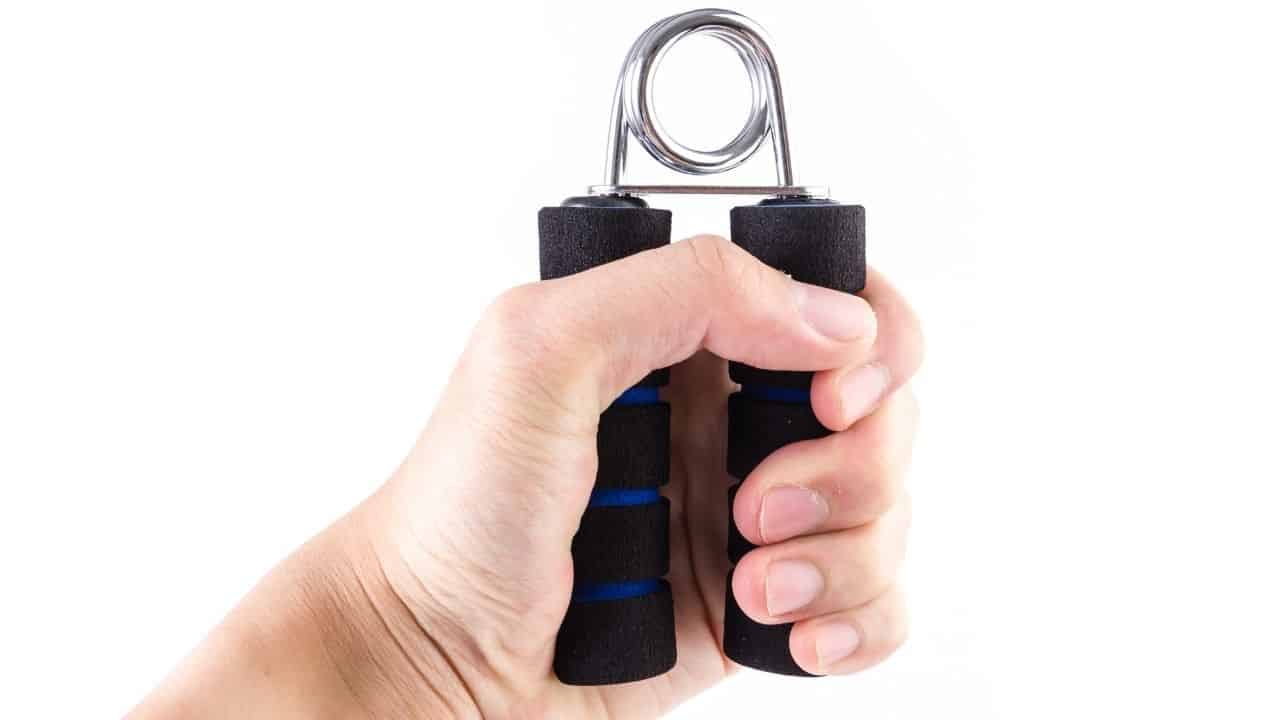
Beyond blood pressure, handgrip strength itself is one of the most powerful biomarkers in the longevity research:
- A massive study of half a million participants found that weak handgrip strength was associated with significantly greater risk of all-cause mortality — meaning people with stronger grips live longer, period.
- In younger adults, weak handgrip strength predicted increased risks of hypertension, coronary heart disease, and stroke — suggesting grip strength reflects systemic cardiovascular health, not just hand muscle function.
- Multiple additional studies have drawn similar conclusions: handgrip strength is a reliable proxy for overall health status and a predictor of future disability, morbidity, and mortality across the lifespan.
This makes intuitive sense when you understand the mechanism. Grip strength correlates with total body muscle mass, cardiovascular fitness, and inflammatory status. It’s not that a strong grip directly prevents disease — it’s that the same factors that maintain grip strength (physical activity, good nutrition, low inflammation) also prevent chronic disease.
Handgrip Strength and Cognitive Function
This is where things get particularly relevant for a nootropics-focused audience:
- Korean longitudinal studies found that greater handgrip strength was associated with higher cognitive function scores in elderly populations
- Hypertension patients with better handgrip strength showed improved cognitive performance
- In young adults, better handgrip strength was correlated with increased cerebral blood flow — the direct mechanism linking cardiovascular fitness to brain function
The connection is straightforward: stronger cardiovascular system means better blood delivery to the brain, which means more oxygen and glucose for neural activity. Combine this with the blood pressure-lowering effects (reducing vascular damage to brain blood vessels) and you have a compelling case for handgrip training as a cognitive health intervention.
For more on how blood pressure affects brain function, see our article on blood pressure and cognition.
My Experience with the Zona Plus
The Zona Plus is genuinely one of the easiest biohacks I’ve incorporated into my routine. The setup was straightforward, the calibration was automatic, and the biofeedback system made the actual workouts almost mindless — I do my sessions while watching TV or listening to podcasts on the couch.
You don’t have to count reps, track sets, or think about programming. The device handles all of that. You just follow the prompts: squeeze harder, squeeze less, rest, switch hands.
That said, the workouts aren’t effortless. The algorithm pushes you to the edge of your capacity, and there are plenty of moments during each session where the burn is real and I want it to be over. But hanging in until the end is worth it — the nitric oxide release afterward produces a tangible sense of relaxation that spreads through your whole body. It’s a similar feeling to the post-exercise calm after a hard workout, just more localized and less time-intensive.
I have naturally low blood pressure, so I can’t use the device as frequently as someone with hypertension might. But I find it especially helpful during high-stress periods when my cardiovascular system is under more load. The calming effect post-session is noticeable and lasts for hours.
Complementary Strategies for Cardiovascular and Cognitive Health
The Zona Plus works best as part of a broader cardiovascular optimization strategy. Here are the supplements and interventions I pair with it:
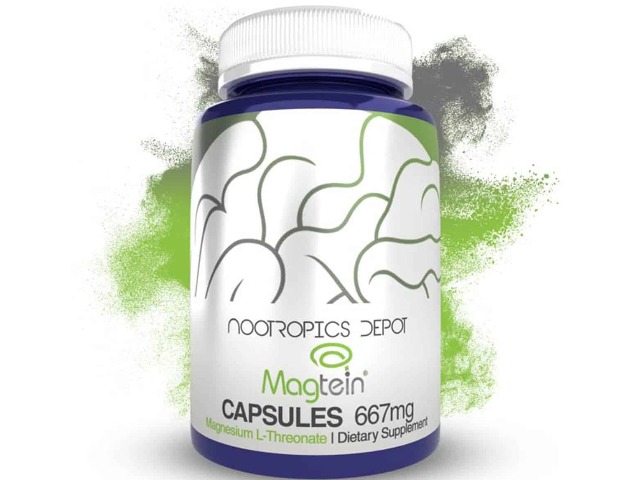
Magnesium L-Threonate — supports healthy blood pressure through vasodilation and reduces vascular stiffness. The L-threonate form also crosses the blood-brain barrier, providing direct cognitive benefits. See our magnesium guide.
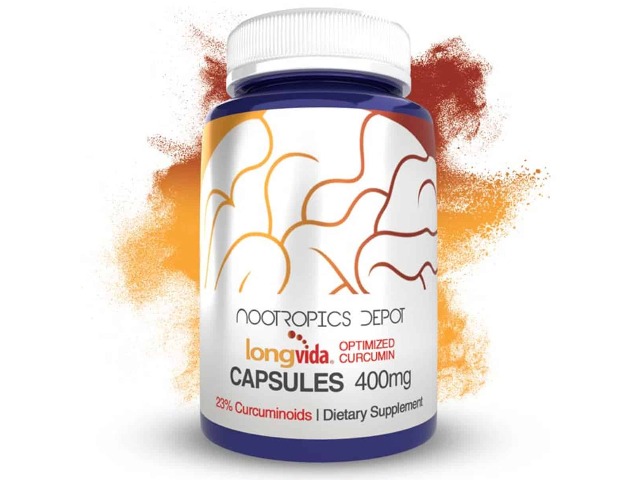
Curcumin — improves endothelial function (the health of blood vessel linings) and reduces the chronic inflammation that drives hypertension and vascular damage. Lipid-based formulations (Longvida, Meriva) have the best bioavailability. See our curcumin brain benefits guide.
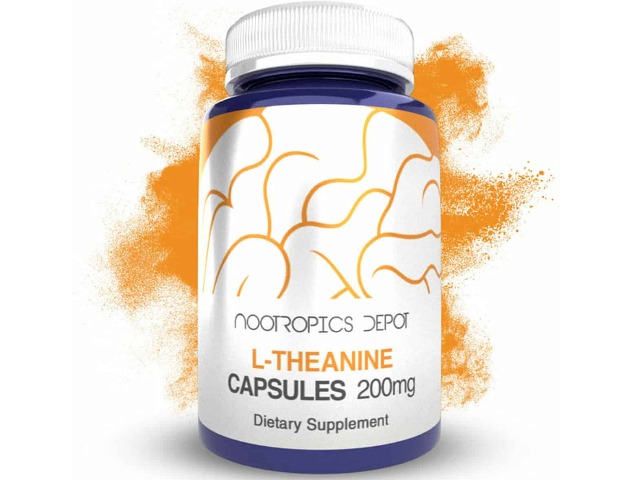
L-Theanine — promotes relaxation and reduces stress-related blood pressure spikes without sedation. Particularly useful paired with the Zona Plus for managing acute stress responses.
Regular aerobic exercise — while the Zona Plus targets blood pressure specifically through isometric mechanisms, it doesn’t replace the broader cardiovascular benefits of aerobic exercise. Walking, running, cycling, or swimming 3-5 times per week provides complementary benefits for heart health, BDNF production, and cognitive function. See our exercise and brain health guide.
Breathwork — vagal toning through slow breathing exercises (4-7-8 breathing, box breathing) complements the nitric oxide release from handgrip training. Both approaches lower blood pressure through parasympathetic activation. See our article on breathing exercises to reduce stress.
Who Should Consider the Zona Plus?
Best candidates:
- Anyone with elevated blood pressure looking for a natural complementary intervention
- People interested in longevity optimization — handgrip strength is one of the strongest mortality predictors available
- Knowledge workers wanting to support cerebral blood flow and cognitive function through cardiovascular fitness
- Biohackers looking for a low-effort, high-impact addition to their routine
Use with caution:
- People with very low blood pressure (like me) should limit session frequency
- Anyone on blood pressure medication should consult their physician before starting, as the combined effect could lower pressure too far
- The Zona Plus is not a replacement for prescribed hypertension treatment
FAQs
How long does it take to see blood pressure results?
Most studies show measurable blood pressure reductions within 4-8 weeks of consistent use (5-6 sessions per week). Some users report feeling the acute vasodilatory effect — a sense of relaxation and warmth — after individual sessions.
Can I use a regular hand exerciser instead?
You could achieve a similar physiological response with any handgrip device, but the Zona Plus’s biofeedback algorithm is what ensures you’re in the therapeutic range. Most people squeezing a basic gripper either don’t squeeze hard enough or squeeze too hard — both of which reduce effectiveness. The calibrated approach is what the clinical studies validated.
Does handgrip training replace cardio exercise?
No. Isometric handgrip training targets blood pressure specifically through nitric oxide release. It doesn’t provide the same aerobic conditioning, calorie burn, BDNF enhancement, or metabolic benefits as traditional cardiovascular exercise. Think of it as a targeted complement to a broader fitness routine.
Is the Zona Plus worth the investment?
If blood pressure management and longevity optimization are priorities for you, yes. The evidence base is strong, the time investment is minimal (12 minutes per session), and the ease of use means you’ll actually stick with it. For a biohack with this level of research support, the price is reasonable.
My Take
The Zona Plus sits in a sweet spot that’s rare in the biohacking world: minimal effort, substantial evidence, and meaningful results. I’ve tried dozens of devices, supplements, and protocols over the years, and this is one of the few that stayed in my rotation long-term.
The 12 minutes on the couch while watching TV has become an effortless part of my evening routine. Paired with magnesium L-threonate, curcumin, and regular exercise, it’s a key piece of my cardiovascular and cognitive optimization stack. If you’re serious about long-term brain health and longevity, blood pressure management is non-negotiable — and the Zona Plus makes it about as easy as it can possibly be.