

- Promotes sustained wakefulness without hyperactivity
- Selectively increases dopamine levels in the brain
- Fewer potential drug interactions than modafinil
- May support focus and mental endurance
I’ll be honest with you — I almost didn’t write this article.
Not because flmodafinil isn’t interesting. It is. The preclinical data is genuinely impressive. But because the gap between what the research actually shows and what the internet claims about this compound is wide enough to drive a truck through. And I’ve watched too many people in the nootropics community get burned by hype that outruns the evidence.
So here’s what I’m going to do: give you the real story. The promising science, the uncomfortable unknowns, and an honest assessment of whether this belongs anywhere near your supplement shelf.
The Short Version: Flmodafinil is a next-generation modafinil analog that appears more potent per milligram, longer-lasting, and less likely to cause drug interactions — based entirely on animal studies. No human clinical trials have been published. If you’re considering it, you need to understand that you’re essentially self-experimenting with a research chemical, and this guide will help you do that as intelligently as possible.
What Is Flmodafinil?
Flmodafinil — also known as lauflumide, bisfluoromodafinil, CRL-40,940, or NLS-4 — is a synthetic wakefulness-promoting agent and the bisfluoro analog of modafinil. In plain English, it’s modafinil’s newer cousin with two extra fluorine atoms bolted onto its molecular structure.
Those two fluorine atoms matter more than you’d think. They increase the compound’s lipophilicity (its ability to dissolve in fats), which likely helps it cross the blood-brain barrier more efficiently. This is probably why animal studies consistently show it working at lower doses than modafinil itself.
The compound was patented in 2013 by researchers associated with Université Paris-Sud, and NLS Pharmaceutics in Switzerland has been developing it under the designation NLS-4 since around 2015. They’ve been investigating it for chronic fatigue syndrome, idiopathic hypersomnia, narcolepsy, ADHD, and Long-COVID fatigue. As of 2025, it remains in preclinical development — it has never been approved by the FDA or any regulatory body for human use.
Here’s what makes flmodafinil’s regulatory status unusual: unlike modafinil, which is a Schedule IV controlled substance in the US, flmodafinil is currently unscheduled. It occupies a legal gray area — not approved, but not explicitly prohibited. This is why you’ll find it sold through online research chemical vendors rather than pharmacies.
Reality Check: The fact that something is unscheduled doesn’t mean it’s safe or well-understood. It often just means regulators haven’t gotten around to it yet. Approach this compound with the respect you’d give any pharmacologically active substance.
How Does Flmodafinil Work?
Think of dopamine as your brain’s “this matters, pay attention” signal. When dopamine hangs around in your synapses longer, you feel more alert, more focused, more motivated. That’s essentially what flmodafinil does — it blocks the molecular vacuum cleaner (the dopamine transporter) that normally sucks dopamine back up after it’s released.
The technical details are worth knowing. Flmodafinil acts primarily as a selective atypical dopamine reuptake inhibitor. Preliminary findings suggest it blocks approximately 83% of dopamine transporter activity — which is actually higher than methylphenidate (Ritalin). But here’s the critical distinction: unlike traditional stimulants, it appears to do this without significant peripheral adrenergic effects. Translation: alertness without the racing heart and jitters that come with many stimulants.
A 2019 study published in the European Journal of Neuroscience showed that both enantiomers (mirror-image forms) of flmodafinil elevated extracellular dopamine in rat nucleus accumbens to 220–308% of baseline at the highest tested dose, compared to roughly 220% for modafinil. More importantly, flmodafinil’s effects on dopamine levels persisted beyond 60 minutes at approximately 200% of baseline, while modafinil’s effects dissipated within about 40 minutes.
So what does that mean practically? If the animal data translates to humans — and that’s a significant “if” — flmodafinil likely provides a stronger and longer-lasting boost to dopamine-driven alertness and motivation than modafinil, potentially at lower doses.
One more mechanistic advantage worth highlighting: unlike modafinil, flmodafinil does not induce cytochrome P450 enzymes (specifically CYP3A4 and CYP3A5) in human cell cultures. This is a big deal. Modafinil’s CYP induction is why it can reduce the effectiveness of hormonal contraceptives and interact with dozens of other medications. Flmodafinil appears to sidestep this problem entirely.
Benefits of Flmodafinil
Let me be upfront about the evidence landscape here. Every benefit I’m about to discuss comes from animal studies or anecdotal user reports. There are zero published human clinical trials. I’m going to give you the data honestly and let you make your own assessment.
Potent Wakefulness Promotion
The strongest evidence comes from a 2018 study published in Frontiers in Neuroscience. Researchers found that NLS-4 at 64 mg/kg induced approximately 151 minutes of additional wakefulness in mice, compared to modafinil’s roughly 110 minutes at 150 mg/kg — a dose that was 2.3 times higher. The quality of wakefulness was notable too: the researchers described it as “normal, high-quality wakefulness without hyperactivity or stereotypic behaviors.”
Cleaner Recovery Sleep
Here’s where it gets interesting. After the wake-promoting effects wore off, mice given NLS-4 showed less NREM sleep disruption and lower delta activity during recovery sleep compared to modafinil. In practical terms, this suggests flmodafinil may accumulate less “sleep debt” than modafinil — meaning your recovery sleep is more restorative. No rebound hypersomnia was observed with either compound.
Selective Dopamine Enhancement
The dopamine data I mentioned earlier suggests flmodafinil produces sustained, dose-dependent increases in extracellular dopamine. The selectivity is important — it’s not flooding your brain with every neurotransmitter at once. This targeted mechanism is what gives eugeroics their reputation for “clean” stimulation compared to amphetamines.
Fewer Drug Interactions
The lack of CYP450 enzyme induction isn’t just a pharmacological footnote — it’s a genuine practical advantage for anyone taking other medications. If this holds up in human studies, it would make flmodafinil a meaningfully safer option than modafinil for people on hormonal contraceptives, immunosuppressants, or other CYP3A4-metabolized drugs.
Reality Check: I want to be crystal clear — none of these benefits have been confirmed in human clinical trials. The animal data is genuinely promising, but the history of pharmacology is littered with compounds that looked incredible in mice and fell flat in humans. Treat these findings as encouraging signals, not established facts.
How to Take Flmodafinil
Since no clinical trials have established safe or effective human dosing, everything in this section comes from anecdotal reports within the nootropics community. Treat these as data points, not prescriptions.
Starting dose: 50 mg, taken in the morning. This is reportedly comparable to 100–200 mg of modafinil for most people.
Common range: 50–150 mg per day. Most experienced users seem to settle around 50–100 mg.
Onset: Effects typically begin within 1–2 hours, with users describing a gradual ramp-up of alertness rather than a sudden kick.
Peak effects: 2–4 hours after dosing.
Duration: Active effects last 8–10 hours, with residual wakefulness reported for 12–16+ hours in some individuals. The estimated half-life is 12–15 hours.
Timing matters. Given the long duration, take it in the morning or very early afternoon. An afternoon dose will almost certainly interfere with your sleep, and undermining your sleep quality to feel alert during the day is the definition of a bad trade.
Available forms: Capsules (typically 50 mg), powder (for volumetric dosing), and liquid solutions from research chemical vendors.
Pro Tip: Start at 50 mg and stay there for at least a full week before even considering an increase. Individual responses to eugeroics vary enormously. Some people feel nothing at 50 mg while others find it overwhelming. Give your body time to show you where you land on that spectrum.
Cycling: No established protocols exist. Some users report taking it 4–5 days per week for two months without apparent tolerance buildup. Whether this represents genuine tolerance resistance or just small sample sizes and confirmation bias is anyone’s guess. Periodic breaks seem prudent until more is known.
Side Effects and Safety
Commonly Reported Side Effects
Based on user reports — not clinical data — the most frequently mentioned side effects include headaches, insomnia (especially with late dosing), mild anxiety, and reduced appetite. Less commonly reported: GI discomfort, dry mouth, and irritability.
The patent documentation states that flmodafinil has “fewer and milder side effects than modafinil,” but this claim lacks the human trial data to back it up.
Who Should Avoid Flmodafinil
Given its mechanism as a dopamine reuptake inhibitor and stimulant-class agent, the following groups should steer clear:
- Anyone with cardiac conditions — stimulant-class effects on heart rate and blood pressure are a concern
- Individuals with anxiety disorders — dopaminergic stimulation can worsen anxiety
- People with a history of substance use disorders — any dopaminergic compound carries theoretical dependence risk
- Anyone taking MAOIs, other stimulants, or dopaminergic medications
- Pregnant or nursing women — absolutely zero safety data exists
Important: There is no long-term human safety data for flmodafinil. None. This means we don’t know what happens with chronic use over months or years. The dopaminergic mechanism raises legitimate theoretical concerns about tolerance and dependence, even though animal studies showed no rebound hypersomnia. If you choose to use this compound, you are accepting unknown long-term risks.
Drug Interactions
The good news: flmodafinil’s lack of CYP3A4/5 induction means it’s theoretically less likely than modafinil to interfere with hormonal contraceptives, immunosuppressants, and many other common medications.
The caution list: other stimulants (stacking dopaminergic compounds is asking for trouble), SSRIs and SNRIs (theoretical serotonin-related concerns), MAOIs (dangerous interaction potential), and blood pressure medications.
The honest answer: the full interaction profile has never been characterized in humans.
Stacking Flmodafinil
If you’re going to use flmodafinil, strategic combinations can potentially smooth out side effects and complement its mechanism. A few evidence-informed pairings:
Flmodafinil + L-Theanine (100–200 mg): L-Theanine’s calming GABAergic effects may help take the edge off stimulatory side effects without dulling alertness. This is the same logic behind the well-studied caffeine + L-Theanine combination.
Flmodafinil + a choline source (Alpha-GPC or Citicoline): Headaches are the most commonly reported side effect with eugeroics, and they’re often linked to increased acetylcholine demand. A choline source addresses this directly and supports broader cognitive function.
Flmodafinil + Creatine Monohydrate: Creatine supports brain energy metabolism through a completely different pathway (ATP recycling). There’s no mechanistic overlap, just complementary cognitive support.
Flmodafinil + Magnesium (glycinate or threonate form): Magnesium can help with muscle tension during the day and support sleep quality after flmodafinil’s effects wear off. Magnesium L-Threonate specifically crosses the blood-brain barrier.
Avoid combining with: Other eugeroics like modafinil or adrafinil (redundant mechanism, excessive dopaminergic stimulation), amphetamines, MAO inhibitors, or high-dose caffeine. The goal is synergy, not a dopamine free-for-all.
My Take
Here’s where I land on flmodafinil after digging through the available research.
The preclinical science is genuinely compelling. A wake-promoting agent that’s more potent per milligram than modafinil, produces cleaner recovery sleep, and doesn’t mess with CYP450 enzymes? On paper, that’s a meaningful upgrade. The 2018 and 2019 studies are well-designed animal research, and the NLS Pharmaceutics preclinical data on fatigue models is encouraging.
But — and this is a big but — we’re still talking about a compound with zero published human clinical trials. In my years of covering nootropics, I’ve seen plenty of “revolutionary” compounds with great animal data that either didn’t translate to humans, turned out to have unforeseen side effects, or simply disappeared into pharmaceutical purgatory. NLS Pharmaceutics has been in preclinical development since 2015. That’s a long time without moving to human trials.
Who this is best for: If you’re already experienced with modafinil and comfortable navigating research chemicals, and you’ve found that modafinil’s CYP450 interactions or sleep disruption are genuine problems for you, flmodafinil might be worth investigating. You’re looking at a potentially cleaner version of a compound you already understand.
Who should try something else: If you’re new to nootropics, start somewhere with actual human clinical data. Modafinil itself has decades of research. Bacopa Monnieri and Lion’s Mane have human trials supporting cognitive benefits. Build your foundation with well-studied compounds before venturing into research chemical territory.
And honestly? Before you reach for any eugeroic, make sure your sleep hygiene, nutrition, and stress management aren’t the actual bottleneck. I spent years chasing the perfect wakefulness compound when what I really needed was to stop staring at screens until 1 AM and eat something that wasn’t takeout. The boring basics outperform every research chemical I’ve ever tried.
If you do decide to try flmodafinil, source it from a vendor that provides third-party Certificates of Analysis with HPLC testing, start at the lowest dose, and keep a journal of effects. You’re running an n=1 experiment — treat it with the rigor that deserves.
Recommended Flmodafinil Products
I know how frustrating it is to sort through dozens of brands making the same claims. These are the ones I've personally vetted — because quality is the difference between results and wasted money.
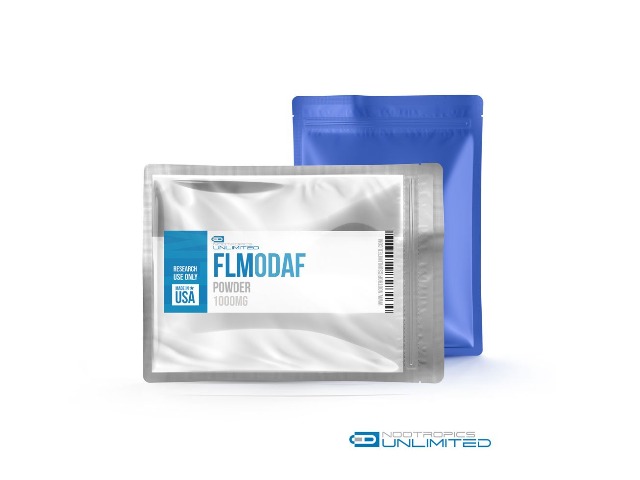
Flmodafinil by Nootropics Unlimited
Shop Now →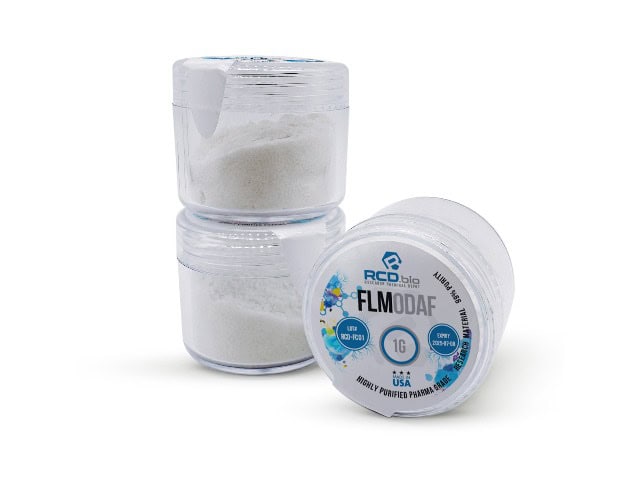
FLModafinil CRL-40940 Powder by Research Chemical Depot
Shop Now →Disclosure: These are affiliate links. I earn a small commission if you purchase — at no extra cost to you. I only recommend products I personally use or have thoroughly researched.
Research & Studies
This section includes 2 peer-reviewed studies referenced in our analysis.