
- Promotes deep, restorative sleep
- Reduces neuroinflammation and oxidative stress
- Supports GABA and serotonin signaling
- May enhance memory consolidation
I used to think sleep supplements were mostly placebo—until I discovered I’d been chronically under-sleeping for years and my brain was quietly falling apart. The irony? I was taking stimulants during the day to compensate for awful sleep, then wondering why I felt wired-and-tired by 9 PM.
Enter oleamide: a compound your brain actually makes on its own when it’s time to sleep. It’s not melatonin. It’s not a sedative in the traditional sense. It’s more like your brain’s natural “shutdown signal”—except most of us aren’t making enough of it anymore.
The Short Version: Oleamide is an endogenous fatty acid amide that promotes sleep by modulating GABA and serotonin receptors while providing neuroprotective benefits through reduced inflammation and oxidative stress. Best for people struggling with sleep quality rather than sleep onset, typically dosed at 100-300mg in the evening. The research is promising but still developing—this isn’t a magic bullet, but it’s a fascinating tool for sleep and brain health.
What Is Oleamide? (Your Brain’s Natural Sleep Signal)
Oleamide is a fatty acid amide—essentially a modified version of oleic acid (the primary fat in olive oil) with an amide group attached. Your brain synthesizes it naturally, and concentrations rise during sleep deprivation, which led researchers to identify it as an endogenous sleep-inducing molecule in the 1990s.
Here’s what makes it interesting: oleamide accumulates in your cerebrospinal fluid when you’re awake and drops during sleep. The longer you stay awake, the more builds up. It’s like a biological sleep pressure gauge. When levels get high enough, they signal your brain that it’s time to power down.
The compound was first isolated from the cerebrospinal fluid of sleep-deprived cats in 1995 by Benjamin Cravatt’s lab at Scripps Research Institute. Since then, it’s been studied for its effects on sleep architecture, neuroprotection, and even cognitive function. Unlike pharmaceutical sleep aids that force sedation through brute-force GABAergic activity, oleamide works more subtly—enhancing your brain’s natural sleep mechanisms rather than overriding them.
Most people approach sleep supplements backwards. They’re looking for the strongest knockout punch when what they actually need is support for the systems that regulate healthy sleep-wake cycles. That’s where oleamide fits—it’s not about chemically clubbing yourself unconscious, it’s about helping your brain do what it’s already trying to do.
How Does Oleamide Work? (The Multi-System Approach)
Oleamide doesn’t just flip one switch—it modulates multiple neurotransmitter systems simultaneously, which explains both its effectiveness and its complexity.
The GABAergic Connection
Oleamide acts as a positive allosteric modulator of GABA_A receptors, particularly the α1β2γ2L and α1β1γ2L subtypes. In plain English: it makes your brain’s primary “calm down” neurotransmitter work more effectively. Unlike benzodiazepines that bind directly to GABA receptors and force them open, oleamide works through a distinct binding site, enhancing GABA’s natural activity without the same dependence risk.
This matters because GABA is your brain’s brake pedal. When it’s working properly, you can transition smoothly from “awake and alert” to “calm and ready for sleep.” When it’s not—whether due to stress, inflammation, or neurochemical imbalances—you get that wired-but-tired feeling where your body is exhausted but your brain won’t shut up.
A 2001 study in Experimental Neurology found that oleamide administration in rats produced dose-dependent increases in slow-wave sleep (the deep, restorative kind) without significantly altering REM sleep architecture. That’s the sweet spot—enhancing sleep quality without disrupting the natural cycling your brain needs for memory consolidation and restoration.
Serotonin Modulation
Oleamide also interacts with multiple serotonin receptor subtypes—5-HT2A, 5-HT2C, and 5-HT7—creating a complex neuropharmacological profile that goes beyond simple sedation. The serotonergic system regulates mood, sleep-wake transitions, and cognitive processes, so oleamide’s activity here contributes to both its sleep-promoting and potential cognitive effects.
This is where it gets interesting for people using it beyond just sleep. Serotonin and GABA work together to regulate everything from anxiety to working memory. By modulating both systems, oleamide creates a balanced neurochemical environment that supports relaxation without the cognitive dulling you get from many sedatives.
Neuroinflammation and Neuroprotection
Here’s where oleamide surprised me: it’s not just a sleep aid—it’s a legitimate neuroprotective compound. Oleamide suppresses microglial activation through P2Y G-protein-coupled receptors, particularly the P2Y1 subtype. Microglia are your brain’s immune cells, and when they’re chronically activated (which happens with poor sleep, stress, aging, and metabolic dysfunction), they pump out inflammatory cytokines that damage neurons.
Oleamide reduces this inflammation while also inhibiting calpain—a calcium-activated protease that can wreak havoc on cellular structures when overactivated. By preventing excessive calpain activity, oleamide helps maintain cellular antioxidant defenses and reduces the production of reactive oxygen species.
So what does this actually mean?
If you’re chronically sleep-deprived (which most people reading this probably are), your brain is inflamed. That inflammation interferes with neuroplasticity, memory formation, and cognitive performance. Oleamide addresses both the symptom (poor sleep) and one of the underlying causes (neuroinflammation), which is why some users report cognitive benefits beyond just “I slept better.”
Benefits of Oleamide (What the Research Actually Shows)
Let’s be clear about the evidence base: oleamide research is promising but still developing. Most studies are in rodents, and the human data is limited. That said, the mechanisms are well-characterized, and the anecdotal reports are consistent enough to take seriously.
Sleep Quality and Architecture
The strongest evidence is for sleep. A 2001 study in Experimental Neurology showed oleamide increased slow-wave sleep and reduced sleep latency (time to fall asleep) in rats without disrupting REM sleep. A separate 2001 study in Neuroscience Letters found memory-enhancing effects, suggesting oleamide’s sleep promotion doesn’t come at the cost of cognitive function—it may actually improve it through better sleep-dependent memory consolidation.
Reality Check: These are animal studies, not human clinical trials. But the mechanisms align with what we know about endogenous sleep regulation, and user reports consistently mention improved sleep depth rather than just faster sleep onset.
Cognitive Enhancement
This is where it gets speculative but intriguing. A 2004 study in Bioscience, Biotechnology, and Biochemistry found oleamide increased choline acetyltransferase activity (the enzyme that makes acetylcholine) and improved cognitive performance in mice. A 2018 study in Brain Research found the cognitive effects of oleamide varied based on circadian timing—it enhanced learning during rest phases but impaired it during active phases.
Translation: oleamide might support cognition indirectly by improving sleep quality, but taking it during the day could backfire. This is a nighttime compound, not a daytime nootropic.
Most recently, a 2024 study in Neuroscience Research found that fatty acid amides (including oleamide) from Camembert cheese improved cognitive decline in mice after oral administration. Yes, cheese. The research is preliminary, but it suggests dietary sources of oleamide and related compounds might have neuroprotective benefits.
Neuroinflammation Reduction
The anti-inflammatory effects are well-documented in cellular and animal models. Oleamide’s ability to suppress microglial activation and reduce pro-inflammatory cytokine production makes it relevant not just for sleep but for any condition involving neuroinflammation—brain fog, chronic stress, neurodegenerative risk, post-concussion recovery.
Important: This doesn’t mean oleamide treats or prevents neurological diseases. It means the mechanisms suggest potential neuroprotective benefits that warrant further research. Don’t confuse “interesting mechanism” with “proven therapy.”
How to Take Oleamide (Without Wasting Your Money)
Dosing oleamide is more art than science because we don’t have standardized human trials to reference. What we have is anecdotal reports, extrapolation from animal studies, and educated guesses.
| Use Case | Dosage | Timing | Notes |
|---|---|---|---|
| Sleep support (beginner) | 100mg | 30-60 min before bed | Start here; assess tolerance |
| Sleep support (standard) | 150-200mg | 30-60 min before bed | Most common effective range |
| Sleep support (advanced) | 250-300mg | 30-60 min before bed | Higher end; watch for grogginess |
Starting Protocol:
- Begin with 100mg taken 30-60 minutes before your target bedtime
- Assess for 3-5 nights before adjusting—sleep compounds can have cumulative effects
- If 100mg is well-tolerated but effects are minimal, increase to 150mg
- Most users find their sweet spot between 150-250mg
- Take on an empty stomach or with a light snack (avoid heavy meals, which may delay absorption)
Timing Considerations:
Take oleamide earlier rather than later if you’re sensitive to morning grogginess. If you take 200mg at midnight and wake up at 6 AM feeling groggy, try taking it at 10:30 PM instead. The compound’s half-life isn’t well-characterized in humans, but giving it more time to metabolize before your alarm goes off can make a difference.
Forms and Bioavailability:
Oleamide is typically sold as a powder or in capsules. There’s no meaningfully superior form—capsules are convenient, powder is cheaper and allows precise dosing adjustments. Some vendors sell it suspended in oil (claiming better absorption), but there’s no solid evidence this matters significantly.
Pro Tip: If you’re using powder, consider taking it with a small amount of healthy fat (a spoonful of coconut oil, a few nuts) since oleamide is a fatty acid derivative and may have slightly better absorption with fat present. This is speculative, but it won’t hurt.
Cycling:
There’s no established need to cycle oleamide, but I generally recommend taking 1-2 nights off per week to avoid habituation and to assess whether it’s still providing benefit. If you find yourself needing higher doses to get the same effect, take a week off and reassess.
Side Effects & Safety (What Could Go Wrong)
Oleamide is generally well-tolerated at recommended doses, but it’s not without potential downsides—especially if you’re stacking it with other compounds or taking it irresponsibly.
Common Side Effects:
- Morning grogginess (most common complaint—dose-dependent and timing-dependent)
- Vivid dreams or altered dream content (some users report this, others don’t—likely related to changes in sleep architecture)
- Next-day sedation if taken too late or at high doses
- Mild gastrointestinal discomfort in some users (rare, usually resolves with food)
Who Should Avoid Oleamide:
- Pregnant or nursing women (no safety data)
- People with severe depression or mood disorders (serotonergic activity could theoretically interact with medications or worsen symptoms in some cases)
- Anyone taking multiple CNS depressants without medical supervision
Drug Interactions:
| Medication/Substance | Interaction Type | Risk Level | Notes |
|---|---|---|---|
| SSRIs / SNRIs | Serotonergic potentiation | Moderate | Theoretical serotonin syndrome risk; monitor closely |
| Benzodiazepines | Additive CNS depression | Moderate-High | Excessive sedation; avoid combining without guidance |
| Alcohol | Additive CNS depression | Moderate | Significantly increased sedation; avoid |
| Other GABAergics (phenibut, etc.) | Additive CNS depression | Moderate-High | Risk of excessive sedation or respiratory depression |
| Sleep medications (Ambien, etc.) | Additive sedative effects | High | Redundant mechanisms; avoid combining |
Important: If you’re on psychiatric medications, especially anything affecting serotonin or GABA, consult with a knowledgeable healthcare provider before adding oleamide. The theoretical risk of serotonin syndrome is real, even if uncommon.
Long-Term Safety:
Here’s the honest truth: we don’t have long-term human safety data. Oleamide is an endogenous compound your brain makes naturally, which is reassuring, but chronic supplementation at supraphysiological doses is a different story. Most users cycle it or use it intermittently for sleep support rather than as a daily long-term intervention.
Stacking Oleamide (The Combinations That Actually Work)
Oleamide works well in targeted stacks, but the key is understanding what you’re trying to accomplish—and not over-complicating things.
For Deep, Restorative Sleep:
- 200mg Oleamide + 400mg Magnesium L-Threonate + 200mg L-Theanine — 60 minutes before bed
- Why it works: Magnesium supports GABA receptor function and relaxes the nervous system, L-Theanine promotes alpha-wave activity and calm focus, oleamide enhances GABAergic signaling and sleep architecture. This stack addresses multiple sleep pathways without over-sedation.
For Sleep + Neuroprotection:
- 150mg Oleamide + 500mg Lion’s Mane + 300mg Alpha-GPC — evening stack (Lion’s Mane and Alpha-GPC earlier in evening, oleamide closer to bed)
- Why it works: Lion’s Mane supports NGF production and neuroplasticity, Alpha-GPC provides acetylcholine support for memory consolidation during sleep, oleamide reduces neuroinflammation and promotes restorative sleep. This is for people using sleep as a recovery and cognitive optimization tool.
For Stress-Related Sleep Issues:
- 200mg Oleamide + 300mg Ashwagandha (KSM-66 extract) + 100mg Phosphatidylserine — evening stack
- Why it works: Ashwagandha modulates cortisol and supports stress resilience, phosphatidylserine blunts evening cortisol spikes, oleamide facilitates the GABAergic shift needed for sleep. If your sleep issues are driven by an overactive stress response, this combination addresses the root cause.
What to AVOID Combining:
- Other strong GABAergics like Phenibut or benzodiazepines—excessive CNS depression, risk of respiratory issues, and diminishing returns
- Alcohol—significantly amplifies sedative effects and impairs sleep quality despite making you fall asleep faster
- High-dose melatonin—oleamide and melatonin work through different mechanisms, but stacking both at high doses can lead to grogginess and hormonal disruption. If you use melatonin, keep it under 1mg and take it earlier (2-3 hours before bed) while taking oleamide closer to bedtime.
| Stack Goal | Combination | Timing | Expected Outcome |
|---|---|---|---|
| Deep sleep | Oleamide + Mg-Threonate + L-Theanine | 60 min pre-bed | Enhanced sleep quality, reduced wake-ups |
| Sleep + brain recovery | Oleamide + Lion’s Mane + Alpha-GPC | Evening (staggered) | Neuroprotection, memory consolidation |
| Stress-driven insomnia | Oleamide + Ashwagandha + Phosphatidylserine | Evening | Cortisol regulation, stress resilience |
Insider Tip: Don’t stack oleamide with multiple sedatives just because you’re desperate for sleep. That’s a recipe for dependency and diminishing returns. Instead, address the foundations—gut health, blood sugar regulation, light exposure, stress management—and use oleamide as a tool, not a crutch.
My Take (Is Oleamide Worth Trying?)
I’m cautiously optimistic about oleamide. It’s one of those compounds that sits in an interesting middle ground—compelling mechanisms, decent preliminary research, but not enough human data to make definitive claims. That said, the anecdotal reports are consistent, and the risk profile at recommended doses is low.
Who should try oleamide:
- People struggling with sleep quality (not just sleep onset) who want something more sophisticated than melatonin or pharmaceutical sedatives
- Biohackers interested in compounds that modulate endogenous sleep systems rather than forcing sedation
- People dealing with neuroinflammation-related brain fog who also have sleep issues
- Anyone who’s optimized the basics (sleep hygiene, light exposure, stress management) but still needs targeted support
Who should probably try something else:
- If you’re just starting out with sleep optimization, fix the fundamentals first—consistent sleep schedule, dark room, no screens before bed, magnesium, and L-Theanine are safer, cheaper, and better-studied starting points
- If you’re on multiple psychiatric medications, the interaction risk isn’t worth it without medical supervision—try Magnesium Glycinate or Glycine instead
- If you’re looking for daytime cognitive enhancement, this isn’t the compound—check out Lion’s Mane, Bacopa Monnieri, or Alpha-GPC for waking-hours nootropics
My honest assessment:
I wish we had more human trials. The rodent data is intriguing, the mechanisms make sense, and the user reports are compelling—but I can’t pretend this is as well-validated as something like Magnesium L-Threonate or Ashwagandha. That said, if you’ve already dialed in the basics and you’re looking for something that works differently than the usual sleep suspects, oleamide is worth experimenting with.
Start low (100mg), assess honestly over a week, and don’t expect miracles. Sleep is complex, and no single compound fixes it. But if you’re the kind of person who geeks out on optimizing your neurotransmitter balance and you want a tool that your brain already uses naturally, oleamide is a fascinating option.
Just don’t skip the boring stuff—good sleep hygiene, stress management, and metabolic health—in favor of chasing the next exotic supplement. That’s how you end up with a cabinet full of expensive powders and still wake up feeling like garbage.
Recommended Oleamide Products
I know how frustrating it is to sort through dozens of brands making the same claims. These are the ones I've personally vetted — because quality is the difference between results and wasted money.
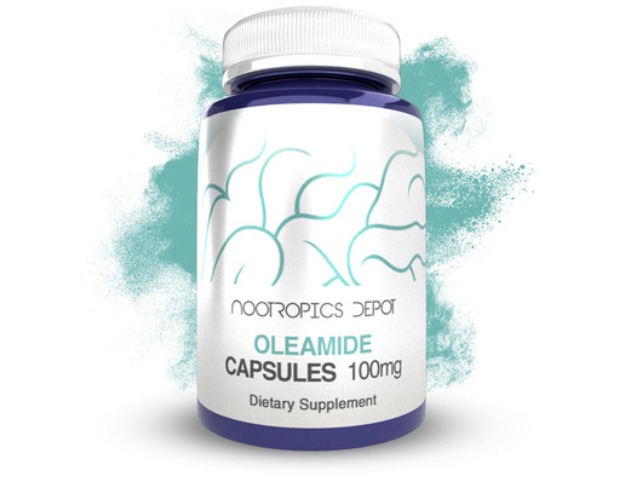
Buy Oleamide Capsules by Nootropics Depot
Shop Now →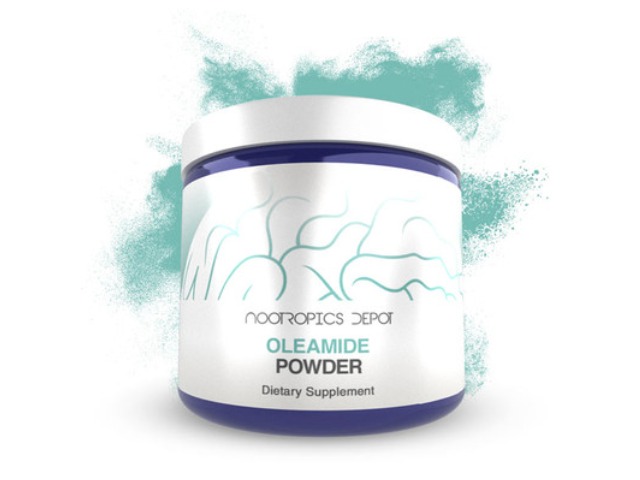
Buy Oleamide Powder by Nootropics Depot
Shop Now →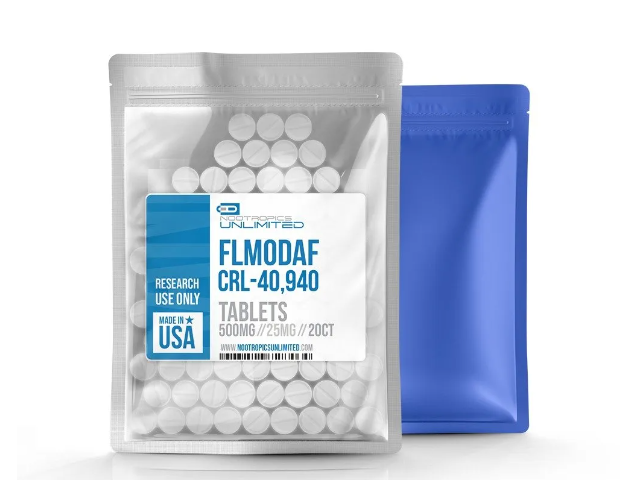
Fl Modafinil by Nootropics Unlimited
Shop Now →Disclosure: These are affiliate links. I earn a small commission if you purchase — at no extra cost to you. I only recommend products I personally use or have thoroughly researched.
Research & Studies
This section includes 11 peer-reviewed studies referenced in our analysis.
Oleamide: an endogenous sleep-inducing lipid and prototypical member of a new class of biological signaling molecules.
Effect of oleamide on sleep and its relationship to blood pressure, body temperature, and locomotor activity in rats.
Oleamide modulates memory in rats.
Effects of oleamide on choline acetyltransferase and cognitive activities.
Neuropharmacological effects of oleamide in male and female mice.
The triglyceride-lowering effect of supplementation with dual probiotic strains, Lactobacillus curvatus HY7601 and Lactobacillus plantarum KY1032: Reduction of fasting plasma lysophosphatidylcholines in nondiabetic and hypertriglyceridemic subjects.
The effects of anandamide and oleamide on cognition depend on diurnal variations.
Fatty acid amides present in Camembert cheese improved cognitive decline after oral administration in mice.
The efficacy of elevating anandamide via inhibition of fatty acid amide hydrolase (FAAH) combined with internet-delivered cognitive behavioral therapy in the treatment of post-traumatic stress disorder: a randomized, placebo-controlled clinical trial.
Omega-3 Polyunsaturated Fatty Acids and Cognitive Decline in Adults with Non-Dementia or Mild Cognitive Impairment: An Overview of Systematic Reviews.
Showing 10 of 11 studies. View all →