
- Focus & Attention
- Memory Support
- Neuronal Membrane Health
I used to think “brain food” was just marketing speak—until I learned that roughly 30% of your brain’s dry weight is made up of phospholipids, and phosphatidylcholine is the most abundant one. That fuzzy-headed, can’t-quite-focus feeling I’d get in the afternoon? Turns out my neurons were literally running low on the raw materials they needed to function.
If you’ve ever wondered why some days your brain just feels sharper, and other days you’re reading the same email three times—this might be the missing piece.
The Short Version: Phosphatidylcholine (PC) is a phospholipid that serves as both a structural component of cell membranes and a precursor to acetylcholine, a key neurotransmitter for memory and focus. Typical doses range from 1,000-2,000mg daily. It’s not a quick-fix stimulant—it’s foundational support that builds over 8-12 weeks of consistent use.
What Is Phosphatidylcholine? (The Molecule Your Brain Is Made Of)
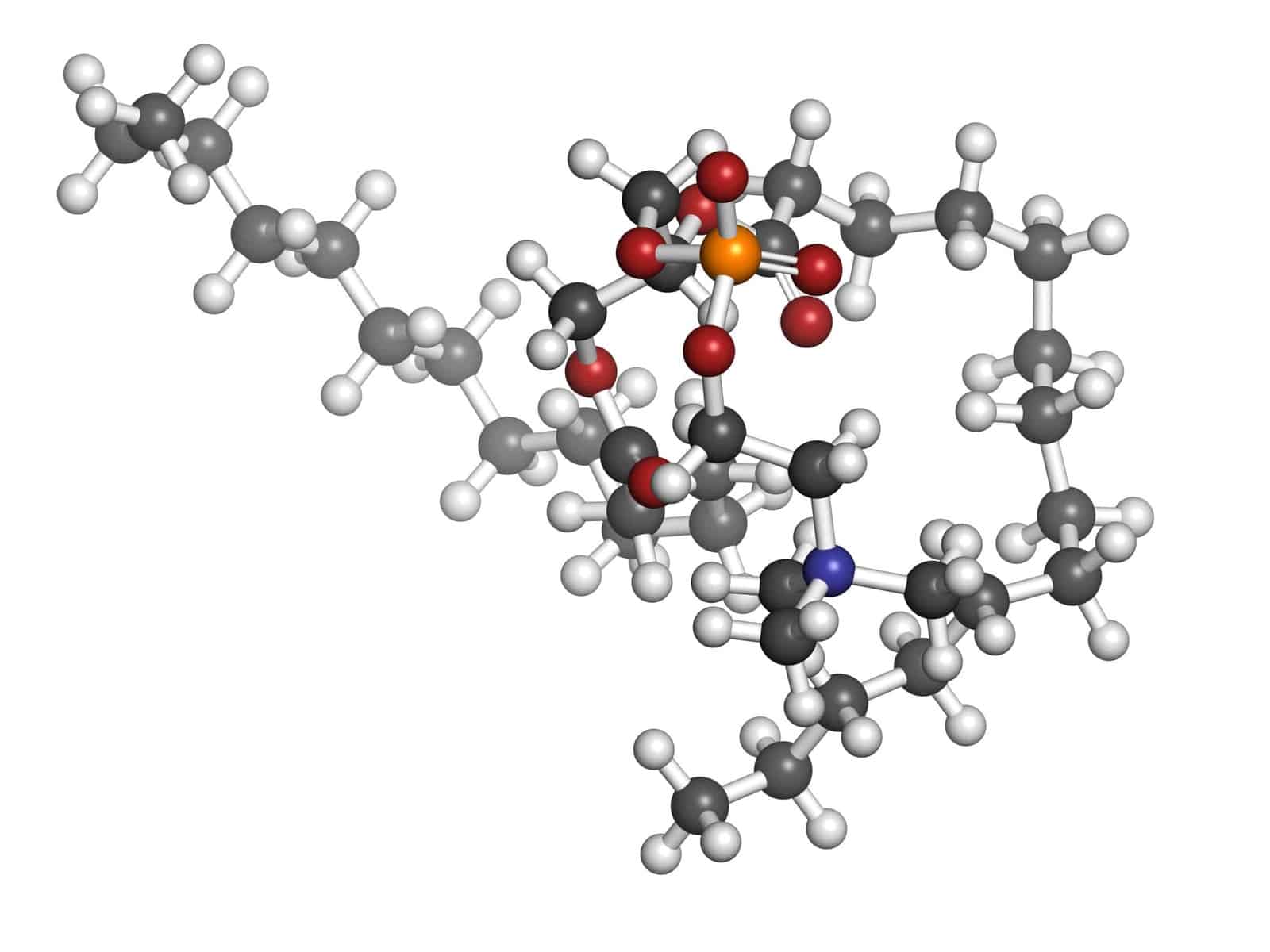
Phosphatidylcholine is a phospholipid—a type of fat molecule that’s a major building block of every cell membrane in your body, especially in your brain. It’s composed of choline, fatty acids, glycerol, and a phosphate group. You’ll often see it sold as “lecithin,” though lecithin is technically a mixture of phospholipids with PC as the primary component.
Your body can synthesize small amounts of PC from choline, but most people don’t produce enough to keep up with demand—especially if you’re under chronic stress, eating a nutrient-poor diet, or pushing your brain hard with cognitively demanding work.
Historically, PC was identified in the 1800s and has been studied extensively for its role in liver health, cardiovascular function, and—most relevant here—cognitive performance. It’s found naturally in eggs, soybeans, sunflower seeds, and organ meats, but you’d need to eat massive quantities to reach therapeutic doses.
Reality Check: Phosphatidylcholine isn’t going to give you limitless focus in 30 minutes. It’s not caffeine or modafinil. This is foundational work—the kind of supplement that supports long-term brain health and function when combined with good sleep, nutrition, and stress management.
How Does Phosphatidylcholine Work? (Four Pathways to Better Brain Function)
Here’s where PC gets interesting. It works through multiple complementary mechanisms, which is part of why it’s so foundational.
Cholinergic Enhancement
When you take phosphatidylcholine, your body breaks it down into choline, which is then shuttled into cholinergic neurons throughout your brain—particularly in the hippocampus (memory), basal forebrain (attention), and cortex (executive function). Once there, choline is converted into acetylcholine, one of the most important neurotransmitters for learning, memory, and focus.
A 1995 study published in The Journal of Nutrition found that PC supplementation in mice with dementia increased brain acetylcholine concentrations and improved memory performance. The researchers noted that the effect was dose-dependent and required consistent intake over several weeks.
Translation: PC gives your brain the raw materials it needs to manufacture the neurotransmitter that keeps you sharp. But like Alpha-GPC or citicoline, it’s not instant—you’re supporting a biological process, not flipping a switch.
Membrane Maintenance and Fluidity
Your neurons are wrapped in membranes made largely of phospholipids, and phosphatidylcholine is the dominant player. These membranes need to be fluid enough to allow neurotransmitter receptors to move and function properly, but stable enough to maintain cellular integrity.
Research demonstrates that PC helps preserve membrane fluidity, which directly impacts how efficiently neurons communicate. This is especially important as you age—membrane rigidity is one of the hallmarks of cognitive decline.
Think of it like motor oil in an engine. Fresh, high-quality oil keeps everything running smoothly. Old, degraded oil causes friction and wear. PC is the fresh oil.
Anti-Inflammatory Effects
Phosphatidylcholine and its metabolites reduce neuroinflammation by modulating microglial activation—your brain’s immune cells. When microglia get overactivated (often due to chronic stress, poor diet, or gut dysfunction), they release pro-inflammatory cytokines that damage neurons and impair cognitive function.
PC helps dial down this inflammatory response. Studies have shown that choline-containing phospholipids can modulate inflammatory signaling pathways, including NF-κB, which is a master regulator of inflammation.
In plain English: PC helps calm down brain inflammation that can make you feel foggy, slow, and mentally exhausted. This is why addressing gut health and systemic inflammation first—before adding nootropics—makes such a massive difference. You can’t supplement your way out of chronic inflammation.
Antioxidant Protection
Neurons are extremely vulnerable to oxidative stress because of their high metabolic activity and lipid-rich membranes. Phosphatidylcholine helps protect against lipid peroxidation—the process where reactive oxygen species damage membrane fats, leading to cellular dysfunction.
Research indicates that PC supplementation enhances the activity of endogenous antioxidant enzymes like glutathione peroxidase and superoxide dismutase, essentially boosting your brain’s built-in defense systems.
Pro Tip: Pairing PC with other antioxidants like R-Alpha Lipoic Acid or CoQ10 creates a synergistic effect—each compound supports the others’ antioxidant activity.
Benefits of Phosphatidylcholine (What the Research Actually Shows)
Let’s be honest about the evidence. Phosphatidylcholine isn’t the most heavily researched nootropic—there are far more human trials on citicoline or Bacopa Monnieri. But the studies we do have are compelling, especially when you look at PC as foundational support rather than a standalone cognitive enhancer.
Focus and Attention (Moderate Evidence)
A 1993 study published in Clinical Neuropharmacology examined the effects of PC on explicit memory in healthy adults. While the results were modest, participants showed improvements in attention and recall tasks after several weeks of supplementation at 25 grams daily (a high dose).
More recent research has focused on PC’s role in supporting acetylcholine synthesis, which is critical for sustained attention. In my experience, the effect is subtle but real—it’s not a “wow, I can suddenly focus” feeling, but more like the mental static quiets down over time.
Memory Support (Moderate Evidence)
The 1995 study I mentioned earlier—published in The Journal of Nutrition—found that mice given PC showed significant improvements in memory performance and increased brain acetylcholine levels compared to controls. While animal studies don’t always translate perfectly to humans, the mechanistic link between choline availability and memory is well-established.
A 2001 review in Acta Neurologica Scandinavica looked at cholinergic precursors (including PC) for Alzheimer’s disease and found that while PC wasn’t a miracle cure, it did show modest benefits in early-stage cognitive decline—particularly when combined with other cholinergic interventions.
Liver Health and Fat Metabolism (Strong Evidence)
This isn’t brain-specific, but it’s worth mentioning because liver function and brain function are more connected than most people realize. A landmark 1994 study in Gastroenterology found that PC supplementation protected against liver fibrosis and cirrhosis in baboons. Healthy liver function supports detoxification, hormone metabolism, and nutrient processing—all of which impact cognitive performance.
Insider Tip: If you’ve been struggling with brain fog despite trying multiple nootropics, get your liver enzymes checked. A sluggish liver often manifests as mental fatigue, and PC can support both hepatic and cognitive function simultaneously.
Neuroprotection During Stress (Preliminary Evidence)
A 2002 study examined the relationship between mitochondrial membrane potential and neurotoxic effects of corticosterone (a stress hormone). The researchers found that maintaining healthy membrane composition—which includes adequate PC—helped protect neurons from stress-induced damage.
This aligns with what I’ve seen anecdotally: people under chronic stress seem to respond better to PC supplementation than those who aren’t. It’s as if their brains are burning through phospholipids faster and need the extra support.
| Benefit | Evidence Level | Key Study/Note |
|---|---|---|
| Focus & Attention | Moderate | Ladd et al. 1993, modest improvements in healthy adults |
| Memory Support | Moderate | Chung et al. 1995, increased brain acetylcholine in animal model |
| Liver Health | Strong | Lieber et al. 1994, protective effects in primates |
| Neuroprotection | Preliminary | Mechanistic studies on membrane integrity |
How to Take Phosphatidylcholine (Without Wasting Your Money)
Dosage
Most research uses doses between 1,000-2,000mg of phosphatidylcholine daily, though some therapeutic protocols go as high as 10-25 grams for specific conditions (under medical supervision). For general cognitive support, I recommend starting at 1,000mg and assessing your response over 8-12 weeks.
If you’re buying lecithin powder or capsules, check the label for the actual PC content—many products are only 20-40% phosphatidylcholine by weight, so you may need to take more to hit the target dose.
Timing
Take PC with meals, preferably ones that contain some dietary fat. Phospholipids are fat-soluble, and you’ll absorb them better when there’s fat present in your digestive tract.
Morning or early afternoon is ideal if you’re taking it primarily for cognitive benefits. Some people find that taking it too late in the day disrupts sleep, though this isn’t common.
Forms and Bioavailability
- Soy lecithin: The most common and affordable form. Contains 20-40% PC along with other phospholipids.
- Sunflower lecithin: Popular with people avoiding soy. Similar PC content and bioavailability.
- Purified PC (90%+): More expensive but delivers a higher dose of actual phosphatidylcholine per gram.
- Liposomal PC: Encapsulated in liposomes for potentially better absorption. Limited evidence that it’s significantly superior to standard forms, but some users swear by it.
Starting Protocol
| Week | Dosage | Notes |
|---|---|---|
| 1-2 | 500mg | Start low to assess tolerance |
| 3-4 | 1,000mg | Split into 500mg twice daily if preferred |
| 5-12 | 1,500-2,000mg | Adjust based on response |
Cycling
There’s no strong evidence that you need to cycle phosphatidylcholine. It’s a structural nutrient, not a stimulant or hormone modulator. I take it consistently and haven’t noticed any tolerance or diminishing returns.
Pro Tip: If you’re getting blood work done, ask your doctor to check plasma choline levels. Most people are suboptimal, and knowing your baseline can help you dial in your PC dose more precisely.
Side Effects & Safety (What Could Go Wrong)
Phosphatidylcholine is generally well-tolerated, even at high doses. But there are a few things to watch for.
Common Side Effects
- Gastrointestinal discomfort: Bloating, nausea, or loose stools—especially at doses above 3,000mg daily. Taking it with food usually minimizes this.
- Fishy body odor: Some people develop a fishy smell in their sweat or breath due to increased trimethylamine (TMA) production. This is more common in people with certain gut bacteria profiles. If this happens, reduce your dose or consider switching to a different choline source like Alpha-GPC.
- Headache or brain fog (paradoxically): Rare, but can occur if you’re taking too much choline relative to your acetylcholine demand. More isn’t always better.
Who Should Avoid Phosphatidylcholine
- People with trimethylaminuria (TMAU), a genetic condition where the body can’t break down TMA, leading to severe body odor
- Those with hypersensitivity to soy or sunflower (depending on source)
Drug Interactions
| Medication/Substance | Interaction Type | Risk Level | Notes |
|---|---|---|---|
| Anticholinergic drugs | Oppositional | Moderate | PC increases acetylcholine; anticholinergics block it—may reduce drug efficacy |
| Cholinesterase inhibitors | Additive | Low-Moderate | Could theoretically increase cholinergic effects; monitor for nausea or diarrhea |
| Blood thinners | Theoretical | Low | PC may have mild antiplatelet effects; consult physician if on warfarin |
Pregnancy and Nursing
Choline is essential during pregnancy and breastfeeding for fetal brain development. The recommended intake increases to 450mg/day during pregnancy and 550mg/day while nursing. Phosphatidylcholine supplementation is likely safe, but consult your healthcare provider before starting.
Important: If you have a history of cardiovascular disease or elevated TMAO levels (a metabolite linked to heart disease risk), talk to your doctor before taking high-dose PC. Some research suggests that excessive choline intake can increase TMAO production in certain individuals.
Stacking Phosphatidylcholine (The Combinations That Actually Work)
Phosphatidylcholine is a team player. It works well with other cholinergics, nootropics, and foundational supplements. Here’s how I approach stacking it based on specific goals.
For Focus and Productivity
- 300mg caffeine + 200mg L-Theanine + 1,000mg Phosphatidylcholine + 300mg Alpha-GPC
This is my go-to morning stack for deep work sessions. The caffeine and L-Theanine provide clean, calm energy, while the dual choline sources (PC + Alpha-GPC) ensure my brain has the raw materials to synthesize acetylcholine efficiently. Take it 30-60 minutes before you need to focus.
For Memory and Learning
- 1,500mg Phosphatidylcholine + 300mg Bacopa Monnieri + 500mg Lion’s Mane + 200mg Uridine Monophosphate
This stack targets both cholinergic function and neuroplasticity. Bacopa and Lion’s Mane enhance dendritic growth and NGF production, while PC and uridine provide the building blocks for new synaptic connections. This isn’t a “feel it today” stack—give it 8-12 weeks.
For Neuroprotection and Anti-Aging
- 1,500mg Phosphatidylcholine + 300mg R-Alpha Lipoic Acid + 100mg CoQ10 + 500mg NAC
This combination targets oxidative stress, mitochondrial function, and membrane integrity. It’s what I take consistently as foundational brain health support, especially as I get older and my endogenous antioxidant production declines.
What to Avoid
- Avoid combining PC with other high-dose choline sources unless you know you need it. Taking PC + Alpha-GPC + citicoline + choline bitartrate all at once is overkill and increases the risk of side effects like fishy body odor or headaches.
- Avoid taking PC with anticholinergic medications (certain antihistamines, tricyclic antidepressants, muscle relaxants) as they work in opposition.
| Goal | Stack | Timing | Expected Outcome |
|---|---|---|---|
| Focus/Productivity | PC 1,000mg + Alpha-GPC 300mg + Caffeine 200mg + L-Theanine 200mg | Morning | Clean energy + sustained attention (acute) |
| Memory/Learning | PC 1,500mg + Bacopa 300mg + Lion’s Mane 500mg + Uridine 200mg | Daily, split AM/PM | Enhanced neuroplasticity (8-12 weeks) |
| Neuroprotection | PC 1,500mg + R-ALA 300mg + CoQ10 100mg + NAC 500mg | Daily with meals | Long-term brain health support |
My Take (Who Should Try This and Who Shouldn’t)
I’ve been taking phosphatidylcholine on and off for years, and I keep coming back to it—not because it’s flashy or gives me a noticeable “boost,” but because it’s one of those foundational supplements that just makes sense from a biochemical standpoint. Your brain is made of this stuff. If you’re not getting enough through diet (and most people aren’t), supplementing is a no-brainer.
Who This Is Best For:
- People pushing their brains hard—knowledge workers, students, anyone in cognitively demanding roles who wants to support long-term brain health
- Those with suboptimal choline intake—if you don’t eat eggs, liver, or other choline-rich foods regularly, you’re probably running low
- Anyone dealing with chronic stress—PC helps protect neuronal membranes from stress-induced damage
- People who respond well to other cholinergics—if you’ve had success with Alpha-GPC or citicoline, adding PC can provide complementary support
Who Should Try Something Else:
If you’re looking for an immediate, noticeable cognitive boost, phosphatidylcholine probably isn’t going to deliver. Try caffeine + L-Theanine for acute focus, modafinil if you need serious wakefulness, or Rhodiola Rosea for stress-induced fatigue.
If you’ve struggled with fishy body odor from choline supplements in the past, PC might cause the same issue—consider Alpha-GPC or citicoline instead, as they seem to produce less TMA in most people.
Insider Tip: Phosphatidylcholine is one of those supplements where consistency beats intensity. Taking 1,500mg daily for three months will yield far better results than sporadically taking 5,000mg whenever you remember. Set a daily reminder, pair it with a meal you eat every day, and let it do its work in the background.
Honestly, if I had to pick a small handful of supplements to take for the rest of my life, phosphatidylcholine would be on the list. It’s not sexy. It won’t make you feel superhuman. But it supports the fundamental structure and function of your brain in a way that pays dividends over time. And that’s exactly the kind of long-term thinking that actually works.
Recommended Phosphatidylcholine Products
I know how frustrating it is to sort through dozens of brands making the same claims. These are the ones I've personally vetted — because quality is the difference between results and wasted money.
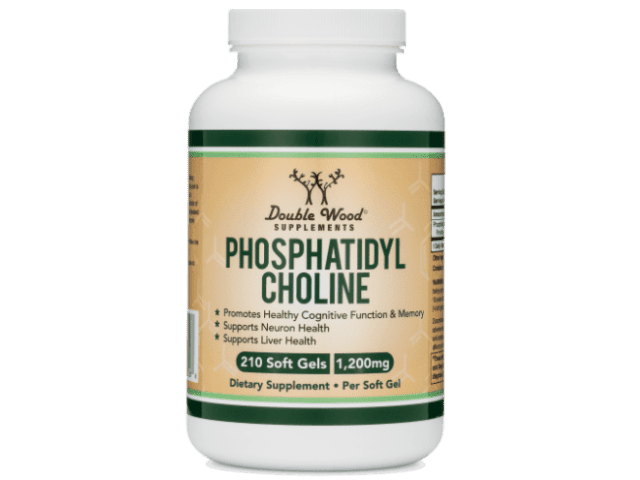
Phosphatidylcholine by Double Woods
Shop Now →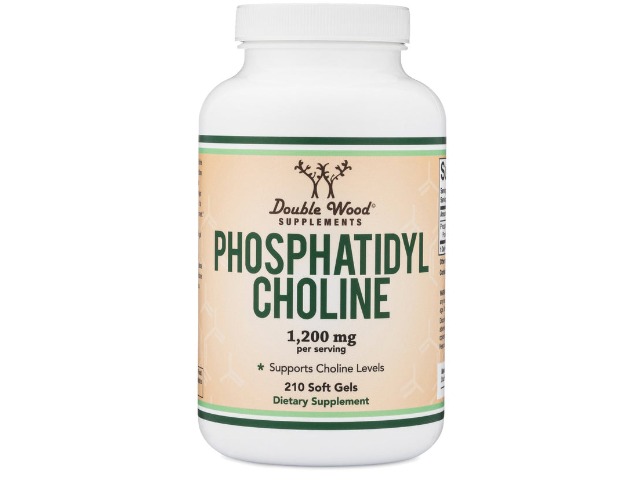
Phosphatidylcholine by DoubleWood Supplements
Shop Now →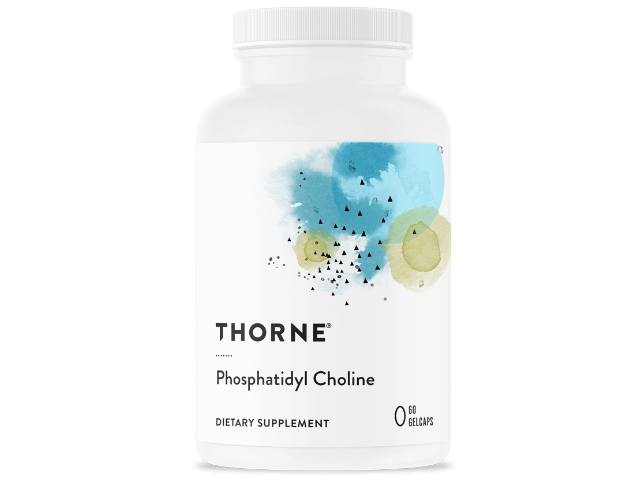
Phosphatidylcholine by Thorne Research
Shop Now →Disclosure: These are affiliate links. I earn a small commission if you purchase — at no extra cost to you. I only recommend products I personally use or have thoroughly researched.
Research & Studies
This section includes 48 peer-reviewed studies referenced in our analysis.
A comparative study of free plasma choline levels following intramuscular administration of L-alpha-glycerylphosphorylcholine and citicoline in normal volunteers.
Choline, an essential nutrient for humans.
Citicoline (CDP-choline): mechanisms of action and effects in ischemic brain injury.
Administration of phosphatidylcholine increases brain acetylcholine concentration and improves memory in mice with dementia.
Phosphatidylcholine protects against fibrosis and cirrhosis in the baboon.
The influence of lecithin on plasma choline concentrations in triathletes and adolescent runners during exercise.
Effect of phosphatidylcholine on explicit memory.
[Ethical dilemmas in pediatrics].
An introduction to fuzzy systems.
Docosahexaenoic and arachidonic acid prevent a decrease in dopaminergic and serotoninergic neurotransmitters in frontal cortex caused by a linoleic and alpha-linolenic acid deficient diet in formula-fed piglets.
Showing 10 of 48 studies. View all →