
- Focus & Attention
- Neuroprotection
- Brain Health
I spent three months taking a high-dose antioxidant stack that cost me nearly $200, convinced it would be the answer to my brain fog and focus issues. The problem? I was using synthetic vitamin E that my body barely absorbed, timing it wrong, and wondering why nothing changed.
That was before I understood that tocopherol — the active form of vitamin E — isn’t just another antioxidant you check off a list. It’s actually one of your brain’s primary defenses against the oxidative stress that slowly erodes cognitive function. But like most nutrients, the form, timing, and context matter more than most people realize.
The Short Version: Tocopherol is the most bioactive form of vitamin E, protecting brain cell membranes from oxidative damage while modulating dopamine and serotonin synthesis. Typical doses range from 15-100mg daily with fat-containing meals. Most people need 8-12 weeks of consistent use to notice cognitive benefits, and the natural forms (d-alpha-tocopherol, mixed tocopherols) are significantly more effective than synthetic variants.
What Is Tocopherol?
Tocopherol is the collective name for a group of fat-soluble compounds that make up vitamin E, with alpha-tocopherol being the most biologically active form in humans. First isolated from wheat germ oil in 1936, it was originally studied for its role in reproductive health — the name literally comes from the Greek words meaning “to bear offspring.”
But here’s what researchers discovered over the following decades: tocopherol’s real superpower isn’t reproduction — it’s protecting the fatty structures throughout your body from oxidative damage. And since your brain is roughly 60% fat by dry weight, this becomes especially relevant for cognitive health.
Your brain uses tocopherol as a defensive shield against lipid peroxidation — the process where free radicals attack and damage the fatty membranes surrounding neurons. Without adequate vitamin E, these membranes become compromised, neurotransmitter signaling gets disrupted, and cognitive function gradually declines.
The catch is that not all vitamin E supplements are created equal. The synthetic form (dl-alpha-tocopherol) is only about half as bioavailable as the natural form (d-alpha-tocopherol). And emerging research suggests that taking alpha-tocopherol in isolation might actually deplete other beneficial tocopherol forms in your body — which is why mixed tocopherol supplements are often the smarter choice.
How Does Tocopherol Work? (The Brain Protection Mechanism)
Think of tocopherol as your brain’s fire extinguisher. When oxidative stress creates free radicals — unstable molecules that can damage cells — tocopherol donates hydrogen atoms to neutralize them before they can attack neuronal membranes.
This antioxidant mechanism works through a process called “radical scavenging.” When a lipid peroxyl radical (one of the most damaging types of free radicals) encounters tocopherol, the vitamin sacrifices itself by giving up a hydrogen atom. This converts the dangerous free radical into a stable, harmless molecule, while the tocopherol becomes a relatively stable tocopheroxyl radical that can be recycled by other antioxidants like vitamin C.
But tocopherol isn’t just a passive defender. Research shows it actively modulates neurotransmitter systems in ways that enhance cognitive function.
A biomolecular study published in Plants (2021) examining compounds with nootropic activity found that alpha-tocopherol treatment significantly increased levels of dopamine, serotonin, and other monoaminergic neurotransmitters in key brain regions involved in cognition and motor coordination. This wasn’t just about protection — the tocopherol was actually influencing the synthesis pathways that produce these critical brain chemicals.
The anti-inflammatory component adds another layer. One of tocopherol’s metabolites — γ-13′-COOH — specifically inhibits 5-lipoxygenase (5-LO), an enzyme responsible for producing pro-inflammatory leukotrienes. This targeted anti-inflammatory action helps reduce the chronic neuroinflammation that contributes to brain fog, cognitive decline, and neurodegenerative diseases.
In plain English: Tocopherol protects your brain’s fatty structures from oxidative damage, helps maintain optimal dopamine and serotonin levels, and reduces the low-grade inflammation that interferes with clear thinking. It’s not a stimulant that you “feel” immediately — it’s more like changing the oil in your car regularly so the engine runs smoothly for years.
Benefits of Tocopherol (What the Research Actually Shows)
Focus & Attention (Moderate Evidence)
The cognitive database rates tocopherol’s evidence for focus and attention as “moderate” — and that assessment is honest. This isn’t a compound with dozens of randomized controlled trials showing dramatic improvements. What we have is mechanistic research showing how it should work, plus observational data suggesting it does work when other factors are optimized.
The 2021 biomolecular study I mentioned earlier found that tocopherol’s effects on dopaminergic neurotransmission occurred alongside improvements in cognitive performance markers. Dopamine is heavily involved in sustained attention, working memory, and the ability to filter out distractions — so modulating this system should theoretically improve focus.
The challenge is that most people don’t notice these effects immediately. Unlike caffeine or L-tyrosine, which can produce noticeable changes within hours, tocopherol’s cognitive benefits accumulate over weeks to months of consistent supplementation.
Neuroprotection (Strong Evidence)
This is where tocopherol really shines. The evidence for its neuroprotective effects is robust and well-established across multiple research models.
The mechanism is straightforward: neurons are particularly vulnerable to oxidative damage because of their high metabolic activity, abundant lipid content, and limited regenerative capacity. Tocopherol concentrates in neuronal membranes and prevents the chain reaction of lipid peroxidation that can lead to cell death.
A study examining oxidation processes found that alpha-tocopherol effectively prevented lipid oxidation even under digestive stress conditions — demonstrating its stability and protective capacity in challenging environments. This translates to real-world brain protection during periods of high oxidative stress (intense cognitive work, poor sleep, inflammation, aging).
Reality Check: Neuroprotection is a long-game benefit. You’re not going to “feel” your neurons being protected the way you feel a caffeine buzz. But the cumulative effect over months and years — maintaining cognitive function, potentially reducing dementia risk, preserving neuroplasticity — is where the value lies.
Sleep Quality & Recovery (Preliminary Evidence)
This one surprised me when I first encountered it in the research. While tocopherol isn’t traditionally thought of as a sleep aid, its effects on serotonin synthesis may indirectly support sleep quality and cognitive recovery.
The 2021 study noted improvements in sleep-related parameters associated with tocopherol’s serotonergic activity. Serotonin is the precursor to melatonin — the primary sleep-regulating hormone — so enhancing serotonin availability during the day can theoretically improve melatonin production at night.
This isn’t strong enough evidence to recommend tocopherol primarily for sleep. But if you’re already taking it for neuroprotection and cognitive support, the potential sleep benefits are a nice bonus. Compounds like magnesium L-threonate or L-theanine have much stronger direct evidence for sleep improvement.
| Benefit | Evidence Level | Key Research | Timeline to Notice |
|---|---|---|---|
| Focus & Attention | Moderate | Biomolecular studies, dopamine modulation | 8-12 weeks |
| Neuroprotection | Strong | Multiple oxidation studies, mechanism well-established | Long-term (months-years) |
| Neuroinflammation reduction | Strong | 5-LO inhibition studies | 4-8 weeks |
| Sleep quality | Preliminary | Serotonin modulation indirect effects | Variable |
How to Take Tocopherol (Without Wasting Your Money)
Dosage: The Daily Range
The research brief suggests 15-100mg daily for general health and cognitive support, and that range aligns with both the Recommended Dietary Allowance (RDA) and the doses used in cognitive research.
Here’s how to think about dosing:
- 15-30mg (22-45 IU): Minimum effective dose for meeting basic nutritional needs. Appropriate if you’re already getting vitamin E from diet (nuts, seeds, leafy greens, quality oils).
- 100-200mg (150-300 IU): Sweet spot for cognitive support and neuroprotection. This is where I’d start for most people interested in nootropic benefits.
- 400-800 IU (268-536mg): Higher therapeutic range sometimes used in clinical contexts, but this territory requires more caution and ideally medical oversight due to increased bleeding risk.
Important: IU (International Units) and milligrams aren’t directly interchangeable for vitamin E, and the conversion differs between natural and synthetic forms. Natural d-alpha-tocopherol: 1 IU = 0.67mg. Synthetic dl-alpha-tocopherol: 1 IU = 0.9mg. Always check your supplement label to know which form and unit you’re using.
Timing & Absorption
This is critical and often overlooked: tocopherol is fat-soluble, meaning it requires dietary fat for absorption.
Taking vitamin E on an empty stomach is essentially flushing your money down the drain. Your body can’t effectively absorb it without fat present in the digestive tract.
Best practices:
- Take with your largest meal of the day, which typically contains the most fat
- If you’re taking it specifically for cognitive support, morning with breakfast is ideal (aligns with when you need the dopaminergic support)
- If you’re splitting doses, take with any meal or snack that contains at least 5-10g of fat (eggs, nuts, avocado, fish, full-fat dairy, etc.)
Pro Tip: I take my mixed tocopherols with my morning fish oil and eggs. The fats in both the fish oil and eggs maximize absorption, and I’m stacking multiple neuroprotective compounds at once.
Forms: Natural vs. Synthetic (This Actually Matters)
Not all vitamin E supplements are created equal, and the form you choose significantly impacts bioavailability and effectiveness.
| Form | Bioavailability | Cost | Best For |
|---|---|---|---|
| d-alpha-tocopherol (natural) | 100% (baseline) | $$ | Single-form supplementation |
| dl-alpha-tocopherol (synthetic) | ~50% | $ | Budget option (not recommended) |
| Mixed tocopherols | 100%+ (synergistic) | $$-$$$ | Optimal neuroprotection (recommended) |
| Tocotrienols | Variable (different benefits) | $$$ | Advanced stacking, cardiovascular focus |
My recommendation: Go with mixed tocopherols unless you have a specific reason not to. Here’s why:
Alpha-tocopherol is the most biologically active form in humans, but it’s not the only beneficial form. Gamma-tocopherol, delta-tocopherol, and beta-tocopherol each have unique properties — and taking high doses of alpha alone can actually reduce levels of these other forms in your body.
Mixed tocopherol supplements give you all four forms in ratios closer to what you’d get from food, which appears to provide broader antioxidant and anti-inflammatory benefits.
Starting Protocol
Don’t jump straight to 400 IU because some internet forum said “more is better.” Start conservatively and assess.
Week 1-2: 100-200mg (150-300 IU) mixed tocopherols daily with a fat-containing meal. Monitor for any digestive upset (rare but possible).
Week 3-8: Continue the same dose. You’re not looking for immediate effects. Pay attention to subjective cognitive clarity, focus stamina, and whether you’re recovering better from cognitively demanding days.
After 8 weeks: Assess whether you’ve noticed benefits. If yes, continue. If no, you might consider increasing to 400 IU, but I’d evaluate your overall stack and foundations first — vitamin E works best as part of a comprehensive approach, not in isolation.
Cycling: Not necessary for tocopherol at standard doses. This is a nutrient your body uses continuously, not a compound that causes tolerance or receptor downregulation.
Side Effects & Safety (What Could Go Wrong)
Tocopherol is generally well-tolerated at nutritional doses, but like any fat-soluble vitamin, there are considerations when you start pushing into higher ranges.
Common Side Effects (Rare at Standard Doses)
- Gastrointestinal upset: Nausea or diarrhea, typically only at doses above 400 IU
- Headache: Occasionally reported, mechanism unclear
- Fatigue: Paradoxical effect in some people at high doses
I’ve personally never experienced side effects from 200-400 IU daily of mixed tocopherols, and most research suggests side effects are uncommon below 1000 IU daily.
Who Should Avoid Tocopherol
- People with vitamin K deficiency: High-dose vitamin E can interfere with vitamin K-dependent clotting factors
- Anyone scheduled for surgery: Discontinue at least 2 weeks before surgery due to bleeding risk
- People with bleeding disorders: Tocopherol’s anticoagulant effects could exacerbate existing conditions
Drug Interactions (Critical to Know)
| Medication/Substance | Interaction Type | Risk Level | Notes |
|---|---|---|---|
| Warfarin, anticoagulants | Increased bleeding risk | High | Vitamin E potentiates anticoagulant effects; requires monitoring |
| Aspirin, NSAIDs | Increased bleeding risk | Moderate | Additive antiplatelet effects; use caution with chronic use |
| Statins | Potential efficacy reduction | Low-Moderate | High-dose vitamin E may reduce statin effectiveness |
| Chemotherapy drugs | Variable interactions | Moderate-High | May interfere with oxidative therapy mechanisms; consult oncologist |
| Antiplatelet drugs (clopidogrel) | Increased bleeding risk | Moderate-High | Additive effects; medical oversight required |
Important: If you’re on any blood thinner or antiplatelet medication, do NOT start high-dose vitamin E supplementation without discussing it with your prescribing physician. Even “natural” supplements can have serious interactions with medications that affect clotting.
Pregnancy & Nursing
Standard dietary doses (15-30mg) are considered safe and necessary during pregnancy and lactation. Higher supplemental doses should be discussed with a healthcare provider — while there’s no strong evidence of harm, there’s also limited data on high-dose supplementation during pregnancy.
The High-Dose Controversy
You might have heard that high-dose vitamin E supplementation increases mortality risk. This comes from a 2005 meta-analysis that found doses above 400 IU daily were associated with increased all-cause mortality.
The reality is more nuanced. That meta-analysis has been criticized for including studies of sick populations (heart disease, cancer) and using synthetic vitamin E. Subsequent research hasn’t consistently replicated the mortality finding, especially in healthy populations using natural forms.
My take: there’s no compelling reason for most people to exceed 400 IU daily. The cognitive and neuroprotective benefits don’t appear to scale linearly with dose, and you start encountering legitimate safety concerns above that threshold.
Stacking Tocopherol (The Combinations That Actually Work)
Tocopherol works best as part of a comprehensive neuroprotection and cognitive enhancement strategy, not as a standalone compound.
For Cognitive Enhancement & Focus
Morning Stack:
- 200mg mixed tocopherols
- 300mg Alpha-GPC (cholinergic support)
- 200mg L-theanine (focus without jitters)
- 100-200mg caffeine (if tolerated)
Timing: With breakfast containing healthy fats (eggs, avocado, nuts)
Why this works: Tocopherol provides the long-term neuroprotective foundation while modulating dopamine. Alpha-GPC supports acetylcholine synthesis (learning and focus). L-theanine smooths out caffeine’s rough edges while enhancing alpha brainwave activity associated with calm focus.
For Neuroprotection & Anti-Aging
Daily Stack:
- 200-400mg mixed tocopherols
- 1-2g fish oil (omega-3 fatty acids for membrane health)
- 500-1000mg vitamin C (recycles oxidized tocopherol)
- 200mg CoQ10 (mitochondrial support)
Timing: Split between morning and evening meals with fat
Why this works: This is the “brain longevity” stack. Tocopherol protects neuronal membranes from oxidative damage. Omega-3s provide the structural fats for membrane repair and neuroplasticity. Vitamin C works synergistically with tocopherol — it can regenerate oxidized vitamin E back to its active form, extending its protective effects. CoQ10 supports the mitochondria that power your neurons, creating a comprehensive cellular health approach.
For Mood & Stress Support
Daily Stack:
- 100-200mg mixed tocopherols
- 300-600mg magnesium L-threonate (NMDA modulation, brain magnesium)
- 500mg Rhodiola rosea (adaptogenic support)
- 1-2g fish oil (anti-inflammatory)
Timing: Tocopherol and fish oil with breakfast, magnesium before bed, Rhodiola in morning
Why this works: Tocopherol’s serotonergic activity combines with Rhodiola’s stress-modulating effects. Magnesium L-threonate crosses the blood-brain barrier effectively and supports healthy stress response through NMDA receptor modulation. The fish oil ties it all together with anti-inflammatory effects that support both mood and cognition.
| Stack Goal | Key Synergies | Expected Timeline | Cost Tier |
|---|---|---|---|
| Cognitive Enhancement | Tocopherol + Alpha-GPC + L-Theanine | 4-8 weeks | $$ |
| Neuroprotection | Tocopherol + Omega-3 + Vitamin C | 8-12+ weeks | $$-$$$ |
| Mood Support | Tocopherol + Magnesium + Rhodiola | 6-10 weeks | $$ |
What NOT to Stack
Avoid combining high-dose tocopherol with:
- Other high-dose antioxidants right before or after intense exercise (may blunt adaptive signaling)
- Ginkgo biloba at high doses (additive bleeding risk)
- High-dose garlic supplements (additive antiplatelet effects)
The antioxidant timing paradox: There’s emerging evidence that taking high-dose antioxidants immediately around workouts might interfere with the beneficial oxidative stress that triggers mitochondrial adaptations. If you’re serious about athletic performance, consider timing your tocopherol dose away from training windows (at least 2-3 hours before or after).
My Take
I’ve been taking 200mg of mixed tocopherols daily for the past three years, and it’s become one of those “set it and forget it” components of my foundation stack. I don’t take it expecting to feel different day-to-day — I take it because the long-term neuroprotection evidence is solid, and I’m playing the long game with my cognitive health.
Here’s who I think should seriously consider tocopherol:
Best for:
- Anyone over 40 focused on cognitive longevity and neuroprotection
- People with high oxidative stress (intense training, high stress, poor sleep, inflammatory conditions)
- Individuals eating low-fat diets who may not get adequate vitamin E from food
- People stacking other neuroprotective compounds as part of a comprehensive brain health protocol
Who should probably try something else:
- Anyone on anticoagulant medications without medical guidance
- People looking for immediate, noticeable cognitive effects — try Alpha-GPC, L-tyrosine, or caffeine instead
- Those with limited budgets who need to prioritize — I’d invest in magnesium, omega-3s, and sleep optimization first
The honest assessment: Tocopherol isn’t sexy. It’s not going to give you laser focus or make you feel like you’ve upgraded your brain overnight. What it does is provide foundational cellular protection that compounds over time. Think of it like flossing your teeth — you don’t notice the benefit daily, but years down the line, you’re glad you did it.
If you’re going to supplement with tocopherol, spend the extra money on mixed tocopherols from a reputable brand. The synthetic stuff is barely absorbed, and isolated alpha-tocopherol may create imbalances. Quality matters here.
And remember: tocopherol works best when your foundations are solid. If you’re sleeping 5 hours a night, eating processed garbage, and chronically stressed, no amount of vitamin E is going to save you. Fix the fundamentals first — sleep, stress management, gut health, basic nutrition — then add tocopherol as part of a comprehensive cognitive health strategy.
My protocol: 200mg mixed tocopherols with breakfast (eggs and avocado), alongside fish oil and vitamin D. Simple, effective, sustainable.
Recommended Tocopherol Products
I know how frustrating it is to sort through dozens of brands making the same claims. These are the ones I've personally vetted — because quality is the difference between results and wasted money.
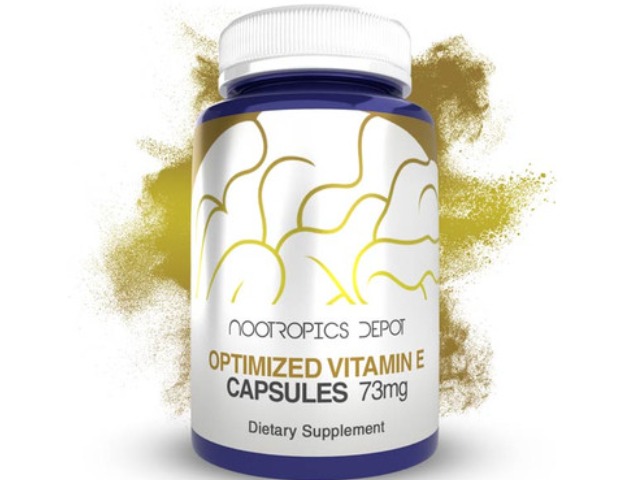
Disclosure: These are affiliate links. I earn a small commission if you purchase — at no extra cost to you. I only recommend products I personally use or have thoroughly researched.
Research & Studies
This section includes 4 peer-reviewed studies referenced in our analysis.