
- May support cognitive function and memory
- Potential neuroprotective effects
- May help reduce neuroinflammation
- Traditional use for mood and stress support
I’ll admit it: when I first heard about Tribulus terrestris, I dismissed it completely. Another overhyped herb promising superhuman performance with zero evidence, right? The supplement industry’s version of clickbait.
Then I actually read the research. And while Tribulus isn’t going to turn you into a cognitive superhero overnight, the neuroprotective data is surprisingly solid — especially for a plant that’s been used in traditional medicine for thousands of years but only recently studied for brain health.
If you’ve been curious about Tribulus terrestris but skeptical about the hype, this guide will give you the real story.
The Short Version: Tribulus terrestris is a traditional medicinal plant with emerging evidence for cognitive support through anti-inflammatory and antioxidant mechanisms. Typical doses range from 500-1500mg daily, split with meals. It’s not a quick fix, but the research suggests genuine neuroprotective potential when used consistently over 8-12 weeks.
What Is Tribulus Terrestris?
Tribulus terrestris — also known as puncture vine, gokshura, or devil’s thorn — is a small flowering plant that grows in warm climates worldwide. It’s been used in traditional Ayurvedic and Chinese medicine for centuries, primarily for urinary and reproductive health support.
In the supplement world, Tribulus gained popularity in the 1990s as a testosterone booster for athletes and bodybuilders. That reputation stuck, even though the evidence for hormonal effects in humans is mixed at best. What’s more interesting — and less talked about — is the growing body of research on Tribulus for brain health.
The bioactive compounds in Tribulus terrestris include steroidal saponins (particularly protodioscin), flavonoids, and alkaloids. These compounds demonstrate potent antioxidant and anti-inflammatory effects in preclinical studies, which explains the plant’s neuroprotective potential. This isn’t about boosting testosterone to improve brain fog — it’s about directly supporting brain cell health and reducing neuroinflammation.
Before you get too excited: foundations still come first. If your gut is inflamed, your sleep is garbage, and you’re running on caffeine and stress hormones, Tribulus terrestris isn’t going to rescue you. Think of it as a tool that works best when the fundamentals are already in place — not a magic bullet that compensates for a broken lifestyle.
How Does Tribulus Terrestris Work? (The Brain Benefits Nobody Talks About)
Here’s what makes Tribulus terrestris interesting from a nootropic perspective: it works through multiple complementary pathways that support brain health. This isn’t a single-mechanism compound — it’s more like a Swiss Army knife for neuroprotection.
The anti-inflammatory angle: One of the most well-documented mechanisms is Tribulus’s ability to inhibit inflammatory pathways in the brain. Specifically, it suppresses cyclooxygenase-2 (COX-2) and inducible nitric oxide synthase (iNOS) — two enzymes that ramp up inflammation when your brain is under stress. A 2019 study in Neurochemical Research found that a Tribulus extract significantly reduced inflammatory markers in brain tissue and protected neurons from stress-induced damage.
Translation: chronic neuroinflammation is like having a low-grade fire burning in your brain. It impairs neurotransmitter production, disrupts communication between neurons, and contributes to brain fog and cognitive decline over time. Tribulus helps put out that fire by blocking the enzymes that fuel it.
The antioxidant defense system: Tribulus terrestris acts as a scavenger for free radicals and reactive oxygen species — the cellular damage that accumulates from stress, poor diet, environmental toxins, and just living in a modern world. The saponins and flavonoids in Tribulus don’t just neutralize existing oxidative damage; they also enhance your body’s endogenous antioxidant systems, giving your brain better tools to protect itself long-term.
This matters because oxidative stress is a major driver of age-related cognitive decline. Think of antioxidants like Vitamin C or CoQ10 as your brain’s maintenance crew — they clean up the damage before it becomes permanent.
The mood and neurotransmitter connection: While the exact mechanisms aren’t fully mapped out, animal studies show genuine antidepressant and anxiolytic effects with Tribulus terrestris supplementation. A 2024 study published in Pharmaceuticals found that Tribulus extract reduced anxiety-like behavior and improved mood in zebrafish models of scopolamine-induced cognitive impairment. The researchers suggested this may involve modulation of serotonergic pathways, though more research is needed to confirm this in humans.
This is speculative, but the mood benefits might also be downstream effects of reduced inflammation and oxidative stress. When your brain isn’t fighting fires constantly, neurotransmitter production normalizes, and mood tends to improve. It’s the same reason fixing gut inflammation often improves depression — you’re addressing the root cause, not just masking symptoms.
The cholinergic boost: One of the more recent discoveries is Tribulus’s potential to support the cholinergic system — the brain’s primary pathway for learning and memory. A 2024 study in Pharmaceuticals tested a Tribulus-based formulation and found it inhibited acetylcholinesterase (the enzyme that breaks down acetylcholine) and improved memory performance in scopolamine-treated zebrafish. This suggests Tribulus may help preserve acetylcholine levels, similar to how Huperzine A or Alpha-GPC work.
The takeaway: Tribulus terrestris isn’t a one-trick pony. It’s a multi-pathway neuroprotective agent that reduces inflammation, neutralizes oxidative damage, and may support mood and memory through complementary mechanisms.
Benefits of Tribulus Terrestris (What the Research Actually Shows)
Let’s be honest about the evidence: most of the neuroprotective research on Tribulus terrestris is preclinical — meaning animal and cell culture studies. Human clinical trials specifically for cognitive enhancement are limited. That doesn’t mean the benefits aren’t real, but it does mean you should calibrate your expectations accordingly.
Neuroprotection and cognitive support: The 2019 study in Neurochemical Research found that Tribulus extract containing tribulusterine exhibited significant neuroprotective effects in both in vitro and in vivo models. The extract reduced inflammatory mediators, protected neurons from oxidative damage, and improved markers of brain cell health. While this was an animal study, the mechanisms are biologically plausible in humans.
Memory and learning enhancement: The 2024 Pharmaceuticals study testing Tribulus in scopolamine-induced amnesia models is particularly interesting. Scopolamine is used in research to temporarily block cholinergic function and simulate memory impairment. The Tribulus formulation not only reversed the memory deficits but also reduced acetylcholinesterase activity, suggesting a genuine effect on the cholinergic system. Again, this was in zebrafish — but the cholinergic mechanisms are conserved across species.
Mood and stress resilience: The anxiolytic and antidepressant effects observed in animal models are compelling, especially given that the doses used were within the range of human supplementation. A 2024 study in Pharmaceuticals found that Tribulus extract significantly reduced anxiety-like behavior and improved mood markers, potentially through modulation of monoamine oxidase A (an enzyme that breaks down serotonin and dopamine). These findings align with traditional use of Tribulus for stress and mood support in Ayurvedic medicine.
Anti-inflammatory effects on the brain: A 2025 study in Molecular Nutrition & Food Research specifically examined Tribulus terrestris extract as a dietary supplement for neuroinflammation. The researchers found protective effects against inflammatory damage in brain tissue, supporting the mechanistic data from earlier studies. This is one of the few recent studies framing Tribulus as a functional food for brain health rather than just a physical performance enhancer.
Reality Check: The evidence for Tribulus terrestris as a nootropic is promising but still developing. Most studies are preclinical, and human trials specifically targeting cognitive outcomes are limited. That said, the mechanisms are well-supported, the safety profile is solid, and the traditional use gives it a longer track record than many synthetic nootropics. If you’re looking for a well-researched adaptogen with neuroprotective potential, this is worth trying — just don’t expect overnight miracles.
| Benefit | Evidence Level | Key Research |
|---|---|---|
| Neuroprotection | Moderate (animal studies) | Ranjithkumar et al. 2019 |
| Memory support | Preliminary (zebrafish models) | Bouabdallah et al. 2024 |
| Mood/anxiety support | Preliminary (animal models) | Bouabdallah et al. 2024 |
| Anti-inflammatory | Moderate (animal + in vitro) | Gao et al. 2025 |
| Cholinergic support | Preliminary (zebrafish models) | Bouabdallah et al. 2024 |
How to Take Tribulus Terrestris (Without Wasting Your Money)
Dosing Tribulus terrestris is straightforward, but there are a few key details that make the difference between getting results and flushing money down the toilet.
Standard dosing ranges:
- General neuroprotection and mood support: 500-750mg daily, split into 2 doses with meals
- Cognitive enhancement and memory support: 750-1500mg daily, split into 2-3 doses
- Therapeutic use (under medical guidance): Up to 1500mg daily, divided doses
Most research uses doses in the 500-1500mg range, often standardized for saponin content (typically 40-45% saponins). Start at the lower end — 500mg daily — and assess for 2-3 weeks before increasing. Tribulus isn’t an acute-effect compound. You won’t feel it the first day. The benefits accumulate over weeks.
Pro Tip: Take Tribulus terrestris with food to enhance absorption and minimize the risk of digestive upset. The saponins can be a bit harsh on an empty stomach, especially at higher doses. Splitting your daily dose into 2-3 administrations throughout the day also helps maintain more stable blood levels.
Forms and standardization: Most supplements are standardized extracts (40-45% saponins), which is what’s used in research. Avoid generic “whole herb” powders unless you’re willing to take massive doses — the active compound concentration is too variable. Look for products that specify saponin content and are third-party tested.
Cycling: There’s no strong evidence that you need to cycle Tribulus terrestris for neuroprotective purposes, but many users follow a 8-12 weeks on, 2-4 weeks off pattern. This is more of a conservative approach to avoid potential hormonal interactions (even though the evidence for hormonal effects in humans is weak). If you’re using it specifically for brain health, consistent daily use is probably fine.
Timeline for results: Expect 4-8 weeks of consistent use before noticing cognitive benefits. The neuroprotective and anti-inflammatory effects build gradually. If you’re looking for an immediate focus boost, this isn’t it — try caffeine and L-theanine instead. Tribulus is a long-game compound.
| Use Case | Dosage | Timing | Notes |
|---|---|---|---|
| General support | 500mg | Morning with breakfast | Start here, assess for 2-3 weeks |
| Cognitive enhancement | 750-1000mg | Split: morning + afternoon with meals | Most common nootropic dose |
| Mood/stress support | 1000-1500mg | 2-3 doses with meals | Upper end of research range |
Side Effects & Safety (What Could Go Wrong)
Tribulus terrestris has a solid safety profile when used at typical doses, but no supplement is risk-free. Here’s what you need to know.
Common side effects:
- Mild digestive upset (bloating, gas, stomach discomfort) — especially at higher doses or on an empty stomach
- Insomnia or restlessness — rare, but some users report CNS stimulant effects, particularly with higher doses
These are generally mild and dose-dependent. Starting low and splitting doses with food minimizes most digestive issues.
Who should avoid Tribulus terrestris:
- Pregnant or nursing women — insufficient safety data, and traditional use suggests hormonal activity
- Individuals with hormone-sensitive conditions (breast cancer, prostate issues) — theoretical concern due to potential hormonal modulation, though human evidence is weak
- People with diabetes — may lower blood sugar; monitor closely if combining with diabetes medications
- Anyone scheduled for surgery — discontinue 2 weeks prior due to potential blood sugar effects
Important: If you have a history of kidney stones, use caution. Case reports suggest Tribulus may increase risk of calcium oxalate kidney stones with long-term use, though this appears to be rare.
Drug interactions:
| Medication/Substance | Interaction Type | Risk Level | Notes |
|---|---|---|---|
| Diabetes medications (insulin, metformin) | Blood sugar modulation | Moderate | May enhance hypoglycemic effects; monitor glucose |
| Blood pressure medications | Hypotensive effect | Low-Moderate | May lower blood pressure; monitor if on antihypertensives |
| Lithium | Diuretic effect | Moderate | May affect lithium clearance; consult prescriber |
| Caffeine | CNS stimulation | Low | Some users report increased jitteriness when combined |
| SSRIs/MAOIs | Serotonergic activity | Low-Moderate | Theoretical risk; limited human data |
Pregnancy and nursing: Avoid. There’s insufficient safety data, and traditional use patterns suggest reproductive/hormonal effects that warrant caution.
Quality concerns: As with most herbal supplements, quality varies wildly. Look for products that are third-party tested for heavy metals, microbial contamination, and saponin content. Tribulus terrestris is often adulterated or substituted with cheaper fillers in low-quality products.
Stacking Tribulus Terrestris (The Combinations That Actually Work)
Tribulus terrestris isn’t typically the star player in a nootropic stack — it’s more of a supporting actor that enhances other compounds through its anti-inflammatory and neuroprotective effects. Here’s how to combine it strategically.
For Cognitive Enhancement & Memory:
- Morning: 500mg Tribulus terrestris + 300mg Alpha-GPC + 200mg L-theanine + 100mg caffeine
- Afternoon: 500mg Tribulus terrestris + 500mg Lion’s Mane
This stack combines Tribulus’s cholinergic support and anti-inflammatory effects with direct cholinergic enhancement from Alpha-GPC, calm focus from L-theanine, and NGF stimulation from Lion’s Mane. The Tribulus provides foundational neuroprotection while the other compounds handle acute cognitive demands.
For Mood, Stress, and Neuroprotection:
- Morning: 500mg Tribulus terrestris + 300mg Rhodiola rosea + 400mg L-theanine
- Evening: 500mg Tribulus terrestris + 300mg Ashwagandha + 400mg Magnesium glycinate
This is a full-spectrum adaptogenic stack. Rhodiola handles acute stress and fatigue, Ashwagandha modulates cortisol and supports long-term resilience, Magnesium supports GABA and relaxation, and Tribulus adds anti-inflammatory and mood support through serotonergic modulation.
For Anti-Aging and Long-Term Brain Health:
- Daily: 500-750mg Tribulus terrestris + 500mg Lion’s Mane + 500mg Bacopa monnieri + 200mg CoQ10
This is a slow-burn neuroprotective stack. Bacopa supports dendritic branching and memory consolidation, Lion’s Mane stimulates NGF, CoQ10 supports mitochondrial function, and Tribulus provides broad-spectrum antioxidant and anti-inflammatory coverage. Expect 8-12 weeks before noticing significant effects.
What NOT to combine:
- Other testosterone-modulating herbs (Tongkat Ali, Fenugreek) — redundant and potentially excessive hormonal stimulation
- High-dose stimulants — some users report increased jitteriness when combining Tribulus with high caffeine doses (300mg+), likely due to adrenergic activity
- Multiple cholinergic compounds at high doses — if you’re already taking Alpha-GPC and Huperzine A, adding Tribulus’s mild cholinergic effects is fine, but don’t overdo it
Insider Tip: Tribulus terrestris works best as part of a foundational neuroprotection stack, not as a standalone nootropic. Pair it with compounds that have complementary mechanisms — cholinergics, adaptogens, or mitochondrial supporters — rather than stacking multiple anti-inflammatories redundantly.
| Stack Goal | Key Compounds | Expected Timeline |
|---|---|---|
| Cognitive enhancement | Tribulus + Alpha-GPC + Caffeine + L-Theanine | 2-4 weeks |
| Mood & stress | Tribulus + Rhodiola + Ashwagandha | 4-6 weeks |
| Long-term neuroprotection | Tribulus + Lion’s Mane + Bacopa + CoQ10 | 8-12 weeks |
My Take
I’ll be honest: Tribulus terrestris isn’t a nootropic I reach for when I need immediate cognitive performance. If I need to write 3,000 words or grind through a deep work session, I’m grabbing caffeine, L-theanine, and maybe Alpha-GPC. Tribulus is a different tool — it’s what I use when I’m thinking about long-term brain health, not short-term output.
That said, the neuroprotective data is compelling. The anti-inflammatory and antioxidant mechanisms are well-supported, and the emerging evidence for cholinergic and mood support adds layers of utility beyond what I initially expected. If you’re already doing the basics — sleep, gut health, stress management — and you’re looking for a foundational herb to support brain resilience over time, Tribulus is worth a trial.
Who this is best for:
- People interested in long-term neuroprotection and cognitive aging
- Those dealing with chronic low-grade inflammation who want a natural anti-inflammatory with brain benefits
- Anyone using adaptogens for stress and mood who wants to add another complementary mechanism
- Biohackers who prefer plant-based compounds with traditional use backing
Who should probably try something else:
- If you need acute cognitive enhancement, try Alpha-GPC, caffeine + L-theanine, or Rhodiola instead
- If you’re looking for a single compound that delivers immediate results, Tribulus isn’t it — the benefits are cumulative and take weeks to manifest
- If you have hormone-sensitive conditions or take medications that interact, skip this and consider Lion’s Mane or Bacopa for neuroprotection instead
My recommendation: give it 8-12 weeks at 750-1000mg daily, split with meals, ideally as part of a broader neuroprotection stack. Don’t expect fireworks — expect subtle, cumulative improvements in cognitive resilience, mood stability, and long-term brain health. That’s not sexy, but it’s real.
Recommended Tribulus Terrestris Products
I know how frustrating it is to sort through dozens of brands making the same claims. These are the ones I've personally vetted — because quality is the difference between results and wasted money.
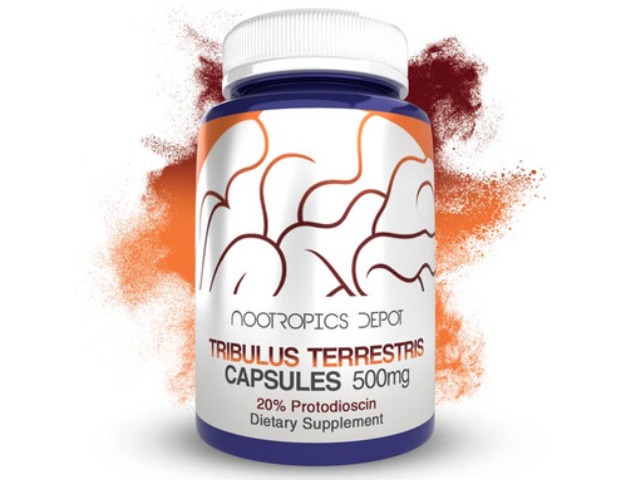
Disclosure: These are affiliate links. I earn a small commission if you purchase — at no extra cost to you. I only recommend products I personally use or have thoroughly researched.
Research & Studies
This section includes 6 peer-reviewed studies referenced in our analysis.