
- Enhanced focus and attention
- Improved memory formation
- Dopamine system support
- Neuroprotection
- Mood stabilization
I spent three months taking choline supplements wondering why my memory wasn’t improving. Turns out I was missing half the equation — you need the building blocks for phosphatidylcholine synthesis, not just the choline itself. That’s where triacetyluridine comes in.
TAU is one of those compounds that doesn’t get enough attention because it’s not flashy. It won’t give you a noticeable “kick” within an hour. But if you’re willing to play the long game, the research and real-world results are compelling.
The Short Version: Triacetyluridine (TAU) is a highly bioavailable form of uridine that supports brain cell membrane synthesis, acetylcholine production, and dopamine signaling. Research shows improvements in focus, memory, and mood, but you need 8-12 weeks of consistent use to see results. Typical dosing is 100-300mg daily with food.
What Is Triacetyluridine?
Triacetyluridine is a prodrug of uridine — meaning your body converts it into uridine after you take it. Uridine is a nucleotide building block that plays essential roles in RNA synthesis, cell membrane formation, and neurotransmitter production.
The “triacetyl” part matters because it dramatically improves bioavailability. Regular uridine gets partially destroyed in the digestive system before it reaches your bloodstream. TAU’s acetyl groups protect it during digestion, then get cleaved off once it’s absorbed, releasing uridine where your body can actually use it. Studies suggest TAU is 4-7 times more bioavailable than standard uridine.
Originally developed for treating uridine deficiency disorders, TAU caught the attention of cognitive enhancement researchers when animal studies showed neuroprotective effects against dopamine depletion. A 2008 clinical trial in bipolar patients found it reduced depressive symptoms and increased brain pH — a marker of improved mitochondrial function. Since then, it’s become a staple in cholinergic and dopaminergic support stacks.
People use TAU primarily for memory enhancement, focus, mood support, and long-term brain health. It’s not a stimulant. It’s a substrate — it gives your brain the raw materials it needs to build better neural infrastructure.
Reality Check: If you’re looking for an immediate cognitive boost, this isn’t it. TAU works on the structural level — supporting the systems that make neurotransmitters and maintain synapses. Think of it as fertilizer for your neurons, not rocket fuel.
How Does Triacetyluridine Work? (The Four-Part Mechanism)
TAU works through multiple interconnected pathways. Understanding how these pieces fit together makes it clear why the effects take weeks to manifest.
Building Better Brain Cells
Once TAU converts to uridine in your system, it becomes a key substrate for phosphatidylcholine synthesis — the primary phospholipid in neuronal membranes. Your brain cells are constantly turning over their membranes, and they need raw materials to do it properly.
Uridine combines with choline (from CDP-Choline or dietary sources) to form CDP-choline, which then gets incorporated into phosphatidylcholine. More phosphatidylcholine means healthier, more fluid cell membranes. Healthier membranes mean better receptor function, more efficient neurotransmitter release, and improved signal transmission.
In plain English: TAU helps your brain build and maintain the physical structures that make thinking possible.
Acetylcholine Production
This is where TAU indirectly supports the cholinergic system. Acetylcholine — the neurotransmitter critical for memory formation and attention — requires both choline AND properly functioning membranes to work optimally.
By providing the uridine substrate for phosphatidylcholine synthesis, TAU ensures there’s adequate “raw material” for acetylcholine production. This is why TAU pairs so well with cholinergic compounds like Alpha-GPC — you’re hitting both sides of the synthesis pathway.
Research in rodents shows that uridine supplementation increases acetylcholine release in the hippocampus and frontal cortex — exactly the brain regions involved in memory and executive function.
Dopamine System Modulation
Here’s where TAU gets interesting for motivation and mood. Uridine directly interacts with striatal D2 dopamine receptors, enhancing dopamine signaling efficiency without increasing dopamine levels themselves.
A 2005 study in Neuromolecular Medicine found that TAU administration protected against MPTP-induced dopamine depletion in an animal model of Parkinson’s disease. The compound didn’t just preserve dopamine neurons — it improved their function.
Pro Tip: If you’re using TAU for dopamine support, don’t expect the rush you’d get from L-Tyrosine or stimulants. This is receptor-level optimization, not transmitter flooding. The effect is subtle stability, not acute euphoria.
Neurogenesis and Synaptic Plasticity
The fourth mechanism — and arguably the most important for long-term cognitive enhancement — is TAU’s role in synapse formation and neural growth.
Uridine activates P2Y2 receptors, which trigger Nerve Growth Factor (NGF) activity. NGF promotes neurite outgrowth (the growth of axons and dendrites) and increases dendritic spine density. More spines mean more potential connections. More connections mean better learning capacity.
Animal studies consistently show that uridine supplementation increases dendritic branching and synapse density in the hippocampus and cortex. This isn’t speculation — researchers have literally counted the synapses under microscopes.
Translation: TAU helps your brain grow new wiring. That’s why the effects are cumulative and why you need 8-12 weeks — you’re not just tweaking neurochemistry, you’re remodeling neural architecture.
Benefits of Triacetyluridine (What the Research Actually Shows)
Let’s be honest about the evidence. TAU has solid mechanistic support and promising clinical data, but we’re not drowning in large-scale human trials. Here’s what we actually know.
Memory and Learning
Evidence level: Moderate (animal studies + small human trials)
Multiple rodent studies show that uridine supplementation improves performance on memory tasks, particularly those involving spatial learning and object recognition. The proposed mechanism is increased hippocampal synapse density and enhanced long-term potentiation (LTP) — the cellular basis of memory formation.
In humans, the evidence is more limited. A small trial combining uridine with DHA and choline showed improvements in memory test scores, but it’s hard to isolate TAU’s specific contribution in a multi-ingredient protocol.
Anecdotally, users report better information retention and easier recall after 6-8 weeks of consistent use. I noticed this myself — not photographic memory, but a reduction in that frustrating “tip of the tongue” phenomenon.
Focus and Attention
Evidence level: Moderate (supported by cholinergic mechanism)
TAU’s enhancement of acetylcholine synthesis provides theoretical support for improved attention, and user reports align with this. The effect isn’t stimulant-like — it’s more like reduced mental drift and better sustained concentration during cognitively demanding tasks.
This tracks with the research on cholinergic enhancement generally. Acetylcholine is critical for selective attention and filtering out distractions. More substrate availability should theoretically improve these functions, though we’re still waiting for controlled trials specifically testing TAU’s effects on attention in healthy adults.
Mood Support (Especially in Bipolar Disorder)
Evidence level: Moderate to Strong (small clinical trial)
The most compelling human data comes from a 2008 study in Experimental and Clinical Psychopharmacology. Researchers gave TAU to bipolar patients experiencing depressive episodes and found significant reductions in depressive symptoms alongside increases in brain pH (measured via MRI spectroscopy).
Brain pH reflects mitochondrial function — when your brain cells are struggling to produce energy, pH drops. TAU appeared to improve mitochondrial efficiency, which makes sense given uridine’s role in cellular energy metabolism.
For neurotypical users, the mood effects are subtler — more emotional stability and stress resilience than acute mood elevation.
Neuroprotection
Evidence level: Strong (preclinical models)
The MPTP study I mentioned earlier is significant. MPTP is a neurotoxin that selectively destroys dopaminergic neurons, and TAU administration prevented much of that damage. This suggests potential applications in neurodegenerative conditions, though we’re nowhere near clinical recommendations yet.
The proposed mechanism involves improved membrane integrity, enhanced antioxidant capacity, and better mitochondrial function. All of these contribute to neurons being more resistant to oxidative stress and toxin exposure.
| Benefit | Evidence Level | Key Research | Typical Timeline |
|---|---|---|---|
| Memory formation | Moderate | Animal studies, small human trials | 8-12 weeks |
| Focus & attention | Moderate | Mechanistic support | 4-8 weeks |
| Mood stabilization | Moderate-Strong | Bipolar trial (2008) | 6-12 weeks |
| Neuroprotection | Strong (preclinical) | MPTP model (2005) | Long-term use |
| Synaptic density | Strong (animal) | Multiple rodent studies | 8+ weeks |
How to Take Triacetyluridine (Without Wasting Your Money)
Here’s the protocol I wish someone had given me when I started.
Dosage
Starting dose: 100mg daily
Standard dose: 150-200mg daily
Upper range: 300mg daily
Therapeutic (clinical context): Up to 1,000mg daily in divided doses
Most people find the sweet spot between 150-250mg. I started at 100mg for three weeks, then moved to 200mg. At that dose, I noticed improved verbal fluency and better memory consolidation after about two months.
Don’t start at 300mg thinking you’ll get faster results. TAU works through structural changes, not acute neurochemical shifts. Higher doses just increase the risk of side effects without speeding up the timeline.
| Use Case | Dosage | Timing | Duration to Assess |
|---|---|---|---|
| Cognitive support | 100-200mg | Morning with food | 8-12 weeks |
| Memory enhancement | 200-300mg | Morning or split AM/PM | 8-12 weeks |
| Mood support | 150-250mg | Morning with breakfast | 10-14 weeks |
| Neuroprotection | 150-200mg | Consistent daily | Ongoing (long-term) |
Timing and Absorption
Take TAU with food — preferably a meal containing some fat. The acetyl groups that protect TAU during digestion are lipophilic, and absorption improves with dietary fat.
Morning dosing works well for most people. Some users split the dose (100mg morning, 100mg afternoon) to maintain more stable levels throughout the day. I didn’t notice a difference between single and split dosing, but your mileage may vary.
Forms and Bioavailability
TAU is usually sold as a powder. It has a slightly bitter taste but dissolves easily in water or juice. Some vendors cap it, which is convenient but more expensive.
You’ll also see regular uridine monophosphate (UMP) sold as a cheaper alternative. UMP works, but you need roughly 4-7 times the dose to match TAU’s bioavailability. When you factor in the higher dose requirements, TAU is often cost-effective despite the higher per-gram price.
Sublingual administration is sometimes mentioned for uridine compounds. I haven’t seen compelling evidence that it improves bioavailability for TAU specifically, and the taste makes it unpleasant. Stick with oral dosing.
Cycling
TAU doesn’t require cycling for most users. It’s a substrate, not a receptor agonist, so you’re not building tolerance in the traditional sense. I’ve used it continuously for months at a time without diminishing effects.
That said, some people cycle purely for cost management or to assess whether they’re still benefiting. A reasonable approach: 12 weeks on, 4 weeks off, reassess.
Insider Tip: Keep a simple log during your first 12 weeks. Note focus, memory, and mood on a 1-10 scale every week. TAU’s effects are subtle and gradual — without tracking, you’ll forget your baseline and won’t know if it’s working.
Side Effects & Safety (What Could Go Wrong)
TAU is generally well-tolerated, but it’s not side-effect-free.
Common Side Effects
Gastrointestinal discomfort — Some users report mild nausea or stomach upset, especially at doses above 200mg. Taking it with food usually prevents this.
Headaches — Occasionally reported, possibly related to changes in acetylcholine dynamics. If this happens, consider adding a choline source like Alpha-GPC or lowering your dose.
Fatigue — A small subset of users report increased tiredness, particularly in the first week or two. This usually resolves with continued use.
Sleep disruption — Rare, but some people find TAU interferes with sleep if taken later in the day. Stick to morning dosing if this happens.
Who Should Avoid TAU
- Pregnant or nursing women — Insufficient safety data
- People with gout — Uridine is metabolized to uric acid, which could theoretically worsen gout
- Individuals with pyrimidine metabolism disorders — Consult a geneticist or metabolic specialist
Drug Interactions
| Medication/Substance | Interaction Type | Risk Level | Notes |
|---|---|---|---|
| Cholinergic drugs | Additive effect | Low-Moderate | May enhance effects; monitor for excessive cholinergic activity |
| Fluorouracil (5-FU) | Metabolic | High | TAU may interfere with chemotherapy; avoid without oncologist approval |
| Anticonvulsants | Unknown | Moderate | Limited data; consult physician before combining |
| Dopaminergic medications | Additive effect | Low-Moderate | May enhance dopamine signaling; monitor for side effects |
Important: If you’re on chemotherapy, particularly fluorouracil-based regimens, do NOT take TAU without explicit approval from your oncologist. There are theoretical concerns about interference with drug metabolism.
Stacking Triacetyluridine (The Combinations That Actually Work)
TAU is rarely used in isolation. It shines when combined with complementary compounds that address different aspects of cognitive function.
For Memory & Learning
TAU 150-200mg + Alpha-GPC 300mg + DHA 500mg
This is the classic “neuronal membrane optimization” stack. TAU provides the uridine substrate, Alpha-GPC supplies choline, and DHA delivers omega-3 fatty acids for membrane fluidity. Take all three with breakfast.
The combination targets phosphatidylcholine synthesis from multiple angles. Research in adolescents showed this trio improved memory test scores, and the mechanistic rationale is solid.
For Focus & Productivity
TAU 150mg + L-Theanine 200mg + Caffeine 100mg + Rhodiola Rosea 300mg
Morning stack for sustained cognitive performance. TAU handles the substrate-level support, L-Theanine smooths out caffeine’s rough edges, and Rhodiola adds adaptogenic stress resistance.
I use this combination on high-demand work days. The effect is calm focus without jitteriness — TAU’s contribution is the foundation that makes the other compounds more effective.
For Mood & Stress Resilience
TAU 200mg + Bacopa Monnieri 300mg + Magnesium L-Threonate 144mg elemental
This stack targets emotional stability and stress response. Bacopa provides anxiolytic effects and memory support, magnesium L-threonate supports synaptic plasticity and NMDA receptor function, and TAU contributes dopaminergic and mitochondrial support.
Take in the morning. Effects accumulate over 8-12 weeks. This isn’t for acute anxiety — it’s for building a more resilient baseline.
What NOT to Combine
Avoid stacking TAU with multiple cholinergic compounds unless you know what you’re doing. The combination of TAU + Alpha-GPC + Huperzine A + Citicoline can lead to excessive acetylcholine activity (headaches, brain fog, depression).
Be cautious combining TAU with racetams if you’re new to nootropics. Racetams increase acetylcholine utilization, and adding TAU + a choline source can sometimes cause overstimulation. Start with one variable at a time.
| Goal | Stack Components | Dosages | Timing | Expected Timeline |
|---|---|---|---|---|
| Memory | TAU + Alpha-GPC + DHA | 200mg + 300mg + 500mg | Morning with food | 8-12 weeks |
| Focus | TAU + L-Theanine + Caffeine | 150mg + 200mg + 100mg | Morning | 4-8 weeks |
| Mood | TAU + Bacopa + Mag L-Threonate | 200mg + 300mg + 144mg | Morning | 10-14 weeks |
| Neuroprotection | TAU + Lion’s Mane + Resveratrol | 150mg + 500mg + 150mg | Morning | 12+ weeks |
My Take
I’ve been using TAU on and off for three years, and it’s one of the few compounds I keep coming back to despite the lack of immediate feedback.
The key insight: TAU is infrastructure, not stimulation. If you approach it expecting a noticeable “kick,” you’ll be disappointed and probably quit before it starts working. But if you’re willing to take it consistently for 10-12 weeks while tracking subjective markers, you’ll likely notice improvements in memory consolidation, verbal fluency, and mental stamina.
In my experience, the benefits are most apparent in retrospect. After two months of TAU + Alpha-GPC, I realized I was retaining podcast information better, remembering names more reliably, and spending less mental energy trying to recall details. It’s not dramatic, but it’s cumulative and persistent.
Who This Is Best For
You should try TAU if:
- You’re willing to commit to 8-12 weeks of consistent use and track results
- You want to support long-term brain health and synaptic density
- You’re building a cholinergic stack and want to optimize acetylcholine synthesis
- You’re interested in dopamine system support without stimulants
- You have a family history of cognitive decline and want a preventive approach
You should probably try something else if:
- You need immediate cognitive effects (try Caffeine + L-Theanine instead)
- You’re impatient or won’t track results (you’ll quit too early)
- You’re on a tight budget (start with Creatine and Magnesium first)
- You have gout or pyrimidine metabolism issues
Better Alternatives for Specific Goals
If your primary goal is acute focus, start with Caffeine + L-Theanine or Rhodiola Rosea.
If you want immediate cholinergic support, Alpha-GPC or CDP-Choline will give you more noticeable effects faster.
If you’re chasing neurogenesis and synaptic plasticity but want stronger evidence, Lion’s Mane has better human trial data.
But if you’re building a comprehensive long-term cognitive optimization protocol, TAU deserves a spot. It’s not flashy, it’s not fast, but the mechanistic rationale is sound and the cumulative benefits are real.
Start at 100-150mg with breakfast, add a choline source, give it 12 weeks, and actually track your results. If you do that, there’s a good chance you’ll keep it in your stack permanently.
Recommended Triacetyluridine Products
I know how frustrating it is to sort through dozens of brands making the same claims. These are the ones I've personally vetted — because quality is the difference between results and wasted money.
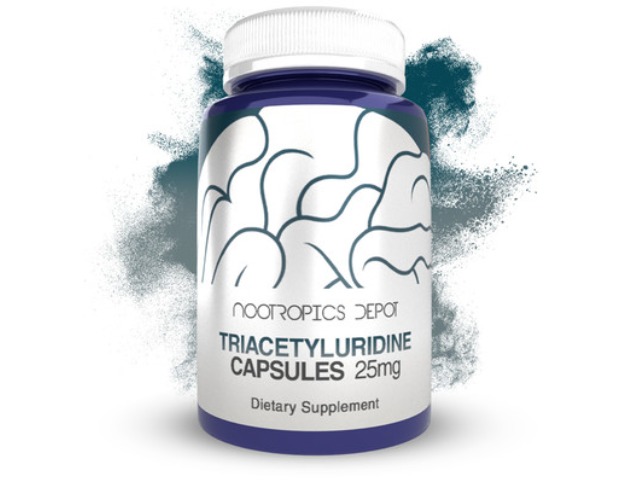
Buy Triacetyluridine Capsules | Uridine Reviews and Benefits by Nootropics Depot
Shop Now →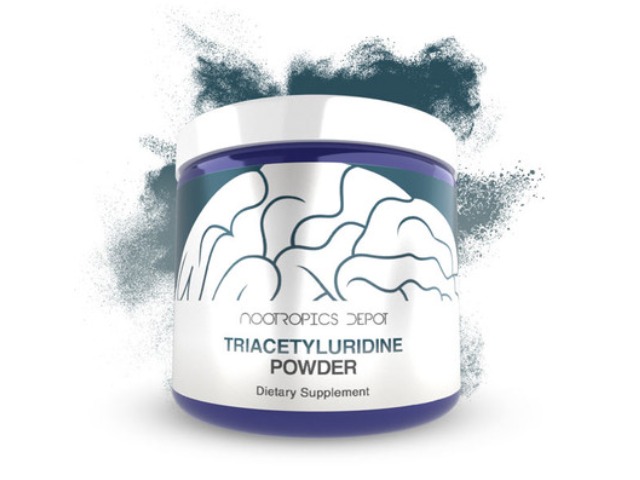
Buy Triacetyluridine Powder by Nootropics Depot
Shop Now →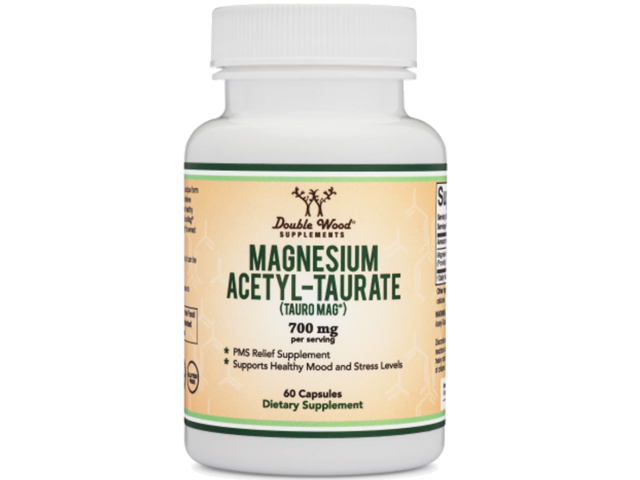
Magnesium Acetyl l Taurate
Shop Now →Disclosure: These are affiliate links. I earn a small commission if you purchase — at no extra cost to you. I only recommend products I personally use or have thoroughly researched.
Research & Studies
This section includes 5 peer-reviewed studies referenced in our analysis.