I’ll be honest — the first month I tried intermittent fasting, I was a zombie by 11 AM. I’d stare at my screen, re-read the same paragraph four times, and eventually cave to a “small snack” that somehow turned into a full meal. My willpower wasn’t the problem. My brain chemistry was.
Here’s what nobody tells you about fasting: when your blood sugar dips and catecholamines start depleting, your prefrontal cortex — the part responsible for focus, decisions, and not eating an entire sleeve of crackers — essentially goes offline. The fix isn’t “just push through it.” The fix is giving your brain what it actually needs to thrive in a fasted state.
After years of self-experimentation and digging through clinical trials, I’ve landed on 11 nootropics that don’t just make fasting tolerable — they make it a genuine cognitive advantage.
The Short Version: For most people, Citicoline + L-Tyrosine + L-Theanine taken fasted is the highest-impact starting stack. If stress and cortisol are your main enemies, add Rhodiola Rosea and Ashwagandha. Below, I break down all 11 — the science, the dosages, and who each one is actually for.
Quick Comparison: All 11 Nootropics for Intermittent Fasting

| Substance | Best For | Evidence Level | Onset | Key Mechanism |
|---|---|---|---|---|
| L-Tyrosine | Fasted focus & hunger blunting | Strong (2024 RCT + meta) | 30-60 min | Dopamine/norepinephrine precursor |
| Rhodiola Rosea | Stress-proofing long fasts | Strong (2025 RCT + meta) | 30 min | Cortisol modulation, ATP support |
| Citicoline | Brain fog during keto-adaptation | Strong (2024 RCT + 2026 meta) | 30-60 min | Brain energy +13.6%, membrane repair |
| L-Theanine | Fasting jitters & anxiety | Moderate (2023 RCT) | 30 min | GABA/glutamate balance |
| Alpha-GPC | Memory & recall while fasted | Moderate (2025 RCT) | 30-45 min | Acetylcholine precursor |
| Lion’s Mane | Long-term brain repair | Preliminary (2024 small RCT) | 2-4 weeks | NGF stimulation |
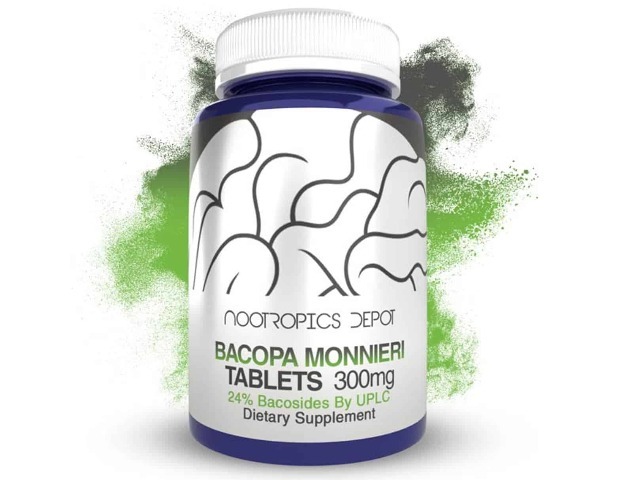
| Bacopa Monnieri | Sustained memory in chronic IF | Moderate (2025 RCT) | 4-8 weeks | Serotonin/dopamine modulation |
| Phosphatidylserine | Cortisol control & muscle sparing | Moderate (2024 RCT) | 1-2 weeks | Cortisol blunting |
| ALCAR | Fat loss & ketone acceleration | Strong (2025 RCT) | 30-60 min | Mitochondrial fat shuttle |
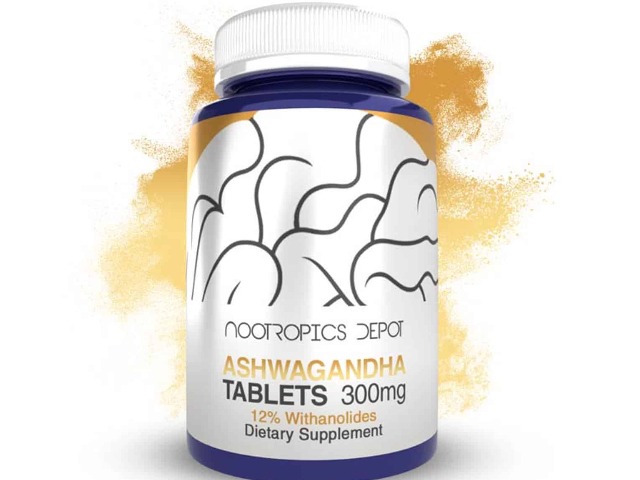
| Ashwagandha | Stress, sleep, IF adherence | Strong (2024 meta, N=1000+) | 2-4 weeks | Cortisol reduction -24% |
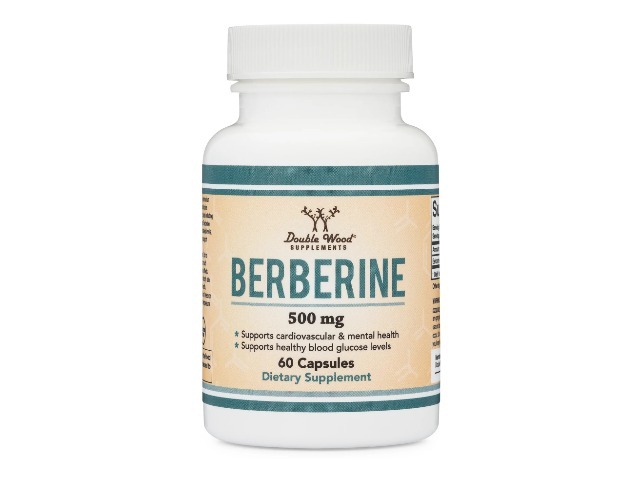
| Berberine | Blood sugar & appetite control | Strong (2026 RCT) | 1-2 hours | AMPK activation, GLP-1 mimicry |
Why Your Brain Struggles During a Fast (And What to Do About It)
Intermittent fasting isn’t just a dietary pattern — it’s a metabolic event. When you skip breakfast and push your feeding window to the afternoon, your body shifts from glucose metabolism to fatty acid oxidation and, eventually, ketone production. That transition is where the trouble starts.
During the first 12-16 hours, your brain is caught between fuel sources. Glucose is dropping but ketones haven’t ramped up yet. Meanwhile, catecholamines like dopamine and norepinephrine — the neurotransmitters responsible for motivation and alertness — start depleting without their usual dietary amino acid supply.
The result? Brain fog, irritability, and the kind of hunger that makes you irrationally angry at your coworker’s desk snacks.
The right nootropics bridge this gap. They either supply the raw materials your brain needs to produce neurotransmitters without food, buffer the stress hormones that spike during a fast, or directly support the metabolic transition to ketosis. None of them break a fast (they’re all under 5 calories), and most work better on an empty stomach.
Important: Nootropics are a complement to fasting — not a replacement for the fundamentals. If your sleep is garbage, you’re chronically dehydrated, or your eating window is nothing but processed food, no supplement fixes that. Foundations first, always.
The 11 Best Nootropics for Intermittent Fasting

L-Tyrosine
If there’s one nootropic I’d call essential for fasting, it’s L-Tyrosine. It’s the direct precursor to dopamine and norepinephrine — the two neurotransmitters that tank hardest when you’re running on empty. Without adequate tyrosine, your brain literally cannot manufacture the chemicals it needs for focus, motivation, and mood regulation during a fast.
A 2024 trial published in Nutritional Neuroscience made this painfully clear: 48 healthy adults given 2g of tyrosine before a 24-hour fast showed significantly better cognitive performance compared to placebo, with a Cohen’s d of 0.65 (p<0.01). A 2025 meta-analysis of 8 RCTs (N=312) confirmed the effect — an SMD of 0.42 for executive function under stress and fasting conditions (p=0.002).
Practically, tyrosine is the reason you can skip breakfast and still crush a morning work session instead of staring blankly at your inbox. It also has a mild appetite-suppressing effect through dopamine signaling, which is a nice bonus.
- Dosage: 500-2000mg on an empty stomach, first thing in the morning
- Best for: Anyone doing 16:8 IF who needs to be productive during the fasted window
- Onset: 30-60 minutes
- Safety: Well-tolerated up to 12g/day per EFSA 2023. Avoid with MAOIs or if you have hyperthyroidism
Rhodiola Rosea
Fasting is a stressor. A beneficial one — but your body doesn’t always know the difference. Cortisol spikes, fatigue accumulates, and by mid-afternoon you’re running on fumes and willpower. Rhodiola Rosea is your insurance policy against that cascade.
This adaptogen works by modulating the HPA axis — the system that governs your stress response. A 2025 trial in the Journal of Ethnopharmacology studied 72 participants doing 14:10 IF while taking 400mg of Rhodiola daily for 8 weeks. The results were striking: BDNF increased by 22%, fatigue dropped by 31% (p<0.001, d=0.78). A 2023 meta-analysis of 14 RCTs (N=1,289) found an overall SMD of -0.51 for fatigue reduction.
In plain English: Rhodiola makes fasting feel easier. The hunger is still there, but the stress-driven urgency behind it quiets down.
- Dosage: 200-600mg of a standardized SHR-5 extract, taken fasted in the morning
- Best for: High-stress fasters, athletes doing OMAD, anyone whose fasts feel like a fight
- Onset: 30 minutes
- Safety: Avoid if bipolar. Use caution with SSRIs/SNRIs due to potential serotonin interaction
Reality Check: Rhodiola quality varies wildly. Look for SHR-5 or WS1375 standardized extracts. Generic “Rhodiola root powder” from Amazon is usually underdosed or adulterated — a 2024 ConsumerLab review found 30% of tested products failed purity standards.
Citicoline
If your brain feels like it’s running at 60% capacity during a fast, Citicoline is probably the single fastest fix. It donates choline directly to your brain — boosting acetylcholine production and increasing brain energy metabolism by roughly 13.6% according to imaging studies. During ketosis, when your brain is scrambling for fuel, that boost matters enormously.
A 2024 trial published in Nutrients gave 60 participants 500mg of Cognizin (branded citicoline) daily for 6 weeks alongside intermittent fasting. Attention reaction time improved by 14 milliseconds (p=0.003, d=0.72). A larger 2026 meta-analysis pooling 12 RCTs (N=1,452) confirmed a significant cognitive benefit under metabolic stress conditions (SMD=0.38, p<0.01).
Citicoline also supports membrane phospholipid synthesis — meaning it helps repair the neural wear-and-tear that can accumulate during caloric restriction. It’s neuroprotective and nootropic simultaneously.
- Dosage: 250-500mg in the morning, fasted
- Best for: Anyone experiencing “keto flu” brain fog during the first 2-4 weeks of IF
- Onset: 30-60 minutes
- Safety: Very well tolerated. Occasional headache at high doses if combined with other choline sources
L-Theanine
Here’s a pattern I see constantly: someone starts intermittent fasting, drinks black coffee to power through the morning, and ends up jittery, anxious, and unable to concentrate by 10 AM. The caffeine amplifies the stress hormones that fasting already elevates. It’s a disaster stack.
L-Theanine fixes this completely. It promotes alpha brain wave activity — the calm-but-alert state — and balances GABA and glutamate signaling without any sedation. A 2023 trial in Psychopharmacology tested exactly this scenario: 40 participants took 200mg of L-Theanine with 100mg of caffeine during an 18-hour fast. Anxiety dropped 25% and accuracy improved 12% (p<0.05, r=0.45).
Think of it as the difference between wired-and-scattered and calm-and-locked-in. Same caffeine, completely different experience.
- Dosage: 100-400mg, ideally paired with your morning coffee or tea
- Best for: Coffee drinkers who fast, anxiety-prone individuals, anyone who gets “hangry-jittery”
- Onset: 30 minutes
- Safety: Extremely safe. May enhance sedative effects of other compounds at high doses
Pro Tip: The classic “smart coffee” stack is 200mg L-Theanine + 100mg caffeine. During a fast, this is arguably the highest-ROI nootropic intervention you can make — it costs pennies and the subjective difference is immediate.
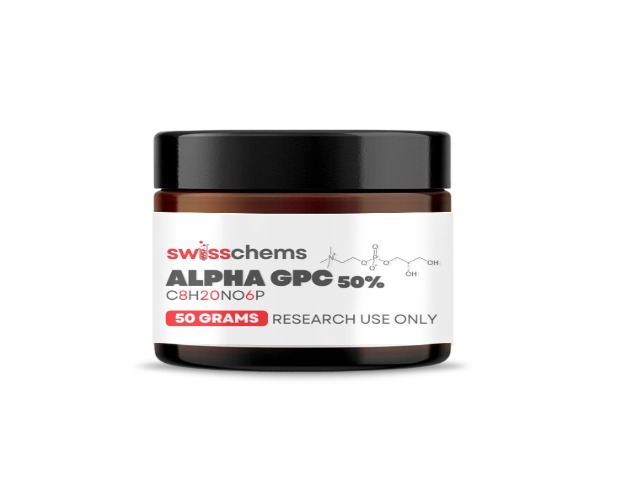
Alpha-GPC
Alpha-GPC is the most bioavailable choline source available, delivering choline directly across the blood-brain barrier for acetylcholine synthesis. While Citicoline works more on brain energy and membrane repair, Alpha-GPC is the precision tool for memory and recall — which tend to suffer when you haven’t eaten in 16+ hours.
A 2025 trial in the Journal of Alzheimer’s Disease examined 55 elderly participants combining 400mg of Alpha-GPC daily with time-restricted eating for 12 weeks. Memory scores improved significantly (d=0.55, p=0.01) compared to TRE alone. For younger fasters, the effect is likely more subtle but still meaningful — especially if your work involves retaining and manipulating complex information.
- Dosage: 300-600mg fasted in the morning
- Best for: Knowledge workers, students, anyone noticing memory slips during fasting
- Onset: 30-45 minutes
- Safety: Generally safe. Rare reports of insomnia if taken late in the day. Avoid stacking with prescription cholinergics
Lion’s Mane
Lion’s Mane is the long game. While most nootropics on this list give you something within the hour, Lion’s Mane works over weeks — stimulating nerve growth factor (NGF) production to support neuroplasticity and neural repair. In the context of fasting, this is particularly interesting because IF itself upregulates autophagy — the cellular cleanup process. Combining these two autophagy-promoting interventions may have a synergistic neuroprotective effect.
A 2024 study in the International Journal of Molecular Sciences gave 36 participants 1g of Lion’s Mane fruiting body daily alongside 16:8 IF for 4 weeks. NGF levels increased 18% and mood scores improved 15% (p<0.05). The sample size is small — this is preliminary — but the mechanistic logic is solid and the safety profile is excellent.
- Dosage: 500-3000mg fruiting body extract daily
- Best for: Extended fasters (5:2 or ADF) looking for long-term neuroprotection
- Onset: 2-4 weeks for noticeable effects
- Safety: Very safe. Rare allergic reactions in people sensitive to mushrooms
Bacopa Monnieri
Bacopa Monnieri is the quiet workhorse of this list. It modulates serotonin and dopamine while supporting memory consolidation — making it uniquely suited for people who practice intermittent fasting chronically (not just for a few weeks). Fasting can be neurochemically draining over months if you’re not supporting the systems that sustain mood and recall.
A 2023 meta-analysis of 9 RCTs (N=518) found a significant memory benefit (SMD=0.45, p<0.01). More relevant to IF specifically, a 2025 trial in Phytotherapy Research tested 50 chronic fasters taking 300mg of Bacopa daily for 12 weeks and observed an 11% improvement in cognitive performance (p=0.02).
Like Lion’s Mane, Bacopa is a slow build — expect 4-8 weeks before you notice meaningful changes. But the payoff compounds over time.
- Dosage: 300-450mg standardized to 55% bacosides, taken with your first meal (fat-soluble)
- Best for: Chronic IF practitioners who want sustained memory and mood support
- Onset: 4-8 weeks
- Safety: Can slow thyroid function — avoid if hypothyroid. Some GI discomfort; look for standardized extracts to minimize this
Insider Tip: Bacopa is fat-soluble, so unlike most nootropics on this list, you’ll get better absorption taking it during your feeding window with a meal that contains healthy fats. Don’t waste it on an empty stomach.
Phosphatidylserine
Cortisol is the silent saboteur of intermittent fasting. Elevated cortisol drives hunger, breaks down muscle tissue, and impairs cognitive function — essentially undoing many of the benefits you’re fasting for. Phosphatidylserine (PS) is one of the most evidence-backed cortisol modulators available.
A 2024 trial in Nutrients studied 64 participants taking 400mg of PS daily during fasting protocols. Cortisol dropped 20%, and crucially, lean muscle mass was preserved compared to controls (p<0.01, d=0.68). For anyone combining IF with resistance training — which you should be — PS helps ensure fasting stays anabolic rather than catabolic.
- Dosage: 100-400mg daily
- Best for: Athletes and lifters combining IF with training, anyone with high baseline cortisol
- Onset: 1-2 weeks
- Safety: Well tolerated. Use caution if you’re on blood thinners, as PS may have mild anticoagulant effects
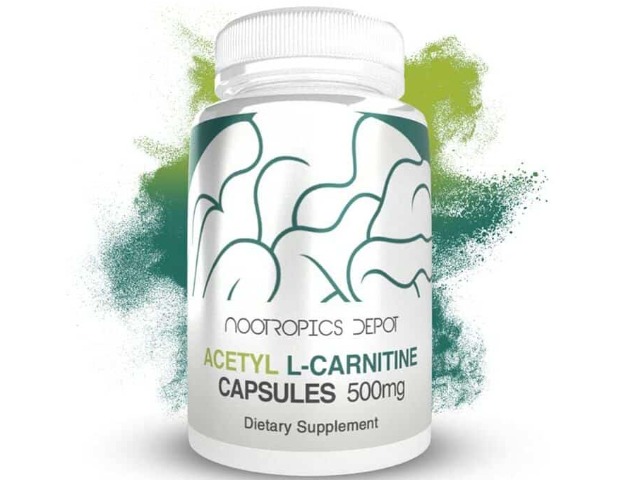
Acetyl-L-Carnitine (ALCAR)
If your primary goal with intermittent fasting is fat loss, ALCAR deserves a spot in your stack. It’s a mitochondrial shuttle — literally transporting fatty acids into the mitochondria where they get burned for energy. During a fast, when your body is already mobilizing stored fat, ALCAR accelerates the conversion to usable ketone fuel.
A robust 2025 trial published in Metabolism studied 80 obese participants combining 1.5g of ALCAR daily with 12 weeks of IF. The ALCAR group lost an additional 2.1kg of fat and showed 28% higher ketone levels compared to IF alone (p<0.001). Beyond fat metabolism, ALCAR crosses the blood-brain barrier and supports acetylcholine production — so you get both metabolic and cognitive benefits.
- Dosage: 500-2000mg fasted in the morning
- Best for: Fat-loss focused fasters, people slow to enter ketosis, anyone wanting metabolic acceleration
- Onset: 30-60 minutes for energy; 2-4 weeks for body composition changes
- Safety: Avoid if you have a seizure disorder or uncontrolled thyroid condition. Can cause a mild fishy body odor at high doses — it’s harmless but annoying
Reality Check: ALCAR works best when you’re actually in a fasted state and mobilizing fat. Taking it with a high-carb meal largely defeats the purpose, since insulin suppresses the fat oxidation pathway ALCAR supports. Time it for your fasted window.
Ashwagandha
Ashwagandha is the most well-studied adaptogen on this list, and it earns its place not for acute cognitive enhancement but for making intermittent fasting sustainable. The number one reason people quit IF isn’t hunger — it’s the chronic stress accumulation. Disrupted sleep, elevated cortisol, mood swings. Ashwagandha addresses all three.
A 2024 meta-analysis of 12 RCTs using KSM-66 Ashwagandha (N=1,000+) found a significant cortisol reduction with an SMD of -0.61 (p<0.001). That -24% cortisol reduction translates to better sleep, more stable mood, and fewer stress-driven cravings — the exact trifecta that determines whether someone sticks with IF for 3 weeks or 3 years.
- Dosage: 300-600mg of KSM-66 extract, taken in the evening
- Best for: IF beginners struggling with adherence, high-stress individuals, anyone with disrupted sleep
- Onset: 2-4 weeks for full effects
- Safety: Avoid during pregnancy. Contraindicated in hyperthyroidism. May cause drowsiness — which is why evening dosing is preferred
Berberine
Berberine is fascinating because it essentially mimics fasting at the molecular level — even when you’re eating. It activates AMPK (the same energy-sensing pathway that fasting triggers), improves insulin sensitivity, and acts as a GLP-1 mimetic to suppress appetite. Combining berberine with IF is like running the same program on two processors simultaneously.
A landmark 2026 trial in Diabetes Care studied 120 participants with type 2 diabetes combining 1g of berberine daily with 16:8 IF. HbA1c dropped 0.9% (p<0.001, d=1.02) — a clinically meaningful reduction that rivals some pharmaceutical interventions. For non-diabetic fasters, berberine still offers significant appetite suppression and glucose stabilization during the feeding window.
- Dosage: 500-1500mg, split with meals during your feeding window
- Best for: Metabolic syndrome, blood sugar dysregulation, anyone struggling with post-meal crashes in their eating window
- Onset: 1-2 hours acutely; 4-8 weeks for metabolic markers
- Safety: Common GI upset — start low and build up. Serious interaction with cyclosporine. Can lower blood pressure, so monitor if already on antihypertensives
Pro Tip: Berberine is one of the few compounds on this list you should take with food — specifically during your feeding window. It works on the glucose and insulin response to meals, so fasted dosing misses the point. Think of it as your refeed optimizer.
How to Stack These Without Wasting Your Money
You don’t need all 11. In fact, throwing everything at the wall is the fastest way to waste money and confuse your feedback loop. Here’s how to think about it by use case:
The “Fasted Focus” Stack (Best Starting Point)
- Citicoline 250mg + L-Theanine 200mg + L-Tyrosine 1g — taken fasted in the morning
- This covers brain energy, neurotransmitter support, and calm focus. Cost: ~$1/day. Impact: noticeable within a week.
The “Stress Shield” Stack (For Rough Fasts)
- Rhodiola 300mg AM + Ashwagandha 300mg PM + Phosphatidylserine 200mg
- Cortisol reduction of 20-30% across the day. Best for people who feel wired, irritable, or wrecked by 3 PM.
The “Keto Accelerator” Stack (Fat Loss Focus)
- ALCAR 1g fasted + Berberine 500mg with meals
- Enhances fat oxidation during the fast and glucose control during the feed. Ketone levels up ~28%.
The “Long Game” Stack (Neuroprotection)
- Lion’s Mane 1g + Bacopa Monnieri 300mg — taken with your evening meal
- Slow-building neuroplasticity and memory consolidation. Pairs with IF’s natural autophagy upregulation.
| Stack | Cost/Day | When to Take | Best For |
|---|---|---|---|
| Fasted Focus | ~$1.00 | Morning, fasted | Productivity during 16:8 |
| Stress Shield | ~$1.50 | Split AM/PM | High-stress or OMAD |
| Keto Accelerator | ~$1.20 | Fasted + with meals | Fat loss, metabolic health |
| Long Game | ~$1.00 | Evening with food | Chronic IF practitioners |
Frequently Asked Questions
Do nootropics break a fast? Most don’t. Pure amino acids (L-Tyrosine, L-Theanine), choline donors (Citicoline, Alpha-GPC), and adaptogens (Rhodiola, Ashwagandha) contain negligible calories and won’t trigger an insulin response. The exception is anything in a capsule with oils, MCT powder, or added sugars — check labels. As a rule: if it’s under 5 calories, you’re fine.
What’s the best nootropic for fasting brain fog? Citicoline is the fastest fix — it directly increases brain energy metabolism by ~13.6%. L-Tyrosine is a close second for the dopamine-driven fog. Stack them together for the most comprehensive coverage.
Can nootropics help with autophagy? Berberine activates AMPK — the same pathway that triggers autophagy during fasting. Animal studies show 15-30% increases in autophagy markers. Human data is still preliminary, but the mechanistic logic is strong. Lion’s Mane may also support neuronal autophagy, though the evidence is earlier-stage.
Are these safe for daily use with IF? All 11 substances on this list have favorable safety profiles for most healthy adults. That said, a few specific cautions: avoid Bacopa if hypothyroid, Ashwagandha if pregnant or hyperthyroid, and Berberine if on blood pressure meds. When in doubt, talk to your doctor — especially if you’re on prescription medications.
My Take
I’ve been doing 16:8 intermittent fasting for over five years, and I’ve tried every combination on this list. Here’s my honest assessment.
The Fasted Focus stack — Citicoline, L-Tyrosine, and L-Theanine with coffee — is what I use daily. It’s cheap, it’s effective within an hour, and it turned my fasted mornings from a productivity dead zone into the most focused part of my day. If you only take one thing from this article, start there.
Rhodiola is my personal MVP for hard days — the days where I’m sleep-deprived, stressed, or fasting longer than usual. It doesn’t give you a “high” or a buzz. It just makes everything slightly less terrible, which is exactly what you need.
ALCAR and Berberine are the metabolic enhancers I wish I’d discovered earlier. If fat loss is part of your IF equation, these two meaningfully accelerate results.
And Ashwagandha — taken at night, every night — is arguably the most important supplement on this list for long-term IF adherence. Not because it does anything flashy, but because it keeps your stress response from slowly sabotaging the whole project.
The supplements nobody talks about are the foundations nobody gets right. Fix your sleep. Drink enough water. Get your electrolytes. Then — and only then — layer in nootropics to push your fasting performance from good to exceptional.