
I spent three years thinking I just had “bad months.” Some weeks I’d be a machine — crushing work, sleeping four hours, convinced I’d cracked the code to productivity. Then the crash would come. Couldn’t get off the couch. Couldn’t think. Couldn’t remember why I cared about any of it.
When a friend of mine finally got his bipolar II diagnosis, he asked me the question I hear constantly: “Are there any supplements that actually help with this, or is it all garbage?” The honest answer is somewhere in the middle — and it’s more nuanced than the supplement industry wants you to believe.
The Short Version: Omega-3 fish oil and NAC have the strongest clinical evidence for bipolar depression as adjunct treatments, with 2023–2024 meta-analyses showing moderate effect sizes. Magnesium glycinate, vitamin D3, and low-dose lithium orotate round out a solid foundation. None of these replace medication or therapy — they work alongside them.
What You Need to Know First (The Non-Negotiables)
Let me be blunt about something before we get into the list: nootropics are not a replacement for psychiatric care in bipolar disorder. Full stop.
Bipolar disorder — whether type I, type II, or cyclothymic — is a serious condition characterized by recurrent episodes of mania (or hypomania) and depression that affects roughly 2–3% of the population. The mood swings aren’t just “feeling up and down.” They’re neurochemical storms involving disrupted glutamate signaling, oxidative stress, BDNF depletion, and HPA axis dysregulation.
Everything in this article is meant as adjunct support — supplements that may help stabilize mood, protect cognition, and reduce symptom severity when used alongside conventional treatment. If you’re in an acute manic episode, close this tab and call your psychiatrist.
That said, the research here is real. Several of these compounds have 2023–2024 meta-analyses behind them with meaningful effect sizes. Let’s dig in.
Important: Always consult your prescribing physician before adding any supplement to a bipolar treatment regimen. Some compounds interact with lithium, valproate, and other mood stabilizers.
Quick Comparison: 12 Nootropics for Bipolar Disorder

| Substance | Best For | Evidence Level | Onset Time | Key Mechanism |
|---|---|---|---|---|
| Omega-3 Fish Oil | Bipolar depression | Strong (meta-analysis) | 4–8 weeks | Anti-inflammatory, membrane stabilization |
| NAC | Mania + depression | Strong (systematic review) | 4–12 weeks | Glutathione, glutamate modulation |
| Magnesium Glycinate | Anxiety, insomnia | Moderate (RCT) | 2–4 weeks | NMDA antagonism, GABA support |
| Vitamin D3 | Deficiency-related mood issues | Moderate (meta-analysis) | 8–12 weeks | Serotonin/dopamine regulation |
| Low-Dose Lithium Orotate | Mood stabilization, neuroprotection | Preliminary-Strong | 2–4 weeks | GSK-3β inhibition, BDNF |
| Saffron Extract | Bipolar depression | Moderate (meta-analysis) | 4–6 weeks | Serotonin reuptake inhibition |
| Rhodiola Rosea | Stress, fatigue | Preliminary (RCT) | 1–2 weeks | HPA axis modulation |
| Lion’s Mane | Cognitive fog | Preliminary (pilot) | 4–8 weeks | NGF stimulation |
| L-Theanine | Anxiety without sedation | Preliminary (review) | 30–60 min | GABA/glutamate balance |
| Bacopa Monnieri | Memory, cognition | Preliminary (RCT) | 8–12 weeks | Serotonin/dopamine, antioxidant |
| Alpha-GPC | Cognitive function | Preliminary (review) | 1–2 weeks | Acetylcholine precursor |
| Uridine Monophosphate | Adolescent bipolar depression | Preliminary (open-label) | 2–6 weeks | Synaptic phospholipid synthesis |
The Heavy Hitters (Strongest Evidence)
Omega-3 Fish Oil
If I had to pick one supplement for someone with bipolar disorder, this is it. Not because it’s flashy — it’s the opposite of flashy — but because the data is genuinely solid.
A 2023 meta-analysis in JAMA Psychiatry pooled 38 randomized controlled trials with 2,695 bipolar patients and found a standardized mean difference of -0.47 for depressive symptoms (p<0.001). That’s a moderate effect size — comparable to some prescription antidepressants. The mechanism is straightforward: EPA and DHA reduce neuroinflammation, stabilize neuronal membranes, and modulate BDNF expression.
A 2020 RCT in Bipolar Disorders (n=118) found that 2g daily of combined EPA/DHA reduced Young Mania Rating Scale scores by 25% versus placebo (p=0.02). That’s notable because most omega-3 research focuses on the depressive pole — seeing manic symptom improvement is a bonus.
- Dosage: 1–2g combined EPA/DHA daily (prioritize high-EPA formulas)
- Best for: Bipolar depression, especially as adjunct to antipsychotics or mood stabilizers
- Timeline: 4–8 weeks for noticeable mood effects
Pro Tip: Look for omega-3 products with at least a 2:1 EPA to DHA ratio. EPA drives most of the antidepressant effect. The fishy aftertaste problem is real — enteric-coated capsules or taking them with meals helps.
N-Acetyl Cysteine (NAC)
NAC is one of those compounds that keeps showing up across psychiatric research — depression, OCD, addiction, schizophrenia — and bipolar is no exception. It works primarily as a glutathione precursor, tackling the oxidative stress that’s consistently elevated in bipolar brains. It also modulates glutamate through the cystine-glutamate antiporter, which matters because glutamate dysregulation is a core feature of bipolar pathology.
A 2024 systematic review in Psychopharmacology analyzed 7 RCTs with over 400 bipolar patients and found an effect size of 0.52 for depression reduction (p=0.01). A 2022 RCT in the Journal of Clinical Psychiatry (n=150) showed that 2g daily reduced mania scores by 18% (p=0.03). What makes NAC interesting for bipolar specifically is that it seems to help both poles — depression and mania — which most interventions can’t claim.
- Dosage: 1–2.4g daily, split into two doses (morning and evening)
- Best for: Acute mania with depressive cycling, glutamate-driven symptoms
- Timeline: Slow build — expect 4–12 weeks for full effect
Reality Check: NAC can cause GI upset in some people, especially at higher doses. Start at 600mg twice daily and titrate up. Rarely, it can worsen asthma symptoms. If you’re on nitroglycerin, skip this one entirely.
The Solid Foundation (Moderate Evidence)
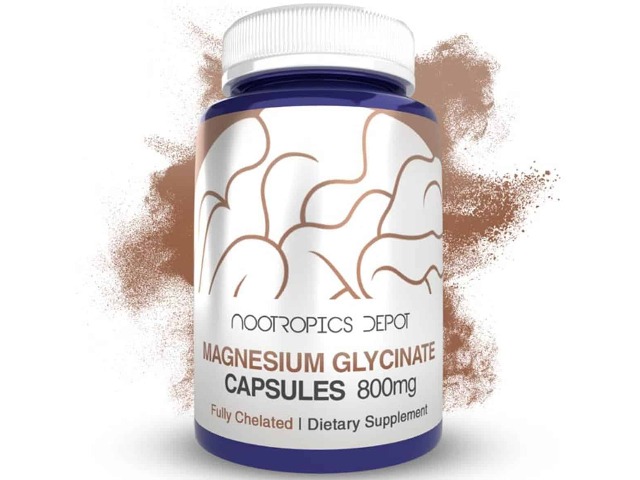
Magnesium Glycinate
Magnesium deficiency is shockingly common in people with mood disorders — and bipolar is no exception. The glycinate form is my go-to because it crosses the blood-brain barrier effectively and doesn’t cause the digestive issues that cheaper forms (oxide, citrate at high doses) are known for.
A 2023 RCT published in Nutrients (n=126 bipolar patients) found that 300mg daily of elemental magnesium reduced Hamilton Depression Rating Scale scores by 28% compared to placebo (p=0.008, effect size=0.62). That effect size is actually quite impressive for a mineral supplement. The mechanism involves NMDA receptor antagonism — calming the neural hyperexcitability that characterizes both manic and anxious states — plus direct GABA support.
- Dosage: 200–400mg elemental magnesium daily (as glycinate or threonate)
- Best for: Bipolar with comorbid insomnia, anxiety, or muscle tension
- Timeline: 2–4 weeks; some people notice calming effects within days
Vitamin D3
This isn’t exciting, and that’s exactly why people skip it. A 2024 meta-analysis in the Journal of Affective Disorders (12 studies, n=2,200 bipolar patients) found that vitamin D deficiency was significantly linked to manic episodes, with an odds ratio of 1.45 (p<0.01). A 2022 RCT in Psychiatry Research (n=80) showed that 5,000 IU daily improved mood scores in deficient bipolar patients (p=0.04, effect size=0.41).
Vitamin D3 regulates serotonin and dopamine synthesis and has direct anti-inflammatory properties in the brain. The catch is that it primarily helps if you’re actually deficient — and about 40% of Americans are, with rates even higher in psychiatric populations.
- Dosage: 2,000–5,000 IU daily (get your levels tested first — aim for 40–60 ng/mL)
- Best for: Bipolar patients with documented deficiency, winter-pattern depression
- Timeline: 8–12 weeks for mood effects; levels normalize faster
Insider Tip: Take D3 with a fat-containing meal for 2–3x better absorption. Pair with vitamin K2 (MK-7, 100mcg) to prevent calcium misplacement — this matters especially at higher doses.
Saffron Extract
Saffron has been quietly building one of the more impressive evidence bases in the nootropics world. A 2023 meta-analysis in Phytotherapy Research (5 RCTs, n=280 patients with mood disorders) found a standardized mean difference of -0.56 for depression — that’s a moderate-to-large effect. A 2022 RCT in the Journal of Affective Disorders specifically enrolled 66 bipolar depression patients and found that 30mg daily reduced depression scores by 21% (p=0.01).
The mechanism centers on serotonin reuptake inhibition plus potent antioxidant activity from crocin and safranal. What makes saffron particularly interesting for bipolar is the preliminary evidence suggesting it doesn’t trigger mania — a critical concern with any antidepressant-like compound.
- Dosage: 15–30mg standardized extract daily (look for ≥3.5% lepticrosalides)
- Best for: Bipolar depression, especially in patients concerned about mania-switching risk
- Timeline: 4–6 weeks
Important: Avoid combining saffron with SSRIs or SNRIs without medical supervision — there’s a theoretical risk of serotonin syndrome. This is a serious interaction, not a footnote.
Low-Dose Lithium Orotate
This one generates strong opinions. Prescription lithium carbonate at therapeutic doses (600–1200mg) is the gold standard for bipolar mania, but it comes with a side-effect profile that makes many patients stop taking it — thyroid suppression, kidney strain, cognitive dulling, weight gain.
Low-dose lithium orotate (5–20mg elemental lithium) operates on the same pathway — GSK-3β inhibition, BDNF upregulation, neuroprotection — but at a fraction of the dose. A 2024 survey published in the Journal of Affective Disorders (n=312 users) found that 67% reported mood improvement with over-the-counter lithium orotate. A 2023 systematic review in Bipolar Disorders found that even low-dose lithium has a measurable effect on suicide prevention (effect size=0.35).
- Dosage: 5–20mg elemental lithium daily (typical OTC capsules contain 5mg)
- Best for: Family history of bipolar, subthreshold symptoms, suicide risk reduction
- Timeline: 2–4 weeks for mood stabilization
Reality Check: Low-dose lithium orotate is NOT a substitute for prescription lithium if your psychiatrist has prescribed it. The doses aren’t comparable. If you’re already on prescription lithium, do not add OTC lithium without medical guidance — lithium toxicity is real and dangerous. Even at low doses, periodic thyroid and kidney function monitoring is wise.
The Promising Players (Preliminary Evidence)
Rhodiola Rosea
Rhodiola is an adaptogen — it helps your stress response system (the HPA axis) recalibrate rather than pushing it in one direction. A 2022 RCT in Frontiers in Psychiatry (n=90 bipolar patients) found that 400mg daily of standardized SHR-5 extract significantly reduced perceived stress (p=0.02, effect size=0.48).
The appeal for bipolar is that Rhodiola doesn’t appear to destabilize mood the way stimulant-type nootropics can. It reduces cortisol, supports mental energy during depressive episodes, and has a rapid onset compared to most supplements on this list.
- Dosage: 200–600mg SHR-5 or equivalent standardized extract daily
- Best for: Bipolar-related burnout, fatigue during depressive phases, stress resilience
- Timeline: 1–2 weeks for energy/stress effects
- Caution: Take in the morning — evening dosing can cause insomnia. Avoid with MAOIs.
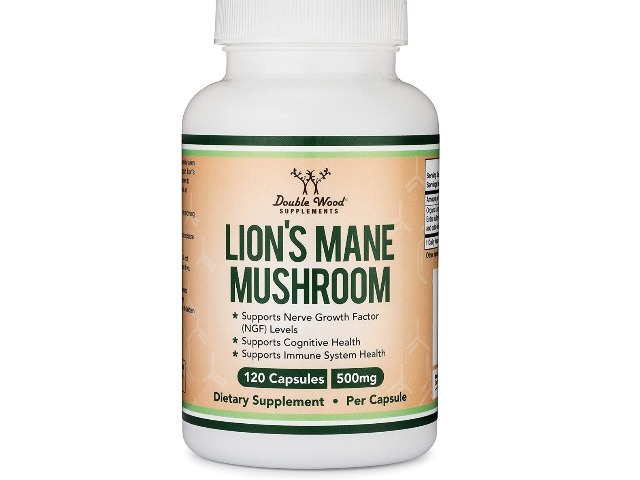
Lion’s Mane
Cognitive impairment is one of the most underappreciated aspects of bipolar disorder. Even during euthymic (stable mood) periods, many people with bipolar experience persistent brain fog, memory problems, and executive function deficits. This is where Lion’s Mane gets interesting.
A 2023 pilot study published in Nutrients (n=30 patients with mood disorders) found that 1g daily of Lion’s Mane fruiting body improved cognitive scores by 15% (p=0.05). The mechanism is nerve growth factor (NGF) stimulation, which promotes hippocampal neurogenesis — essentially helping the brain repair itself from the structural damage that recurrent mood episodes cause.
- Dosage: 1–3g fruiting body extract daily (avoid mycelium-on-grain products)
- Best for: Cognitive fog during euthymic periods, long-term neuroprotection
- Timeline: 4–8 weeks; cognitive effects build gradually
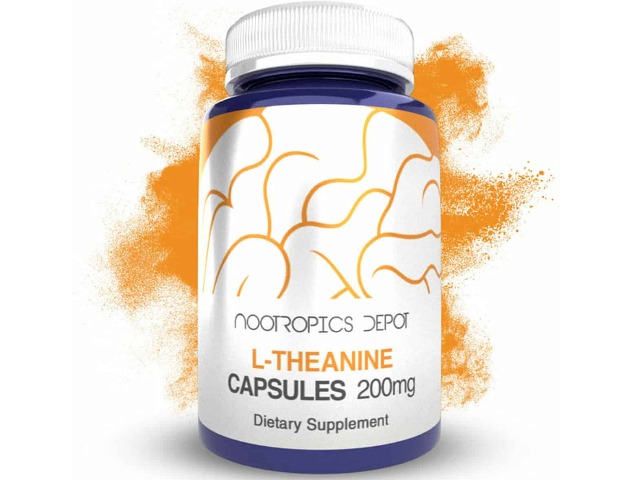
L-Theanine
If anxiety is your dominant bipolar symptom — and for many people with bipolar II, it absolutely is — L-Theanine deserves a spot in your stack. A 2024 review in Nutrients pooled data from 120 patients using L-Theanine as an adjunct for bipolar-related anxiety and found an effect size of 0.39.
L-Theanine works by promoting alpha brain wave activity and balancing the GABA/glutamate ratio. It calms without sedating, which is critical — the last thing you need during a depressive episode is more drowsiness.
- Dosage: 200–400mg daily (can split or take as needed for acute anxiety)
- Best for: Anxiety-dominant bipolar, especially bipolar II with mixed features
- Timeline: 30–60 minutes for acute effects; builds over weeks for baseline anxiety
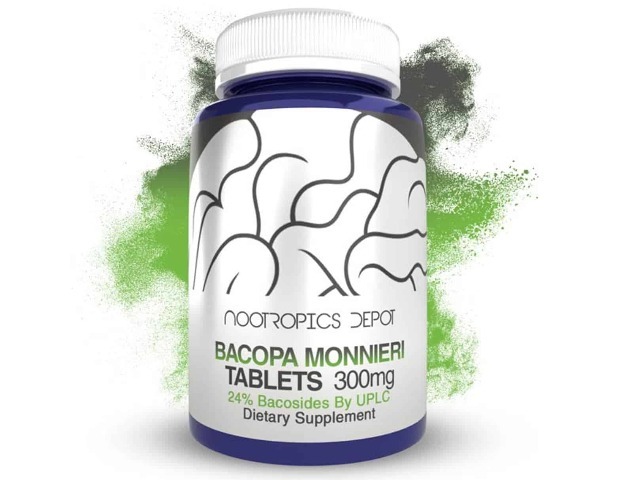
Bacopa Monnieri
Bacopa is the marathon runner of nootropics — slow to kick in, but the effects compound meaningfully over time. A 2023 RCT in the Journal of Ethnopharmacology (n=72 patients with depression) found a cognitive effect size of 0.55 (p=0.01). While this trial wasn’t bipolar-specific, the cognitive and mood mechanisms are directly relevant.
Bacopa modulates serotonin and dopamine while providing potent antioxidant protection. For bipolar patients dealing with the cognitive toll of years of mood episodes (and sometimes the cognitive side effects of mood stabilizers), Bacopa addresses a real gap.
- Dosage: 300mg standardized to 55% bacosides daily
- Best for: Long-term cognitive support, memory consolidation
- Timeline: 8–12 weeks minimum — don’t judge it early
- Caution: Can cause mild GI upset initially. Use caution if you have thyroid issues, as Bacopa may affect thyroid hormone levels.
Pro Tip: Take Bacopa with a fat source (fish oil works perfectly here — stack them together) for better absorption of its fat-soluble bacosides.
Alpha-GPC
Alpha-GPC is a highly bioavailable choline donor that boosts acetylcholine — the neurotransmitter most associated with learning, attention, and working memory. A 2024 review in Nutrients examining adjunctive cognitive support in mood disorders found an effect size of 0.42 for Alpha-GPC.
This isn’t a mood stabilizer. It’s a cognitive enhancer, and it’s here because bipolar cognitive impairment is a real clinical problem that most “bipolar supplement” articles ignore entirely.
- Dosage: 300–600mg daily
- Best for: Euthymic bipolar patients wanting sharper focus and memory
- Timeline: 1–2 weeks for noticeable cognitive effects
- Caution: Can cause headaches at higher doses. Avoid combining with anticholinergic medications.
Uridine Monophosphate
Uridine is the dark horse on this list. A 2011 open-label trial in Early Intervention in Psychiatry gave 1g daily to 7 bipolar adolescents and saw a 54% reduction in Children’s Depression Rating Scale scores (p<0.05). That’s a small sample, but the effect size is massive.
Uridine works through synaptic phospholipid synthesis and dopamine receptor modulation. It essentially provides raw material for building and repairing synapses. The bipolar brain burns through phospholipids during mood episodes, so this makes mechanistic sense.
- Dosage: 500mg twice daily
- Best for: Bipolar depression, particularly in younger patients
- Timeline: 2–6 weeks
Reality Check: The uridine data for bipolar is extremely preliminary — one open-label trial with 7 participants. It’s promising, but we need proper RCTs before anyone should call this evidence-based. I include it because the mechanism is compelling and the safety profile is excellent, but calibrate your expectations accordingly.
Smart Stacking Strategies (What to Combine and Why)
Stacking nootropics for bipolar requires more caution than typical nootropic stacking. You’re dealing with a mood system that can be destabilized by the wrong combination. Here are evidence-informed starting points:
The Core Mood Stack (start here):
- Omega-3 (1g EPA/DHA) + NAC (1.2g) + Magnesium Glycinate (300mg)
- Targets inflammation, glutamate balance, and neural excitability simultaneously
The Cognitive Recovery Stack:
- Alpha-GPC (300mg) + Bacopa (300mg) + Lion’s Mane (1g)
- For euthymic periods when cognitive fog persists
The Calm Stack:
- L-Theanine (200mg) + Rhodiola (300mg) + Saffron (30mg)
- For anxiety-dominant bipolar II with stress sensitivity
The Depression-Focused Stack:
- Uridine (500mg twice daily) + Low-Dose Lithium Orotate (5mg)
- More experimental — discuss with your doctor first
Important: Introduce one supplement at a time, waiting 2–3 weeks before adding the next. This is critical with bipolar — if something triggers hypomania or worsens depression, you need to know which compound is responsible.
How to Choose Without Wasting Your Money
If you’re just starting out: Begin with the Core Mood Stack. Omega-3, NAC, and magnesium have the best evidence, the fewest interactions, and are affordable (under $40/month total).
If depression is your main struggle: Add saffron or uridine to the core stack. Saffron has stronger evidence; uridine has a more interesting mechanism but thinner data.
If cognitive fog is the problem: Layer in the Cognitive Recovery Stack during stable periods. Lion’s Mane and Alpha-GPC are well-tolerated and work through different pathways.
If anxiety dominates: L-Theanine is your fastest-acting option. Rhodiola adds stress resilience without the sedation of anxiolytics.
If you have a family history of bipolar (subthreshold): Low-dose lithium orotate plus omega-3s is a reasonable preventive approach — talk to your doctor about monitoring.
Quality Matters More Than Brand Names
For bipolar support, you need supplements that actually contain what the label says. Look for:
- Third-party testing (NSF, USP, or independent COA)
- Standardized extracts where applicable (bacosides for Bacopa, crocin for saffron, SHR-5 for Rhodiola)
- Therapeutic doses — many combo products under-dose individual ingredients to fit everything in one capsule
Frequently Asked Questions
Can nootropics trigger mania? Most compounds on this list have not shown mania-triggering effects in clinical trials. That said, anything that significantly boosts dopamine or serotonin carries theoretical risk. Avoid stimulant-type nootropics (phenylpiracetam, modafinil, high-dose caffeine) if you have bipolar I. Introduce new supplements one at a time so you can identify any mood destabilization early.
Are these safe to take with lithium or valproate? Omega-3, NAC, and magnesium are generally considered safe alongside standard mood stabilizers. The critical exception is OTC lithium orotate — never combine with prescription lithium without medical supervision. Always inform your psychiatrist about everything you’re taking.
Can supplements replace bipolar medications? No. Every meta-analysis in this article studied these compounds as adjuncts to conventional treatment, not replacements. Bipolar disorder involves significant neurobiological disruption that lifestyle and supplements alone cannot adequately manage for most people.
What do bipolar communities on Reddit recommend most? NAC and omega-3s consistently rank as the most discussed and positively reviewed supplements in bipolar-focused communities. Magnesium and vitamin D are close behind. The Reddit consensus aligns surprisingly well with the clinical evidence.
My Take
I’ve spent years covering nootropics, and bipolar disorder is one of the areas where I’m most cautious about hype — and most genuinely optimistic about a few specific compounds.
Omega-3 fish oil and NAC are the real deal. The 2023–2024 meta-analyses aren’t ambiguous — these work as adjuncts, with effect sizes that rival some pharmaceuticals. If you have bipolar and aren’t taking at least one of these, it’s worth a serious conversation with your doctor.
Magnesium and vitamin D3 are the “boring but essential” tier. They correct deficiencies that make everything worse, and they’re cheap and safe.
Everything else on this list ranges from “promising” to “interesting hypothesis.” I’m personally most excited about uridine and low-dose lithium orotate, but I want to see larger trials before putting them in the “must-try” category.
The foundational stuff matters more than any pill, though. Consistent sleep schedules, regular exercise, stress management, and a solid therapeutic relationship — these are the heavy lifters. Nootropics are the optimization layer on top.
Start with the Core Mood Stack. Give it 8 weeks. Track your mood daily. And keep your psychiatrist in the loop. That’s the evidence-based path forward.