
I bombed my first organic chemistry midterm. Not because I didn’t study — I studied for three straight weeks. The problem was that by hour four of any study session, my brain felt like it was running on dial-up internet. I’d re-read the same paragraph six times, retain nothing, and wonder if I was just not smart enough.
Turns out, my brain wasn’t broken. It was underfueled.
That experience sent me down a rabbit hole that eventually became this entire website. And after eight years of researching, testing, and recommending nootropics as a Functional Nutritional Therapy Practitioner, I can tell you this with confidence: the right compounds, at the right doses, can meaningfully change how well you study, remember, and focus. Not in a “limitless pill” fantasy way — in a measurable, evidence-backed way.
But here’s the catch. The supplement industry wants you confused. There are thousands of “brain pills” out there, and most of them are underdosed garbage wrapped in slick marketing. So I’ve done the filtering for you.
The Short Version: For most students and professionals, a stack built around Citicoline (250–500mg), L-Tyrosine (500mg), and L-Theanine with caffeine will cover focus, memory, and calm alertness. For long-term memory and brain health, add Bacopa Monnieri (300mg daily for 6+ weeks). Below, I break down all 12 evidence-ranked options so you can build the right stack for your situation.
Quick Comparison: The 12 Best Study Nootropics at a Glance

| Substance | Best For | Evidence Level | Onset Time | Key Mechanism |
|---|---|---|---|---|
| Citicoline | Memory + Focus | Strong (multiple RCTs) | 1–2 weeks | Acetylcholine + brain ATP |
| Phosphatidylserine | Memory + Stress | Strong (N=149+ trials) | 2–4 weeks | Cell membrane integrity |
| Bacopa Monnieri | Long-term memory | Strong (2024 N=120) | 4–6 weeks | Synaptic communication |
| L-Tyrosine | Focus under stress | Strong (2023 meta, N>500) | 30–60 min | Dopamine precursor |
| L-Theanine | Calm focus | Moderate–Strong | 30–45 min | Alpha waves + GABA |
| Lion’s Mane | Brain health | Moderate | 4–8 weeks | NGF stimulation |
| Rhodiola Rosea | Fatigue resistance | Moderate | 30–60 min | Cortisol modulation |
| Ashwagandha | Stress + focus | Moderate | 2–4 weeks | Cortisol reduction |
| Alpha-GPC | Acute focus | Mixed | 30–60 min | Choline donor |
| ALCAR | Mental energy | Moderate | 1–2 weeks | Mitochondrial fuel |
| Maritime Pine Bark | Blood flow | Preliminary | 2–4 weeks | Cerebral circulation |
| PQQ | Neuroprotection | Preliminary | 4+ weeks | Mitochondrial biogenesis |
The Top Tier (Strongest Evidence)
These four have the most robust clinical data — multiple randomized controlled trials with meaningful sample sizes and statistically significant results. If you’re building a study stack, start here.
Citicoline
If I could only recommend one nootropic for studying, it would be Citicoline — specifically the branded Cognizin form. Here’s why: it attacks the problem from two angles simultaneously. It boosts acetylcholine synthesis (your brain’s primary memory and learning neurotransmitter) while also increasing brain ATP, which is literally cellular energy for your neurons.
The evidence is hard to argue with. A 2023 randomized, double-blind trial (N=62 healthy adults) found that 250mg of Citicoline daily for 30 days significantly improved memory recall and processing speed compared to placebo (p<0.05). A separate Cognizin-specific study in 100 elderly participants showed 500mg/day enhanced verbal fluency and memory with an effect size of d=0.6 — that’s a clinically meaningful improvement, not just statistically significant noise.
- Boosts both acetylcholine and brain energy production
- 250–500mg/day is the research-supported range
- Well-tolerated with minimal side effects
- Cognizin is the most studied branded form
Best for: Anyone who needs better recall and sustained mental clarity — students, professionals, or anyone over 30 noticing cognitive slip.
Insider Tip: If you’re getting headaches from Citicoline, you’re likely not eating enough choline-rich foods (eggs, liver, fish). The headaches aren’t from “too much choline” — they’re from your brain rapidly upregulating acetylcholine activity while your baseline is low. Eat a few eggs alongside your dose and the headaches typically resolve within days.
Phosphatidylserine
Phosphatidylserine (PS) is one of the most underrated nootropics out there. It’s a phospholipid that makes up about 15% of your brain’s total fat content, and it’s essential for maintaining the integrity of every neuron’s cell membrane. Think of it as structural maintenance for your brain — without enough PS, signals between neurons get sloppy.
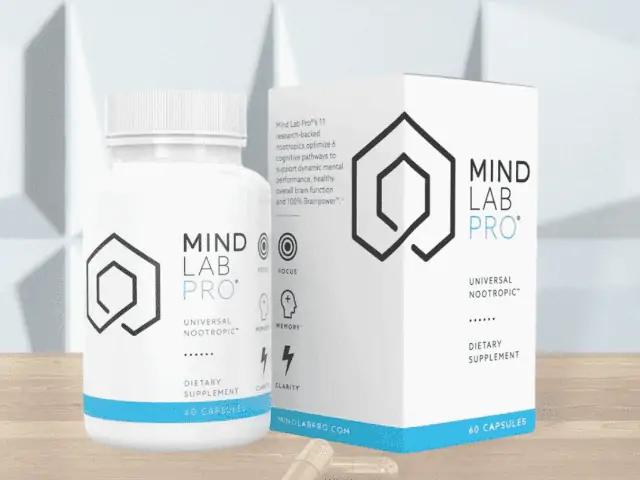
The landmark trial enrolled 149 adults with age-associated memory impairment (AAMI) and gave them 300mg/day of PS for 12 weeks. The results: significant improvements in learning and memory tasks (p<0.01, effect size d=0.7). That’s one of the largest effect sizes you’ll find in nootropic research. PS was also included in the 2023 Mind Lab Pro clinical trial (N=62), where it contributed to measurable memory gains across multiple domains.
Beyond memory, PS pulls double duty as a cortisol buffer. Multiple studies show it reduces stress hormone output during demanding tasks — which matters enormously for test-taking, where anxiety can tank performance regardless of how well you studied.
- 100–300mg/day, standardized to 50% phosphatidylserine
- Reduces cortisol, which helps with test anxiety
- Excellent safety profile, even long-term
- Soy-derived and sunflower-derived versions both work (sunflower preferred for allergy concerns)
Best for: Students dealing with test anxiety, adults 30+ noticing memory slipping, and anyone who studies well but blanks under pressure.
Bacopa Monnieri
Bacopa Monnieri is the slow-burn champion. It won’t do anything impressive on day one — and that’s actually how you know it’s working through legitimate biological mechanisms rather than just spiking a neurotransmitter temporarily.
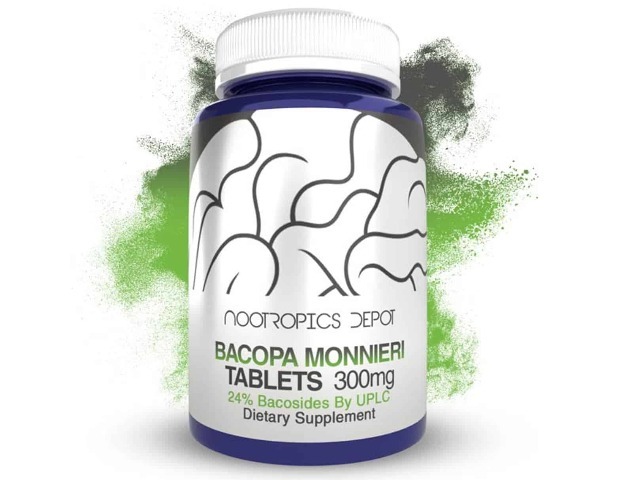
A 2024 randomized, double-blind trial published through Gavin Publishers enrolled 120 healthy adults and tested 300mg/day of Bacopa (standardized to 50% bacosides) over 12 weeks. The results: significant improvements in memory and overall cognition (p<0.001, moderate effect size). Earlier meta-analyses support this, showing consistent benefits for attention and processing speed, though recall results were more mixed in shorter trials.
The mechanism is genuinely interesting. Bacopa enhances synaptic communication by upregulating kinase activity and promoting dendrite branching — essentially making the physical connections between neurons more robust. It also has significant antioxidant properties that protect neurons from oxidative stress during prolonged study sessions.
- 300mg/day standardized to 50% bacosides
- Requires 4–6 weeks of consistent use to see results
- Take with fat (a meal or fish oil) for better absorption
- Nausea is the most common side effect — taking with food usually resolves it
Best for: Long-term memory improvement, especially for students in multi-month study programs or anyone building a knowledge-heavy career.
Reality Check: Bacopa is not a cram-session nootropic. If your exam is next week, L-Tyrosine or Citicoline will serve you better. Bacopa is for the student who plans ahead and wants compounding cognitive benefits over a semester.
L-Tyrosine
If you’ve ever pulled an all-nighter and felt your brain physically give up around 3 AM — that’s dopamine depletion. L-Tyrosine is the amino acid precursor your brain uses to manufacture dopamine and norepinephrine, the neurotransmitters responsible for focus, motivation, and working memory.
A 2023 systematic review and meta-analysis covering 15 studies (N>500 total participants) confirmed that L-Tyrosine significantly improves working memory and multitasking performance under stressful conditions (p<0.05). The key phrase there is “under stressful conditions.” Tyrosine doesn’t do much when you’re relaxed on a Sunday afternoon. It shines when cognitive demands are high — exactly when you need it most.
The NALT (N-Acetyl L-Tyrosine) form is more water-soluble but less efficiently converted. Plain L-Tyrosine at 500mg is the better-studied dose.
- 500mg L-Tyrosine 30–60 minutes before studying
- Most effective under stress, sleep deprivation, or multitasking demands
- Stacks exceptionally well with Citicoline for a focus + memory combination
- Take on an empty stomach for faster absorption
Best for: Exam days, deadline crunches, sleep-deprived study sessions — any scenario where cognitive demands exceed your normal capacity.
The Supporting Cast (Solid Evidence, Specific Uses)
These substances have good evidence and loyal followings, but they tend to shine in specific contexts rather than as universal study aids.
L-Theanine
L-Theanine is the amino acid that makes tea calming without making it sedating. It promotes alpha brain wave activity — the same pattern associated with that “flow state” feeling — while modulating GABA and glutamate signaling to reduce overactive neural firing.
On its own, L-Theanine is a solid anxiety reducer. But paired with caffeine, it becomes something special. The combination delivers clean, sustained focus without the jitters, anxiety, or crash that caffeine alone produces. The 2023 Mind Lab Pro trial (N=62) included L-Theanine and found significant focus enhancement without jitteriness (p<0.05). Earlier controlled trials consistently support the caffeine + L-Theanine pairing for sustained attention.
- 100–200mg L-Theanine with 50–100mg caffeine
- Onset in 30–45 minutes
- No tolerance buildup
- Available in most green tea (though supplemental doses are more reliable)
Best for: Anyone who drinks coffee while studying but hates the anxiety and crashes. This is the simplest, cheapest nootropic upgrade you can make.
Lion’s Mane
Lion’s Mane is the long game. This medicinal mushroom stimulates Nerve Growth Factor (NGF), a protein critical for neuron growth, maintenance, and survival. You won’t feel a thing after your first dose. But over 4–8 weeks, the compounding neurogenesis effects can meaningfully improve learning capacity and memory formation.
The research is promising but still catching up to the hype. A 2023 narrative review in the Journal of Fungi confirmed Lion’s Mane’s ability to upregulate neurotrophic factor expression, and multiple smaller trials show cognitive improvements in older adults. What’s missing are large, well-controlled trials in healthy younger populations — though the mechanistic evidence is strong enough that I include it in my own daily stack.
- 500mg+ of a quality extract (look for 20:1 or hot water/ethanol dual extraction)
- Takes 4–8 weeks for noticeable effects
- Avoid if you have mushroom allergies
- Pairs well with Citicoline for complementary mechanisms (neuron growth + neuron fuel)
Best for: Anyone investing in long-term brain health, not just next-week performance.
Pro Tip: Most Lion’s Mane supplements on Amazon are mycelium-on-grain fillers with almost no active compounds. Look for fruiting body extracts with verified beta-glucan content. If the label doesn’t specify “fruiting body,” assume it’s the cheap stuff.
Rhodiola Rosea
Rhodiola Rosea is an adaptogen that excels at one specific thing: keeping your brain sharp when you’re running on fumes. It modulates the HPA axis to buffer cortisol, while simultaneously supporting ATP production in brain cells — giving you both stress resilience and mental energy.
The clinical literature consistently shows Rhodiola improves cognitive function under fatigue conditions. Look for standardized extracts with 3–5% rosavins and 1% salidroside — the Rhodiolife branded extract meets this spec. Innerbody Labs’ 2026 third-party testing of focus supplements found that 300–350mg of Rhodiolife improved reaction time and motivation scores.
- 200–350mg of standardized extract
- Take in the morning — it can be mildly stimulating
- Don’t stack with strong stimulants if you’re sensitive
- Effects noticeable within the first week for fatigue resilience
Best for: Stressed, sleep-deprived students who need to maintain performance over grueling study periods.
Ashwagandha
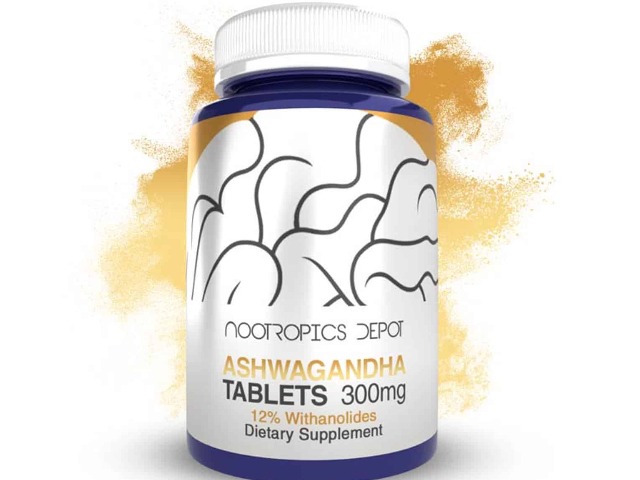
Ashwagandha is the anti-anxiety adaptogen. KSM-66 and Shoden are the two branded extracts with the most clinical data, and both are effective at reducing cortisol levels by 20–30% in chronically stressed populations. Lower stress means better focus, better sleep, and better memory consolidation.
Innerbody Labs’ 2026 analysis found that 120–300mg of KSM-66 meaningfully reduced perceived stress while aiding sustained focus. Earlier meta-analyses of ashwagandha trials consistently show anxiolytic effects comparable to some prescription medications — without the sedation or dependency risk.
- 120–300mg KSM-66 or Shoden extract daily
- Can cause drowsiness — take in the evening if this happens
- Avoid if you have autoimmune thyroid conditions (it can modulate thyroid hormone)
- Pairs naturally with Rhodiola Rosea for a comprehensive stress stack
Best for: Students whose biggest study problem isn’t intelligence — it’s anxiety. If stress is what’s killing your focus, start here.
Important: If you’re on thyroid medication, SSRIs, or benzodiazepines, talk to your doctor before adding Ashwagandha. It has real pharmacological activity and can interact with these medications.
The Specialists (Targeted or Emerging Evidence)
These have real science behind them but either fill niche roles or need more human trials before I’d call them must-haves.
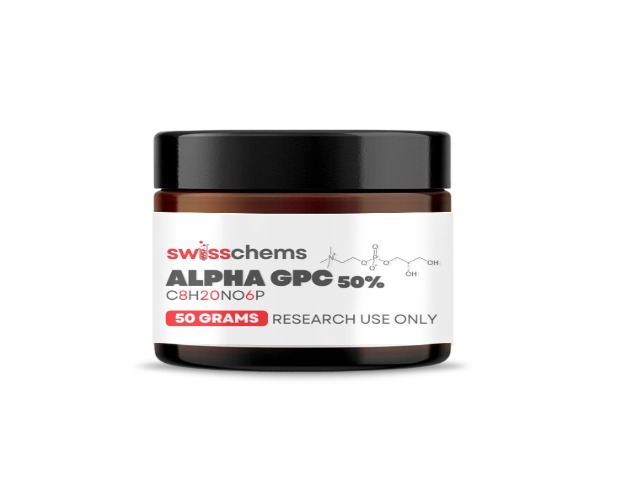
Alpha-GPC
Alpha-GPC is the most bioavailable choline source — it crosses the blood-brain barrier efficiently and directly contributes to acetylcholine synthesis. On paper, it’s the perfect study nootropic. In practice, the evidence is messier than the marketing suggests.
Some trials show acute improvements in focus and power output (it’s popular in the athletic performance world). But head-to-head, Citicoline has more consistent cognitive data. Alpha-GPC didn’t consistently outperform placebo or caffeine in several controlled studies, which is why I rank it below Citicoline despite its theoretical potency.
- 250–500mg, 30–60 minutes before studying
- More likely to cause headaches than Citicoline
- May work better for acute, single-session focus than for ongoing use
- The 50% Alpha-GPC form is standard; avoid underdosed blends
Best for: People who’ve tried Citicoline and want something with a slightly different feel, or those who also want the athletic performance benefits.
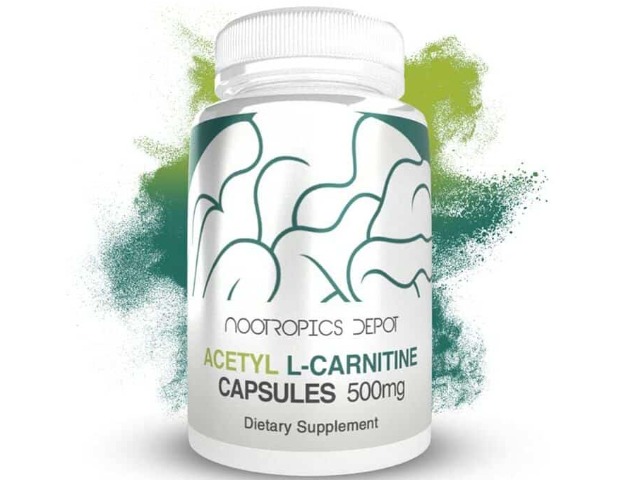
Acetyl-L-Carnitine
ALCAR is one of the few compounds that crosses the blood-brain barrier and directly supports mitochondrial energy production in neurons. If your brain fog feels more like “running out of battery” than “can’t focus,” ALCAR targets that specific bottleneck.
The research supports its role in neuroprotection and cognitive energy, particularly in aging populations. In combination stacks (like ThinkEase’s formulation at 750mg), users report meaningful improvements in sustained mental energy without the crash that stimulants produce.
- 500–750mg daily
- Take in the morning (can be mildly stimulating)
- The “fishy odor” side effect is real but harmless — store in a cool, dry place
- Stacks well with PQQ for a mitochondrial support duo
Best for: Brain fog sufferers, anyone over 40 dealing with cognitive fatigue, and students who feel mentally exhausted despite sleeping adequately.
Maritime Pine Bark
Maritime Pine Bark extract (standardized to 95% proanthocyanidins) is an antioxidant that improves cerebral blood flow — essentially getting more oxygen and nutrients to your brain during demanding cognitive tasks. It’s been included in several multi-ingredient formulas (including Mind Lab Pro) with positive results.
The standalone evidence is preliminary. Small trials show improvements in working memory, but we need larger, well-controlled studies to say anything definitive. As a stack component, though, it makes mechanistic sense — better blood flow means better delivery of every other nootropic you’re taking.
- 75mg standardized extract
- Works best as part of a broader stack, not standalone
- Minimal side effects reported
- May enhance the effectiveness of other nootropics by improving their delivery to the brain
Best for: A supporting player in a comprehensive stack — not a lead actor.
PQQ
PQQ (Pyrroloquinoline Quinone) promotes mitochondrial biogenesis — the creation of new mitochondria in your cells, including neurons. This is a fundamentally different mechanism than most nootropics, which typically modulate neurotransmitters or blood flow. PQQ is about building more cellular power plants.
The human trial data is limited but growing. At 10–20mg daily, PQQ shows promise for long-term neuroprotection and cognitive maintenance. It’s not going to help you cram for tomorrow’s exam, but it may help ensure your brain is still sharp in 20 years.
- 10–20mg daily
- Very limited acute cognitive effects — this is a longevity play
- Stacks well with ALCAR for comprehensive mitochondrial support
- No significant side effects at recommended doses
Best for: Long-term brain health enthusiasts, biohackers building a neuroprotection stack, and anyone thinking beyond next week’s exam.
How to Build Your Stack (Without Wasting Money)
Here’s the thing most nootropic articles won’t tell you: you probably don’t need twelve supplements. You need the right two or three for your specific situation.
The Student Survival Stack (Exam Season)
| Substance | Dose | Timing |
|---|---|---|
| L-Tyrosine | 500mg | 30 min before studying |
| Citicoline | 250mg | With breakfast |
| L-Theanine + Caffeine | 200mg + 100mg | As needed |
Why it works: Tyrosine refuels dopamine under stress, Citicoline supports memory encoding, and the Theanine-caffeine combo keeps you alert without the jitters. Total cost: ~$40/month.
The Long-Term Memory Builder
| Substance | Dose | Timing |
|---|---|---|
| Bacopa Monnieri | 300mg | With a fatty meal |
| Citicoline | 500mg | Morning |
| Phosphatidylserine | 300mg | With food |
Why it works: Bacopa strengthens synaptic connections over time, Citicoline fuels acetylcholine for encoding, and PS maintains neuron membrane health while buffering cortisol. Commit to 8+ weeks.
The Stress Destroyer
| Substance | Dose | Timing |
|---|---|---|
| Rhodiola Rosea | 300mg | Morning |
| Ashwagandha | 300mg KSM-66 | Evening |
| L-Tyrosine | 500mg | Before demanding tasks |
Why it works: Rhodiola handles acute stress and fatigue, Ashwagandha reduces chronic cortisol over time, and Tyrosine prevents dopamine depletion during high-demand periods.
Reality Check: Before you spend $100/month on nootropics, make sure you’re sleeping 7+ hours, exercising regularly, and eating actual food. No supplement stack will compensate for a diet of energy drinks and ramen. I’m serious — I’ve seen clients add $200/month in supplements while sleeping five hours a night, and then wonder why nothing works. Fix the foundation first.
Safety and Interactions — What You Actually Need to Know
| Substance | Watch Out For | Avoid If… |
|---|---|---|
| Citicoline | Headaches (rare) | Taking anticholinergic meds |
| L-Tyrosine | Hypertension risk with MAOIs | On MAOIs or thyroid medication |
| Ashwagandha | Drowsiness, thyroid changes | Autoimmune thyroid conditions |
| Rhodiola | Overstimulation | Stacking with strong stimulants |
| Alpha-GPC | Headaches, GI upset | Anticholinergic medications |
| Bacopa | Nausea, slow onset | Need immediate results |
| Lion’s Mane | Allergic reactions | Mushroom allergies |
General rule: Start with one substance at a time, give it 2 weeks, then add the next. This way you know exactly what’s working and what’s causing any side effects. The urge to start five things at once is strong — resist it.
My Take
After eight years of researching and personally testing nootropics, here’s my honest assessment: the difference between “the best nootropic” and “the right nootropic for you” is everything.
If I had to build one universal study stack, it would be Citicoline (250mg) + L-Tyrosine (500mg) + L-Theanine with caffeine. That covers memory encoding, focus under pressure, and calm alertness — the three pillars of effective studying. Total monthly cost under $50. Add Bacopa Monnieri if you’re in it for the long haul.
For the anxious studier whose brain won’t shut off, Ashwagandha and Phosphatidylserine are where I’d start. For the brain fog sufferer who sleeps fine but still can’t think clearly, look at ALCAR and Citicoline.
But remember — and I will never stop saying this — supplements are the last 10-20% of the optimization equation. Sleep, exercise, real food, and stress management are the other 80-90%. I’ve watched more people transform their cognitive performance by fixing their sleep than by taking any pill. The nootropics on this list work best when they’re enhancing a brain that’s already getting what it needs to function.
You don’t need a neuroscience degree to figure this out. You just need honest information and a willingness to experiment systematically. That’s what I’m here for.