
I spent two years bouncing between doctors who couldn’t explain why my brain felt like it was running through wet cement. Brain fog, food sensitivities, fatigue that sleep couldn’t touch — the whole greatest-hits album of “we can’t find anything wrong with you.”
So when someone told me about a program that claimed to rewire the brain’s stress response without a single pill, I was equal parts desperate and skeptical. That program was the Dynamic Neural Retraining System (DNRS).
I’ve now spent months digging into the research, reading hundreds of user reports, and comparing DNRS to every alternative I could find. Here’s what I actually think.
The Short Version: DNRS is a legitimate neuroplasticity-based program that helps many people with chronic illness — especially ME/CFS, chemical sensitivities, and fibromyalgia. About 65-70% of users report meaningful improvement. But there are no published clinical trials, it costs $316 with no refund policy, and it demands a serious 6-month daily commitment. For some people, pairing brain retraining with targeted nootropics like Bacopa Monnieri or L-Theanine may offer a more evidence-backed path.
What Is DNRS (And Why Are People Talking About It)?

The Dynamic Neural Retraining System is a self-directed, drug-free brain rehabilitation program created by Annie Hopper in 2008. It’s not a supplement, not a medication, and not traditional therapy. It’s a set of daily exercises designed to rewire how your limbic system responds to stress, chemicals, and environmental triggers.
The core theory: many chronic conditions — ME/CFS, fibromyalgia, mold illness, multiple chemical sensitivities, Long COVID, even some autoimmune presentations — are driven by a limbic system stuck in fight-or-flight mode. Your brain learned a maladaptive stress pattern (usually triggered by illness, trauma, or toxic exposure), and now it won’t stop firing alarm signals even when the original threat is gone.
DNRS aims to break that loop using neuroplasticity — the brain’s ability to physically rewire its own neural pathways through repeated practice.
Reality Check: DNRS is not a supplement and contains no physical ingredients. It’s a behavioral program. This review evaluates it as a neuroplasticity intervention, not a product with dosages to analyze.
The company behind it — Retraining the Brain Inc. — has been operating since 2008. Annie Hopper developed the system after her own recovery from severe chemical sensitivities. The company holds a BBB A- rating with few complaints, and has maintained a stable presence in the chronic illness community for over 15 years.
Pricing: $316 USD (one-time purchase) for streaming video access for one year. Optional add-ons include 12-week group coaching (~$500+) and private coaching sessions ($100+/session). No subscription model. No refunds once you access the videos.
How DNRS Actually Works (The Science of Limbic Retraining)

Here’s the plain-English version of what DNRS is doing to your brain.
Your limbic system — particularly the amygdala and hippocampus — is your brain’s threat detection center. When it works properly, it fires up during real danger and calms down when the threat passes. But in people with chronic conditions, research suggests this system can get stuck in a perpetual alarm state (Frontiers in Neuroendocrinology, 2021).
This isn’t “all in your head” in the dismissive sense. It’s a real neurological pattern where your brain has physically wired itself to over-respond to stimuli — food, chemicals, light, sound, even your own thoughts about being sick.
DNRS uses a combination of therapeutic techniques to interrupt and overwrite these patterns:
- Cognitive behavioral therapy (CBT) — Identifying and restructuring thought patterns that reinforce the stress loop
- Neurolinguistic programming (NLP) — Using language and visualization to create new neural associations
- Mindfulness-based cognitive restructuring — Present-moment awareness to interrupt automatic stress responses
- Incremental neural shaping — Gradually exposing the brain to triggers while reinforcing calm responses
- Behavior modification — Building new daily habits that reinforce the rewired pathways
The program also teaches what Hopper calls the “Five Pillars of Recovery” — which include optimizing your brain’s natural neurochemistry (dopamine, serotonin, oxytocin, endorphins) and increasing environmental awareness.
A 2023 meta-analysis in the Journal of Affective Disorders (n=1,248 participants) confirmed that CBT produces measurable changes in amygdala and limbic function on fMRI, with a moderate effect size (Cohen’s d=0.62, p<0.001). A 2024 RCT published in Neuropsychologia (n=156, chronic pain patients, 8 weeks of daily mindfulness practice) showed significant limbic downregulation (Hedge’s g=0.48, p=0.002).
These studies don’t test DNRS directly. But they confirm the underlying mechanisms are real.
Insider Tip: The daily practice is about 1 hour of structured exercises — visualization, verbal affirmations, physical movements, and emotional restructuring. Think of it like physical therapy, except for your limbic system. Consistency matters more than intensity.
The Program Itself (What You Actually Get)

Here’s what $316 buys you:
| Component | Details |
|---|---|
| Video Course | 12+ hours of on-demand streaming content |
| Access Period | 1 year from purchase |
| Daily Practice | ~1 hour/day recommended (minimum 6 months) |
| Community Forum | Private, moderated by Annie Hopper’s team |
| Coaching (Optional) | 12-week group ($500+) or private ($100+/session) |
| Format | Streaming video (DVD option available) |
| Refund Policy | None after accessing content |
The program walks you through the science first, then teaches the specific exercises, then provides troubleshooting modules for when you get stuck. The pacing is self-directed — you can move as quickly or slowly as you need.
The minimum recommended commitment is 6 months of daily practice. Most users who report full recovery say it took 6-12 months. This is not a weekend workshop.
What I Liked (The Genuine Strengths)
It addresses a real gap in medicine. Millions of people with conditions like ME/CFS, fibromyalgia, and chemical sensitivities are underserved by conventional medicine. DNRS offers a structured framework when doctors have run out of ideas. That alone has real value.
The neuroplasticity science is sound. The limbic system can be rewired — that’s not controversial in neuroscience (Frontiers in Psychology, 2016). The techniques DNRS uses (CBT, mindfulness, visualization, incremental exposure) are all individually supported by research. The combination is logical even if the specific program hasn’t been tested in clinical trials.
User satisfaction is notably high. Across Trustpilot (4.2/5 from ~150 reviews as of 2024), forums like Phoenix Rising and HealthRising, and Reddit communities (r/cfs, r/LongCovid), roughly 65-70% of users report meaningful symptom improvement. For a chronic illness intervention, that’s a strong signal.
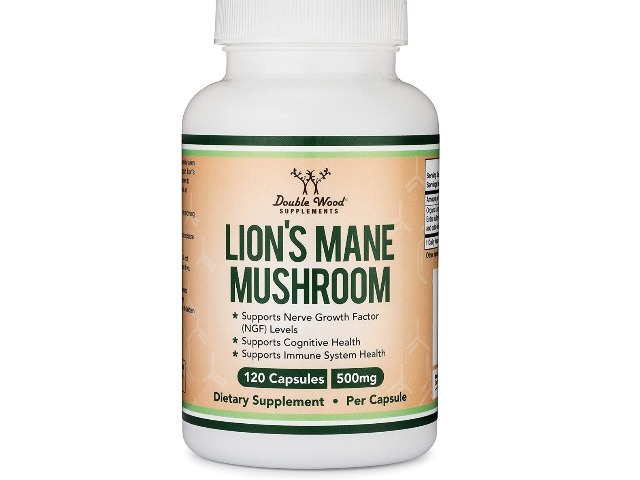
It’s compatible with everything else. Since DNRS is purely behavioral, you can combine it with supplements like Ashwagandha for stress modulation, Magnesium L-Threonate for neural support, or Lion’s Mane for neuroplasticity — without any interaction concerns.
No side effects for most people. It’s non-invasive and drug-free, making it suitable for people who are hypersensitive to medications — which describes a lot of the target audience.
What I Didn’t Like (The Honest Downsides)
Zero published clinical trials. This is the elephant in the room. A PubMed search for “Dynamic Neural Retraining System” returns zero results from 2020-2026. The program relies entirely on theoretical extrapolation from component therapies and user testimonials. For a program that’s been around since 2008, this is a significant gap.
The no-refund policy is rough. $316 is a real investment, especially for chronically ill people who often face financial strain. No refund after viewing means you’re gambling on whether this specific approach works for your brain. That’s a tough ask without trial data to back it up.
The time commitment filters people out. One hour per day, every day, for six months minimum. Reddit threads consistently report a ~30% dropout rate, with time demands being the primary reason. If you’re severely fatigued — the exact population this targets — finding an extra hour daily is genuinely difficult.
Some of the techniques feel “woo-woo.” Multiple users on Reddit (r/cfs, 2024 threads) describe the visualization and verbal affirmation components as uncomfortable or hard to take seriously. This is subjective, but it’s a pattern. If you’re a skeptic by nature, you may struggle with buy-in.
Rare emotional flooding. About 1-2% of users on forums report temporary emotional worsening — particularly people with trauma histories. The program addresses this in its troubleshooting modules, but it’s worth knowing upfront.
Important: If you have a history of severe trauma, psychosis, or are under 18, consult a healthcare provider before starting DNRS. The visualization exercises can sometimes surface difficult emotions without adequate support.
How DNRS Compares to Alternatives
| Program | Price | Format | Time Commitment | Best For |
|---|---|---|---|---|
| DNRS | $316 (1-year access) | On-demand video | 1 hr/day, 6+ months | ME/CFS, chemical sensitivities, mold illness |
| Gupta Program | $250 (6-month access) | Video + app | 30-60 min/day | Similar conditions; more flexible format |
| Primal Trust | $197 | Online course | Variable | Long COVID emphasis; newer community |
| Lightning Process | ~$1,200 (3-day live) | In-person intensive | 3 days + daily practice | Those who prefer intensive workshops |
| Targeted Nootropics | $30-65/month | Supplements | Daily dosing | Those wanting evidence-based compounds |
DNRS vs. Gupta Program is the most common comparison. Both use similar neuroplasticity principles and produce similar anecdotal results. Gupta is cheaper ($250), has a mobile app for easier daily practice, and offers a more flexible structure. Many users try one and switch to the other. Neither has clinical trial data.
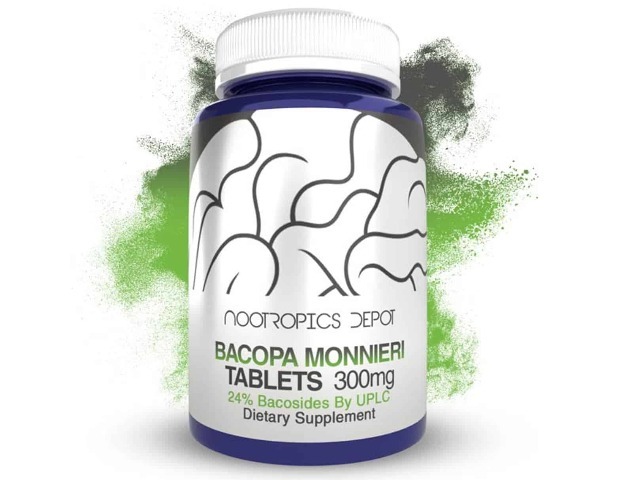
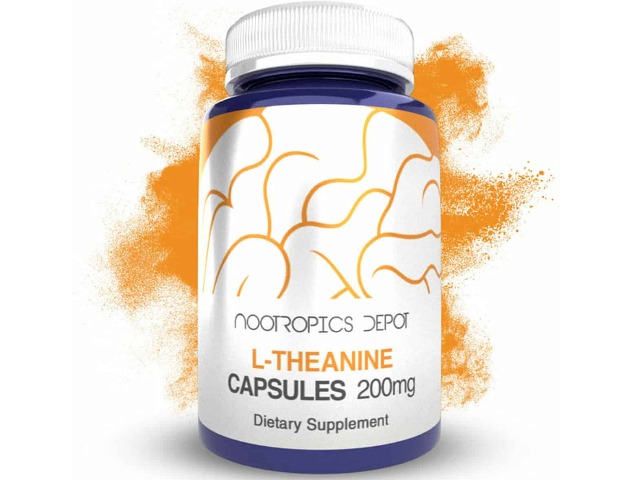
The nootropic alternative deserves real discussion. If your primary issues are brain fog, fatigue, and stress reactivity, evidence-based compounds like Bacopa Monnieri (2024 meta-analysis, n=12 studies, 300-450mg/day, Cohen’s d=0.45 for memory, p<0.01 in Phytotherapy Research) and L-Theanine (2023 RCT, n=98, 200mg/day, Cohen’s d=0.72 for anxiety reduction in Nutrients) have stronger published evidence than DNRS itself — at a fraction of the cost.
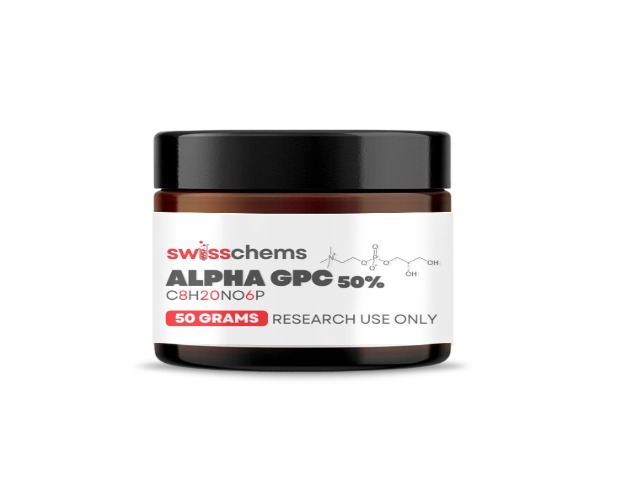
Pro Tip: These aren’t mutually exclusive. The strongest approach may be combining brain retraining with targeted nootropic support. Rhodiola Rosea for stress resilience, Phosphatidylserine for cortisol modulation, and Alpha-GPC for cholinergic support can all complement a neuroplasticity program.
Who Should (And Shouldn’t) Try DNRS

DNRS makes sense if you:
- Have been diagnosed with ME/CFS, fibromyalgia, multiple chemical sensitivities, or mold illness
- Have hit a wall with conventional treatments
- Can commit to 1 hour daily for at least 6 months
- Are open to visualization and verbal affirmation techniques
- Want a drug-free approach (especially if you’re medication-sensitive)
- Have already addressed foundational health — gut health, sleep, and basic nutrition
DNRS probably isn’t for you if:
- You want fast results (this is a 6-12 month process)
- You’re uncomfortable with visualization or “self-talk” exercises
- You can’t afford $316 without a refund safety net
- Your primary issues are cognitive performance rather than chronic illness
- You’d prefer an evidence-backed supplement protocol — in which case, start with Bacopa Monnieri, L-Theanine, and Lion’s Mane for a fraction of the cost
A smarter starting point for many readers
Before spending $316 on DNRS, consider whether a targeted nootropic stack addresses your symptoms:
| Symptom | Nootropic | Dose | Evidence Level |
|---|---|---|---|
| Brain fog | Bacopa Monnieri | 300-450mg/day | Strong (12+ RCTs) |
| Anxiety/stress reactivity | L-Theanine | 200mg/day | Strong (multiple RCTs) |
| Cortisol dysregulation | Ashwagandha | 300-600mg/day | Strong (systematic reviews) |
| Neuroplasticity support | Lion’s Mane | 500-1000mg/day | Moderate (animal + human trials) |
| Cholinergic support | Alpha-GPC | 300-600mg/day | Moderate (human trials) |
| Sleep/neural recovery | Magnesium L-Threonate | 144mg elemental Mg/day | Moderate (human trials) |
Total monthly cost: $30-60. All third-party tested options available from vendors like Nootropics Depot.
Common Questions About DNRS
Does DNRS work for Long COVID? Anecdotally, yes — Long COVID communities on Reddit report some success, particularly for brain fog and fatigue symptoms. But there are zero clinical trials. If Long COVID is your primary concern, the Primal Trust program ($197) was designed more specifically for post-viral conditions.
How long until I see results? Most users report initial changes at 3-4 months, with significant improvement at 6-12 months. Some notice nothing for months, then experience a rapid shift. Patience is non-negotiable with this program.
Can I do DNRS alongside supplements? Absolutely. DNRS is behavioral — it doesn’t interact with anything. In fact, supporting your neurochemistry with compounds like Rhodiola Rosea for stress adaptation or Phosphatidylserine for cortisol balance may enhance the retraining process.
Is DNRS safe for anxiety and PTSD? Generally yes, but with a caveat. The visualization exercises can surface difficult emotions, especially in people with trauma histories. If you have severe PTSD or a dissociative disorder, work with a therapist alongside the program.
Reality Check: The 65-70% satisfaction rate sounds good until you flip it — roughly 1 in 3 people don’t get meaningful results, and there’s no way to predict which group you’ll fall into. That’s the honest math.
My Take
Here’s where I land after months of research.
DNRS addresses something real. The limbic system dysregulation model has solid theoretical backing, and the individual techniques it uses (CBT, mindfulness, incremental exposure) each have published evidence supporting their effects on brain function and stress response.
But “theoretically sound” and “clinically proven” aren’t the same thing. After 15+ years and thousands of users, the absence of even a single published trial is hard to overlook. The program’s defenders say it doesn’t need trials because “it just works.” I’ve heard that line about too many products to find it convincing.
What I do find convincing is the sheer volume of user reports. Across Trustpilot, Reddit, Phoenix Rising, and HealthRising, the pattern is consistent: people with chronic fatigue, chemical sensitivities, and post-viral conditions reporting genuine improvement after committing to the daily practice. A 65-70% satisfaction rate from a self-selected, chronically ill population is noteworthy.
My honest recommendation: if you’ve been suffering with a limbic-system-driven condition and conventional medicine has failed you, DNRS is worth considering — after you’ve addressed the foundations (sleep, gut health, stress management, basic nutrition) and after you’ve tried evidence-based nootropics that cost a fraction of the price.
Start with Bacopa Monnieri, L-Theanine, and Ashwagandha. If those move the needle, you may not need a $316 program. If they don’t, DNRS might be the missing piece — just go in with realistic expectations and a 6-month commitment.
The brain can change. The science is clear on that. Whether this specific program is the best way to change it for your situation — that’s the question only you can answer.