I spent my twenties choking down chalky protein shakes after every gym session like it was some kind of holy sacrament. Two scoops of whey, a banana, a splash of milk — the post-workout ritual I believed was building muscle while my actual diet was a dumpster fire of ramen and energy drinks. It took years of studying functional nutrition to realize that no amount of protein powder can fix a broken foundation. And that’s the dirty secret the $100-billion supplement industry doesn’t want you to hear.
The Short Version: Protein shakes can genuinely help with muscle recovery, satiety, and filling dietary gaps — but a 2024 Bayesian meta-analysis found their performance benefits essentially disappear when total calorie intake is matched. They’re a useful tool, not a magic bullet. Prioritize whole foods, get your gut health dialed in, and use shakes strategically for convenience — not as a replacement for actual nutrition.
What Protein Shakes Actually Are (And What They’re Not)
Let’s strip away the marketing. A protein shake is concentrated protein — typically 20–40g per serving — derived from sources like whey, casein, soy, pea, rice, or hemp, mixed with liquid. That’s it. It’s not a superfood. It’s not a meal. It’s an isolated macronutrient in powder form.
The reason they “work” is straightforward biochemistry. The amino acid leucine — abundant in whey protein — triggers the mTOR pathway, which is essentially your body’s master switch for muscle protein synthesis (MPS). Liquid protein gets absorbed faster than a chicken breast, making shakes convenient for the post-workout window.
Here’s what they’re missing: fiber, micronutrients, phytonutrients, and the complex food matrix that whole foods provide. A shake gives you protein. An egg gives you protein plus choline, B vitamins, selenium, and omega-3s. A serving of lentils gives you protein plus fiber, iron, folate, and prebiotic starch that feeds your gut microbiome.
Reality Check: Protein powder is a processed food. A useful one — but processed nonetheless. If your diet is built on shakes instead of whole foods, you’re leaving a lot of nutrition on the table.
The Science on Performance (It’s Not What the Ads Say)
This is where it gets interesting — and where a lot of fitness content gets it wrong.
A landmark 2024 Bayesian meta-analysis published in Sports Medicine Open aggregated over 20 studies covering 313+ athletes and examined whether protein supplements actually improve athletic performance compared to placebo or carbohydrates. The results are more nuanced than any supplement company wants to admit.
What the meta-analysis found:
| Outcome | Effect Size (SMD) | 95% CI | Bayes Factor | Verdict |
|---|---|---|---|---|
| Endurance (vs. placebo) | 0.37 | 0.02–0.71 | 1.6 | Small benefit |
| Strength (vs. placebo) | 0.72 | 0.18–1.27 | 4.37 | Moderate benefit |
| Glycogen resynthesis (vs. carbs) | 0.83 | 0.21–1.46 | 4.84 | Notable benefit |
| Energy-matched trials | No significant effect | — | — | Null |
Read that last row again. When researchers controlled for total calorie intake — meaning the placebo group ate the same number of calories — the benefits of protein supplementation essentially vanished. The strength effect (SMD 0.72) and endurance effect (SMD 0.37) only showed up in energy-unmatched trials where the protein group was simply eating more.
Translation? A big chunk of the “benefit” from protein shakes may just be the benefit of eating enough food.
The dose-response analysis was equally sobering. Across supplemental protein doses from 0 to 3g/kg bodyweight per day, there were no significant improvements in endurance, strength, or recovery when energy was matched. More protein powder ≠ more gains if your overall diet is already sufficient.
Insider Tip: Before spending $50/month on protein powder, do the math on your actual protein intake from food. Most people eating a reasonably balanced diet with meat, eggs, dairy, or legumes are already hitting 1.2–1.6g/kg — the range where protein supplementation provides diminishing returns.
Weight Loss — The Honest Version
Let’s address the elephant in the room. Protein shakes are marketed heavily for weight loss, and the mechanism is legitimate: protein has a thermic effect of 20–30% (meaning your body burns 20–30% of protein calories just digesting it, versus 5–10% for carbs). Protein also suppresses the hunger hormone ghrelin and boosts satiety hormones like PYY.
So yes, swapping a 400-calorie muffin for a 150-calorie protein shake will help you lose weight. But that’s not the shake doing magic — that’s a calorie deficit doing what calorie deficits do.
The research supports higher-protein diets for weight-loss maintenance, but it’s the total daily protein intake that matters, not whether it comes from a shaker bottle or a plate of salmon. If you’re already eating 1.2–1.6g/kg of protein from food, adding a shake on top doesn’t accelerate fat loss — it just adds calories.
Where shakes genuinely help with weight management:
- Convenience — easier than cooking when you’re in a rush
- Portion control — a measured scoop removes guesswork
- Muscle preservation during a deficit — adequate protein protects lean mass when cutting calories
- Snack replacement — beats the vending machine every time
Where they don’t help:
- If you’re drinking them on top of your regular meals without adjusting calories
- If the shake is loaded with sugar, oils, or caloric add-ins
- If you’re using them as a substitute for addressing sleep, stress, or gut health
Reality Check: No protein shake has ever out-worked a bad diet, poor sleep, or chronic stress. If you’re struggling with weight, start with the foundations: sleep quality, stress management with adaptogens like Ashwagandha or Rhodiola Rosea, and gut health. Then optimize protein.
Whey vs. Plant: Choosing Without Wasting Your Money
The protein wars are fierce. Whey loyalists cite its superior bioavailability (PDCAAS score of ~1.0, the highest possible) and leucine content. Plant advocates point to sustainability and digestive comfort. Here’s what actually matters.
| Factor | Whey Protein | Plant Protein (Pea/Rice Blend) |
|---|---|---|
| PDCAAS Score | ~1.0 | 0.6–0.9 (blends approach 1.0) |
| Leucine per serving | 2.5–3g | 1.5–2g (unless fortified) |
| Digestion speed | Fast (30–60 min) | Moderate (60–90 min) |
| Common issues | Lactose intolerance, bloating | Grittier texture, less studied |
| Sustainability | Higher environmental impact | Lower footprint |
| Price (2026 avg) | $1.00–1.50/serving | $1.20–1.80/serving |
For muscle protein synthesis, whey has a slight edge due to its leucine content and absorption speed. But — and this is important — plant protein blends that combine pea and rice protein create a complete amino acid profile that performs comparably in longer-term studies. If whey wrecks your stomach, a quality plant blend is not a compromise.
If you go plant-based, look for blends fortified with leucine (aim for >2.5g per serving) to match whey’s MPS-triggering potential. And consider pairing with Citicoline for cognitive support — because brain health and physical recovery aren’t separate goals.
Pro Tip: Whatever protein source you choose, check for third-party testing (NSF International or USP verification). The protein powder industry has a contamination problem — heavy metals, undeclared ingredients, and label inaccuracies are more common than you’d think. Use Labdoor or ConsumerLab ratings as a starting point.
Side Effects Nobody Warns You About
Protein shakes are generally safe for healthy adults, but “generally safe” isn’t the same as “zero downsides.”
Digestive issues are the most common complaint. Whey concentrate contains lactose, which roughly 68% of the global population has trouble digesting. Even whey isolate (which removes most lactose) can cause bloating in sensitive individuals. If your gut is already compromised — and most people’s is — adding a processed protein concentrate isn’t going to help. Consider supporting your digestive system with L-Theanine for stress-related gut issues and prioritize whole-food protein sources.
Hidden sugars and additives are rampant. Many commercial shakes contain 10–15g of added sugar per serving, artificial sweeteners like sucralose or acesulfame-K, seed oils, thickeners, and “natural flavors” that are anything but. These aren’t benign — artificial sweeteners can disrupt gut microbiome composition, and chronic inflammation from processed additives undermines the very recovery you’re trying to support.
Kidney concerns — the perennial fear. Here’s the evidence-based take: there is no credible research showing that high-protein diets cause kidney damage in healthy adults. The concern applies specifically to people with pre-existing chronic kidney disease (CKD), where protein loads above 2g/kg can accelerate hyperfiltration. If your kidneys are healthy and you’re staying hydrated, protein intake up to 3g/kg appears safe short-term.
What to watch for:
- GI distress (bloating, gas, cramping) — switch protein source or reduce serving size
- Sugar/sweetener content — aim for <5g sugar per serving
- Heavy metal contamination — especially in plant proteins (rice accumulates arsenic)
- Caloric overcounting — shakes add up fast when blended with milk, fruit, and nut butter
The Nootropic Angle: Protein Meets Brain Performance
Here’s where my perspective as a functional nutritionist diverges from standard fitness advice. Protein doesn’t just feed your muscles — it provides the amino acid building blocks for neurotransmitter synthesis. L-Tyrosine, found in protein-rich foods and whey, is a precursor to dopamine, norepinephrine, and epinephrine. Tryptophan converts to serotonin and melatonin.
But here’s the nuance: isolated protein powder doesn’t deliver these amino acids the same way whole foods do. The food matrix matters. The cofactors matter. A steak with vegetables provides protein plus the B vitamins, iron, and zinc needed for enzymatic conversion of amino acids into neurotransmitters.
If you’re using protein shakes and also care about cognitive performance — and you should — consider stacking with:
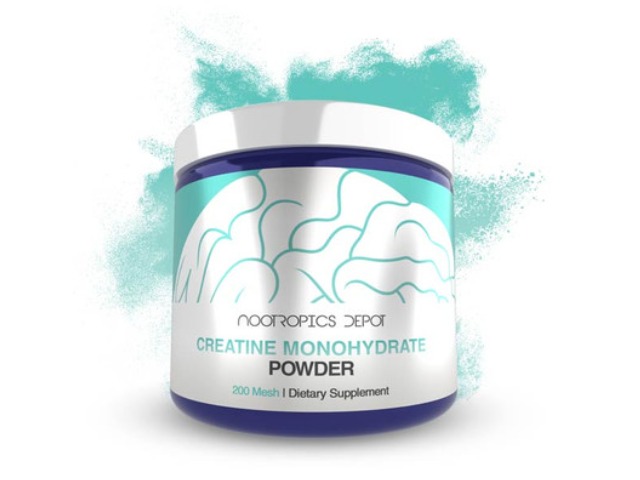
- Creatine Monohydrate — 3–5g daily supports both muscle performance and brain energy metabolism. One of the most well-studied compounds in sports nutrition and nootropics.
- Alpha-GPC — a choline source that supports acetylcholine production for focus and mind-muscle connection during training
- Bacopa Monnieri — an adaptogen that reduces cortisol and supports long-term memory; helps with the stress of intense training programs
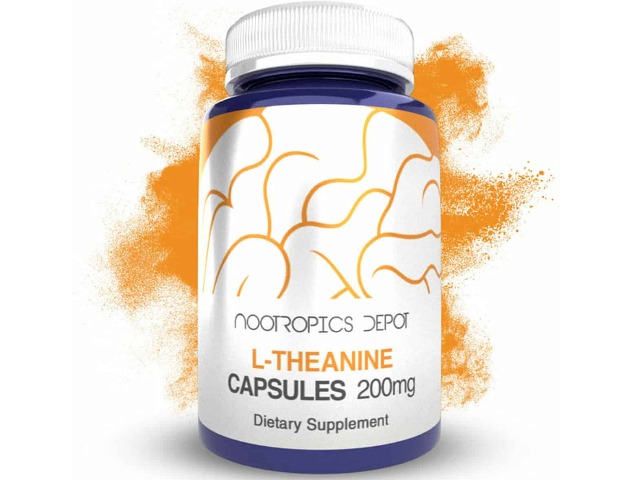
- L-Theanine — pair with caffeine pre-workout for calm, focused energy without the jitters
- Rhodiola Rosea — research supports its role in reducing perceived exertion and supporting endurance performance
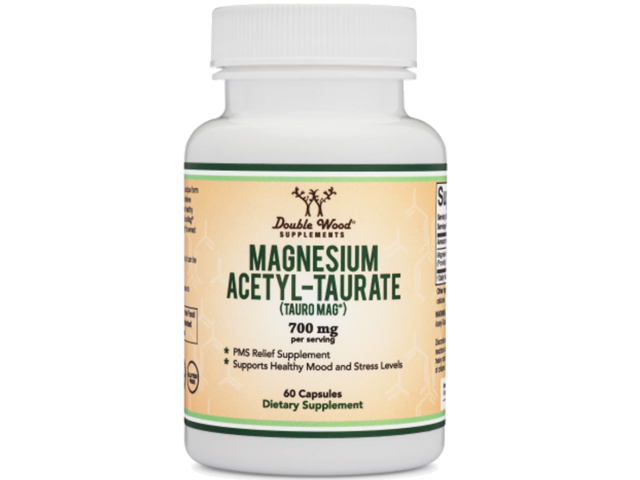
- Magnesium — most athletes are deficient; critical for muscle relaxation, sleep quality, and over 300 enzymatic reactions
Insider Tip: If you’re training hard and supplementing protein, don’t neglect Creatine Monohydrate. The evidence for creatine is arguably stronger than the evidence for protein shakes — and it’s pennies per serving. It supports both ATP regeneration in muscles and brain energy under cognitive load.
A Practical Protocol (What I Actually Recommend)
Here’s how I suggest integrating protein shakes — if and when they make sense for you:
Step 1: Audit your current protein intake. Track 3 days of normal eating. If you’re consistently hitting 1.6–2.2g/kg from food, you probably don’t need a shake. Save your money.
Step 2: If you have a genuine gap, fill it strategically.
- Post-workout (within 2 hours): 20–30g whey or plant blend + a fast carb source (banana, berries). The 2024 meta-analysis showed a glycogen resynthesis effect (SMD 0.83) when protein was combined with carbs — this is where shakes genuinely shine.
- Meal replacement in a pinch: Add fiber (chia seeds, spinach), fat (nut butter, avocado), and greens to make it nutritionally complete. A naked protein shake is not a meal.
- Before bed (if cutting): 20g casein for slow-release amino acids overnight to protect muscle mass during a caloric deficit.
Step 3: Keep supplemental protein under 2g/kg/day. The 2024 dose-response data showed no additional benefits beyond this threshold — and you want the majority of your protein coming from whole foods for the micronutrient density.
Step 4: Run a 4-week self-experiment. Track body composition (DEXA scan if available, or simple measurements + progress photos), training performance, energy, and digestion. If you’re not seeing measurable improvement, the shake isn’t doing enough to justify the cost and digestive load.
| Goal | Daily Protein Target | Shake Timing | Suggested Type |
|---|---|---|---|
| Muscle gain | 1.6–2.2g/kg total | Post-workout | Whey isolate or plant blend |
| Weight loss | 1.2–1.6g/kg total | Snack replacement | Low-cal whey or casein |
| General health | 0.8–1.2g/kg total | As needed for gaps | Any third-party tested |
| Endurance training | 1.4–1.8g/kg total | Post-session + carbs | Whey + carb source |
What to Look for (And What to Avoid) in 2026
The global whey protein market hit $97.25 billion in 2024 and is projected to reach $128.11 billion by 2032. That’s a lot of money chasing your wallet. Here’s how to navigate it:
Green flags:
- Third-party tested (NSF International, Informed Sport, or USP)
- Short ingredient list (<10 ingredients)
- Less than 5g sugar per serving
- Leucine content >2.5g per serving
- No proprietary blends hiding actual amounts
Red flags:
- “Fat burner” or “weight loss” claims on the label
- Proprietary blends
- Artificial colors
- Added creatine or caffeine (get those separately so you can control dosing)
- No third-party testing seal
Products worth considering (based on 2026 testing data):
| Product | Protein/Serving | Sugar | Testing | Price Est. |
|---|---|---|---|---|
| Optimum Nutrition Gold Standard Whey | 24g | 1g | NSF Certified | ~$1.20/serving |
| Orgain Organic Plant Protein | 21g | 0g | USP Verified | ~$1.50/serving |
| Momentous Essential Grass-Fed Whey | 24g | 1g | NSF Certified for Sport | ~$2.00/serving |
My Take
Look — I sell nootropic advice for a living, and even I’ll tell you that a protein shake is one of the least interesting supplements you can take. It’s dried, processed protein. It works because protein works, not because there’s anything magical in the tub.
The 2024 meta-analysis tells us what honest practitioners have said for years: if your diet and total calories are already on point, protein supplements offer marginal-to-zero additional benefit. The strength effect (SMD 0.72) and endurance effect (SMD 0.37) are real — but they appear to be largely an artifact of the protein group simply eating more.
Does that mean shakes are useless? No. They’re genuinely useful for:
- Athletes with protein needs above 1.6g/kg who struggle to eat enough whole food
- People in a caloric deficit trying to preserve lean mass
- Anyone who’d otherwise skip protein entirely due to time or convenience
But they’re not the foundation of good health. Your gut microbiome, your sleep, your stress management, your whole-food nutrition — those are the foundation. Protein shakes are a tool. A useful one, when applied correctly. Just don’t mistake the tool for the blueprint.
If you’re going to invest in supplements that actually move the needle on both physical and cognitive performance, start with Creatine Monohydrate, Magnesium, and a solid adaptogen like Ashwagandha. Then — and only then — worry about which protein powder to buy.