As a Functional Nutritional Therapy Practitioner, I see a recurring pattern in my clients that conventional medicine often overlooks. They come in exhausted but unable to sleep. Wired yet unmotivated. Dependent on caffeine just to function, crashing every afternoon, and struggling to handle stressors that used to feel manageable. Blood work comes back “normal,” and they’re told nothing is wrong.
I know this pattern intimately because I lived it for years. I was running on coffee and sugar, dragging myself through afternoon energy crashes, and constantly operating in a state of low-grade stress that I’d normalized as “just how life is.” It wasn’t until I started investigating my own adrenal health — and supporting my overworked glands with targeted nutrition and lifestyle changes — that I understood what genuine, sustainable energy actually felt like.
The functional health world calls this “adrenal fatigue.” Whether or not you accept that label (and there’s legitimate debate about it), the underlying physiology is real: chronic stress disrupts cortisol regulation, depletes critical nutrients, and progressively erodes your capacity to respond to life’s demands. The good news is that with the right approach, recovery is very achievable.
Key Takeaways: Adrenal fatigue describes a state of chronic stress-induced cortisol dysregulation, progressing through alarm, resistance, and exhaustion stages. Key symptoms include persistent fatigue, brain fog, afternoon energy crashes, poor stress tolerance, and cravings for sugar, caffeine, or salt. Recovery involves a multi-faceted approach: stabilizing blood sugar, correcting nutrient deficiencies (B vitamins, vitamin C, magnesium), reducing inflammation, and supporting cortisol regulation with adaptogens like ashwagandha and Rhodiola rosea. Most people see meaningful improvement within 3-6 months of consistent support.
What Are the Adrenal Glands?
Your adrenal glands are small, triangular organs sitting atop your kidneys. Despite their size, they’re among the most important endocrine glands in your body — directly responsible for your stress response, energy regulation, hormonal balance, and immune function.
Each adrenal gland has two distinct layers:
The adrenal cortex (outer layer) produces over 50 hormones, including cortisol, DHEA, aldosterone, and small amounts of estrogen and testosterone. These hormones regulate metabolism, inflammation, blood sugar balance, blood pressure, sexual health, and bone density.
The adrenal medulla (inner layer) produces the catecholamines adrenaline (epinephrine) and noradrenaline (norepinephrine) — your “fight or flight” hormones that prepare your body for acute stress.
When functioning properly, this system is elegant. A stressor appears, your adrenals mount an appropriate response, and once the threat passes, hormonal activity returns to baseline. The problem begins when the threats never stop.
Understanding Adrenal Fatigue
Adrenal fatigue refers to a state where prolonged, unrelenting stress has overtaxed your adrenal glands to the point where cortisol regulation becomes impaired. Think of it as the “wired but tired” syndrome — your body is stuck in chronic stress mode but has depleted the resources needed to actually cope with that stress.
The progression typically follows three stages:
Stage 1 — Alarm Reaction. Your adrenals respond to new stress with high cortisol output. You feel wired, anxious, and energized despite being under pressure. This is the “running on adrenaline” phase, and it can feel productive. But it’s unsustainable — you’re burning through cortisol precursors at an accelerated rate.
Stage 2 — Resistance. Continued stress keeps cortisol elevated, triggering inflammatory pathways and blood sugar instability. You experience an energy rollercoaster: productive periods followed by crashes. Signs of nutrient depletion emerge. Some people gain weight, particularly around the midsection, from chronically elevated cortisol. Sleep quality deteriorates.
Stage 3 — Exhaustion. Your adrenals can no longer maintain adequate cortisol output. Cortisol goes low and flat, unable to mount the normal morning surge that wakes you up or the appropriate stress response when needed. You feel profoundly fatigued yet paradoxically wired. Inflammation runs unchecked. Cravings intensify. Recovery from exercise, illness, or even minor stressors takes much longer than it should.
While “adrenal fatigue” isn’t an official medical diagnosis, the underlying HPA axis dysregulation it describes is well-documented in the stress physiology literature. A 2024 survey analyzing 46 studies and 5,166 patients with adrenal cortisol insufficiency found that 61% reported continued fatigue despite hormone replacement therapy, with fatigue levels surpassing those reported by individuals with cancer history — underscoring just how debilitating chronic cortisol dysregulation can be. A 2025 review in the International Journal of Molecular Sciences further confirmed that chronic stress leads to glucocorticoid receptor resistance, where cortisol receptors become desensitized, creating a pathological state of persistent HPA axis hyperactivity that drives elevated inflammatory markers including IL-6 and TNF-alpha. Many functional practitioners, myself included, find “adrenal fatigue” a useful clinical framework for understanding and treating the constellation of symptoms that accompanies chronic stress.
Common Symptoms of Adrenal Fatigue
See if any of these resonate:
- Persistent fatigue that isn’t resolved by sleep
- Feeling “tired but wired” — exhausted yet unable to relax
- Waking unrefreshed despite sleeping 7-9 hours
- Mid-afternoon energy crash (typically 2-4 PM)
- Slow, foggy mornings — needing significant time (or caffeine) to feel functional
- Difficulty recovering from exercise or illness
- Intense cravings for sugar, caffeine, or salty foods
- Diminished tolerance for stress — small things feel overwhelming
- Anxiety, irritability, or low mood that’s disproportionate to circumstances
- Brain fog and difficulty concentrating
If several of these describe your daily experience, keep reading. Understanding the root causes is the first step toward meaningful recovery.
What Drives Adrenal Burnout
Our ancestors dealt with occasional, acute stressors — a predator, a natural disaster, a territorial conflict. Their stress response would activate, resolve the situation, and return to baseline. Our physiology evolved for that pattern.
Modern life delivers something completely different: chronic, low-grade, unrelenting stress from tight deadlines, digital overstimulation, processed food, environmental toxins, poor sleep, relationship conflicts, financial pressure, and social isolation. Our adrenals aren’t designed for perpetual activation.
Several specific factors accelerate adrenal burnout:
Blood sugar instability. Skipping meals, relying on refined carbohydrates, and using caffeine as a substitute for food creates a cycle of reactive hypoglycemia and insulin surges that directly tax your adrenals. Every blood sugar crash triggers a cortisol release to compensate. Stabilizing blood sugar is often the single most impactful intervention for adrenal recovery.
Chronic inflammation. From gut permeability to food sensitivities to chronic infections, systemic inflammation demands continuous cortisol output to manage. Addressing inflammation sources gives your adrenals breathing room to recover.
Nutrient depletion. Your adrenals are among the most nutrient-demanding organs in your body. They require substantial amounts of B vitamins, vitamin C, magnesium, and zinc to produce hormones and manage oxidative stress. Chronic stress accelerates the depletion of these nutrients, creating a vicious cycle where depleted adrenals can’t effectively respond to the stress that depleted them.
Hormonal transitions. Perimenopause, andropause, postpartum recovery, and thyroid dysfunction all place additional burden on adrenal pathways. The endocrine system is interconnected — strain on one axis cascades to others.
Genetic predisposition. Variations in genes affecting methylation, inflammation, and cortisol metabolism can make certain individuals more susceptible to adrenal burnout under the same level of stress.
A Holistic Recovery Strategy
Conventional approaches often jump to cortisol suppression with steroids, which addresses the symptom while ignoring the upstream causes. A functional approach takes the opposite tack: gently remove the stressors, replenish the deficiencies, and support the body’s innate capacity to restore balance.
Here’s the stepwise approach I use with my clients:
1. Stabilize Blood Sugar
This is where I start with virtually every client experiencing adrenal fatigue, because it’s both foundational and immediately impactful.
Eat protein and healthy fat with every meal. Avoid going more than 4-5 hours without eating during recovery. Minimize refined carbohydrates and sugar. Front-load your nutrition — eat a substantial, protein-rich breakfast within an hour of waking. If you’re relying on caffeine to get through the morning, that’s a sign your blood sugar management needs attention.
2. Remove Inflammatory Foods and Support Digestion
Gut-adrenal axis dysfunction is remarkably common in adrenal fatigue. Unaddressed food sensitivities (gluten, dairy, and processed seed oils are the most common culprits) create a constant inflammatory burden that taxes adrenal output.
Consider a 30-day elimination diet to identify your personal triggers. Support digestion with adequate stomach acid (sour foods, apple cider vinegar) and consider digestive enzymes if you experience bloating, gas, or heaviness after meals.
3. Correct Nutrient Deficiencies
Target the nutrients your adrenals need most:
- B vitamins (particularly B5, B6, and B12) — essential cofactors for cortisol and catecholamine synthesis
- Vitamin C — your adrenals contain the highest concentration of vitamin C in the body, and it’s rapidly depleted under stress
- Magnesium — involved in over 300 enzymatic reactions including cortisol regulation and nervous system function. Magnesium glycinate is my preferred form for adrenal recovery due to its calming properties and high bioavailability. See our complete magnesium guide for more on different forms.
- Zinc — supports immune function and hormone production, both compromised in adrenal fatigue
4. Support Cortisol Regulation with Adaptogens
Adaptogens are herbs that modulate the HPA axis, helping normalize cortisol patterns — bringing high cortisol down and low cortisol up. Two stand out for adrenal recovery:
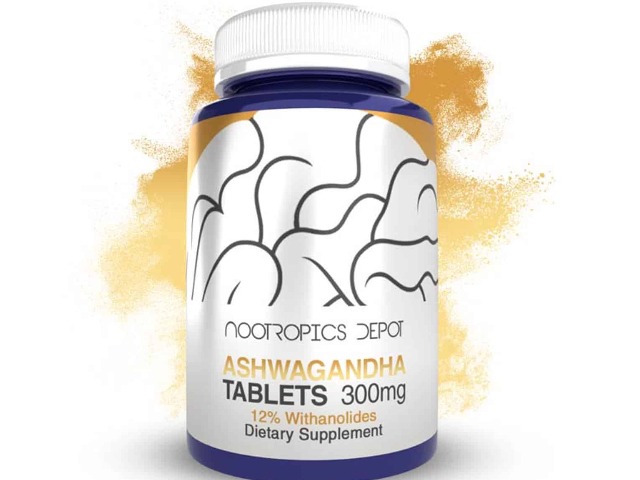
Ashwagandha (specifically the KSM-66 extract) is the gold standard adaptogen for adrenal fatigue. A 2025 meta-analysis in BJPsych Open analyzing 15 RCTs (873 participants) found that ashwagandha significantly reduced cortisol levels (mean reduction of -2.36 mcg/dL, p<0.0001) and perceived stress scores (PSS reduction of -4.88 points, p=0.0013) at 8 weeks. A separate 24-week RCT of 300mg twice daily showed sustained cortisol reduction of -5.02 mcg/dL compared to placebo, with a moderate-to-large effect size (Cohen’s d = -0.610). I recommend 300-600mg of standardized extract daily.
Rhodiola rosea excels at improving stress resilience and combating fatigue. It works through different mechanisms than ashwagandha — primarily modulating cortisol and supporting catecholamine balance. A 2025 study using Rhodiola rosea standardized to 3% salidroside under a chronic stress model demonstrated near-complete normalization of corticosterone levels (28.9 ng/mL vs. 70.6 ng/mL in placebo, p<0.01), bringing stress hormone levels back to non-stressed baseline. A large German investigation of 330 patients with burnout symptoms found that 8 weeks of rhodiola supplementation produced considerable alleviation of exhaustion, cognitive decline, insomnia, and depressive symptoms. Particularly useful for the “exhaustion” stage when energy is severely depleted. Typical dose: 200-400mg of standardized extract.
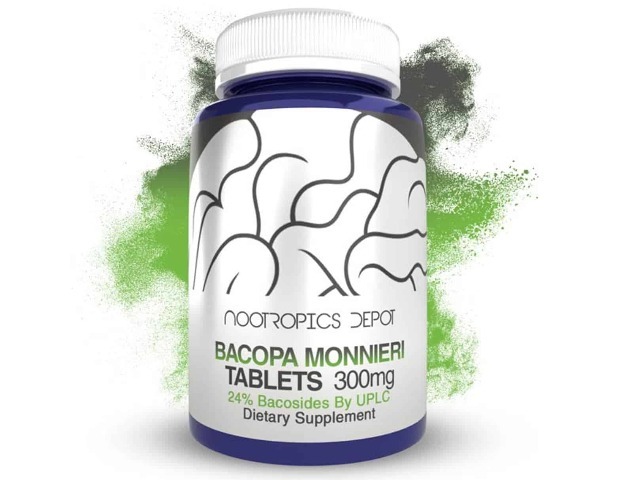
Other adaptogenic herbs worth considering include holy basil (tulsi), eleuthero, and Bacopa monnieri (which also supports cognitive function during the brain fog phase of adrenal fatigue).
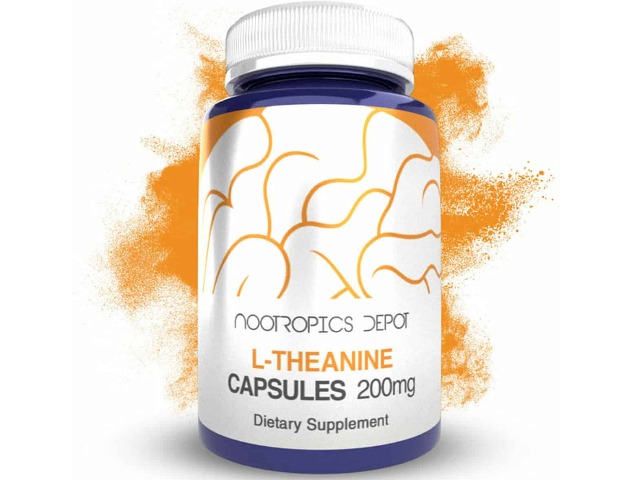
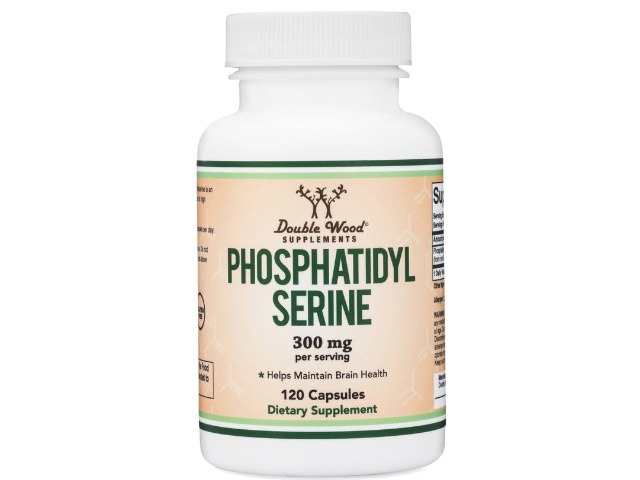
For calming the nervous system, L-theanine (200mg 1-2 times daily) and phosphatidylserine (100-300mg daily) can help blunt excessive cortisol responses, particularly when taken in the evening.
5. Reset the Nervous System
Adrenal fatigue involves a nervous system stuck in sympathetic (“fight or flight”) dominance. Actively engaging the parasympathetic (“rest and digest”) branch helps retrain your stress response:
- Diaphragmatic breathing — even 5 minutes of slow, deep belly breathing measurably reduces cortisol and activates the vagus nerve
- Cold exposure — brief cold showers or face immersion stimulate vagal tone
- Meditation or yoga — consistent practice (not occasional) retrains the nervous system’s baseline state
- Time in nature — outdoor exposure reduces cortisol, blood pressure, and sympathetic nervous system activity
6. Prioritize Sleep Hygiene
During adrenal recovery, sleep isn’t optional — it’s therapeutic. Your adrenals do their most significant repair work during deep sleep.
Get sunlight exposure within 30 minutes of waking to set your circadian rhythm. Avoid screens for at least an hour before bed. Keep your bedroom cool and completely dark. If you’re wired at night (a hallmark of cortisol dysregulation), consider magnesium glycinate and L-theanine before bed.
7. Modulate Exercise Intensity
This one surprises many people: intense exercise can worsen adrenal fatigue. High-intensity training is a significant cortisol stressor, and during the exhaustion phase, your adrenals can’t adequately support recovery.
During active recovery, prioritize walking, yoga, swimming, and other low-intensity movement. Save the HIIT workouts and heavy lifting for after your energy and stress resilience have meaningfully improved — typically 2-3 months into a recovery protocol.
8. Adopt Ongoing Stress Management
You can’t supplement your way out of a lifestyle that’s burning you out. Identify and address the structural sources of stress in your life. Set boundaries. Reduce commitments. Build in daily practices — laughter, social connection, creative activities, time outdoors — that provide a genuine counterweight to the demands you can’t eliminate.
My Recommended Supplement Stack for Adrenal Recovery
While individual needs vary, here’s the foundational protocol I most commonly recommend:
- Ashwagandha KSM-66 — 300-600mg daily for cortisol modulation and stress resilience
- B-Complex with active forms (methylfolate, methylcobalamin, P5P) — for hormone synthesis cofactors
- Vitamin C — 1,000-2,000mg daily in divided doses for adrenal hormone production
- Magnesium glycinate — 200-400mg daily, preferably in the evening
- Rhodiola rosea — 200-400mg in the morning for energy and stress resilience
- Phosphatidylserine — 100-200mg in the evening to support healthy cortisol decline before sleep
Frequently Asked Questions
Is adrenal fatigue a real medical condition?
It’s not recognized as an official diagnosis in conventional medicine, where the adrenal extremes of Addison’s disease and Cushing’s syndrome are the primary recognized conditions. However, the underlying HPA axis dysregulation, cortisol pattern disruption, and associated symptoms are well-documented in the stress physiology literature. Many functional health practitioners treat it as a clinically useful framework.
How do you test for adrenal fatigue?
The most useful assessment is a four-point salivary cortisol test, which measures cortisol levels at waking, noon, afternoon, and bedtime. This reveals your cortisol curve and identifies whether you have a healthy diurnal pattern or a flattened/inverted one. The cortisol awakening response (CAR) — the rapid cortisol increase within 30-45 minutes of waking — has emerged as a particularly sensitive biomarker of HPA axis integrity. A 2025 analysis found that exposure to major life stressors (but not subjective perceived stress alone) was associated with elevated CAR, suggesting that objective allostatic load may more accurately reflect HPA axis dysfunction than how stressed you feel. Some practitioners also test DHEA-S, catecholamines, and comprehensive hormone panels for a fuller picture.
How long does recovery take?
It depends on how depleted you are and how comprehensively you address the root causes. Most of my clients see meaningful improvement within 6-8 weeks of consistent protocol adherence, with more complete recovery at 3-6 months. Stage 3 exhaustion may take longer. The key is patience and consistency rather than expecting rapid results.
Can I still drink coffee during adrenal recovery?
I generally recommend reducing caffeine significantly during the early phases of recovery. Caffeine stimulates cortisol release, which is exactly what you’re trying to give your adrenals a break from. If eliminating coffee entirely feels impossible, limit yourself to one small cup in the morning (never on an empty stomach) and consider L-theanine alongside it to blunt the cortisol spike.
What’s the difference between adrenal fatigue and chronic fatigue syndrome?
There’s significant overlap in symptoms. Adrenal fatigue specifically involves dysregulated cortisol patterns from HPA axis dysfunction. Chronic fatigue syndrome (ME/CFS) is a broader diagnosis that may involve immune dysfunction, mitochondrial impairment, and viral triggers beyond adrenal involvement. In practice, many people with CFS also have adrenal dysfunction as one component of their condition.
The Bottom Line
Adrenal fatigue is your body’s way of telling you that the demands on your system have exceeded its capacity to cope. It’s not a moral failing or a sign of weakness — it’s a predictable physiological consequence of chronic stress combined with inadequate nutritional and lifestyle support.
Recovery is absolutely possible, but it requires a comprehensive approach: stabilize blood sugar, address inflammation, replenish depleted nutrients, support cortisol regulation with adaptogens, reset the nervous system, and honestly evaluate the structural sources of stress in your life. No single supplement will fix everything, but the right combination of targeted nutrition and lifestyle changes can restore the resilient energy you’re missing.
If you’d like to explore specific supplements mentioned here, check out our substance pages on ashwagandha, Rhodiola rosea, and magnesium.