
I dealt with persistent brain fog for the better part of three years. Not the occasional afternoon haziness that everyone experiences after a bad night of sleep — I mean a chronic, pervasive inability to think clearly that affected my work, my relationships, and my sense of self. I’d sit down to write and stare at a blank screen. I’d read a paragraph and immediately forget what it said. Conversations required a level of effort that left me exhausted. It was like trying to run through waist-deep water, cognitively.
What eventually pulled me out wasn’t a single supplement or hack. It was systematically identifying and addressing the specific root causes that were driving my symptoms — and there were multiple. That experience fundamentally shaped how I approach brain fog with the people who come to this site looking for answers. Brain fog isn’t a diagnosis. It’s a symptom. And like any symptom, it has causes. Find the causes, address them, and the fog lifts.
The Short Version: The most common drivers of brain fog are chronic stress/cortisol dysregulation, unstable blood sugar, gut dysfunction, neuroinflammation, mitochondrial impairment, low BDNF, cholinergic deficiency, poor cerebral blood flow, hormonal imbalances (especially thyroid), and toxic exposure. Effective solutions include targeted anti-inflammatory compounds like curcumin, cholinergic precursors like alpha-GPC and citicoline, BDNF builders like lion’s mane, adaptogens like Rhodiola rosea, and foundational lifestyle changes (sleep, diet, movement, stress management). The most important step is identifying which root causes apply to you — then targeting interventions accordingly.
What Brain Fog Actually Is
Brain fog isn’t a formal medical term, but the experience is real and measurable. It encompasses a cluster of cognitive symptoms including:
- Reduced clarity of thought and mental “haziness”
- Impaired working memory and forgetfulness
- Difficulty concentrating or sustaining attention
- Slow information processing speed
- Impaired executive function (planning, organizing, decision-making)
- A feeling of cognitive effort that used to be automatic
If this sounds familiar, you’re not alone. For our in-depth guide on the best compounds specifically for brain fog relief, see our 11 best nootropics for brain fog article. But before reaching for supplements, it’s essential to understand what’s driving the fog in the first place.
10 Root Causes of Brain Fog
1. Chronic Stress and Cortisol Dysregulation
Cortisol — your primary stress hormone — is essential for acute stress response but devastating when chronically elevated. Sustained high cortisol literally damages the hippocampus (your memory center), impairs prefrontal cortex function (executive control), and disrupts neurotransmitter synthesis.
The mechanism is straightforward: cortisol mobilizes glucose and energy for fight-or-flight at the expense of higher cognitive functions. When this state becomes chronic, you’re essentially running your brain in survival mode 24/7 — and survival mode prioritizes reaction speed over complex thought.
What helps: Rhodiola rosea is one of the most effective adaptogens for buffering cortisol response. Ashwagandha has robust evidence for reducing cortisol levels. Breathwork (particularly extended exhale protocols), cold exposure, and adequate sleep are the foundational behavioral interventions. See our adaptogens guide for a comprehensive overview.
2. Unstable Blood Sugar
Your brain consumes approximately 20% of your total glucose supply despite being only 2% of body weight. When blood sugar swings wildly — spiking after refined carbohydrate meals and crashing 1-2 hours later — your brain experiences an energy crisis during each crash. The result feels exactly like brain fog: mental fatigue, difficulty concentrating, irritability.
The modern diet of refined carbs, added sugars, and frequent snacking creates a blood sugar roller coaster that most people don’t even recognize as abnormal until they stabilize it.
What helps: Prioritize protein, fiber, and healthy fats at every meal. Minimize refined carbohydrates and added sugars. Consider a continuous glucose monitor (CGM) for 2-4 weeks to understand your individual glycemic responses. Alpha-lipoic acid supplementation has shown benefits for both blood sugar control and cognitive function in clinical trials.
3. Gut Dysfunction
The gut-brain axis is not a metaphor — it’s a bidirectional communication system mediated by the vagus nerve, immune signaling, and microbial metabolites. An unhealthy gut microbiome produces inflammatory compounds (LPS, cytokines) that cross the blood-brain barrier and directly impair neuronal function. Intestinal permeability (“leaky gut”) amplifies this by allowing bacterial products into systemic circulation.
Research consistently links gut dysbiosis to cognitive impairment, depression, and brain fog. If your fog is accompanied by digestive symptoms — bloating, irregular bowel movements, food sensitivities — gut dysfunction is a strong candidate.
What helps: Elimination diets to identify trigger foods (see our elimination diet guide). Spore-based probiotics. Digestive enzymes. Fermented foods. Addressing any underlying gut infections or SIBO. Read our article on how gut health affects mental health for the full picture.
4. Neuroinflammation
Chronic low-grade inflammation in the brain — driven by stress, poor diet, gut dysfunction, infections, or environmental toxins — is one of the most common and underrecognized drivers of brain fog. Inflammatory cytokines impair synaptic plasticity, reduce neurotransmitter production, and damage the blood-brain barrier.
The emerging research connecting inflammation to virtually every psychiatric and neurodegenerative condition underscores how important this mechanism is.
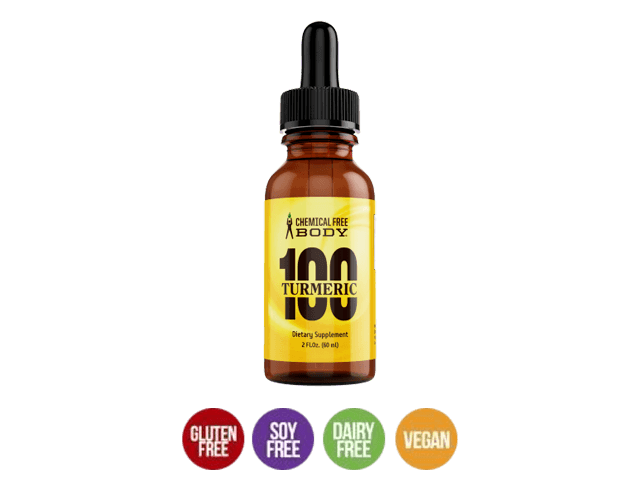
What helps: Curcumin is one of the best-researched natural anti-inflammatories for the brain. A double-blind trial showed curcumin enhanced working memory and mood within a single hour while reducing inflammatory biomarkers. A 2025 narrative review in Frontiers in Pharmacology comprehensively validated curcumin’s multimodal anti-neuroinflammatory mechanisms, confirming that it modulates NF-kB, NLRP3 inflammasome, and Nrf2 signaling pathways simultaneously while upregulating anti-inflammatory cytokines TGF-beta and interleukin-10. A meta-analysis of clinical trials found curcumin improved working memory with a moderate effect size (Hedges’ g = 0.396, p = 0.015) and showed borderline benefits for processing speed. Use a highly bioavailable form (Longvida, Meriva, or similar). Omega-3 fatty acids (particularly DHA) reduce neuroinflammation. NAC (N-acetylcysteine) supports glutathione production — your brain’s primary endogenous antioxidant. A systematic review found favorable evidence for NAC in several psychiatric and neurological disorders, including Alzheimer’s disease, depression, bipolar disorder, and OCD.
5. Mitochondrial Dysfunction
Your brain is the most energy-demanding organ in your body, and that energy comes from mitochondria. When mitochondrial function is impaired — through aging, chronic stress, toxin exposure, or nutrient deficiencies — brain energy production drops. The result is mental fatigue, slow processing, and difficulty maintaining sustained cognitive output.
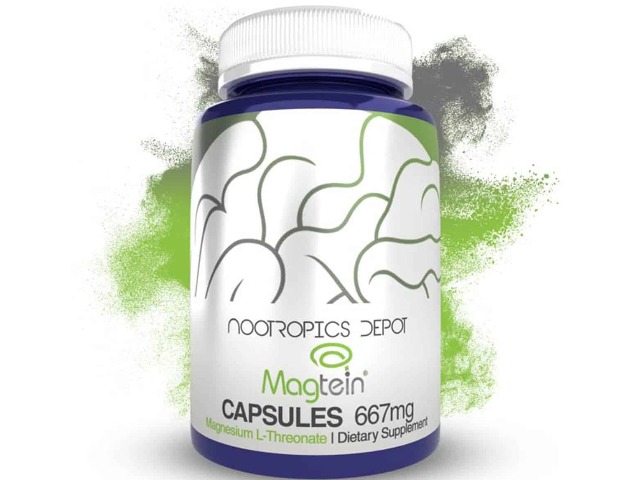
What helps: CoQ10 (ubiquinol form) supports electron transport chain function. PQQ stimulates mitochondrial biogenesis — the creation of new mitochondria. Acetyl-L-carnitine shuttles fatty acids into mitochondria for energy production. Alpha-lipoic acid acts as a mitochondrial antioxidant. Magnesium L-threonate supports multiple enzymatic processes in energy metabolism. See our magnesium guide for how magnesium forms differ.
6. Low BDNF and Impaired Neuroplasticity
Brain-derived neurotrophic factor (BDNF) is the key protein for neuronal growth, repair, and synaptic plasticity. Low BDNF levels are directly correlated with cognitive impairment, depression, and — you guessed it — brain fog. Without adequate BDNF, your brain can’t form new connections, repair damaged ones, or adapt to cognitive demands.
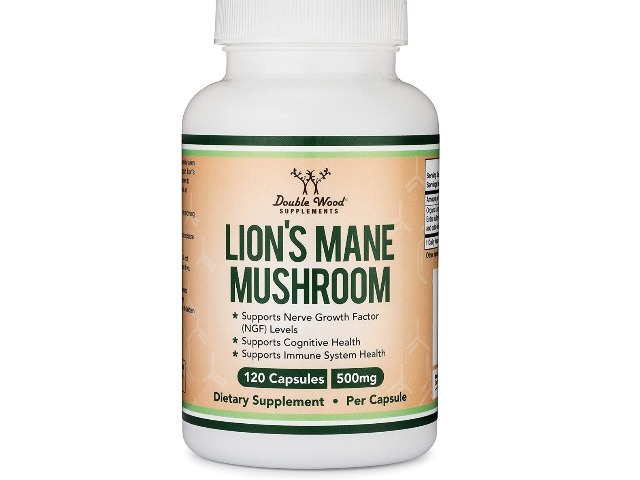
What helps: Lion’s mane mushroom is one of the most promising natural BDNF activators, with noted cognitive benefits from as little as four weeks of daily use. A 2024 clinical study found that 8 weeks of lion’s mane supplementation increased circulating pro-BDNF levels while improving depression and anxiety measures in overweight or obese participants — directly linking lion’s mane to neurotrophic factor modulation in humans. Exercise (particularly HIIT) is the single most powerful BDNF stimulator. Our article on daily habits that boost BDNF covers the full protocol.
7. Cholinergic Deficiency
Acetylcholine is the neurotransmitter most directly tied to attention, memory encoding, and mental clarity. When cholinergic signaling is weak — due to inadequate dietary choline, age-related decline, or increased demand — brain fog is one of the first symptoms.
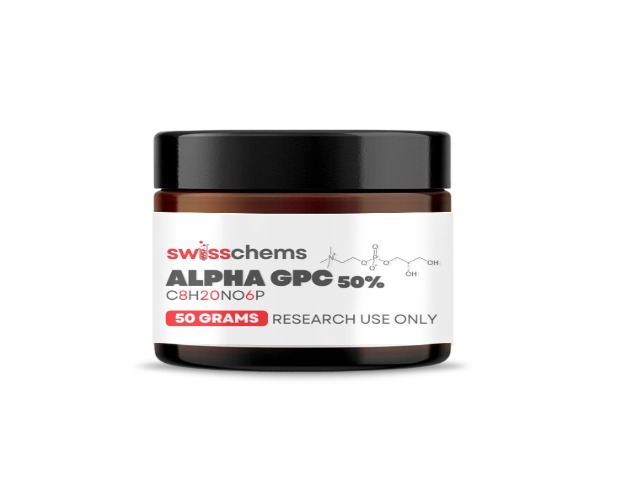
What helps: Alpha-GPC is the most effective cholinergic precursor, delivering choline directly across the blood-brain barrier. Citicoline provides choline plus neuroprotective uridine. Dietary choline from eggs (2-3 daily provides ~300mg) is the foundation. See our comprehensive cholinergics for focus article for the full evidence comparison.
8. Poor Cerebral Blood Flow
Your brain needs a constant supply of oxygen and nutrients delivered by blood flow. When cerebral circulation is impaired — from sedentary behavior, cardiovascular issues, dehydration, or vasoconstriction — cognitive function suffers. Some researchers believe impaired cerebral blood flow is an underappreciated driver of cognitive decline at all ages.
What helps: Regular exercise is the most effective intervention for cerebral blood flow. Ginkgo biloba improves cerebral microcirculation. Magnesium L-threonate supports vascular relaxation. Adequate hydration is surprisingly important — even mild dehydration (1-2%) measurably impairs cognitive function.
9. Hormonal Imbalances (Especially Thyroid)
Thyroid hormones regulate metabolic rate in every cell of your body, including neurons. Hypothyroidism — even subclinical hypothyroidism that doesn’t trigger an official diagnosis — is one of the most common and most overlooked causes of brain fog. Classic symptoms include mental sluggishness, poor memory, difficulty concentrating, and fatigue.
Menopause and perimenopause create cognitive fog through declining estrogen (which modulates acetylcholine and BDNF). Testosterone decline in men similarly affects cognitive function. Even cortisol dysregulation (covered above) is fundamentally a hormonal issue.
What helps: Get comprehensive thyroid testing — not just TSH, but also free T3, free T4, reverse T3, and thyroid antibodies. Selenium and zinc support thyroid conversion. Removing foods that trigger thyroid autoimmunity (gluten is a common culprit for those with Hashimoto’s). Address gut health, which directly affects thyroid hormone conversion.
10. Toxic Exposure
Environmental toxins — heavy metals, mold exposure, pesticides, air pollution, and even certain household chemicals — can accumulate in the body and impair neurological function. Mold exposure in particular is an increasingly recognized trigger for chronic brain fog, fatigue, and cognitive dysfunction.
What helps: Minimize exposure as the first priority. NAC supports glutathione production for Phase II liver detoxification. Milk thistle provides hepatoprotective and antioxidant effects. Activated charcoal (taken away from supplements and medications) can bind certain toxins. If mold exposure is suspected, professional environmental testing and remediation are essential.
Evidence-Based Solutions: The Protocol
Once you’ve identified which root causes are likely driving your fog, here’s how to approach the solution:
Step 1: Fix the Foundations
Before any supplement, address the basics that affect every mechanism listed above:
- Sleep: 7-9 hours of quality sleep in a cool, dark room. This is non-negotiable. Sleep deprivation alone causes every symptom of brain fog.
- Diet: Anti-inflammatory, nutrient-dense, blood sugar-stable. Prioritize protein, healthy fats, fiber, and colorful vegetables. Minimize refined carbs and seed oils.
- Movement: 30+ minutes of moderate-to-vigorous exercise most days. This improves blood flow, reduces inflammation, boosts BDNF, and stabilizes blood sugar simultaneously.
- Stress management: Daily practice — breathwork, meditation, time in nature, or whatever consistently reduces your cortisol load.
Step 2: Target Your Specific Root Causes
Based on your symptoms and any testing you’ve done:
For inflammation-driven fog:
- Curcumin (500-1,000mg bioavailable form daily)
- Omega-3 fatty acids (2,000mg EPA/DHA daily)
- NAC (600-1,200mg daily)
For cholinergic-driven fog:
- Alpha-GPC (300-600mg daily) or citicoline (250-500mg daily)
- 2-3 eggs daily for dietary choline
For BDNF/neuroplasticity-driven fog:
- Lion’s mane mushroom (500-1,000mg daily)
- High-intensity exercise 3-4x weekly
For stress/cortisol-driven fog:
- Rhodiola rosea (300-600mg daily)
- Ashwagandha (300-600mg daily)
- Magnesium L-threonate (144mg elemental magnesium daily, taken before bed)
For mitochondrial-driven fog:
- CoQ10 ubiquinol (100-200mg daily)
- PQQ (10-20mg daily)
- Acetyl-L-carnitine (500-1,500mg daily)
Step 3: Test and Track
Brain fog has identifiable biomarkers. Consider testing:
- Comprehensive thyroid panel (TSH, free T3, free T4, reverse T3, antibodies)
- Inflammatory markers (hsCRP, homocysteine)
- Cortisol (four-point salivary cortisol or DUTCH test)
- Nutrient levels (vitamin D, B12, ferritin, magnesium RBC)
- Fasting glucose and HbA1c for metabolic health
Research on long COVID brain fog has further validated the neuroinflammation model, demonstrating that the condition involves impaired oxygen delivery to the brain, mitochondrial dysfunction, and elevated neuroinflammatory markers — essentially confirming that the same mechanisms driving chronic brain fog in general populations are amplified in post-viral states.
Testing transforms brain fog from a vague complaint into a specific, actionable problem.
My Experience
What ultimately resolved my own brain fog was a combination of addressing gut dysfunction (I had significant dysbiosis), optimizing thyroid function (subclinical hypothyroidism that was missed on standard TSH-only testing), reducing neuroinflammation with curcumin and omega-3s, and rebuilding cholinergic function with alpha-GPC and lion’s mane.
It wasn’t overnight. The gut work took months. The thyroid optimization took time to dial in. But as each root cause was addressed, the fog lifted in layers — first the heaviest cognitive fatigue, then the working memory issues, and finally the subtle processing speed deficits.
The supplements were important, but they worked because I’d identified the right targets. Throwing generic “brain fog supplements” at the problem without understanding the root causes would have been like taking painkillers for a broken bone — it might dull the symptom without fixing the underlying issue.
Frequently Asked Questions
How long does brain fog last? It depends entirely on the cause. Acute fog from poor sleep or a sugar crash resolves in hours. Stress-related fog improves within weeks of implementing effective stress management. Gut- or thyroid-driven fog may take 2-6 months of targeted intervention to fully resolve. The key is addressing root causes rather than masking symptoms.
Is brain fog a symptom of anxiety? Yes, frequently. Anxiety elevates cortisol and activates the sympathetic nervous system, both of which impair higher cognitive function. But it’s often bidirectional — the same underlying factors (inflammation, nutrient deficiencies, gut dysfunction) can drive both anxiety and brain fog simultaneously. Addressing the shared root causes often resolves both.
Can hypothyroidism cause brain fog? Absolutely. It’s one of the classic symptoms. Even subclinical hypothyroidism — where TSH is mildly elevated but still within the “normal” range — can produce significant cognitive symptoms. If you have persistent brain fog, a comprehensive thyroid panel (not just TSH) is one of the most important tests you can run.
What supplements are best for brain fog? The best supplements depend on your specific root causes. As a general starting point: alpha-GPC or citicoline for cholinergic support, lion’s mane for BDNF activation, curcumin for neuroinflammation, and Rhodiola rosea for stress-driven fog. But supplements work best when they’re targeted at identified deficiencies, not taken randomly.