
My first float tank experience happened on a whim. I was going through a period of intense brain fog and scattered focus — the kind where you sit down to work and realize forty-five minutes later that you have accomplished nothing meaningful. A friend suggested floating as a reset, and I figured I had nothing to lose.
Within twenty minutes of settling into the warm, pitch-black silence, something shifted. The mental chatter quieted. The constant background processing of sights, sounds, and physical sensations — stimuli I did not even realize were consuming cognitive bandwidth — simply stopped. What remained was a clarity of thought I had not experienced in months. When I emerged ninety minutes later, I felt simultaneously deeply relaxed and sharply focused. I have been floating regularly ever since.
The science behind this experience is more robust than I initially expected. Sensory deprivation is not just a relaxation technique — it is a legitimate tool for cognitive enhancement with measurable effects on brain waves, stress hormones, neurotransmitter levels, and sustained attention.
The Short Version: Float tanks eliminate external sensory input, triggering theta brain wave states similar to deep meditation. This reduces cortisol, increases endorphins and dopamine, and activates the parasympathetic nervous system to reset executive function. Research shows just three sessions can improve focus, problem-solving, and anxiety. Floating pairs well with Magnesium L-Threonate for mineral absorption through the Epsom salt bath and L-Theanine for alpha wave support. If you struggle with mental clutter, difficulty concentrating, or chronic stress that impairs your cognitive performance, floating is one of the most effective non-pharmacological interventions available.
What Is Sensory Deprivation?
Sensory deprivation involves minimizing external sensory input — light, sound, gravity, and temperature variation. This is typically achieved in a float tank (also called an isolation tank): a lightproof, soundproof pod containing about 10-12 inches of water heated to skin temperature (93-95 degrees Fahrenheit) with approximately 1,000 pounds of dissolved Epsom salts.
The salt concentration is high enough that you float effortlessly on your back without any muscular effort. With the lid closed, the environment is pitch black and essentially silent. Because the water matches your skin temperature, you gradually lose the sensation of where your body ends and the water begins.
The result is a near-total absence of sensory processing demands on the brain. And that absence turns out to be profoundly productive.
What Happens in Your Brain When Stimuli Stop
Our senses are constantly bombarded — even in relatively calm environments, your brain is processing visual information, ambient noise, temperature fluctuations, gravitational load, and proprioceptive signals from every muscle and joint. This background processing consumes significant cognitive resources.
When you remove all of that, several measurable changes occur:
Theta brain wave dominance. The brain shifts from beta waves (normal waking consciousness, active processing) into theta waves — the frequency range associated with deep meditation, the hypnagogic state between waking and sleeping, and creative insight. This is a state most people cannot access without years of meditation practice, but floating induces it within 15-20 minutes.
Cortisol reduction. Stress hormones plummet during and after float sessions. Research shows significant decreases in cortisol that persist for hours post-float.
Endorphin and dopamine elevation. The deep relaxation triggers the release of feel-good neurochemicals. Elevated dopamine in particular supports motivation and the intrinsic reward that makes focused work feel satisfying.
Default mode network quieting. The left hemisphere’s analytical chatter — the inner monologue of self-criticism, worry, and planning — reduces, allowing the more creative, pattern-recognition-oriented right hemisphere to operate without interference.
Neurotrophic protein production. Evidence suggests floating increases production of proteins essential for neural growth and the formation of new synaptic connections.
Floating for Focus and Concentration
The focus benefits are what initially hooked me, and they are backed by a growing body of research. A comprehensive 2025 systematic review published in BMC Complementary Medicine and Therapies — the largest to date, surveying 63 studies with approximately 1,800 total participants from 1960 through May 2024 — confirmed that flotation-REST produces positive effects on pain, athletic performance, stress, mental wellbeing, and clinical anxiety. An earlier study from the same journal showed that just three float sessions improved focus, problem-solving ability, and reduced stress and anxiety.
The mechanism is straightforward: floating activates the parasympathetic nervous system, which stimulates the prefrontal cortex and effectively resets executive functioning. Without sensory overload competing for bandwidth, the brain directs all available resources toward whatever thoughts you choose to engage with.
During my float sessions, I notice that daily worries surface and dissolve when I deny them attention. Complex problems that felt overwhelming on dry land become manageable — I can hold more components in working memory simultaneously and synthesize them into clear solutions. The mental clutter that usually fragments my attention simply is not present.
This cognitive endurance persists after the session. I consistently notice enhanced focus for 24-48 hours following a float. The neural connections strengthened during the session — particularly in areas governing sustained attention — carry over into daily cognitive performance.
Additional Brain Benefits
Beyond acute focus improvement, floating supports broader cognitive function:
- Enhanced neuroplasticity and faster learning — Theta states are associated with increased synaptic plasticity
- Boosted creativity, insight, and intuition — Reduced left-hemisphere dominance allows novel pattern recognition
- Reduced symptoms of ADHD/ADD — The parasympathetic reset can help regulate attention systems
- Elevated dopamine and endorphins — Supporting motivation and mood stability
- Decreased pain signaling — The brain deprioritizes pain processing in the absence of other stimuli
Floating for Mental Health
The deep relaxation, cortisol reduction, and neurochemical shifts make floating a powerful tool for anxiety, depression, and stress-related conditions.
Research supports floating for addiction treatment, blood pressure reduction, chronic pain management, and mood disorder relief. A 2024 single-blind randomized controlled safety and feasibility trial in 75 adults with anxiety and depression found that six float sessions were safe, well-tolerated, and produced positively valenced experiences with few negative effects. Prior clinical studies have demonstrated that single sessions of flotation-REST produce acute anxiolytic and antidepressant effects that persist for over 48 hours. A 2024 study published in Scientific Reports found that floating induces altered states of consciousness characterized by dissolution of body boundaries and distortion of subjective time — neurological shifts that may underlie the therapeutic benefits for anxiety and depression. The mechanisms overlap with many of the pathways targeted by nootropic supplementation — reduced inflammation, normalized cortisol output, enhanced neurotransmitter balance — but floating achieves them through an entirely different route.
I find that combining floating with other brain-supportive practices creates compounding benefits. Regular float sessions alongside a red light therapy protocol and targeted supplementation addresses mental health from multiple angles simultaneously.
The Magnesium Connection
One underappreciated benefit of floating is magnesium absorption. The 1,000 pounds of Epsom salt (magnesium sulfate) in the tank provides transdermal magnesium exposure. While the extent of absorption through the skin is debated, there is evidence that magnesium levels increase after prolonged Epsom salt baths.
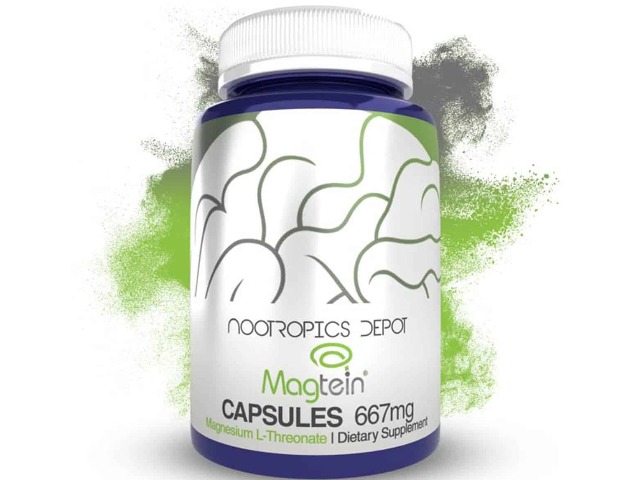
This is relevant because magnesium deficiency is widespread and directly impacts cognitive function, sleep quality, and stress resilience. I supplement with Magnesium L-Threonate daily for its superior brain bioavailability, and I consider the magnesium exposure during floating a complementary bonus.
Supplements That Pair Well with Floating
Floating creates a neurochemical environment that certain supplements can enhance:
- Magnesium L-Threonate (144mg elemental magnesium daily) — Supports the relaxation and cognitive benefits of floating through superior brain magnesium delivery
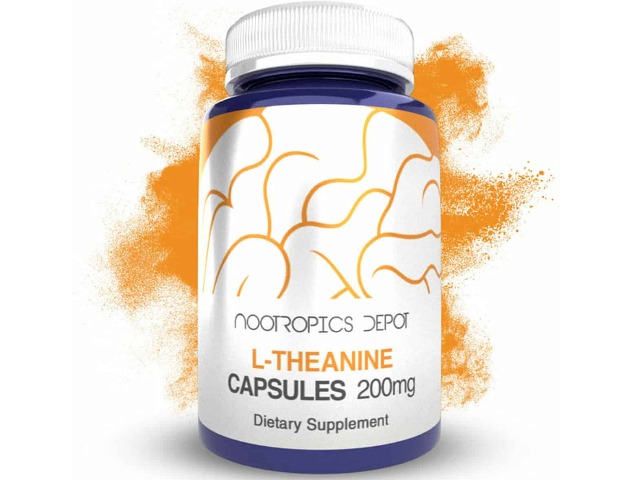
- L-Theanine (200mg before a session) — Promotes alpha wave activity that transitions smoothly into the theta state floating induces
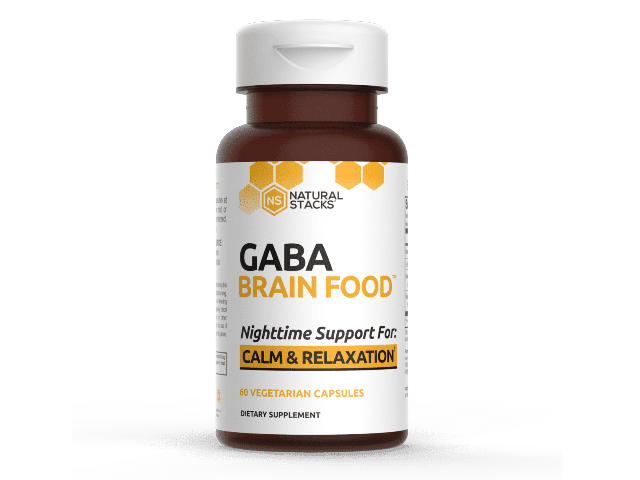
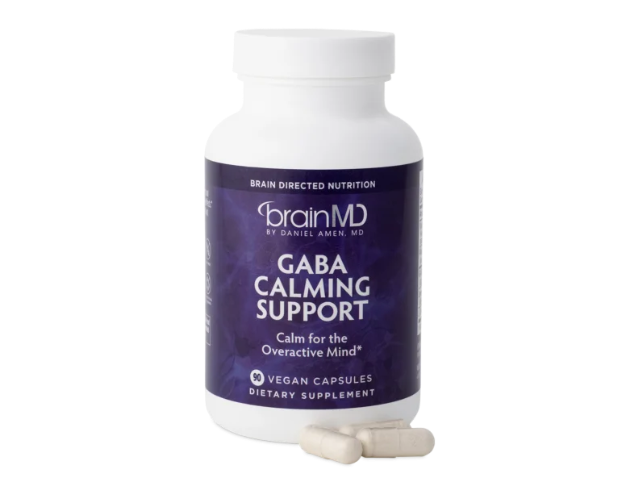
- GABA — Supports the inhibitory neurotransmitter system that floating activates through parasympathetic stimulation
Practical Guide to Floating
Session Length and Frequency
Most float centers offer 60-minute sessions. Ninety minutes is ideal for deeper experiences, as it typically takes 15-20 minutes for the theta transition to occur, leaving more time in the productive theta state. Home float setups allow unlimited session length.
Research from The Float Clinic shows that floating 1-2 times per week yields cumulative benefits. However, even a few sessions deliver a noticeable cognitive boost. I float once a week and notice diminishing returns beyond twice weekly.
What to Expect
Your first session will likely involve some adjustment. The novelty of the environment can initially prevent full relaxation. By the second or third session, most people settle in more quickly and experience deeper theta states. Consistent floating builds on itself — each session tends to go deeper than the last.
At-Home Options
Professional float centers provide the best experience — complete darkness, silence, and purpose-built tanks. However, at-home float options exist for those who want more frequent access:
- Personal float tanks with full isolation doors (significant investment but unlimited access)
- Float beds designed to mimic the weightless floating sensation
- Float cradle attachments for existing tubs (less complete sensory isolation but still beneficial)
While home setups may lack complete silence and pitch blackness, they can still meaningfully calm the mind and induce parasympathetic activation.
Who Should Float
Nearly anyone interested in enhanced focus, stress resilience, creativity, or mental health can benefit from floating. Those with ADHD, chronic stress, mood disorders, or poor executive functioning may find it particularly valuable.
The safety profile is excellent. Floating is appropriate for healthy individuals ages 14 and up, including those with physical conditions like arthritis or pregnancy. The high salt concentration makes it impossible to sink. The only contraindications are uncontrolled epilepsy and uncontrolled high blood pressure.
My Floating Protocol
I float once per week at a local float center for 90-minute sessions. Before the session, I take 200mg L-Theanine to support the transition into alpha and theta states. I use the first 15-20 minutes for breathing exercises, then let my mind settle into whatever direction it wants to go.
On float days, I schedule my most creative or strategically complex work for the hours immediately following the session, when my focus and cognitive clarity are at their peak.
Floating has become one of the most valuable tools in my brain optimization toolkit — not because it delivers dramatic, acute effects like a stimulant, but because it provides a depth of mental reset that nothing else matches. If you are looking for a non-pharmacological intervention that genuinely enhances focus, creativity, and mental resilience, give your mind a float.
For more on optimizing focus through flow states and gut-brain health, see our related articles.