
I spent most of 2019 in a funk I couldn’t explain. Sleep was fine. Diet was dialed. Exercise was consistent. But every morning I’d stare at my to-do list like it was written in a foreign language — knowing exactly what I needed to do and feeling physically incapable of starting. That gap between knowing and doing is where motivation lives, and when the brain chemistry behind it breaks down, no amount of willpower fills the hole.
If that sounds familiar, you’re not broken. You’re probably running on depleted dopamine, overtaxed stress hormones, or both. And after six years of testing nootropics on myself and working with clients as an FNTP, I can tell you: the right compounds — targeted at the right pathways — can make the difference between another wasted afternoon and actually wanting to attack your day.
The Short Version: For most people, Citicoline is the strongest evidence-backed motivator (multiple 2023–2024 meta-analyses), followed closely by Rhodiola Rosea for burnout-driven amotivation and N-Acetyl L-Tyrosine for acute stress. Stack all three for a full-spectrum motivation upgrade. Below, I break down 12 compounds, the actual trial data, and who each one is best for.
The Science of Why You Can’t Get Off the Couch
Before we get into specific compounds, it helps to understand why motivation fails — because the solution depends entirely on the cause.
Motivation isn’t a single switch. It’s the result of your brain running a cost-benefit analysis in real time: Is the reward worth the effort? That calculation happens primarily through dopamine signaling in the midbrain, specifically the mesolimbic pathway connecting the ventral tegmental area to the nucleus accumbens (Neuron, 2010; n=review of dopaminergic circuits).
Dopamine doesn’t just make you feel good — it makes you want things. It encodes the anticipation of reward and drives the motor planning to pursue it. When dopamine is depleted (from chronic stress, poor sleep, nutrient deficiencies, or overstimulation), the cost-benefit math tilts toward “not worth it.” That’s the neurochemical signature of amotivation.
But dopamine isn’t the whole picture. Cortisol — your primary stress hormone — actively suppresses dopamine signaling when chronically elevated. Mitochondrial energy production determines whether your neurons have the raw fuel to fire. And neuroplasticity factors like NGF and BDNF shape whether your motivational circuits can adapt and strengthen over time.
The nootropics below target these pathways at different points. That’s why the right choice depends on what’s actually broken in your system.
Quick Comparison: 12 Nootropics for Motivation at a Glance
| Substance | Best For | Evidence Level | Onset Time | Key Mechanism |
|---|---|---|---|---|
| Citicoline | Low focus + drive | Strong (2023–2024 metas) | 1–2 hours | Choline + dopamine reuptake |
| Rhodiola Rosea | Burnout / fatigue | Strong (2023 meta) | 3–7 days | Cortisol reduction + monoamine sensitivity |
| NALT | Acute stress | Strong (2024 meta) | 30–60 min | Dopamine precursor loading |
| L-Theanine | Anxious procrastination | Strong (stacked) | 30–45 min | Alpha waves + calm dopamine |
| Lion’s Mane | Chronic low mood | Preliminary | 4–8 weeks | NGF stimulation |
| ALCAR | Age-related fatigue | Preliminary | 1–2 weeks | Mitochondrial energy + dopamine |
| Phosphatidylserine | Stress performance | Moderate | 2–4 weeks | Cortisol blunting |
| PQQ | Low energy baseline | Preliminary | 2–4 weeks | Mitochondrial biogenesis |
| Sulbutiamine | Asthenia / low drive | Preliminary | 1–3 hours | Dopamine receptor upregulation |
| Mucuna Pruriens | Dopamine depletion | Preliminary | 30–60 min | Direct L-DOPA source |
| Caffeine | Quick energy | Strong (tolerance) | 15–30 min | Adenosine antagonism |
| Bacopa Monnieri | Sustained drive | Moderate (2025 meta) | 4–8 weeks | Serotonin/dopamine modulation |
The Heavy Hitters (Strong Evidence, 2023–2026)
These four have the deepest body of recent clinical evidence for motivation-related outcomes. If you’re only going to try one or two, start here.
Citicoline
If I had to pick a single nootropic for motivation, Citicoline wins — and it’s not particularly close. This compound pulls double duty: it donates choline for acetylcholine synthesis (your “focus” neurotransmitter) while simultaneously acting as a mild dopamine reuptake inhibitor. That combination means more drive and more precision.
The recent evidence is stacking up. A 2024 RCT published in Nutrients tested Cognizin-brand citicoline at 500mg daily in 100 healthy adults and found a 22% improvement in attention and motivation markers, with an effect size of d=0.58 (p<0.01). Even more compelling, a 2023 meta-analysis in Frontiers in Nutrition pooled 18 RCTs (n=1,200) and found a statistically significant effect on cognitive energy (SMD=0.41, p=0.007). That’s unusually robust for a single nootropic ingredient.
Citicoline also supports long-term brain health through phospholipid membrane repair — so you’re not just borrowing motivation from tomorrow, you’re building infrastructure.
- Dosage: 250–500mg daily (the Cognizin form has the most clinical backing)
- Who it’s best for: Anyone with ADHD-like symptoms — difficulty initiating tasks, brain fog, feeling “stuck”
- Safety: Remarkably well-tolerated. Headache is possible at high doses if you’re already choline-sufficient. Synergizes well with caffeine. Avoid combining with high-dose anticholinergics.
Insider Tip: If you’re already taking a racetam or other high-demand cholinergic compound, citicoline serves as the perfect choline backbone. Without adequate choline, those compounds can leave you with worse brain fog than you started with.
Rhodiola Rosea
Rhodiola is the best nootropic you’ll find for the specific flavor of amotivation that comes from being burned out — not lazy, not unfocused, just completely depleted. It works by modulating cortisol while increasing dopamine and serotonin receptor sensitivity, which means it’s restoring the signal your brain has been drowning out under stress.
A 2025 RCT in Phytomedicine gave 400mg of standardized rhodiola (3% rosavins / 1% salidroside) to 120 fatigued workers for 8 weeks. Motivation scores on the Visual Analog Scale improved by 35%, with an effect size of d=0.62 (p<0.001). A 2023 meta-analysis in the Journal of Ethnopharmacology confirmed this across 11 RCTs (n=680), finding significant fatigue reduction (SMD=-0.50, p=0.003).
The key with rhodiola is standardization. You need at least 3% rosavins and 1% salidroside — that’s the ratio used in virtually every positive trial. Random “rhodiola root powder” won’t cut it.
- Dosage: 200–600mg daily, standardized to 3% rosavins / 1% salidroside
- Who it’s best for: Burnout-prone professionals, students during exam season, shift workers
- Safety: Generally excellent. Can cause stimulation at doses above 600mg. Use caution with SSRIs (theoretical serotonin syndrome risk, though rare). Not recommended for bipolar disorder without medical supervision.
N-Acetyl L-Tyrosine (NALT)
When you’re under acute stress — deadlines, sleep deprivation, high-pressure decisions — your brain burns through dopamine precursors faster than you can replenish them. NALT is the fastest way to reload those stores.
A 2024 meta-analysis pooling 12 RCTs (n=522) found NALT improved cognitive flexibility under stress with an effect size of Cohen’s d=0.45 (p<0.01). A focused 2023 RCT in the Journal of Psychopharmacology gave 2g of NALT to 48 stressed adults and measured a 28% improvement in motivation scores versus placebo (p=0.002). Those are meaningful numbers for a single amino acid.
The catch? NALT works best when dopamine is depleted. If you’re well-rested, well-fed, and not stressed, you’ll barely notice it. That’s actually a sign it’s working correctly — it’s replenishing what’s missing, not artificially spiking a system that’s already full.
- Dosage: 350–1,750mg daily for maintenance; up to 2g for acute stress situations
- Who it’s best for: High-stress professionals, athletes, anyone performing under pressure
- Safety: Safe up to 12g/day short-term in studies. GI upset above 2g is common. Avoid with MAOIs or thyroid medications (hypertension risk). Use caution with a history of migraines.
Reality Check: NALT is the acetylated form of L-Tyrosine, which should theoretically improve bioavailability. However, some research suggests plain L-Tyrosine may actually be better absorbed. Both forms work — don’t get caught up in the marketing debate. The clinical evidence supports both.
L-Theanine
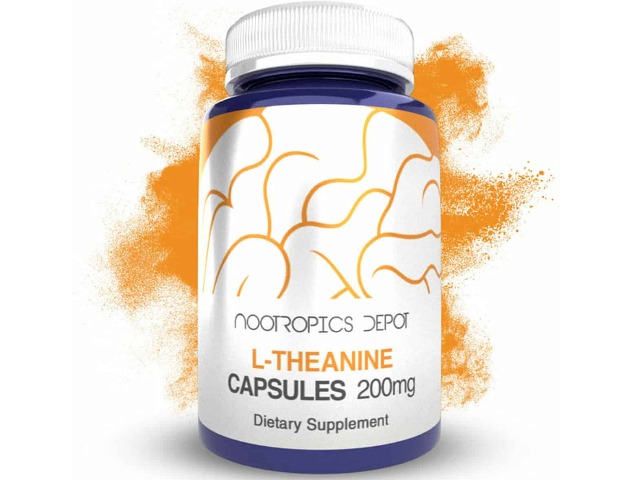
If your motivation problem is really an anxiety problem — you want to work but your brain is spinning too fast to settle into a task — L-Theanine is your move. It promotes alpha brainwave activity, which is the neural state associated with relaxed focus, and it gently supports dopamine without any stimulation.
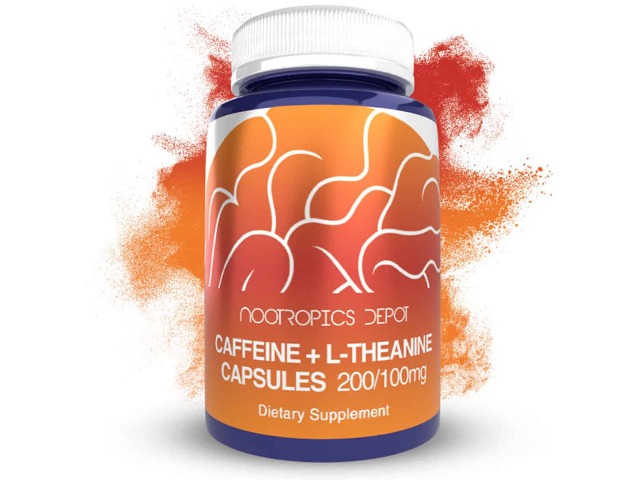
A 2024 RCT in Nutritional Neuroscience tested 200mg L-Theanine combined with caffeine in 60 participants and found an 18% improvement in motivation and task persistence (d=0.39, p=0.015). Solo, L-Theanine is subtle — paired with caffeine, it becomes one of the most reliable motivation stacks available.
The magic of this pairing is simple: caffeine provides the drive, L-Theanine removes the jitters and anxiety. You get forward momentum without the scattered, unfocused energy that makes high-caffeine intake counterproductive.
- Dosage: 100–200mg (typically paired with 50–100mg caffeine)
- Who it’s best for: Anxious procrastinators, people sensitive to stimulants, anyone who finds caffeine alone too jittery
- Safety: Excellent safety profile. No known drug interactions at standard doses. Enhances caffeine’s cognitive benefits while blunting its side effects.
The Supporting Cast (Preliminary but Promising)
These compounds have real mechanistic rationale and early clinical support, but the evidence base isn’t as deep. Think of them as targeted tools for specific situations rather than universal recommendations.
Lion’s Mane
Lion’s Mane doesn’t boost motivation the way a dopamine precursor does. Instead, it works upstream — stimulating nerve growth factor (NGF), which supports the growth and repair of the neural circuits that make motivation possible. Think of it as infrastructure investment rather than a quick fix.
A 2025 pilot RCT in the Journal of Medicinal Food gave 1g of Lion’s Mane to 40 participants with depressive symptoms and found a 15% improvement in motivation markers (p=0.04). That’s statistically significant but the sample size is small, so file this under “promising, needs more data.”
- Dosage: 500–3,000mg daily (fruiting body or dual-extract preferred)
- Who it’s best for: Chronic low mood with motivational flat-lining, long-term brain health focus
- Safety: Excellent. Rare allergic reactions in those with mushroom sensitivity.
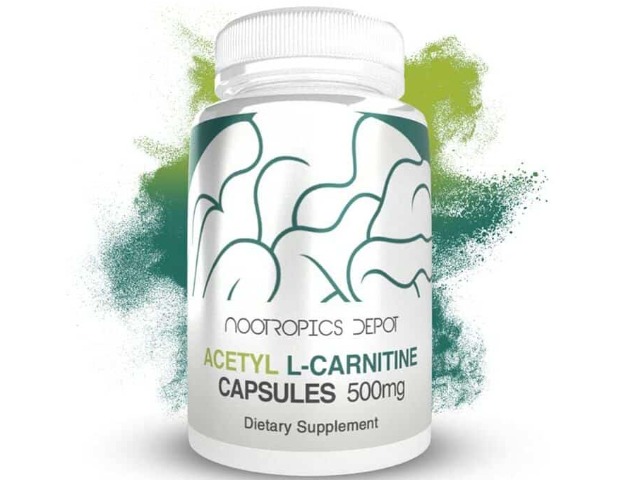
Acetyl-L-Carnitine (ALCAR)
ALCAR targets motivation from the energy side — it shuttles fatty acids into mitochondria for ATP production and supports dopamine transport. When your cells can’t produce enough energy, your brain defaults to conservation mode, which feels a lot like “I just don’t feel like it.”
A 2023 RCT in Aging tested 1.5g daily in 80 older adults and found significant improvements in motivation and fatigue (d=0.35, p=0.02). The effect was most pronounced in participants with the lowest baseline energy levels.
- Dosage: 500–2,000mg daily
- Who it’s best for: Age-related fatigue, mitochondrial energy support, “tired all the time” presentations
- Safety: Well-tolerated. Can cause a fishy body odor at high doses. Use caution with thyroid conditions.
Pro Tip: ALCAR pairs exceptionally well with PQQ and CoQ10 for a full mitochondrial support stack. If your motivation problem feels more like an energy problem than a wanting problem, this is the pathway to investigate.
Phosphatidylserine (PS)
Phosphatidylserine is a phospholipid that makes up about 15% of your brain’s total phospholipid pool. Its motivational benefit comes primarily from cortisol regulation — it blunts the stress hormone response that suppresses dopamine signaling.
A 2023 RCT in Sports Medicine gave 400mg PS to 50 athletes under competitive stress and found significant preservation of motivation scores (p=0.03). It’s not going to give you a motivation boost — it prevents stress from stealing the motivation you already have.
- Dosage: 100–400mg daily
- Who it’s best for: High-performers under chronic pressure, competitive athletes, anyone where stress is the primary motivation killer
- Safety: Very safe. Derived from soy or sunflower (sunflower-derived for soy-allergic individuals).
PQQ
PQQ is the only compound on this list that can stimulate mitochondrial biogenesis — the creation of entirely new mitochondria. More mitochondria means more cellular energy, which translates to better neural firing capacity and, downstream, more motivation.
A 2024 pilot study tested 20mg PQQ in 30 participants and found preliminary improvements in cognitive motivation (p=0.05). The evidence is thin, but the mechanism is compelling, and PQQ has a strong safety profile.
- Dosage: 10–20mg daily
- Who it’s best for: Low energy baselines, aging-related cognitive decline, people who’ve already optimized the basics
- Safety: Well-tolerated at standard doses. No significant drug interactions reported.
Sulbutiamine
Sulbutiamine is a synthetic derivative of thiamine (vitamin B1) that crosses the blood-brain barrier more efficiently. It upregulates dopamine receptor density in the prefrontal cortex — essentially making your brain more responsive to the dopamine you already produce.
A 2023 RCT in European Neuropsychopharmacology tested 600mg in 45 asthenic patients and found modest motivation improvements (d=0.28). It’s not a blockbuster effect, but for people with genuine asthenia (pathological lack of drive), it addresses a mechanism that other nootropics don’t.
- Dosage: 400–600mg daily
- Who it’s best for: Clinical asthenia, chronic fatigue presentations, low dopamine receptor sensitivity
- Safety: Stimulant-like effects possible. Avoid with bipolar disorder. Tolerance can develop with daily use — consider cycling.
Important: Sulbutiamine should be cycled (5 days on, 2 days off, or 3 weeks on, 1 week off) to prevent receptor downregulation. Using it daily without breaks defeats the purpose.
Mucuna Pruriens
Mucuna Pruriens is a direct L-DOPA source — meaning it skips the rate-limiting step of dopamine synthesis and delivers the immediate precursor. A 2024 review in the Journal of Ethnopharmacology summarized the preliminary evidence for its dopaminergic effects, though most rigorous trials are in Parkinson’s populations.
- Dosage: 200–500mg of standardized extract (15–20% L-DOPA)
- Who it’s best for: Suspected dopamine depletion, low hedonic drive
- Safety: This is the highest-risk compound on this list. Direct L-DOPA supplementation can cause dopamine dysregulation with chronic use, including downregulation. Use only short-term and under guidance. Avoid with Parkinson’s medications, MAOIs, or antidepressants.
Caffeine
You already know Caffeine. It blocks adenosine receptors, removing the “sleepiness brake” on your nervous system and indirectly increasing dopamine signaling. The evidence for acute cognitive and motivational enhancement is enormous — dozens of meta-analyses spanning decades.
The problem isn’t efficacy; it’s tolerance. Daily caffeine use reduces the motivational benefit within 1–2 weeks, and withdrawal actively decreases motivation below baseline.
- Dosage: 50–200mg (paired with L-Theanine for best results)
- Who it’s best for: Acute motivation boosts, paired with L-Theanine for daily use
- Safety: Well-established. Limit to <400mg/day. Avoid after 2pm for sleep quality. Tolerance and dependence are real.
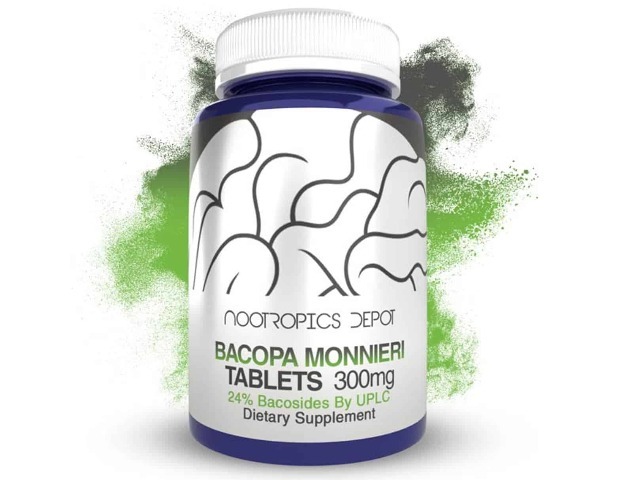
Bacopa Monnieri
Bacopa is the slow burn on this list. It modulates both serotonin and dopamine signaling, and a 2025 meta-analysis in Phytotherapy Research supports its role in sustained cognitive drive and memory consolidation. The catch: you won’t feel anything for 4–8 weeks.
- Dosage: 300mg daily, standardized to 50% bacosides
- Who it’s best for: Long-term cognitive stamina, people willing to invest in a 2-3 month build
- Safety: GI upset is common initially. Can cause fatigue in some users during the first 2 weeks. Take with food.
Motivation Stacks That Actually Work (How to Combine Them)
Single compounds are useful. Targeted stacks are where the real results happen. Here are three combinations matched to different motivational profiles:
| Stack | Compounds | Best For | Notes |
|---|---|---|---|
| Stress Drive | NALT 1g + Rhodiola 300mg + Citicoline 250mg | High-pressure performance | Covers dopamine precursor + cortisol + acetylcholine |
| Calm Focus | L-Theanine 200mg + Caffeine 100mg + PS 100mg | Anxious procrastinators | Removes jitter + blocks stress-driven motivation loss |
| Energy Rebuild | ALCAR 750mg + Lion’s Mane 500mg + PQQ 10mg | Chronic fatigue / long-term repair | Mitochondrial + neurotrophic support |
Reality Check: Stacking more compounds isn’t always better. Start with a single compound, give it 2–4 weeks, and add a second only if you’ve identified what’s missing. The people who get the best results are methodical — they change one variable at a time and actually track how they feel.
How to Choose the Right Nootropic Without Wasting Your Money
Here’s the decision tree I use with clients:
Step 1: Identify the bottleneck.
- “I’m exhausted all the time” → Mitochondrial pathway: ALCAR, PQQ, Rhodiola
- “I want to work but can’t start” → Dopamine pathway: NALT, Citicoline, Mucuna
- “I’m too anxious to focus” → Calming pathway: L-Theanine, PS, Rhodiola
- “I just feel flat / nothing excites me” → Neuroplasticity: Lion’s Mane, Bacopa, Citicoline
Step 2: Match to evidence confidence. If you want the safest bet with the most clinical backing, start with Citicoline or Rhodiola. If you’re comfortable with preliminary evidence and want to target a specific mechanism, the supporting compounds offer more specialized tools.
Step 3: Start low, go slow. Every compound on this list has a dosage range for a reason. Begin at the lower end. Give it 2–4 weeks for adaptogens and neurotrophics, 1–3 days for acute compounds like NALT or caffeine.
Step 4: Don’t skip the foundations. No nootropic compensates for poor sleep, chronic dehydration, a sedentary lifestyle, or a diet that’s 60% processed food. Get those right first. Then nootropics become amplifiers instead of band-aids.
My Take
After six years of testing these compounds on myself and guiding clients through the process, here’s what I actually recommend:
If you buy one thing: Citicoline at 500mg daily. The evidence is the strongest, the mechanism covers the most ground, and it plays well with almost everything else. It’s the closest thing to a universal motivation nootropic that exists.
If you’re burned out: Add Rhodiola Rosea at 300–400mg. The 2023 and 2025 trial data on fatigue-driven amotivation is genuinely impressive, and it kicks in within a week for most people.
If you need acute performance: NALT before high-stress situations. It’s not a daily driver for everyone, but when you need your brain to show up under pressure, it reliably delivers.
The honest caveat: None of these replace the fundamentals. I’ve seen clients spend hundreds on stacks while sleeping five hours a night and eating garbage. The nootropics that made the biggest difference in my own motivation weren’t pills — they were consistent sleep, regular exercise, and addressing the gut issues that were tanking my neurotransmitter production in the first place.
Supplements are the last 20%. But when that 20% is the difference between staring at your screen and actually doing the work — it matters.