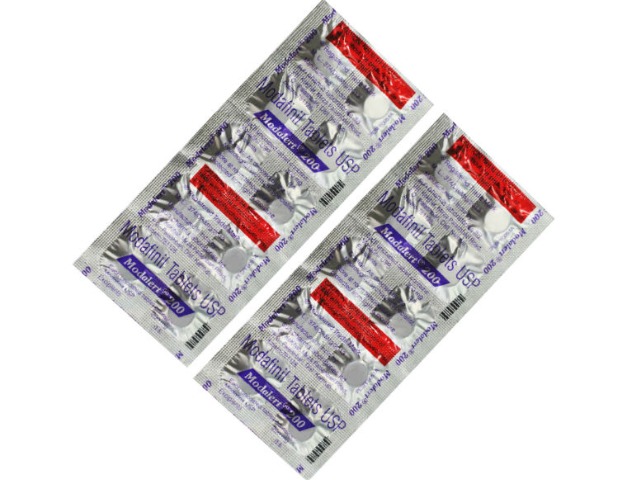
I’ve taken modafinil off and on for about five years. When it works, it’s remarkable — clean wakefulness, sharp focus, none of the jittery overstimulation you get from too much caffeine. But the headaches, the appetite suppression, the prescription hassle, and the fact that it wipes out my sleep if I take it after noon — those add up. There are weeks when the trade-offs aren’t worth it.
That’s what sent me looking for alternatives. Not “natural modafinil” marketing gimmicks, but compounds that genuinely promote wakefulness and cognitive alertness through mechanisms that overlap with what makes modafinil effective.
Here’s what actually works — and what doesn’t live up to the hype.
The Short Version: For clean wakefulness without a prescription, caffeine + L-theanine is the most reliable foundation — it’s the closest over-the-counter approximation of modafinil’s alertness profile. Rhodiola rosea is the best single-compound alternative for fatigue resistance. For sustained cognitive energy, citicoline + L-tyrosine targets the same dopaminergic pathways modafinil uses.
How Modafinil Works (So You Know What You’re Replacing)


Modafinil promotes wakefulness primarily through dopamine reuptake inhibition — it blocks the dopamine transporter (DAT), increasing dopamine availability in the prefrontal cortex and wakefulness-promoting brain regions. It also modulates histamine, orexin, and norepinephrine systems.
A 2003 study in Psychopharmacology (Turner et al.) found cognitive enhancing effects of modafinil in healthy volunteers, including improvements in working memory, pattern recognition, and cognitive planning. The effect is reliable and dose-dependent.
What makes modafinil unique among wakefulness agents: it doesn’t produce the hyperarousal and peripheral stimulation of amphetamines. You feel alert but not wired. That’s the profile we’re trying to replicate.
The natural alternatives below work through overlapping mechanisms — dopamine support, norepinephrine modulation, brain energy enhancement, and anti-fatigue effects. None are as potent as modafinil on any single axis, but several combinations come remarkably close.
Reality Check: No supplement fully replicates modafinil. If you have narcolepsy or a clinical sleep disorder, work with your doctor. These alternatives are for people who want modafinil-like alertness for general productivity, not those managing a medical condition.
Quick Comparison: 8 Natural Modafinil Alternatives
| Substance | Best For | Onset | Duration | Modafinil Overlap |
|---|---|---|---|---|
| Caffeine + L-Theanine | Clean wakefulness | 15-30 min | 4-6 hours | Adenosine + alpha waves |
| Rhodiola Rosea | Fatigue resistance | 30-60 min | 6-8 hours | MAO inhibition (DA/NE) |
| Citicoline | Sustained mental energy | 1-2 hours | 8-12 hours | DA synthesis + brain ATP |
| L-Tyrosine | Alertness under stress | 30-60 min | 4-6 hours | DA/NE precursor |
| Theacrine | Extended alertness | 30-60 min | 6-8 hours | Adenosine + dopamine |
| Sulbutiamine | Fatigue + motivation | 1-2 hours | 6-8 hours | Thiamine-derived DA modulation |
| Phenylpiracetam | Acute cognitive performance | 30-60 min | 4-6 hours | DA/NE reuptake inhibition |
| Mucuna Pruriens | Dopamine replenishment | 30-60 min | 4-6 hours | L-DOPA → dopamine conversion |
The Natural Alternatives

1. Caffeine + L-Theanine — The Universal Foundation
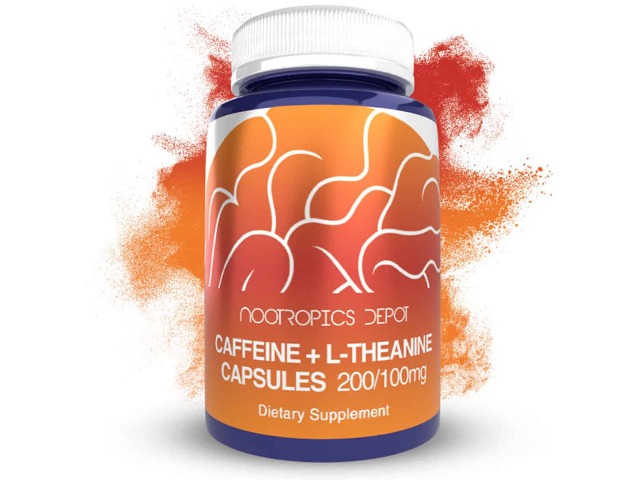
I’m listing this first because it’s what I recommend to everyone before they try anything else. The caffeine + L-theanine combination is the most studied natural alertness stack in existence, and when dosed properly, it produces a state that’s surprisingly close to low-dose modafinil: alert, focused, and clear without jitteriness.
Caffeine blocks adenosine receptors, preventing the “sleepiness signal” from accumulating — that’s the wakefulness mechanism. A 2006 study in Psychopharmacology confirmed caffeine’s dose-dependent effects on alertness and sustained attention. L-Theanine then smooths out caffeine’s rough edges by promoting alpha brain wave activity and modulating glutamate. A 2008 study in Nutritional Neuroscience (Owen et al.) found the combination improved attention, task-switching, and accuracy beyond either compound alone.
Why it works as a modafinil alternative: Modafinil provides clean alertness without the jitters of amphetamines. The caffeine-theanine stack achieves a similar profile — wakefulness without overstimulation — through a different mechanism. It won’t last as long (4-6 hours vs. modafinil’s 12+), but it’s available in any grocery store.
Dosage: 100-200mg caffeine + 200-400mg L-theanine (1:2 ratio). Take in the morning or early afternoon.
Safety notes: The safest option on this list. Tolerance to caffeine develops over time — cycle off for a week every 1-2 months to reset sensitivity. Avoid after 2 PM if you’re sensitive to caffeine’s sleep effects.
2. Rhodiola Rosea — The Anti-Fatigue Adaptogen
Rhodiola is the closest thing to modafinil in the adaptogen world. It works partly through mild MAO inhibition — the same enzyme system that breaks down dopamine and norepinephrine. By slowing this breakdown, rhodiola keeps more of these wakefulness-promoting neurotransmitters active in your brain.
A 2012 systematic review in BMC Complementary and Alternative Medicine (Ishaque et al.) analyzed 11 studies and found rhodiola significantly reduced physical and mental fatigue. A 2017 multicenter trial in Neuropsychiatric Disease and Treatment (Kasper & Dienel) found rhodiola rosea extract significantly reduced burnout symptoms — including fatigue, concentration difficulties, and cognitive impairment — with improvements continuing through 12 weeks of treatment.
Why it works as a modafinil alternative: Both modafinil and rhodiola increase dopamine availability — modafinil through reuptake inhibition, rhodiola through degradation inhibition. The result is similar: more dopamine and norepinephrine in the synapse, promoting wakefulness and motivation.
Dosage: 200-400mg per day of extract standardized to 3% rosavins and 1% salidroside. Take in the morning — it’s mildly stimulating and can interfere with sleep if taken late.
Safety notes: Avoid if bipolar (can trigger mania in susceptible individuals). Use caution with SSRIs. Some people find it too activating — start at 200mg to assess your response.
3. Citicoline — The Brain Energy Booster
Citicoline doesn’t feel like a stimulant, and that’s actually what makes it a great modafinil alternative. It enhances dopamine synthesis in the prefrontal cortex while simultaneously boosting brain ATP production — giving your neurons both the signaling molecules and the energy they need to maintain alertness.
A 2008 study using phosphorus MRS brain imaging (Silveri et al., published in NMR in Biomedicine) directly measured citicoline’s effects on brain bioenergetics and found it significantly increased frontal lobe ATP levels. That’s your brain literally having more fuel available for sustained cognitive work.
Why it works as a modafinil alternative: Modafinil provides sustained wakefulness partly by enhancing dopaminergic tone in the prefrontal cortex. Citicoline enhances dopamine synthesis in the same region through a gentler precursor-loading mechanism, plus it adds the energy metabolism component that supports all-day cognitive endurance.
Dosage: 250-500mg per day. For a modafinil-like duration, take in the morning — the effects are subtle but last throughout the day.
Safety notes: Headaches at higher doses (above 500mg) are the most common side effect, usually indicating sufficient choline levels. Well-studied safety profile.
4. L-Tyrosine — The Stress-Proof Alertness Booster
L-Tyrosine is the amino acid precursor your body converts directly into dopamine and norepinephrine. It’s most effective under conditions that deplete these neurotransmitters — stress, sleep deprivation, cognitive overload — which are exactly the conditions where people reach for modafinil.
A 2015 review in the Journal of Psychiatric Research (Jongkees et al.) examined tyrosine’s effects across multiple stress and cognitive-demand studies. The conclusion: tyrosine reliably improves cognitive performance under challenging conditions by replenishing catecholamine stores that stress depletes.
Why it works as a modafinil alternative: When you’re sleep-deprived or stressed, your dopamine stores get burned through fast. Modafinil keeps existing dopamine in the synapse longer; tyrosine gives your brain more raw material to produce fresh dopamine. Different mechanism, complementary outcome.
Dosage: 500-2,000mg per day on an empty stomach. Take 30-60 minutes before the cognitive demand or stressor.
Safety notes: Avoid if taking MAOIs. Use caution with thyroid medications (tyrosine is a thyroid hormone precursor). Not particularly effective if your dopamine is already at normal levels — it corrects deficits, not baselines.
Pro Tip: The citicoline + tyrosine combination is my favorite natural alternative to modafinil for long work days. Citicoline provides sustained background alertness via brain energy, tyrosine provides dopamine resilience under stress. Together, they cover the two main axes that make modafinil effective.
5. Theacrine — Caffeine’s Longer-Lasting Cousin
Theacrine is structurally similar to caffeine and found naturally in kucha tea. It hits both adenosine receptors (like caffeine) and dopamine pathways (which caffeine doesn’t directly affect). The result is a longer, smoother alertness curve without the crash.
A 2016 pilot study in the Journal of the International Society of Sports Nutrition (Taylor et al.) found that 200mg theacrine improved energy, focus, and motivation without affecting heart rate or blood pressure. Importantly, it did not produce tolerance over 8 weeks of daily use — a significant advantage over caffeine.
Why it works as a modafinil alternative: Theacrine provides dual-mechanism wakefulness (adenosine antagonism + dopamine modulation) with a longer half-life than caffeine and without habitual tolerance development. That tolerance resistance is particularly relevant for people replacing modafinil, which also maintains efficacy over time.
Dosage: 100-300mg per day. Can be combined with caffeine (each enhances the other’s effects). Start at 100mg to assess tolerance.
Safety notes: Relatively new to the supplement market, so long-term data is limited. Available clinical evidence shows a favorable safety profile. Does not appear to affect sleep architecture at moderate doses, but avoid late-day dosing until you know your response.
6. Sulbutiamine — The Thiamine-Based Energizer
Sulbutiamine is a synthetic derivative of thiamine (vitamin B1) developed in Japan to address thiamine deficiency-related fatigue. It crosses the blood-brain barrier far more efficiently than regular thiamine and modulates dopaminergic transmission in the prefrontal cortex.
A 1999 study in L’Encephale (Trovero et al.) found sulbutiamine reduced psycho-behavioral inhibition (apathy, fatigue, lack of initiative) in patients with major depressive episodes. While not a depression treatment, this “anti-fatigue” effect is what makes it relevant as a modafinil alternative.
Why it works as a modafinil alternative: Sulbutiamine addresses the fatigue and motivational components of wakefulness through dopamine modulation. It’s particularly effective for the “tired but can’t sleep” state where you need to be productive but lack the drive.
Dosage: 400-600mg per day, taken in the morning with food (it’s fat-soluble). Effects are often felt within 1-2 hours.
Safety notes: Tolerance develops with daily use — cycle 5 days on, 2 days off, or use only on days when you need it. Not well-studied in long-term daily use. Avoid combining with other dopaminergic compounds without careful dose adjustment.
7. Phenylpiracetam — The Acute Performance Compound
Phenylpiracetam is the compound on this list that most directly overlaps with modafinil’s mechanism. The added phenyl group gives it affinity for dopamine and norepinephrine transporters — similar to modafinil’s DAT inhibition but through a racetam backbone. It was developed in Russia for cosmonauts and is banned by WADA as a performance enhancer.
A 2011 study in Eksperimental’naia i Klinicheskaia Farmakologiia documented both nootropic and neuroprotective effects, including improved cognitive function and cold tolerance. Russian clinical literature consistently reports enhanced alertness, focus, and physical stamina.
Why it works as a modafinil alternative: Phenylpiracetam’s DA/NE reuptake inhibition is mechanistically the closest match to modafinil on this list. The difference: shorter duration (4-6 hours vs. 12+), faster tolerance development, and limited Western clinical evidence.
Dosage: 100-200mg as needed. Cycle 2-3 times per week maximum — tolerance builds rapidly with daily use.
Important: Phenylpiracetam is a research compound, not an approved dietary supplement. It’s not available through mainstream retailers. If you choose to use it, source from reputable third-party tested suppliers and treat it as an acute tool, not a daily supplement.
8. Mucuna Pruriens — The Direct Dopamine Source
Mucuna pruriens contains L-DOPA, the direct biochemical precursor to dopamine. This is the most straightforward dopamine boost available without a prescription — your body converts L-DOPA into dopamine through a single enzymatic step.
The effect is noticeable: improved mood, increased motivation, and enhanced wakefulness. Mucuna has been used in Ayurvedic medicine for centuries and has clinical evidence supporting its effects on dopamine levels and mood.
Why it works as a modafinil alternative: If modafinil keeps dopamine in the synapse longer, mucuna gives you more dopamine to work with. Different entry point, same end result: elevated dopaminergic tone in wakefulness-promoting circuits.
Dosage: 100-300mg of standardized extract (15-20% L-DOPA). Start low — L-DOPA is pharmacologically active and individual response varies significantly.
Safety notes: This is the highest-risk compound on this list for side effects. L-DOPA can cause nausea, headaches, and agitation at higher doses. It should NOT be combined with MAOIs, SSRIs, or dopamine-affecting medications. Tolerance and downregulation are real risks with daily use — cycle aggressively (2-3 days per week maximum). Not appropriate for people with psychosis or mania history.
Stacking Strategies
The Clean Wakefulness Stack (Daily Use):
- Caffeine 100mg + L-Theanine 200mg (morning)
- Rhodiola 400mg (morning)
- Approximate modafinil equivalence: 60-70%
- Safe for daily use with periodic caffeine cycling
The Cognitive Endurance Stack (Work Days):
- Citicoline 500mg (morning)
- L-Tyrosine 500mg (morning, empty stomach)
- Caffeine 100mg + L-Theanine 200mg (as needed)
- Approximate modafinil equivalence: 70-80%
- Targets the same dopaminergic pathways as modafinil
The Peak Performance Stack (Occasional Use):
- Phenylpiracetam 100mg (acute, 2-3x/week max)
- Caffeine 100mg + L-Theanine 200mg
- Approximate modafinil equivalence: 80-85%
- Closest to modafinil but not suitable for daily use
Frequently Asked Questions
What is the closest natural thing to modafinil? Mechanistically, phenylpiracetam is the closest match (DA/NE reuptake inhibition). For a legal, daily-use compound, the caffeine + L-theanine + rhodiola combination provides the most modafinil-like wakefulness profile.
Can I use these to get off modafinil? These can ease the transition if you’re discontinuing modafinil for non-medical reasons. However, if you’re prescribed modafinil for narcolepsy or a sleep disorder, do not substitute supplements without your doctor’s guidance. For off-label productivity use, a gradual transition to the cognitive endurance stack above is a reasonable approach.
Do any of these build tolerance like modafinil doesn’t? Modafinil is unusual in maintaining efficacy over time. Caffeine builds tolerance within 1-2 weeks of daily use. Phenylpiracetam and sulbutiamine build tolerance within days. Theacrine appears to resist tolerance. Rhodiola, citicoline, and L-tyrosine show minimal tolerance at standard doses.
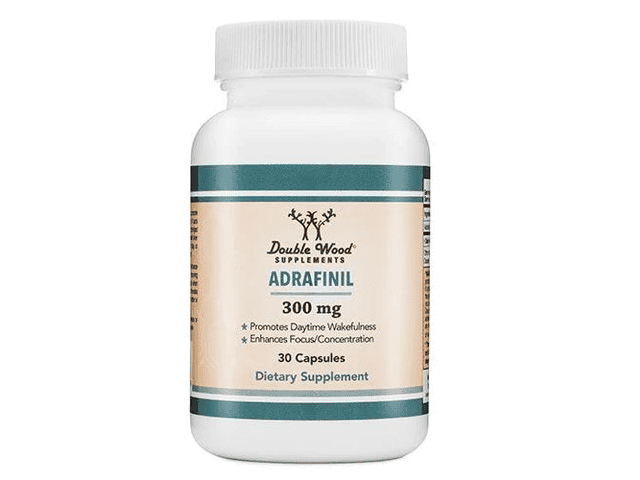
Is adrafinil a natural modafinil alternative? Adrafinil is a prodrug that your liver converts into modafinil, so it’s essentially unregulated modafinil with extra liver strain. I don’t consider it a “natural alternative” — it IS modafinil with an extra metabolic step and added hepatotoxicity risk. If you want modafinil, get a prescription. If you want something different, use the actual alternatives on this list.
My Take
After years of going back and forth with modafinil, here’s my honest assessment: no single natural compound matches it. But a well-designed stack of 2-3 compounds gets surprisingly close — close enough that I use modafinil maybe once or twice a month now instead of 3-4 times a week.
My daily setup: rhodiola rosea 400mg and citicoline 250mg every morning, caffeine + L-theanine when I need a sharpness boost. On heavy deadlines, I add L-tyrosine 500mg. This gets me through 10-12 hour work days with sustained alertness and clear thinking — no crash, no headaches, no prescription involved.
The one thing modafinil does that this stack can’t replicate: override genuine sleep deprivation. If you slept four hours, modafinil can still make you functional. Natural alternatives can only partially compensate. But if you’re sleeping 7+ hours and just want sustained daytime alertness and cognitive performance, you probably don’t need modafinil at all.
Get the sleep right. Stack intelligently. Save the pharmaceutical for when you actually need it.