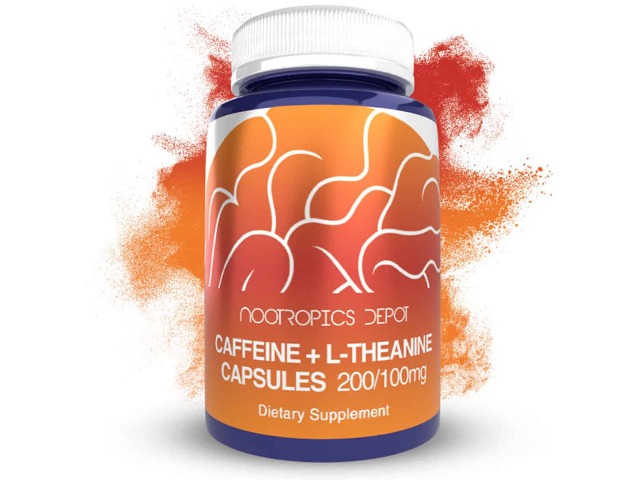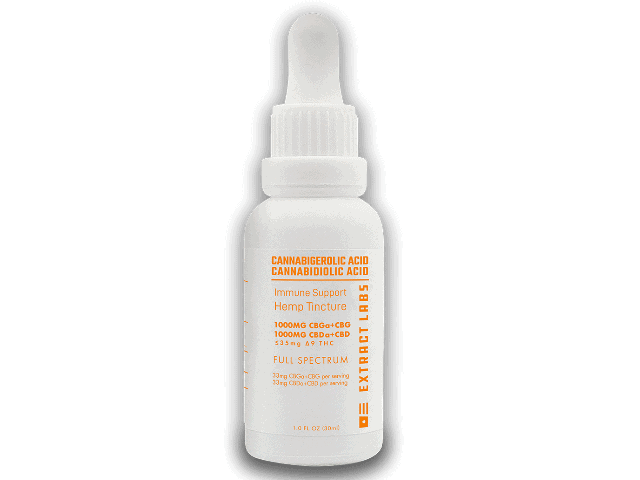
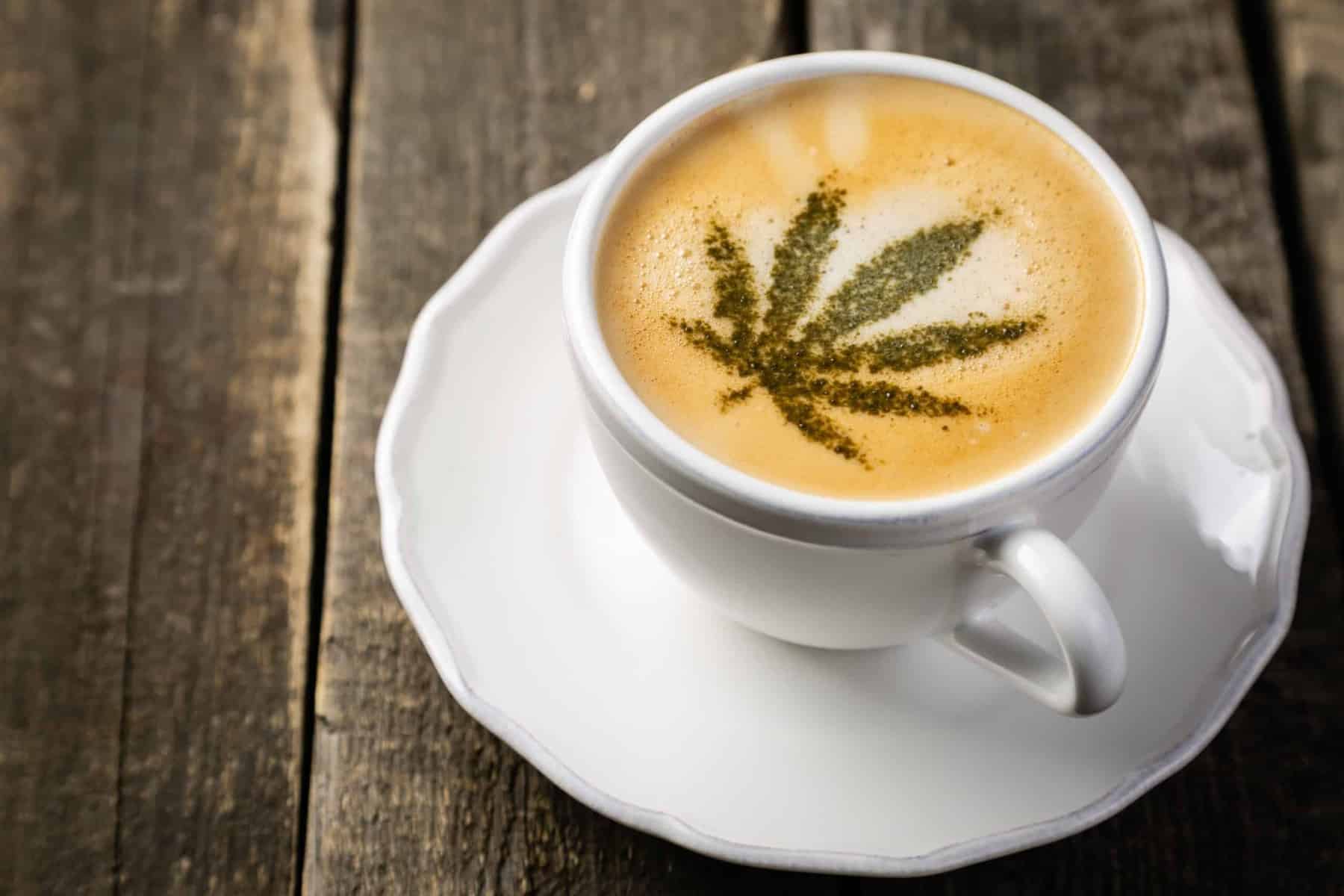
I’ve always been fascinated by combinations that are greater than the sum of their parts. L-theanine and caffeine is the classic example — the theanine rounds off caffeine’s rough edges while preserving (and even enhancing) the focus and alertness. CBD coffee operates on a similar principle, but through an entirely different mechanism: the endocannabinoid system.
For years I drank coffee and dealt with the tradeoff — sharp focus for an hour, followed by jitteriness, mounting anxiety, and an afternoon crash. When I started experimenting with adding CBD oil to my morning brew, the difference was noticeable within the first week. The alertness was still there, the focus was still there, but the anxious edge was gone. It felt like coffee was supposed to feel — all signal, no noise.
The Short Version: CBD coffee combines caffeine’s cognitive-enhancing effects (alertness, focus, reaction time) with CBD’s anxiolytic and neuroprotective properties. CBD modulates the endocannabinoid system to reduce the anxiety and jitteriness commonly associated with caffeine, while caffeine counteracts CBD’s mild sedative tendency. The result is clean, focused energy without the crash. This combination may also support mood through serotonergic effects and provide neuroprotection through anti-inflammatory and antioxidant pathways.
What Is CBD?
Cannabidiol (CBD) is a non-psychoactive phytocannabinoid found in the cannabis plant (Cannabis sativa). It is one of over 120 identified cannabinoids, but unlike THC (delta-9-tetrahydrocannabinol), it does not produce a “high” or any meaningful psychoactive effects. The mental effects of CBD are subtle — most people report a gentle reduction in anxiety and physical tension rather than any obvious altered state.
Since the 2018 Farm Bill legalized hemp-derived CBD federally in the United States (containing less than 0.3% THC), research has accelerated significantly. The evidence base now supports potential benefits for:
- Anxiety reduction — clinical studies demonstrate anxiolytic effects in high-stress situations including public speaking and social anxiety
- Mood support — CBD appears to positively influence serotonin signaling, contributing to its antidepressant-like effects in both animal and human research
- Pain and inflammation — modulation of the endocannabinoid system reduces inflammatory signaling and alters pain perception
- Neuroprotection — antioxidant and anti-inflammatory properties may protect neurons from damage
- Sleep support — some users report improved sleep quality, likely mediated through anxiety reduction rather than direct sedation
The key distinction: CBD delivers many of the therapeutic benefits associated with cannabis without the psychoactive effects, cognitive impairment, paranoia, or other side effects linked to THC-dominant products.
The Endocannabinoid System: Why CBD Works
To understand why CBD pairs so well with coffee, you need to understand the endocannabinoid system (ECS) — a cell-signaling network that regulates mood, stress response, pain perception, appetite, immune function, and more.
The ECS comprises:
- Endocannabinoids — naturally produced molecules (anandamide, 2-AG) that your body makes on demand
- CB1 receptors — concentrated in the brain and central nervous system, involved in mood, memory, pain, and appetite
- CB2 receptors — primarily found on immune cells, with roles in inflammation and immune modulation
- Enzymes (FAAH, MAGL) that break down endocannabinoids after use
CBD doesn’t bind directly to CB1 or CB2 receptors the way THC does. Instead, it modulates the system indirectly — inhibiting the FAAH enzyme that breaks down anandamide (often called the “bliss molecule”), which effectively increases your body’s own endocannabinoid levels. This indirect mechanism is why CBD provides therapeutic effects without psychoactive side effects.
Notably, both CB1 and CB2 receptors are present in the GI tract. This means that consuming CBD through coffee — an oral delivery method that passes through the digestive system — is actually an effective way to engage the endocannabinoid system. The gut-brain axis implications are significant: CBD’s effects on gut health may contribute to its cognitive benefits through reduced intestinal inflammation and improved gut-brain signaling.
Why CBD and Coffee Work So Well Together
The synergy between CBD and caffeine comes down to complementary mechanisms:
Caffeine blocks adenosine receptors, preventing drowsiness and allowing excitatory neurotransmitters (dopamine, norepinephrine, glutamate) to flow more freely. This produces alertness, improved reaction time, and enhanced working memory. But unchecked excitatory signaling is also what causes jitteriness, anxiety, and the eventual crash as your system overcorrects.
CBD calms that excitatory overshoot. By modulating the endocannabinoid system and influencing serotonergic signaling, CBD provides an anxiolytic buffer against caffeine’s tendency to push things too far. The effect is similar to what L-theanine does when paired with caffeine — smoothing out the experience — but through a completely different pathway.
The result: you get caffeine’s cognitive enhancement with CBD’s stabilizing influence. Focus without anxiety. Energy without jitters. Motivation without the crash.
This is particularly valuable if you’re among the roughly 40% of the population with slower caffeine metabolism (determined by CYP1A2 gene variants). Slow metabolizers experience more pronounced caffeine side effects — anxiety, heart palpitations, disrupted sleep — and benefit most from a calming co-factor like CBD. For more on caffeine metabolism and tolerance, see our caffeine tolerance guide.
CBD Coffee and Mental Health
Mood and Depression
Multiple animal and human studies support CBD’s positive effects on mood. The mechanism appears to involve serotonin receptor modulation — specifically the 5-HT1A receptor, which is a primary target of many pharmaceutical antidepressants. CBD also increases BDNF (Brain-Derived Neurotrophic Factor) and promotes synaptic growth, both of which are implicated in depression recovery. For more on natural mood support, see our guide on the best nootropics for depression.
Anxiety
This is where CBD’s evidence is strongest. Clinical studies demonstrate meaningful anxiolytic effects in:
- Social anxiety — a double-blind study found CBD reduced brain activity in regions implicated in Social Anxiety Disorder
- Public speaking anxiety — CBD reduced subjective anxiety, cognitive impairment, and discomfort during simulated public speaking
- THC-induced anxiety — CBD mitigates the paranoia and anxiety caused by high-dose THC
These anxiolytic effects make CBD an ideal partner for caffeine, directly counteracting one of coffee’s most common drawbacks. For more on natural anxiety management, see our best nootropics for anxiety guide.
Pain Management
The endocannabinoid system is deeply involved in pain perception. Clinical evidence supports CBD’s utility for chronic pain management, with meta-reviews finding meaningful reductions in chronic pain conditions. Its anti-inflammatory properties also show promise for arthritis and other inflammatory pain conditions. For people whose chronic pain interferes with focus and cognitive function, addressing the pain component with CBD while boosting alertness with caffeine creates a practical dual-action approach.
Addiction Recovery
An emerging and particularly interesting area of CBD research is addiction treatment. Preclinical and early clinical trials suggest CBD can attenuate cravings and withdrawal effects from addictive substances including nicotine, opioids, and even THC-dominant cannabis. The endocannabinoid system’s role in reward circuitry makes this biologically plausible. See our article on the best nootropics for addiction recovery for more.
How to Make CBD Coffee
The simplest method: measure your preferred dose of CBD oil (start with 15-25mg) and stir it directly into brewed coffee.
Important practical note: CBD oil is fat-soluble and won’t readily mix with water-based coffee on its own. To achieve proper dispersion:
- Add a splash of whole milk, cream, or coconut cream — the fat molecules bind with CBD and distribute it evenly throughout your cup
- Alternatively, use an immersion blender or milk frother to emulsify the oil into the coffee
- Consider adding MCT oil or butter (bulletproof-style) for additional fat to enhance CBD bioavailability
CBD has a mild vegetal taste that some people find off-putting. A small amount of honey, vanilla extract, or cinnamon can mask it if needed.
Dosing guidance:
- Start low: 10-15mg CBD per cup for your first few tries
- Assess effects over 3-5 days before increasing
- Most people find their sweet spot between 15-50mg per cup
- Higher doses may produce more sedation, which could counteract caffeine’s benefits
You can also purchase pre-infused CBD coffee beans, though these vary significantly in quality and CBD concentration. If you go this route, look for products with third-party lab testing (Certificate of Analysis) verifying CBD content and confirming THC levels below 0.3%.
Safety and Legality
Is CBD safe? The World Health Organization has stated that CBD is “generally well-tolerated with a good safety profile” and shows no evidence of abuse potential or public health risks. Side effects, when they occur, are typically mild: drowsiness, dry mouth, or mild GI discomfort at higher doses.
Does caffeine interfere with CBD? No known adverse interactions. The two compounds work through different receptor systems and pharmacological pathways. Anecdotally and mechanistically, they complement rather than conflict.
Is CBD legal? In the United States, hemp-derived CBD (less than 0.3% THC) is federally legal under the 2018 Farm Bill. State laws vary — most states permit it, though a small number maintain restrictions. Check your local regulations before purchasing.
Quality matters significantly. The CBD market remains poorly regulated, and independent testing has found that many products contain significantly more or less CBD than labeled, and some contain undisclosed THC. Purchase from brands that provide third-party Certificates of Analysis and transparent sourcing.
FAQs
Will CBD coffee get me high?
No. CBD is non-psychoactive. If you’re using a product derived from hemp (less than 0.3% THC), there is no intoxicating effect. You should feel a subtle sense of calm balanced with caffeine’s alertness — not any altered state of consciousness.
Can I use CBD coffee daily?
Yes. CBD does not appear to produce tolerance or dependence with regular use. However, as with any supplement, I recommend cycling periodically (5 days on, 2 days off) and paying attention to how your body responds over time.
How does CBD coffee compare to L-theanine and caffeine?
Both combinations smooth out caffeine’s rough edges, but through different mechanisms. L-theanine works primarily through GABA/glutamate modulation and alpha wave promotion. CBD works through the endocannabinoid system and serotonin receptors. Some people respond better to one than the other — and they can also be combined for a triple-action stack.
My Take
CBD coffee has earned a permanent spot in my rotation. On days when I need clean focus without any anxiety risk — client calls, writing sessions, deep work blocks — it’s my go-to. The combination genuinely feels like what coffee promises but often doesn’t deliver: alert, focused, and calm.
If you’re someone who loves what caffeine does for your productivity but hates what it does to your nervous system, this is worth trying. Start with a good-quality full-spectrum CBD oil (15-25mg), add it to your morning brew with a fat source for absorption, and give it at least a week of consistent use before judging the effects. The anxiolytic benefits accumulate with regular use, and most people find their optimal dose within the first 2-3 weeks.