
- Supports memory and cognitive function
- Promotes calm mood and reduces anxiety
- Protects neurons through antioxidant and anti-inflammatory pathways
- Supports healthy blood pressure and cholesterol levels
- May reduce allergy symptoms
I’ll be honest — when I first heard someone call black seed oil “the cure for everything except death,” I rolled my eyes so hard I nearly strained something. That kind of claim is usually a red flag the size of a billboard.
But then I started digging into the research. And kept digging. Over 1,500 published studies later, Nigella sativa turned out to be one of those rare compounds where the traditional hype actually has serious science behind it. Not “cures everything” science — let’s be clear — but a genuinely impressive multi-target profile that touches nearly every system your brain cares about.
The Short Version: Nigella sativa (black seed) is a well-studied medicinal plant whose active compound, thymoquinone, supports cognition, mood, and neuroprotection through multiple mechanisms — including boosting acetylcholine, enhancing BDNF, and calming neuroinflammation. One human RCT showed significant memory improvements in elderly adults after 9 weeks at 500mg twice daily. It’s best suited as a foundational, long-term brain health supplement rather than an acute cognitive booster.
What Is Nigella sativa?
Nigella sativa is a small flowering plant in the buttercup family, native to the Mediterranean, North Africa, and Southwest Asia. The part you care about is the seeds — tiny, black, crescent-shaped — which have been used medicinally for over 3,000 years. Archaeologists found them in Tutankhamun’s tomb. Hippocrates wrote about them. Avicenna described them in The Canon of Medicine back in the 11th century.
The plant holds particular significance in Islamic traditional medicine, where it’s been used as a broad-spectrum remedy for centuries. That long track record matters — not because tradition automatically equals efficacy, but because 3,000 years of continuous use without major safety signals is a pretty solid starting point for a supplement.
The heavy lifter in black seed is thymoquinone (TQ), which makes up the majority of the seed’s volatile oil fraction. But it’s not a one-compound show. Other bioactive constituents include thymohydroquinone, thymol, carvacrol, nigellone, and a range of fatty acids. Like most whole-plant compounds, the ensemble effect likely matters — though TQ gets the lion’s share of research attention for good reason.
Here’s the important context, though: before you reach for any supplement — including this one — the foundations need to be in place. Gut health, sleep quality, stress management, basic nutrition. Black seed is a powerful tool, but it works best when your body’s baseline systems are actually functioning. Think of it as high-octane fuel — it’s wasted if the engine’s running on three cylinders.
How Does Nigella sativa Work?
What makes Nigella sativa interesting from a nootropics perspective is that it doesn’t just pull one lever. It hits multiple brain systems simultaneously, which is rare for a single plant compound.
The acetylcholine connection. Your brain uses acetylcholine for memory formation, learning, and focused attention. An enzyme called acetylcholinesterase (AChE) breaks acetylcholine down after it’s used — which is fine, unless too much gets broken down too fast. Thymoquinone potently inhibits AChE, keeping more acetylcholine available in your synapses. In rat models of reduced brain blood flow, this effect was comparable to donepezil — a prescription Alzheimer’s drug (Metabolic Brain Disease, 2019). That’s a remarkable comparison for a seed extract.
In practical terms: this is the mechanism behind the “clearer thinking” and “less brain fog” that users consistently report.
The calming effect. Thymoquinone increases GABA levels and works through nitric oxide-cGMP and GABAergic pathways. GABA is your brain’s primary inhibitory neurotransmitter — it’s the “calm down” signal. This is likely why so many people describe black seed as producing a “zen-like clarity” rather than the jittery focus you get from stimulants.
The inflammation brake. Chronic, low-grade neuroinflammation is increasingly recognized as a driver of brain fog, mood disruption, and cognitive decline. TQ suppresses the NF-κB signaling pathway — one of the master switches for inflammation — reducing pro-inflammatory cytokines like TNF-α, IL-1β, and IL-6 while simultaneously boosting BDNF and the anti-inflammatory cytokine IL-10 (International Journal of Molecular Sciences, 2025).
The growth factor boost. BDNF (brain-derived neurotrophic factor) is essentially fertilizer for your neurons — it supports survival of existing brain cells, strengthens synaptic connections, and promotes the growth of new ones. Nigella sativa oil has been shown to increase BDNF levels, which may explain the cumulative cognitive benefits users notice over weeks and months.
The antioxidant shield. TQ enhances your brain’s built-in antioxidant defenses — superoxide dismutase (SOD), glutathione (GSH), and the Nrf2/HO-1 pathway. A meta-analysis of 5 randomized controlled trials covering 293 subjects confirmed that N. sativa supplementation significantly increased SOD levels (Oxidative Medicine and Cellular Longevity, 2020).
So you’ve got acetylcholine preservation, GABA-mediated calm, inflammation control, neuron growth support, and antioxidant protection — all from one compound. That’s a lot of bases covered.
Benefits of Nigella sativa
What the Human Evidence Actually Shows
The headline study for cognitive benefits: a randomized controlled trial gave 40 healthy elderly volunteers 500mg of N. sativa capsules twice daily for 9 weeks. The results were across-the-board improvements — logical memory, digit span, delayed recall, complex figure testing, letter cancellation, trail making, and Stroop test scores all improved significantly. Importantly, no adverse changes in cardiac, liver, or kidney biomarkers were observed (Journal of Ethnopharmacology, 2013).
One RCT with 40 people isn’t a slam dunk. I want to be upfront about that. But the breadth of cognitive domains that improved — not just one memory test, but multiple measures of attention, processing speed, and recall — makes it more compelling than a single-metric result would be.
Beyond cognition, the human evidence is actually stronger for metabolic and cardiovascular effects. A trial of hypertensive patients taking 2.5ml of black seed oil twice daily for 8 weeks showed significant reductions in blood pressure, cholesterol, LDL, triglycerides, and fasting blood sugar (Phytotherapy Research, 2021). A Phase I safety trial of TQ-rich (5%) black cumin oil at 200mg/day for 90 days confirmed the lipid-lowering effects while establishing a clean safety profile (Toxicology Reports, 2022).
There’s also a solid double-blind, placebo-controlled trial showing that 250mg of black seed oil with 2.5mg piperine twice daily significantly reduced nasal and ocular allergy symptoms (Medicine, 2024) — which matters for brain health more than you’d think, since chronic allergic inflammation can absolutely contribute to brain fog.
Reality Check: The cognitive evidence in humans is promising but limited to one well-designed trial in elderly adults. The animal evidence for neuroprotection is extensive and consistent, but we need more human RCTs — particularly in younger, healthy adults — before making strong claims. This is a “strong foundation with room to grow” situation, not a “proven brain enhancer.”
What the Preclinical Evidence Suggests
The animal research is where the neuroprotective case gets genuinely exciting. TQ has protected against cognitive deficits induced by cerebral hypoperfusion, scopolamine, amyloid-beta accumulation, and even chemotherapy — across multiple validated memory tests. Both 10mg/kg and 30mg/kg doses of TQ reduced hippocampal neuroinflammation and glial activation in an amyloid-beta Alzheimer’s rat model (Brain Research, 2025). TQ also attenuates glutamate-mediated excitotoxicity via NMDA receptor modulation (Frontiers in Neurology, 2018) and has shown dopaminergic effects relevant to attention and focus.
These aren’t proof that the same effects occur in humans, but they provide a strong mechanistic rationale for the benefits that human users do report.
How to Take Nigella sativa
Choosing Your Form
This is where most people go wrong — and where the difference between “this stuff works” and “this stuff is useless” often lives.
Standardized extract (recommended for nootropic use): Look for capsules standardized to at least 5% thymoquinone, with 10% TQ being the premium tier. At 5% TQ, a 200mg capsule delivers 10mg of active thymoquinone. This is the most reliable way to get consistent, effective dosing.
Cold-pressed seed oil: The traditional form. TQ content varies wildly — anywhere from 0.07% to 1.88% between brands. That’s a 27-fold difference. Unless you know exactly what you’re getting, you could be paying for expensive salad dressing.
Whole seeds/ground powder: 1–3g daily is the traditional dose. Grind them fresh for best results. Lower TQ concentration than extracts, but you get the full spectrum of compounds.
Dosing Protocol
- For cognitive support: 500mg capsules twice daily (based on the successful human RCT)
- Standardized extract (5% TQ): 200–400mg daily
- Standardized extract (10% TQ): 200mg daily
- Cold-pressed oil: 1–2.5ml, once or twice daily
- Starting dose: Begin at the lower end for 1–2 weeks to assess tolerance
Pro Tip: Always take Nigella sativa with food. Thymoquinone is fat-soluble, so a meal containing some dietary fat significantly improves absorption. Some people also add 2.5mg of piperine (black pepper extract) — this combination was clinically validated and may enhance TQ bioavailability.
Timing
Take it with breakfast and/or dinner if splitting doses. Some users prefer evening-only dosing because of the GABAergic calming effects — experiment to see what works for your body. The cognitive benefits are cumulative, not acute, so consistency matters far more than perfect timing.
Cycling
Clinical trials have safely used continuous supplementation for 8–12 weeks without issues. That said, some users report that the acute calming effects diminish with continuous use. A reasonable approach: 5 days on / 2 days off, or 8 weeks on / 2 weeks off. Give it at least 4–6 weeks of consistent use before evaluating whether it’s working for you. The strongest cognitive trial ran for 9 weeks.
Side Effects and Safety
The good news: Nigella sativa has a remarkably clean safety profile for a compound this bioactive. It’s designated GRAS (Generally Recognized as Safe), and the Phase I clinical trial at 200mg/day of TQ-rich extract for 90 days found no serious adverse effects and no significant changes in liver or kidney function.
Common side effects are mild and mostly GI-related — bloating, nausea, or a burning sensation, particularly if you take it on an empty stomach or have existing digestive sensitivity. Capsules are better tolerated than raw oil for most people.
Important: Nigella sativa should be avoided during pregnancy. It has documented emmenagogue effects (stimulates menstruation) and may cause uterine contractions. Higher doses have historically been associated with abortifacient properties. Breastfeeding women should also avoid it or consult their physician due to insufficient safety data.
Key drug interactions to know about:
- Blood thinners (warfarin, etc.): TQ inhibits CYP2C9, warfarin’s primary metabolic pathway. This can increase warfarin levels and bleeding risk. This is a serious interaction — talk to your doctor.
- Diabetes medications: Additive blood sugar lowering could cause hypoglycemia. Monitor closely.
- Blood pressure medications: Additive BP-lowering effects.
- CYP2D6 substrates (many antidepressants, beta-blockers): Black seed inhibits this enzyme, potentially raising drug levels.
- CYP3A4 substrates (statins, many other medications): Same enzyme inhibition concern.
If you’re on any prescription medication, check with your prescriber before adding Nigella sativa. The CYP enzyme interactions are broad enough that this isn’t a “probably fine” situation.
Discontinue at least 2 weeks before any scheduled surgery due to potential blood-thinning effects.
Stacking Nigella sativa
Synergistic Combinations
Nigella sativa + Piperine (Black Pepper Extract): The most straightforward enhancement. 2.5mg of piperine with your black seed dose improves TQ absorption — this was clinically validated in the allergy trial. Simple, cheap, effective.
Nigella sativa + Lion’s Mane: A strong neuroprotective stack. Lion’s Mane stimulates NGF (Nerve Growth Factor) while Nigella sativa boosts BDNF — two complementary growth factors that support different aspects of neuronal health and plasticity.
Nigella sativa + Bacopa Monnieri: Both enhance memory through cholinergic mechanisms, but via different routes. Bacopa has stronger direct memory evidence from multiple RCTs, while Nigella sativa adds broader anti-inflammatory and neuroprotective benefits. Good “long game” stack for cognitive maintenance.
Nigella sativa + Alpha-GPC or Citicoline: Since Nigella sativa preserves acetylcholine by inhibiting AChE, pairing it with a choline source that helps build more acetylcholine is logical — you’re supplying more raw material while also slowing the breakdown.
Nigella sativa + Ashwagandha: Complementary calming effects through different pathways — Ashwagandha modulates cortisol and the HPA axis, while Nigella sativa works through GABA and anti-inflammatory mechanisms. Together, they cover more anxiety-related bases without excessive sedation.
Insider Tip: If you’re stacking Nigella sativa with other cholinergic compounds like Huperzine A, use lower doses of each. Excessive acetylcholinesterase inhibition can lead to too much acetylcholine — which paradoxically feels like brain fog, headaches, and irritability rather than clarity.
What to Avoid Combining
- Multiple blood-thinning supplements (fish oil, ginkgo, nattokinase) — additive anticoagulant effects stack up faster than you’d think
- Multiple blood sugar-lowering agents (berberine, cinnamon) — risk of hypoglycemia
- Strong GABAergic compounds (phenibut, high-dose magnesium) — additive sedation
My Take
Nigella sativa sits in a category I genuinely appreciate: the “quiet workhorse” tier of nootropics. It’s not flashy. You’re not going to feel like Bradley Cooper in Limitless an hour after your first dose. But the multi-target mechanism profile — AChE inhibition, GABA modulation, BDNF support, NF-κB suppression, antioxidant enhancement — is honestly hard to match in a single compound.
In my experience, the most noticeable effects are the mood stabilization and the reduction in that low-grade mental static that you don’t even realize is there until it lifts. It’s less “I’m smarter now” and more “my brain is running cleaner.” That’s a meaningful distinction.
Who is this best for? People looking for a long-term foundational nootropic with broad neuroprotective benefits. People dealing with brain fog that might have an inflammatory component. People who want a well-tolerated daily supplement with thousands of years of safety data and modern clinical backing.
Who should look elsewhere? If you need acute cognitive stimulation for a project deadline, this isn’t your tool — look at something faster-acting. If you’re on multiple medications, the CYP enzyme interactions make this one that requires careful medical oversight.
The one thing I’d emphasize: quality matters enormously with black seed products. The difference between a standardized 5-10% TQ extract and a random bottle of oil from the internet is the difference between a functional supplement and a placebo. Spend the extra money on a product that lists its thymoquinone content. Your brain is worth the upgrade.
Start at 500mg of standardized extract daily, give it 6–9 weeks, and pay attention to the subtle shifts — clearer mornings, less reactivity to stress, easier recall. The benefits build quietly. And sometimes the quietest tools are the ones that stick around the longest.
Recommended Black Seed (Nigella sativa) Products
I know how frustrating it is to sort through dozens of brands making the same claims. These are the ones I've personally vetted — because quality is the difference between results and wasted money.
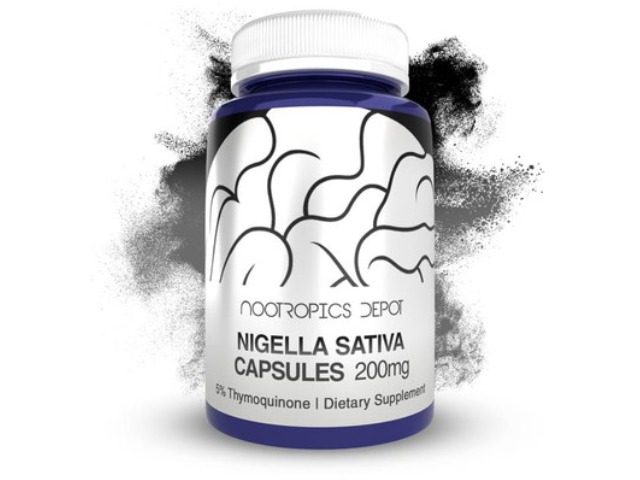
Buy Nigella Sativa Capsules | Black Seed Extract Reviews by Nootropics Depot
Shop Now →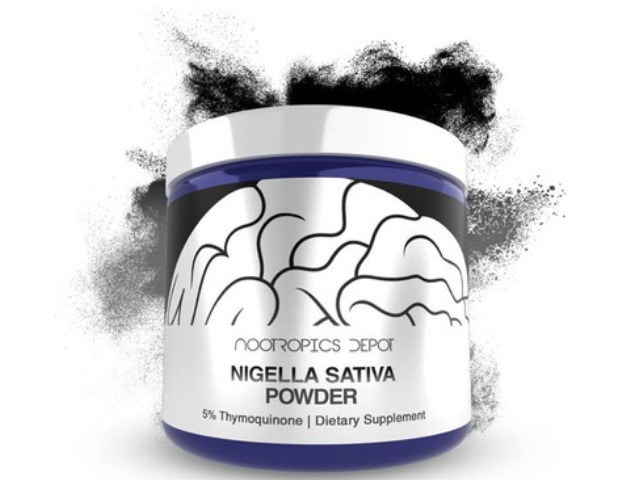
Nootropics Depot Nigella Sativa Extract Powder | Black Seed Extract
Shop Now →Disclosure: These are affiliate links. I earn a small commission if you purchase — at no extra cost to you. I only recommend products I personally use or have thoroughly researched.