
- Supports cognitive function and mental clarity
- Increases free testosterone via SHBG reduction
- Enhances vitamin D and mineral metabolism
- Supports bone density and joint health
- Reduces inflammatory markers
- Optimizes magnesium and calcium utilization
I’ll be honest — boron was never on my radar. For years, I was spending serious money on the “sexy” nootropics — racetams, peptides, exotic mushroom extracts — while completely ignoring a trace mineral that costs about five cents a day and was quietly undermining everything else I was taking.
Here’s what finally got my attention: I was dialing in my magnesium and vitamin D supplementation, doing everything by the book, and my levels were barely budging. Turns out, boron is one of the key reasons those supplements either work or don’t. It’s the mineral that makes your other minerals actually do their job.
The Short Version: Boron is a trace mineral that most people don’t get enough of, and it quietly affects everything from testosterone and vitamin D metabolism to cognitive function and inflammation. At just 3–6 mg per day, it’s one of the cheapest and most effective “force multipliers” in any supplement stack. Below, I’ll break down what the science actually says, how I use it, and why it probably belongs in your routine.
What Is Boron?
Boron is a naturally occurring trace element — atomic number 5 on the periodic table — found in soil, water, and certain foods like avocados, almonds, raisins, and prunes. Unlike flashier supplements, boron doesn’t have a marketing department. It doesn’t have a catchy brand name or a Joe Rogan episode. It just quietly does its thing.
Humans need boron in very small amounts, but “small” doesn’t mean “unimportant.” The average American diet provides roughly 1–2 mg of boron per day, and research suggests that’s probably not enough for optimal function. Populations eating diets rich in fruits, vegetables, and nuts tend to consume 3–6 mg daily — and they tend to have better bone health, hormonal profiles, and cognitive function to show for it.
Boron has been used in various forms for centuries — borax was a household staple long before anyone understood its biology. But research into boron’s role in human health really took off in the 1980s and 1990s, when USDA researcher Forrest Nielsen published a series of landmark studies showing that boron deprivation measurably impaired brain function and mineral metabolism.
The reason I think boron belongs in the conversation about nootropics and cognitive optimization isn’t because it’s a brain drug. It’s because it’s a systems optimizer. It makes your magnesium, your calcium, your vitamin D, and your testosterone work better. And all of those directly affect how your brain performs.
How Does Boron Work?
Think of boron as a logistics coordinator for your body’s mineral supply chain. It doesn’t produce anything dramatic on its own — it makes sure the critical resources get where they need to go.
At the molecular level, boron influences several interconnected systems. It inhibits the enzymes that break down steroid hormones like testosterone and estradiol, which effectively raises free testosterone — the form your body can actually use. It also inhibits 24-hydroxylase, the enzyme responsible for degrading the active form of vitamin D (1,25-dihydroxyvitamin D), meaning more of your vitamin D stays active and functional for longer.
Boron also plays a role in reducing sex hormone-binding globulin (SHBG). SHBG is essentially a sponge that soaks up free testosterone and makes it unavailable. By lowering SHBG, boron shifts the ratio toward more bioavailable testosterone — and that has downstream effects on energy, motivation, and cognitive clarity.
On the inflammation side, boron has been shown to reduce key inflammatory markers including C-reactive protein (CRP), TNF-alpha, and IL-6. A 2011 study published in The Journal of Trace Elements in Medicine and Biology found that boron supplementation significantly reduced these markers in healthy volunteers. Since neuroinflammation is one of the biggest silent drivers of brain fog and cognitive decline, this anti-inflammatory effect is more relevant to nootropic users than most people realize.
In plain English: boron doesn’t give you a cognitive “hit” like caffeine or a racetam would. What it does is remove hidden bottlenecks — low free testosterone, underperforming vitamin D, chronic low-grade inflammation, poor mineral absorption — that are quietly throttling your brain without you knowing it. It’s less like adding nitrous to your engine and more like finally changing the oil filter you’ve been ignoring for 50,000 miles.
What Boron Actually Does to Your Brain
Let’s get specific about the evidence. Boron’s benefits fall into a few well-studied categories, and I want to be honest about what’s strong science versus what’s still emerging.
Cognitive Function
This is where boron research started, and the evidence is solid. Forrest Nielsen’s pivotal studies at the USDA Grand Forks Human Nutrition Research Center in the late 1980s and 1990s found that boron-deprived individuals showed measurably worse performance on tasks involving manual dexterity, attention, short-term memory, and perception. EEG readings during boron deprivation showed patterns similar to those seen in malnutrition and heavy metal toxicity — increased theta activity and decreased alpha activity, essentially a brain that’s sluggish and unfocused.
When boron was restored to the diet (at around 3 mg/day), these effects reversed. Brain activity normalized. Cognitive test scores improved.
Reality Check: These studies show that boron deficiency hurts cognition, and that repletion fixes it. That’s not the same as saying megadosing boron will make you smarter. If you’re already getting adequate boron, adding more probably won’t turn you into Bradley Cooper from Limitless. But given that most Western diets are boron-insufficient, there’s a good chance you’re leaving cognitive performance on the table.
Testosterone and Hormonal Support
A 2011 study published in the Journal of Trace Elements in Medicine and Biology gave healthy men 10 mg of boron daily for one week. The results: free testosterone increased by an average of 28%, free estrogen decreased by 39%, and inflammatory biomarkers (including CRP and TNF-alpha) dropped significantly. SHBG levels also declined, meaning more testosterone was available for the body to use.
That 28% free testosterone bump is notable. For men dealing with age-related testosterone decline or sluggish hormonal profiles, this is a meaningful shift — and it happened in just seven days.
For women, the relationship is more nuanced. Boron’s effects on estrogen metabolism appear to depend on existing hormonal status. In postmenopausal women, boron supplementation has been associated with increased estradiol levels, which may support bone density and mood. If you’re a premenopausal woman, the hormonal effects are less clear-cut, and it’s worth discussing with a practitioner.
Anti-Inflammatory Effects
Chronic, low-grade inflammation is one of the most underappreciated enemies of cognitive performance. It’s invisible, it’s pervasive, and it slowly erodes brain function over years.
Boron’s ability to reduce CRP, TNF-alpha, and IL-6 makes it a quiet but effective anti-inflammatory tool. Epidemiological data is interesting here too: regions of the world where boron intake is naturally high (parts of Turkey and Israel, for example) have significantly lower rates of arthritis — a condition driven by inflammation.
Bone and Joint Health
While not directly a nootropic benefit, this matters for the longevity-minded biohacker. Boron enhances the metabolism of calcium, magnesium, and phosphorus — the building blocks of bone. It also appears to extend the half-life of vitamin D, which is critical for calcium absorption. Multiple studies have shown that boron supplementation reduces urinary excretion of calcium and magnesium, meaning your body retains more of what you take in.
Insider Tip: If you’re supplementing with magnesium and vitamin D but not seeing the results you’d expect on bloodwork, add boron. It’s frequently the missing piece that makes those supplements actually absorb and function properly.
How to Take Boron Without Wasting Your Money
Dosage
The sweet spot based on research is 3–6 mg of elemental boron per day. The 3 mg minimum is well-established across multiple studies as the threshold for correcting deficiency and seeing cognitive and hormonal benefits. The tolerable upper intake level (UL) set by the Institute of Medicine is 20 mg/day for adults, so there’s a wide safety margin.
- Starting dose: 3 mg/day for the first 4–6 weeks
- Maintenance dose: 3–6 mg/day based on your response
- Upper limit: Don’t exceed 20 mg/day
Timing
Take boron with food, ideally in the morning. Since it supports testosterone metabolism, morning dosing aligns with your body’s natural hormonal rhythm. It doesn’t need to be timed precisely — consistency matters more than timing.
Forms
Not all boron supplements are created equal:
- Boron glycinate — Well-absorbed, gentle on the stomach. My preferred form.
- Boron citrate — Good bioavailability, widely available.
- Calcium fructoborate — A naturally occurring form found in fruits and vegetables. Some evidence suggests superior bioavailability, but it’s pricier.
- Borax (sodium borate) — Some biohacking communities swear by dissolving small amounts of borax in water. While borax is technically a boron source, I don’t recommend this approach — dosing precision is poor, and the supplement forms are cheap enough that there’s no reason to go the DIY route.
Pro Tip: Boron is dirt cheap — most quality supplements run $5–10 for a two-to-three month supply. This is one case where the inexpensive option works just fine. Don’t let a supplement company charge you $30 for a boron blend with a fancy label.
Cycling
Boron doesn’t require cycling for most people. It’s a trace mineral your body needs continuously, not a stimulant or hormonal compound that causes tolerance. That said, some practitioners recommend five days on, two days off — not because it’s strictly necessary, but because it mimics the natural variation you’d get from a varied diet.
The Side Effects Nobody Warns You About
The good news: boron is remarkably well-tolerated at recommended doses. Most people experience zero side effects at 3–6 mg/day.
The bad news (such as it is):
- Digestive discomfort at higher doses (above 10 mg), including nausea and loose stools. Taking it with food virtually eliminates this.
- Skin flushing has been reported at very high doses (above 20 mg).
- Acute toxicity is possible but requires absurdly high doses — we’re talking grams, not milligrams. Not a realistic concern with supplementation.
Important: People with kidney disease should exercise caution with boron supplementation, as the kidneys are the primary route of boron excretion. If your kidney function is compromised, discuss boron with your healthcare provider before supplementing. Pregnant and nursing women should stick to dietary sources and avoid supplemental boron until more safety data is available.
Drug Interactions
Boron can theoretically interact with hormone-sensitive conditions or medications that affect estrogen levels, since it influences estrogen metabolism. If you’re on hormone replacement therapy, aromatase inhibitors, or any estrogen-related medication, check with your prescriber.
There are no well-documented severe drug interactions at normal supplemental doses, but it’s always worth mentioning to your doctor — especially if you’re on multiple medications.
Stacking Boron With Other Supplements
This is where boron really shines. Because it’s fundamentally a “mineral optimizer,” it pairs well with almost anything that involves mineral or hormonal pathways.
The Mineral Absorption Stack
- Boron (3 mg) + Magnesium Glycinate (300–400 mg) + Vitamin D3 (2,000–5,000 IU) + Vitamin K2 (100–200 mcg)
- Why it works: Boron enhances the absorption and retention of both magnesium and calcium, while extending the half-life of active vitamin D. K2 directs calcium to bones instead of arteries. This is arguably the foundational mineral stack everyone should be taking.
The Testosterone Optimization Stack
- Boron (6 mg) + Zinc (15–30 mg) + Ashwagandha (300–600 mg KSM-66) + Tongkat Ali (200–400 mg)
- Why it works: Boron reduces SHBG and supports free testosterone. Zinc is required for testosterone synthesis. Ashwagandha and Tongkat Ali both have human trial evidence for supporting healthy testosterone levels through complementary mechanisms. Together, they hit the problem from multiple angles.
The Anti-Inflammation Stack
- Boron (3–6 mg) + Curcumin (500 mg with piperine) + Omega-3 (EPA/DHA) (2–3 g)
- Why it works: Boron reduces CRP and TNF-alpha. Curcumin is one of the most studied natural anti-inflammatories. EPA/DHA support resolution of inflammation through specialized pro-resolving mediators. This is a powerful combination for anyone dealing with chronic inflammation or brain fog.
What to Avoid
There aren’t many hard “don’ts” with boron. It’s a trace mineral, not a pharmaceutical, so dangerous interactions are rare. That said, avoid combining high-dose boron (above 10 mg) with other supplements that strongly affect estrogen metabolism — you don’t want to stack estrogenic effects without monitoring.
My Take
Boron is one of those supplements that doesn’t get talked about in biohacking circles because it’s not exciting. It doesn’t give you a buzz. It doesn’t make you feel different in an hour. It doesn’t have a cool origin story involving Russian cosmonauts or Silicon Valley CEOs.
But in my experience, it’s been one of the most quietly impactful additions to my daily routine. When I added 6 mg of boron to my existing magnesium and vitamin D stack, my next round of bloodwork showed noticeably better vitamin D levels and improved free testosterone — without changing anything else. My joints also felt better during heavy training, which was an unexpected bonus.
Here’s who I think should try boron:
- Anyone already taking magnesium and vitamin D — boron makes both of them work better. This alone justifies the five cents per day.
- Men over 30 concerned about age-related testosterone decline — the free testosterone bump is real and well-documented.
- People dealing with joint stiffness or inflammation — the anti-inflammatory and bone-support effects are legit.
- Anyone eating a typical Western diet — you’re almost certainly not getting enough from food alone.
Who should probably skip it? Honestly, I can’t think of many people. At 3 mg/day, there’s very little downside risk, and the cost is negligible. The main group that should exercise caution is people with kidney issues and pregnant or nursing women.
If I had to rank boron on the “bang for your buck” scale, it’s near the top. Not because it does any single thing dramatically, but because it makes everything else in your stack work a little better. In the world of optimization, those small multipliers add up fast.
Start with 3 mg. Take it with breakfast. Give it six weeks. Then check your bloodwork. I think you’ll be pleasantly surprised.
Recommended Boron Products
I know how frustrating it is to sort through dozens of brands making the same claims. These are the ones I've personally vetted — because quality is the difference between results and wasted money.
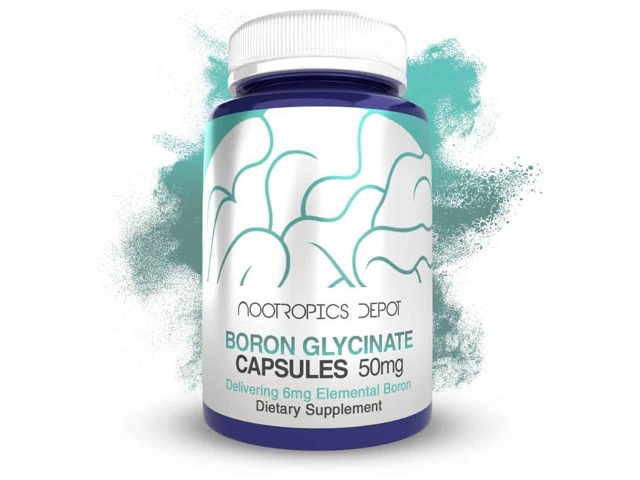
Boron Glycinate by Nootropics Depot
Shop Now →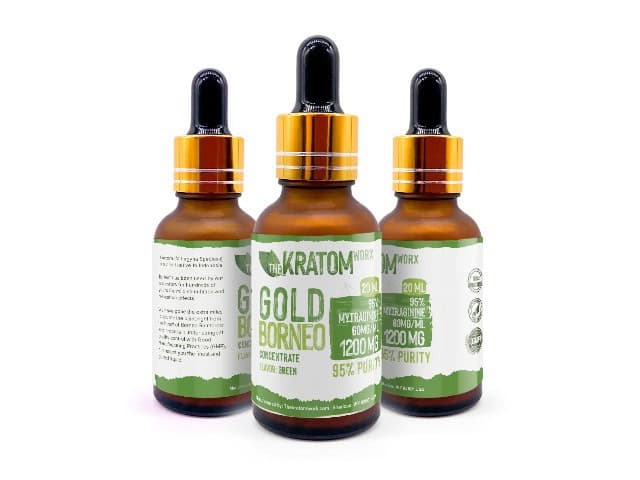
Gold Borneo Kratom Extract by Research Chemical Depot
Shop Now →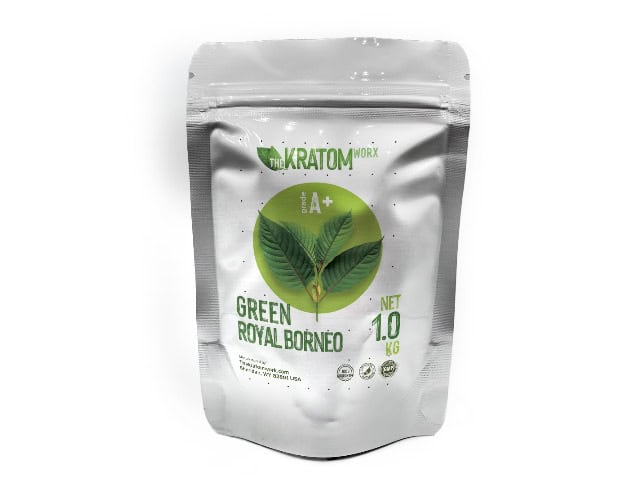
Green Royal Borneo Kratom Powder by Research Chemical Depot
Shop Now →Disclosure: These are affiliate links. I earn a small commission if you purchase — at no extra cost to you. I only recommend products I personally use or have thoroughly researched.
Research & Studies
This section includes 22 peer-reviewed studies referenced in our analysis.
Dietary boron modified the effects of magnesium and molybdenum on mineral metabolism in the cholecalciferol-deficient chick.
Dietary boron, brain function, and cognitive performance.
Plasma boron and the effects of boron supplementation in males.
Effects of boron supplementation on bone mineral density and dietary, blood, and urinary calcium, phosphorus, magnesium, and boron in female athletes.
The effect of boron supplementation on lean body mass, plasma testosterone levels, and strength in male bodybuilders.
The effect of boron supplementation on its urinary excretion and selected cardiovascular risk factors in healthy male subjects.
Regulation of enzymatic activity: one possible role of dietary boron in higher animals and humans.
The importance of boron nutrition for brain and psychological function.
Diadenosine phosphates and S-adenosylmethionine: novel boron binding biomolecules detected by capillary electrophoresis.
Dietary boron intake and prostate cancer risk.
Showing 10 of 22 studies. View all →