
- Appetite regulation and metabolic support
- Neuroprotection and reduced neuroinflammation
- Enhanced cognitive function and focus
- Antioxidant defense and cellular health
I used to think appetite control was all about willpower. Turns out, there’s a molecule your body makes naturally that regulates hunger, supports brain health, and even protects against oxidative stress—and most people have never heard of it.
That molecule is oleoylethanolamide, or OEA. And after diving into the research (and experimenting myself), I realized this isn’t just another weight-loss gimmick. It’s a legitimate metabolic and cognitive enhancer with some surprisingly robust science behind it.
The Short Version: Oleoylethanolamide (OEA) is an endogenous lipid that activates PPAR-α receptors to regulate appetite, enhance fat metabolism, and provide neuroprotection. Typical doses range from 200-600mg daily with food. It works best as part of a foundation that includes proper sleep, stress management, and gut health—not as a shortcut.
What Is Oleoylethanolamide?
Oleoylethanolamide is a lipid mediator—basically a fat-derived signaling molecule—that your body produces naturally in response to dietary fat intake. When you eat fat, particularly oleic acid (found in olive oil, avocados, and nuts), your small intestine synthesizes OEA as part of the satiety response.
Here’s what makes it interesting: OEA doesn’t just tell your brain “okay, you’re full now.” It crosses the blood-brain barrier and activates peroxisome proliferator-activated receptor alpha (PPAR-α), a nuclear receptor that regulates fat metabolism, inflammation, and cellular energy production. Think of PPAR-α as a master switch for metabolic health—when activated, it tells your body to burn fat for fuel, reduce inflammation, and protect cells from oxidative damage.
Researchers initially studied OEA for its role in appetite regulation and weight management. But as the science evolved, they discovered it also modulates noradrenergic and dopaminergic pathways in the brain, which means it has implications for focus, motivation, and cognitive resilience.
Reality Check: OEA isn’t a magic pill for weight loss or cognitive enhancement. It works best when you’re already taking care of the fundamentals—sleep, nutrition, movement, and stress management. If your gut is inflamed, your sleep is garbage, and you’re running on caffeine and anxiety, OEA isn’t going to save you. Fix the foundation first.
How Does Oleoylethanolamide Work?
OEA’s mechanisms are fascinating because they span both metabolic and neurological systems. Here’s the breakdown in plain English, followed by the evidence.
PPAR-α Activation (The Metabolic Switch)
When OEA binds to PPAR-α receptors—primarily in the liver, muscles, and brain—it triggers a cascade of genetic changes that promote fat oxidation (burning fat for energy), reduce inflammation, and enhance antioxidant defenses. This is why OEA supplementation has been shown to improve markers of metabolic health in human trials.
A 2025 meta-analysis published in Frontiers in Nutrition reviewed randomized controlled trials and found that OEA supplementation significantly reduced body weight, BMI, waist circumference, and inflammatory markers like C-reactive protein compared to placebo. The effects were modest but consistent across studies, with most participants taking 200-500mg daily for 8-12 weeks.
Translation: OEA helps your body shift into a fat-burning, anti-inflammatory state. It’s not dramatic, but it’s measurable and it’s real.
Noradrenergic and Dopaminergic Modulation (The Brain Connection)
OEA directly affects noradrenergic (norepinephrine) and dopaminergic (dopamine) systems in the brainstem and hypothalamus—regions involved in arousal, attention, motivation, and reward processing. It doesn’t act like a stimulant; instead, it modulates these pathways to support sustained focus and reduce hedonic eating (the kind of eating driven by pleasure-seeking rather than hunger).
A 2025 study in Progress in Neuro-Psychopharmacology & Biological Psychiatry found that OEA reduced stress-induced ethanol consumption in animal models by modulating neuroinflammation and reward circuitry. The researchers noted that OEA’s effects on dopaminergic pathways may help regulate behaviors driven by stress and craving—not just food, but other reward-seeking behaviors as well.
In my experience, this translates to better impulse control and less “grazing” throughout the day. It’s subtle, but when you’re trying to stay focused on deep work instead of wandering to the kitchen every 45 minutes, it matters.
Neuroprotection and Anti-Inflammatory Effects
OEA crosses the blood-brain barrier and exerts potent anti-inflammatory and antioxidant effects in brain tissue. A 2025 study in International Immunopharmacology demonstrated that OEA protected against ischemic stroke damage in animal models by activating PPAR-α signaling in microglia (the brain’s immune cells), reducing neuroinflammation and promoting neuronal survival.
Another 2015 study showed that chronic OEA treatment improved spatial cognitive deficits after transient focal cerebral ischemia by enhancing hippocampal neurogenesis—the process of growing new brain cells in the region responsible for learning and memory.
Translation: OEA doesn’t just support metabolic health. It actively protects brain cells from inflammatory damage and supports the growth of new neurons in areas critical for memory and learning. The effects are cumulative, not immediate.
Oxidative Stress Reduction
Through PPAR-α activation, OEA promotes the expression of antioxidant enzymes like superoxide dismutase (SOD) and catalase, which neutralize free radicals and reduce oxidative damage. A 2025 meta-analysis found that OEA supplementation improved antioxidant capacity and reduced oxidative stress markers in human trials, contributing to overall cellular health and resilience.
Benefits of Oleoylethanolamide (What the Research Actually Shows)
Let’s be honest about the evidence quality here. Some benefits are strongly supported by human randomized controlled trials. Others are based on animal studies or preliminary human data. I’ll call out the difference.
| Benefit | Evidence Level | Key Studies |
|---|---|---|
| Appetite regulation & weight management | Strong (human RCTs) | Multiple meta-analyses (2025) |
| Reduced inflammation | Strong (human RCTs) | Bahari et al. 2025, Eslahi et al. 2025 |
| Neuroprotection after brain injury | Moderate (animal models) | Li et al. 2025, Yang et al. 2015 |
| Cognitive enhancement | Preliminary (animal studies) | Yang et al. 2015 |
| Antioxidant support | Strong (human RCTs) | Multiple meta-analyses (2025) |
Appetite Regulation and Metabolic Support
This is where the evidence is strongest. Multiple meta-analyses from 2025 confirm that OEA supplementation (200-600mg daily for 8-12 weeks) significantly reduces body weight, BMI, waist circumference, and inflammatory markers in overweight and metabolically unhealthy individuals. The effects aren’t massive—typically 1-3kg of weight loss beyond placebo—but they’re consistent and well-tolerated.
What I appreciate about OEA is that it doesn’t work by suppressing appetite in a brute-force way like stimulants. It enhances satiety signaling—you feel satisfied sooner and stay satisfied longer. That makes it easier to stick to healthier eating patterns without feeling deprived.
Neuroprotection and Reduced Neuroinflammation
The neuroprotection data is compelling, even though most of it comes from animal models. OEA protects neurons from ischemic damage, reduces microglial activation (brain inflammation), and promotes neuronal survival after injury. A 2025 study found that OEA exerted these effects through microglial PPAR-α signaling, essentially calming down the brain’s inflammatory response.
For those of us interested in long-term brain health and resilience against age-related decline, this is worth paying attention to. Chronic low-grade neuroinflammation is increasingly recognized as a driver of cognitive decline, mood disorders, and neurodegenerative diseases. Compounds that can cross the blood-brain barrier and reduce neuroinflammation—without significant side effects—are rare and valuable.
Cognitive Function and Neurogenesis
The cognitive enhancement claims are based primarily on animal studies, so temper your expectations. That said, the 2015 study showing improved spatial memory and enhanced hippocampal neurogenesis after chronic OEA treatment is intriguing. The researchers found that OEA-treated animals showed better learning and memory performance after brain injury compared to controls.
In my own experience, OEA doesn’t produce a noticeable “boost” the way caffeine or modafinil does. It’s more like a gradual improvement in baseline cognitive clarity and focus over weeks of use. Less brain fog, better sustained attention, fewer moments of “wait, what was I doing?”
Antioxidant Defense
The antioxidant effects are real and measurable. By activating PPAR-α, OEA upregulates the expression of antioxidant enzymes that protect cells from oxidative damage. This matters for long-term health—oxidative stress contributes to aging, inflammation, and chronic disease. Think of OEA as part of a comprehensive antioxidant strategy that might also include glutathione, NAC, and a diet rich in polyphenols.
Pro Tip: OEA’s effects are cumulative. Don’t expect dramatic changes in the first week. Most studies show benefits emerging after 4-8 weeks of consistent use. Patience pays off here.
How to Take Oleoylethanolamide (Without Wasting Your Money)
Here’s the practical dosing breakdown based on the research and my own experimentation.
| Use Case | Dosage | Timing | Notes |
|---|---|---|---|
| General metabolic support | 200-300mg | Morning with food | Start here; assess tolerance for 2-4 weeks |
| Appetite regulation & weight management | 300-500mg | Morning or split AM/PM with meals | Most common range in human trials |
| Cognitive support & neuroprotection | 400-600mg | Morning with fat-containing meal | Higher end; requires consistent use for 8-12 weeks |
Dosage
Typical doses range from 200-600mg per day. Most human studies use 200-500mg daily, often split into two doses (morning and afternoon). Start at the lower end (200mg) to assess tolerance, then gradually increase if needed.
Timing
Take OEA with food, ideally with a meal containing some fat. Since OEA is a lipid, its absorption is enhanced when taken with dietary fats. I usually take mine with breakfast (eggs, avocado, olive oil) or lunch.
Some people split the dose—200mg with breakfast, 200mg with lunch—to maintain more stable levels throughout the day. Others prefer a single morning dose. Experiment and see what works for you.
Forms
OEA is typically available as a powder or in capsules. There’s no strong evidence that one form is significantly more bioavailable than another, so choose based on convenience. If you’re using powder, a milligram scale is essential for accurate dosing.
Cycling
There’s no strong evidence that cycling is necessary for OEA, but some users prefer to take periodic breaks (e.g., 8-12 weeks on, 2-4 weeks off) to assess whether benefits persist or to avoid potential desensitization. I haven’t found cycling necessary, but I also don’t use it year-round—I cycle through different metabolic and cognitive support compounds based on my goals.
Starting Protocol
Start with 200mg daily with a fat-containing meal for at least 2 weeks. Assess how you feel—changes in appetite, energy, focus. If you’re tolerating it well and not seeing the effects you want, increase to 300-400mg daily. Give it at least 4-8 weeks before deciding whether it’s working. This isn’t a quick fix.
Insider Tip: If you’re not noticing effects after 4-6 weeks at 400-500mg, OEA might not be the right tool for you. Some people are highly responsive; others don’t notice much. That’s fine. There are plenty of other metabolic and cognitive enhancers to explore. Don’t chase something that isn’t working.
Side Effects & Safety (What Could Go Wrong)
OEA is generally well-tolerated at typical doses (200-600mg daily). The human trials reviewed in the 2025 meta-analyses reported no serious adverse events, and dropout rates due to side effects were minimal.
That said, here’s what you should know:
Common Side Effects (Mild and Infrequent)
- Mild digestive discomfort (bloating, nausea)—usually resolves after the first week
- Headaches (rare, typically at higher doses)
- Changes in appetite (the intended effect, but some find it too strong initially)
Who Should Avoid OEA
- Pregnant or nursing women (insufficient safety data)
- Individuals with lipid metabolism disorders (consult a physician first)
- Those on medications that significantly affect dopamine or norepinephrine (see drug interactions below)
Drug Interactions
| Medication/Substance | Interaction Type | Risk Level | Notes |
|---|---|---|---|
| Stimulants (amphetamines, methylphenidate) | Noradrenergic potentiation | Moderate | May amplify stimulant effects; monitor for overstimulation |
| SSRIs/SNRIs | Neurotransmitter modulation | Low-Moderate | Generally safe, but monitor mood/energy changes |
| Blood thinners (warfarin, aspirin) | Lipid-mediated effects | Low | Theoretical risk; consult physician if on anticoagulants |
| Dopaminergic medications (L-DOPA, dopamine agonists) | Dopamine pathway modulation | Moderate | May alter effectiveness; medical supervision recommended |
| Alcohol | CNS depression + neuroinflammation | Low-Moderate | OEA may reduce alcohol craving; avoid heavy drinking while supplementing |
Important: If you’re on medications for mood disorders, ADHD, or cardiovascular conditions, consult your healthcare provider before adding OEA. While the risk is generally low, individual responses vary.
Stacking Oleoylethanolamide (The Combinations That Actually Work)
OEA plays well with other compounds, especially those targeting complementary pathways. Here are goal-specific stacks that make sense based on the mechanisms.
For Metabolic Support & Fat Loss
- 200-300mg OEA + 500mg Berberine + 200mg Alpha-Lipoic Acid — Taken with breakfast. This stack hits multiple metabolic pathways: OEA for satiety and PPAR-α activation, berberine for insulin sensitivity and AMPK activation, ALA for glucose uptake and antioxidant support. Synergistic effects on metabolic health without stimulants.
For Cognitive Focus & Neuroprotection
- 300-400mg OEA + 300mg Alpha-GPC + 500mg Lion’s Mane — Morning stack. OEA provides noradrenergic modulation and neuroprotection, Alpha-GPC supports cholinergic signaling for memory and focus, Lion’s Mane promotes neurogenesis and nerve growth factor. This is a long-term brain health stack, not an acute performance booster.
For Stress Resilience & Mood
- 200-300mg OEA + 300mg Rhodiola Rosea + 200mg L-Theanine — Morning or early afternoon. OEA modulates stress-induced reward-seeking behavior, Rhodiola supports stress adaptation and dopamine/serotonin balance, L-Theanine promotes calm focus. Useful for managing stress-related eating or impulsive behaviors.
What to Avoid
- Avoid combining OEA with strong stimulants like high-dose caffeine (over 300mg) or DMAA unless you’re experienced with both. OEA’s noradrenergic effects can potentiate stimulants, leading to overstimulation, anxiety, or jitteriness.
- Don’t stack multiple PPAR-α agonists without a clear reason. Combining OEA with other PPAR-α activators (like certain prescription drugs) could theoretically lead to excessive PPAR-α activation. Stick to one at a time unless under medical supervision.
Synergy Table:
| OEA + | Mechanism Overlap | Expected Synergy | Risk/Notes |
|---|---|---|---|
| Berberine | Metabolic pathways (AMPK + PPAR-α) | Strong for fat loss & insulin sensitivity | Well-tolerated; GI side effects possible |
| Alpha-GPC | Complementary (cholinergic + noradrenergic) | Moderate for focus & memory | Safe; no known interactions |
| Lion’s Mane | Neuroprotection (NGF + PPAR-α) | Strong for long-term brain health | Safe; effects cumulative over weeks |
| Rhodiola | Stress adaptation (HPA axis + catecholamines) | Moderate for stress resilience | Safe; avoid if overstimulated easily |
| Caffeine | Noradrenergic potentiation | Moderate (use low-dose caffeine only) | Risk of overstimulation at high doses |
My Take
I’ve been using OEA on and off for about a year, and here’s my honest assessment: it’s not flashy, but it works.
If you’re looking for a dramatic, feel-it-in-an-hour effect, OEA isn’t that. It’s more like upgrading the operating system in the background—better impulse control, more stable energy, less brain fog, fewer cravings. It took me about 3-4 weeks to notice that I was snacking less between meals and felt more cognitively “clear” during the afternoon slump.
Who This Is Best For:
- People struggling with appetite regulation or metabolic health who want a non-stimulant approach
- Anyone interested in neuroprotection and long-term brain health (especially if you’re stacking with other neuroprotective compounds like Lion’s Mane or Bacopa)
- Individuals dealing with stress-related eating or impulsive behaviors (the dopamine/norepinephrine modulation helps)
- Those who respond well to metabolic enhancers like berberine or ALA and want to add another layer
Who Should Probably Try Something Else:
- If you’re looking for acute cognitive enhancement or performance boosts, try Alpha-GPC, caffeine + L-Theanine, or modafinil instead
- If you need appetite suppression urgently, stimulant-based approaches (used responsibly) will give faster results—though OEA is a healthier long-term option
- If you’re already lean with excellent metabolic health and no cognitive issues, OEA probably isn’t going to move the needle much for you
Bottom Line: OEA is a solid tool for metabolic and cognitive support, backed by legitimate science, with a strong safety profile. It’s not going to change your life overnight, but if you’re committed to 8-12 weeks of consistent use and you’re addressing the fundamentals (sleep, nutrition, stress), it’s worth trying. Start at 200mg with food, give it time, and assess honestly whether it’s working for you.
And remember—no supplement works in isolation. Fix the foundation first.
Recommended Oleoylethanolamide Products
I know how frustrating it is to sort through dozens of brands making the same claims. These are the ones I've personally vetted — because quality is the difference between results and wasted money.
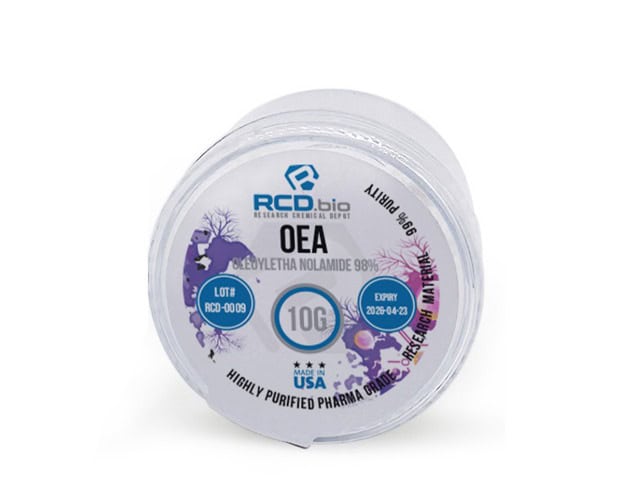
Oleoylethanolamide (OEA) by Research Chemical Depot
Shop Now →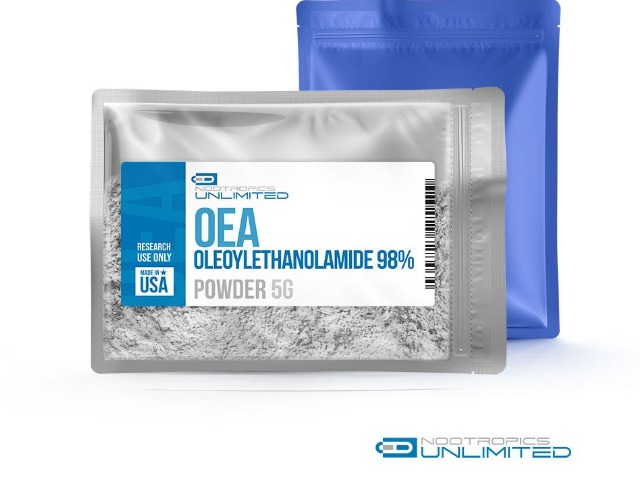
Oleoylethanolamide by Nootropics Unlimited
Shop Now →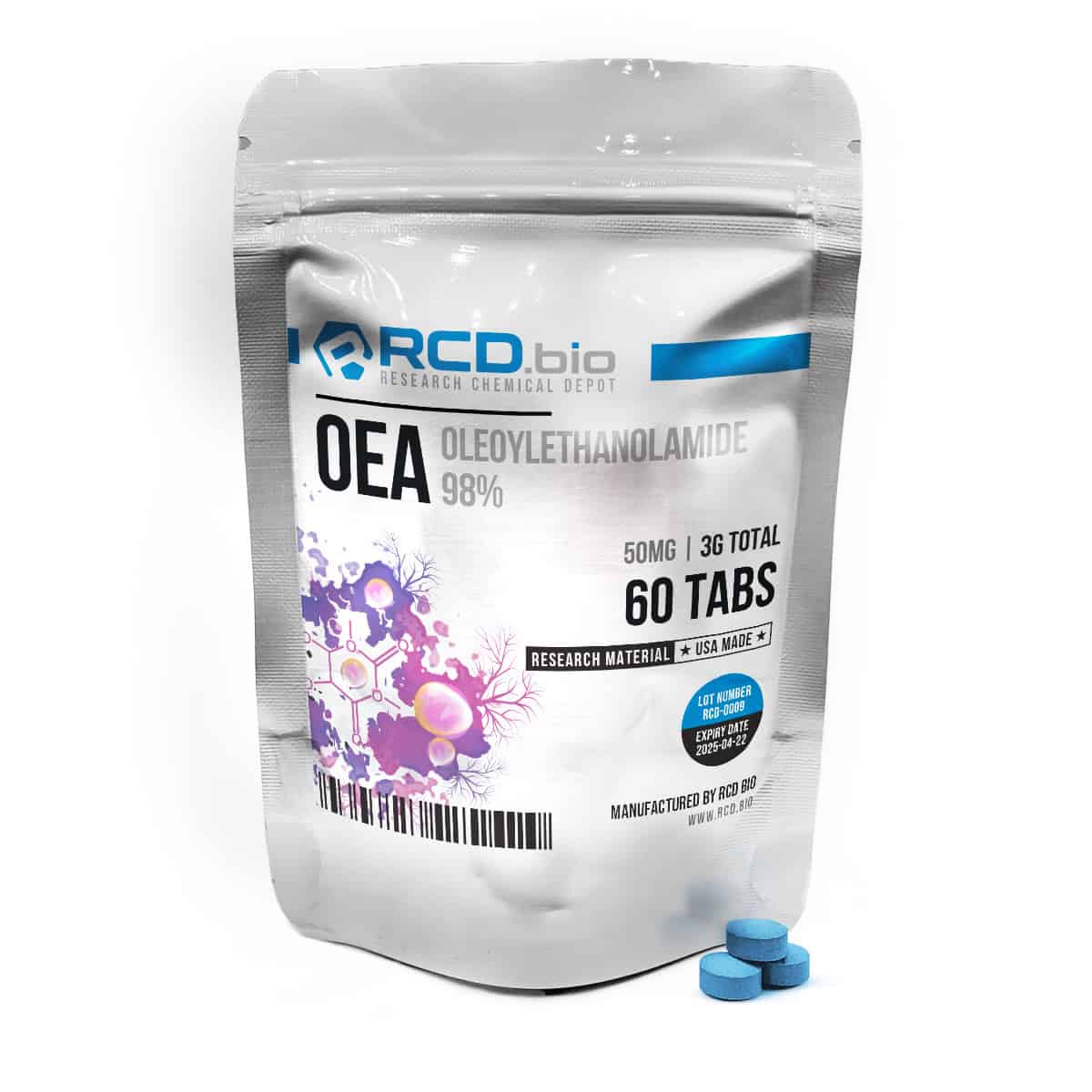
Buy Oleoylethanolamide OEA by Research Chemical Depot
Shop Now →Disclosure: These are affiliate links. I earn a small commission if you purchase — at no extra cost to you. I only recommend products I personally use or have thoroughly researched.
Research & Studies
This section includes 6 peer-reviewed studies referenced in our analysis.