
- Focus & Attention
- Memory Support
- Neuroprotection
I spent three months convinced that my declining focus was just “part of getting older.” I’d forgotten that humans have been using plants to sharpen mental clarity for thousands of years — and one of the most well-researched is literally sitting in most spice cabinets.
Sage isn’t just for Thanksgiving stuffing. Salvia officinalis has been used in traditional medicine for cognitive enhancement since ancient Greece, and the modern research backs up what herbalists have known for centuries: this aromatic herb actually supports memory and attention through multiple brain-protective mechanisms.
If you’re looking for a gentle, well-tolerated nootropic with solid human research behind it — particularly if you’re interested in long-term brain health — keep reading.
The Short Version: Salvia officinalis (common sage) is a traditional herb with proven acetylcholinesterase-inhibiting properties that enhance memory and attention. Clinical trials show cognitive improvements with 300-600mg daily doses, particularly for focus during mental fatigue. It works through cholinergic enhancement, antioxidant activity, and anti-inflammatory mechanisms that support long-term brain health.
What Is Salvia officinalis?
Salvia officinalis — commonly called sage or garden sage — is a Mediterranean herb that’s been valued for both culinary and medicinal purposes for over 2,000 years. The name itself comes from the Latin salvere, meaning “to heal,” reflecting its long history as a medicinal plant.
While you’ve probably used dried sage leaves to season food, the concentrated extracts used for cognitive enhancement contain much higher levels of the bioactive compounds responsible for brain benefits. These include rosmarinic acid, carnosic acid, and a variety of terpenoids that cross the blood-brain barrier and interact with neurotransmitter systems.
The cognitive benefits of sage aren’t just folk medicine folklore. Multiple controlled human trials over the past two decades have documented measurable improvements in memory, attention, and cognitive performance — particularly during mentally demanding tasks or states of fatigue. What makes sage particularly interesting from a nootropics perspective is that it works through several complementary mechanisms: enhancing acetylcholine signaling, reducing oxidative stress in brain tissue, and dampening neuroinflammation.
Reality Check: Sage isn’t a stimulant. You won’t feel an immediate “rush” like you would with caffeine. The benefits are more subtle and build with consistent use — think enhanced mental clarity during sustained focus tasks, not rocket fuel for your brain.
How Does Salvia officinalis Work? (The Brain-Boosting Mechanisms)
The most well-documented mechanism is acetylcholinesterase inhibition. Acetylcholine is your brain’s primary neurotransmitter for learning and memory — it’s what allows neurons to communicate effectively in regions like the hippocampus and cortex. The problem is that an enzyme called acetylcholinesterase constantly breaks down acetylcholine in your synapses, which is normal and necessary, but can limit cognitive function when you need peak performance.
Sage contains compounds — particularly rosmarinic acid and several monoterpenoids — that inhibit this breakdown enzyme. This means more acetylcholine stays active in your synaptic clefts for longer periods, enhancing cholinergic signaling. A 2006 study in Neuropsychopharmacology demonstrated that even a single dose of sage extract produced measurable acetylcholinesterase inhibition in healthy adults, with corresponding improvements on cognitive tasks.
Translation: sage helps your brain maintain higher levels of the neurotransmitter responsible for focus and memory formation. It’s a gentler approach than pharmaceutical cholinesterase inhibitors, but the mechanism is fundamentally similar.
But cholinergic enhancement is only part of the story. Sage is also a potent antioxidant and anti-inflammatory. The phenolic compounds in sage — rosmarinic acid, carnosic acid, caffeic acid — scavenge reactive oxygen species (ROS) that damage cellular membranes, proteins, and DNA in brain cells. Multiple in vitro and animal studies have shown that sage extracts significantly reduce oxidative stress markers in neural tissue.
This matters because oxidative stress and chronic low-grade neuroinflammation are underlying drivers of cognitive decline. By reducing inflammatory cytokine production and neutralizing free radicals, sage helps maintain the cellular environment your neurons need to function optimally. A 2017 review in Drugs in R&D noted that these neuroprotective properties likely contribute to sage’s cognitive benefits, particularly with long-term use.
Finally, emerging research suggests sage may enhance synaptic plasticity — your brain’s ability to form and strengthen neural connections. Animal studies have shown that chronic sage administration increases expression of BDNF (brain-derived neurotrophic factor) and CaMKII (calcium/calmodulin-dependent protein kinase II), both critical for learning and memory consolidation. While human evidence here is still preliminary, it suggests sage may support brain health beyond just acute cognitive performance.
Insider Tip: The cholinergic enhancement from sage works best when you already have adequate choline intake. If you’re not getting enough choline from your diet (eggs, liver, fish), consider pairing sage with a choline source like Alpha-GPC or CDP-Choline for synergistic effects.
Benefits of Salvia officinalis (What the Research Actually Shows)
Enhanced Focus and Attention
This is where sage shines brightest in the research. Multiple controlled trials have shown improvements in attention and concentration, particularly during mentally demanding or fatiguing tasks.
A 2021 study published in Nutrients gave healthy adults either 600mg of sage extract or placebo daily for 4 weeks, then tested them on a battery of cognitive tasks. The sage group showed significant improvements in attention accuracy and working memory compared to placebo. Even more interesting: a separate acute dosing study in the same paper found that a single 300mg dose improved attention and reduced mental fatigue during a sustained cognitive workload.
Another 2021 trial in Frontiers in Nutrition tested sage supplementation in athletes during fatiguing cycling exercise. Participants who took 600mg of sage extract before exercise maintained significantly better cognitive performance during and after the workout compared to placebo — suggesting sage may help preserve mental clarity when you’re physically exhausted.
Evidence level: Strong. Multiple randomized, placebo-controlled trials in humans with consistent positive findings.
Memory Support
Sage’s reputation as a memory enhancer has solid backing. A 2011 study in Journal of Psychopharmacology gave healthy young adults a single dose of sage extract and tested them on word recall tasks. The sage group showed improved word recall accuracy and faster recall speed compared to placebo, with effects appearing within 1-2 hours of ingestion.
Longer-term studies show even more promising results. In one 16-week trial, older adults taking sage extract showed improvements on cognitive function scales that measure memory and information processing. While the effect sizes aren’t as dramatic as pharmaceutical cognitive enhancers, they’re clinically meaningful — and they come without the side effect profile of prescription drugs.
It’s worth noting that most memory studies have focused on acute cognitive performance (remembering word lists, information recall tasks) rather than long-term memory formation. So while sage appears to enhance the process of encoding and retrieving memories, we have less evidence about whether it helps you retain information permanently over months or years.
Evidence level: Moderate to strong for acute memory tasks; preliminary for long-term memory retention.
Mood and Stress Response
This one surprised me when I first read the research. A 2006 study gave healthy adults either sage extract or placebo, then subjected them to a battery of stressful cognitive tasks designed to induce mental fatigue and anxiety. The sage group reported significantly reduced anxiety and improved calmness compared to placebo, along with better performance on the stressor tasks.
The mechanism here likely involves sage’s GABAergic activity — some compounds in sage appear to modulate GABA receptors, producing mild anxiolytic effects without sedation. A 2010 study in Human Psychopharmacology compared the aromatherapy effects of different Salvia species and found that even the aroma of sage improved mood and reduced anxiety in healthy volunteers.
I’d describe the mood benefits as “taking the edge off” rather than dramatically lifting depression or eliminating anxiety. If you’re dealing with clinical anxiety or mood disorders, sage isn’t a replacement for proper treatment. But for everyday stress management and maintaining composure during mentally demanding work, there’s real benefit here.
Evidence level: Moderate. Consistent findings across several studies, but mostly in healthy adults under experimental stress conditions.
Neuroprotection and Long-Term Brain Health
This is more of a “long game” benefit, and it’s harder to measure in short-term human trials. But the antioxidant and anti-inflammatory properties of sage suggest potential protective effects against age-related cognitive decline.
The 2017 review in Drugs in R&D examined sage’s potential for neurodegenerative diseases and concluded that while human data is limited, the mechanisms of action (acetylcholinesterase inhibition, reduced oxidative stress, anti-inflammatory effects) are precisely the ones you’d want for brain health maintenance. Several small trials in patients with mild cognitive impairment or early Alzheimer’s disease have shown promising results, though more research is needed.
For those of us interested in preventive cognitive health — maintaining brain function as we age rather than treating decline — sage’s multi-modal neuroprotective profile makes it a compelling long-term supplement.
Evidence level: Preliminary for disease prevention; strong mechanistic rationale based on animal and cellular studies.
| Benefit | Evidence Level | Key Studies | Typical Timeline |
|---|---|---|---|
| Focus & Attention | Strong (human RCTs) | Wightman 2021, Babault 2021 | Acute (1-2 hours) to 4 weeks |
| Memory Support | Moderate-Strong | Kennedy 2011, Akhondzadeh 2003 | Acute to 16 weeks |
| Mood & Stress | Moderate | Kennedy 2006, Moss 2010 | Acute (within hours) |
| Neuroprotection | Preliminary | Lopresti 2017 review | Long-term (months-years) |
How to Take Salvia officinalis (Without Wasting Your Money)
Dosage
The research consistently points to 300-600mg of standardized sage extract as the effective range for cognitive benefits. Most studies use extracts standardized to rosmarinic acid content or total phenolic compounds — this is important because the concentration of active compounds varies wildly in non-standardized products.
Here’s how to approach dosing:
-
Starting dose: 300mg once daily with breakfast
- Assess tolerance and subjective effects for 5-7 days
- Most people tolerate this dose without any issues
-
Standard cognitive support: 300mg twice daily (morning and early afternoon)
- Total daily dose of 600mg
- This matches the dosing used in most positive clinical trials
- Split dosing may provide more consistent effects throughout the day
-
Acute cognitive enhancement: 600mg single dose 1-2 hours before mentally demanding tasks
- Useful for important meetings, exams, creative work sessions
- Based on acute dosing studies showing peak effects around 2 hours post-ingestion
Going above 600mg daily doesn’t appear to provide additional cognitive benefits in the research, and it increases the risk of digestive side effects. More isn’t better here.
Pro Tip: Take sage with a meal containing some fat. The terpenoid compounds are lipophilic (fat-soluble), so absorption is enhanced when consumed with dietary fats. I take mine with breakfast or lunch — never on an empty stomach.
Timing
Morning dosing makes the most sense for most people, since you want the cognitive benefits during your active hours. If you’re splitting the dose (300mg twice daily), the second dose should be early afternoon — say, 1-2pm — to avoid any potential sleep interference, though sage isn’t typically stimulating in the way caffeine is.
For acute cognitive enhancement before a specific task, take 300-600mg about 90 minutes to 2 hours beforehand. The acetylcholinesterase inhibition appears to peak around this timeframe based on pharmacokinetic studies.
Avoid taking sage late in the evening. While it’s not a stimulant, the cholinergic enhancement can increase vivid dreaming in some people, which may disrupt sleep quality.
Forms Available
Standardized extract capsules/tablets are what you want for nootropic purposes. Look for products standardized to rosmarinic acid content (ideally 2.5-5%) or total phenolic compounds. This ensures consistent potency across batches.
Dried sage leaf can be used to make tea, but the dosing is inconsistent and the active compound content is much lower than extracts. You’d need to consume several grams of dried leaf to approach the doses used in cognitive studies, which isn’t practical for most people.
Essential oil is sometimes marketed for aromatherapy cognitive benefits, and there is some research supporting this (the 2010 Moss study found cognitive effects from sage aroma). However, essential oils should never be ingested without professional guidance — they’re extremely concentrated and can be toxic if misused.
Tinctures and liquid extracts can work if properly standardized, but I find capsules more convenient for consistent dosing.
Cycling
Based on the available research, sage doesn’t appear to require cycling. The longest published trial ran for 16 weeks with no indication of tolerance development or diminishing effects. The neuroprotective mechanisms (antioxidant, anti-inflammatory) are things you’d want continuously, not cyclically.
That said, I personally take a week off every 8-12 weeks just as a general practice with any cholinergic supplement. There’s no strong evidence this is necessary with sage specifically, but it gives your system a break and helps you assess whether the supplement is still providing subjective benefits.
Starting Protocol
Here’s what I recommend for someone new to sage:
Week 1-2: 300mg once daily with breakfast
- Monitor for any digestive upset or headaches (rare but possible)
- Assess subjective effects on focus and mental clarity
- Keep notes — cognitive changes can be subtle
Week 3+: Increase to 300mg twice daily (morning and early afternoon) if well-tolerated
- Continue for at least 4-6 weeks to assess full benefits
- Some of the neuroprotective effects build over time
If you experience any adverse effects at 300mg, you can try a lower starting dose (150-200mg) and work up gradually. But most people tolerate the standard dose without issues.
Side Effects & Safety (What Could Go Wrong)
Sage is remarkably well-tolerated in the doses used for cognitive enhancement. In clinical trials, adverse events are rare and typically mild. But there are some considerations.
Common Side Effects
Digestive upset is the most frequently reported issue, particularly at higher doses (above 600mg daily). This can include:
- Mild nausea
- Stomach discomfort
- Loose stools
Taking sage with food typically prevents this. If you’re sensitive, split your dose into smaller amounts taken with multiple meals.
Headaches occur in a small percentage of users, possibly related to the cholinergic enhancement. If you experience this, try reducing the dose or ensuring you’re adequately hydrated.
Vivid dreams have been reported anecdotally (though not frequently in clinical trials). This is likely related to increased acetylcholine activity, which is associated with REM sleep and dream vividness. If this disrupts your sleep, avoid evening dosing.
Who Should Avoid Sage
Pregnant and nursing women should avoid therapeutic doses of sage extract. While culinary amounts in food are considered safe, concentrated extracts contain compounds (particularly thujone in some varieties) that may have uterine-stimulating effects. Not worth the risk.
People with seizure disorders should exercise caution. Some Salvia species contain thujone, a compound that can lower seizure threshold at high doses. While Salvia officinalis extracts used in cognitive research are typically low-thujone varieties, if you have epilepsy or a seizure history, consult your neurologist before using sage.
Those with estrogen-sensitive conditions (certain breast cancers, endometriosis, uterine fibroids) should be cautious, as some sage compounds have weak estrogenic activity. The clinical significance is unclear, but it’s worth discussing with your oncologist if relevant.
Drug Interactions
Sage can interact with several medications. This is where things get serious:
| Medication/Drug Class | Interaction Type | Risk Level | Notes |
|---|---|---|---|
| Anticholinergic drugs (e.g., diphenhydramine, benztropine) | Antagonistic | Moderate | Sage’s cholinergic enhancement opposes anticholinergic effects; may reduce drug efficacy |
| Sedatives/CNS depressants (benzodiazepines, barbiturates, alcohol) | Additive | Moderate | Sage has mild GABAergic activity; may enhance sedation |
| Anticonvulsants (phenytoin, valproate, carbamazepine) | Seizure threshold | Moderate-High | Thujone in some sage varieties may lower seizure threshold; use only low-thujone extracts with medical supervision |
| Diabetes medications (insulin, metformin, sulfonylureas) | Hypoglycemia | Moderate | Sage may lower blood sugar; monitor glucose levels closely if combining |
| Cholinesterase inhibitors (donepezil, rivastigmine) | Additive cholinergic | Moderate | May cause excessive cholinergic effects (nausea, salivation, diarrhea); requires medical supervision |
If you’re taking any of these medications, do not start sage without consulting your prescribing physician.
Chronic Use Safety
The longest published trial was 16 weeks, and no safety concerns emerged. Traditional use spans centuries. Based on available evidence, sage appears safe for long-term daily use at 300-600mg in healthy adults.
That said, we don’t have controlled human data beyond 4 months of continuous use. If you’re planning to take sage indefinitely, periodic check-ins with a healthcare provider are sensible — particularly if you have any underlying health conditions or take medications.
Important: If you experience persistent headaches, digestive issues that don’t resolve with dose adjustment, or any unusual neurological symptoms, discontinue use and consult a healthcare provider. While rare, individual responses to any supplement can vary.
Stacking Salvia officinalis (The Combinations That Actually Work)
Sage’s cholinergic enhancement makes it a natural complement to other nootropics, particularly those that work through different mechanisms. Here are goal-specific stacks based on both research and practical experience.
For Focus & Productivity (Deep Work Stack)
300mg Salvia officinalis + 300mg Alpha-GPC + 100mg L-Theanine + 50mg Caffeine
- Take together in the morning or before a focused work session
- The sage enhances acetylcholine signaling while Alpha-GPC provides the choline substrate your brain needs to synthesize more acetylcholine
- L-Theanine and moderate caffeine provide calm, focused energy without jitters
- This is my personal go-to stack for writing or analytical work
Why it works: You’re supporting both sides of cholinergic function — increasing availability (sage’s acetylcholinesterase inhibition) and ensuring adequate raw material (Alpha-GPC’s choline). The theanine-caffeine combo complements this with enhanced alertness and focus.
For Memory & Learning (Student Stack)
300mg Salvia officinalis + 300mg Bacopa Monnieri + 500mg Lion’s Mane
- Take daily, split doses (sage and Bacopa with breakfast, Lion’s Mane with dinner)
- This is a long-game stack — expect 4-8 weeks before full benefits emerge
- All three support synaptic plasticity and memory consolidation through complementary mechanisms
- Bacopa enhances dendritic branching; Lion’s Mane stimulates NGF; sage protects and enhances cholinergic function
Why it works: Multi-modal support for memory and learning. Sage provides acute cognitive enhancement while Bacopa and Lion’s Mane build long-term neural infrastructure.
For Stress Resilience & Mental Clarity (Adaptogenic Stack)
300mg Salvia officinalis + 300mg Rhodiola Rosea + 600mg Ashwagandha
- Morning: Sage + Rhodiola (before breakfast)
- Evening: Ashwagandha (with dinner)
- Useful for maintaining cognitive performance during stressful periods
- Rhodiola combats mental fatigue; Ashwagandha reduces cortisol; sage maintains focus and memory despite stress
Why it works: Stress degrades cognitive function through multiple pathways. This stack addresses HPA axis dysregulation (Ashwagandha), mental fatigue (Rhodiola), and cognitive performance preservation (sage).
What NOT to Stack With Sage
Avoid combining with other strong acetylcholinesterase inhibitors like Huperzine A unless under medical supervision. Stacking multiple cholinesterase inhibitors can cause excessive cholinergic activity — nausea, excess salivation, digestive cramping, headaches. One cholinergic enhancer at a time.
Be cautious with racetams (Piracetam, Aniracetam, Phenylpiracetam) if you’re sensitive to cholinergics. Racetams increase acetylcholine utilization; sage increases acetylcholine availability. For some people this synergizes beautifully; for others it causes headaches (“racetam headache”). If you combine them, ensure adequate choline intake and start with lower doses.
Avoid with sedating supplements if you need to stay alert. While sage isn’t sedating on its own, its mild GABAergic activity could theoretically enhance the effects of sedatives like Valerian or high-dose L-Theanine.
Synergy Table
| Stack Goal | Primary Nootropics | Mechanism Synergy | Timing |
|---|---|---|---|
| Focus & Productivity | Sage + Alpha-GPC + L-Theanine + Caffeine | Cholinergic + calm alertness | Morning or pre-work |
| Memory & Learning | Sage + Bacopa + Lion’s Mane | Multi-modal plasticity enhancement | Daily, split doses |
| Stress Resilience | Sage + Rhodiola + Ashwagandha | Cognitive preservation + HPA support | Morning + evening |
My Take
I keep sage in my daily rotation, and it’s one of the few herbal nootropics I recommend without hesitation.
Here’s why: the research is solid. You’re not relying on extrapolations from rat studies or mechanistic speculation — there are multiple well-designed human trials showing real cognitive benefits at reasonable doses. The effect size isn’t massive, but it’s consistent and meaningful, particularly for sustained attention and memory tasks.
The side effect profile is minimal. In four years of regular use (with periodic breaks), I’ve had zero issues. No digestive upset, no headaches, no weird crashes or tolerance. It just quietly does its job.
Who sage is BEST for:
- People doing cognitively demanding work who want gentle, sustainable focus support without stimulant side effects
- Students or lifelong learners looking to support memory and information retention
- Anyone interested in long-term brain health and neuroprotection (the antioxidant and anti-inflammatory benefits are legit)
- Those who want a well-researched, low-risk starting point for nootropic experimentation
Who should probably try something else:
If you’re looking for immediate, dramatic cognitive enhancement — like a “take this and feel supercharged in an hour” effect — sage isn’t that. Try Caffeine + L-Theanine for acute focus, or Phenylpiracetam if you want something more stimulating (and don’t mind the legal grey area).
If you need robust anxiety reduction or mood support, Ashwagandha or Rhodiola will likely serve you better as primary interventions. Sage’s mood benefits are real but subtle.
If you’re already taking prescription cholinesterase inhibitors or have contraindications (pregnancy, seizure disorders), skip sage and work with your doctor on alternatives.
Bottom line: Sage is one of those rare supplements where the traditional use, the mechanism of action, and the clinical evidence all align. It’s not flashy, it’s not exotic, and it won’t make wild promises. But it works, it’s safe, and it’s backed by actual science. That’s a combination I can get behind.
Start with 300mg daily for a few weeks. Pay attention to whether you’re maintaining focus better during long work sessions, whether mental fatigue hits later in the day, whether information retention feels smoother. If you notice benefits, consider bumping to 600mg split across two doses. If you don’t notice anything after 4-6 weeks, it might not be the right tool for your particular brain chemistry — and that’s fine. Not every nootropic works for everyone.
But for most people, sage is a solid foundational piece of a cognitive enhancement strategy — particularly when combined with the actual foundations: sleep, nutrition, stress management, and movement. Get those right first. Then add sage. Then assess whether other nootropics make sense for your goals.
That’s the approach that actually works long-term.
Recommended Sage Products
I know how frustrating it is to sort through dozens of brands making the same claims. These are the ones I've personally vetted — because quality is the difference between results and wasted money.
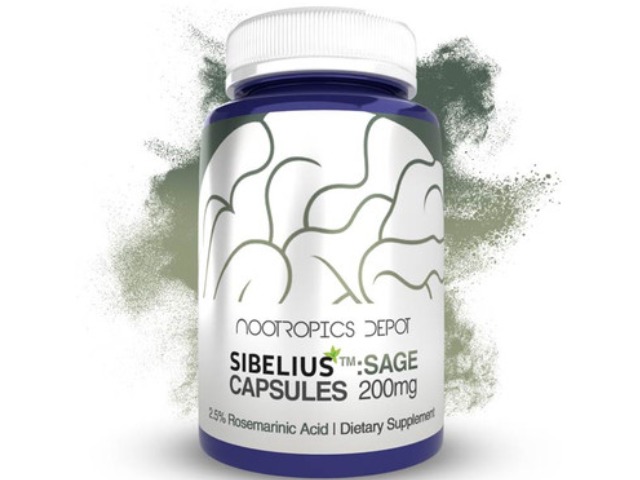
Sibeliustm Sage Capsules | 200mg | 2.5% Rosmarinic Acid by Nootropics Depot
Shop Now →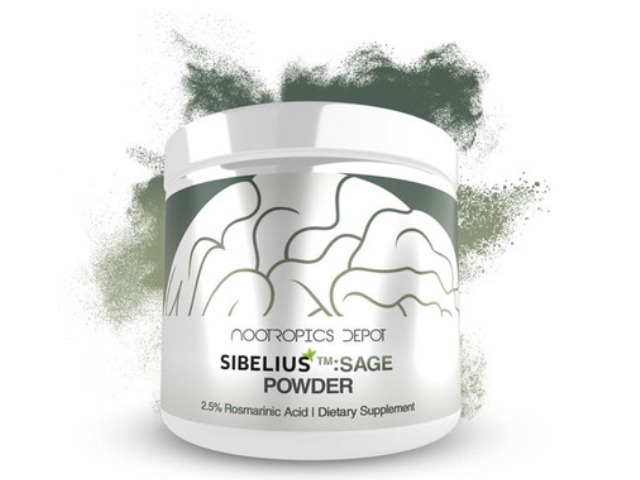
Sibeliustm Sage Powder | 2.5% Rosmarinic Acid by Nootropics Depot
Shop Now →
Therasage
Shop Now →Disclosure: These are affiliate links. I earn a small commission if you purchase — at no extra cost to you. I only recommend products I personally use or have thoroughly researched.